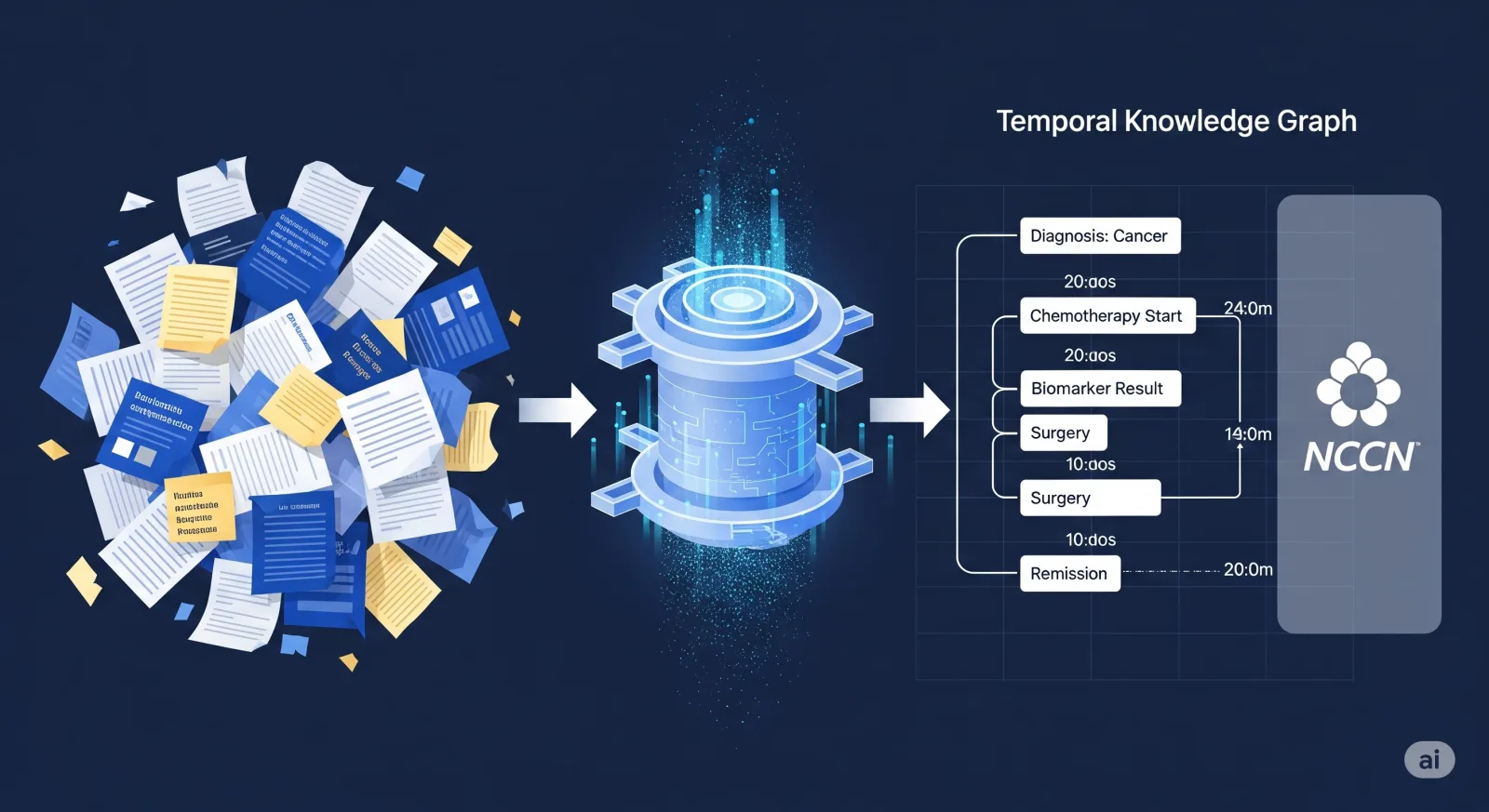
From Chaos to Care: Structuring LLMs with Clinical Guidelines
CliCARE shows why clinical AI needs patient timelines, guideline alignment, and expert-calibrated evaluation—not just larger context windows.
CliCARE shows why clinical AI needs patient timelines, guideline alignment, and expert-calibrated evaluation—not just larger context windows.

A mechanism-first look at SDeflection, a jailbreak defence that redirects harmful prompts into safe adjacent answers instead of betting everything on refusals.

A practical reading of how LLM research borrows psychology—and where citation turns into conceptual debt.

A mechanism-first reading of how agentic AI changes business process design from fixed task flows to goal-driven coordination.
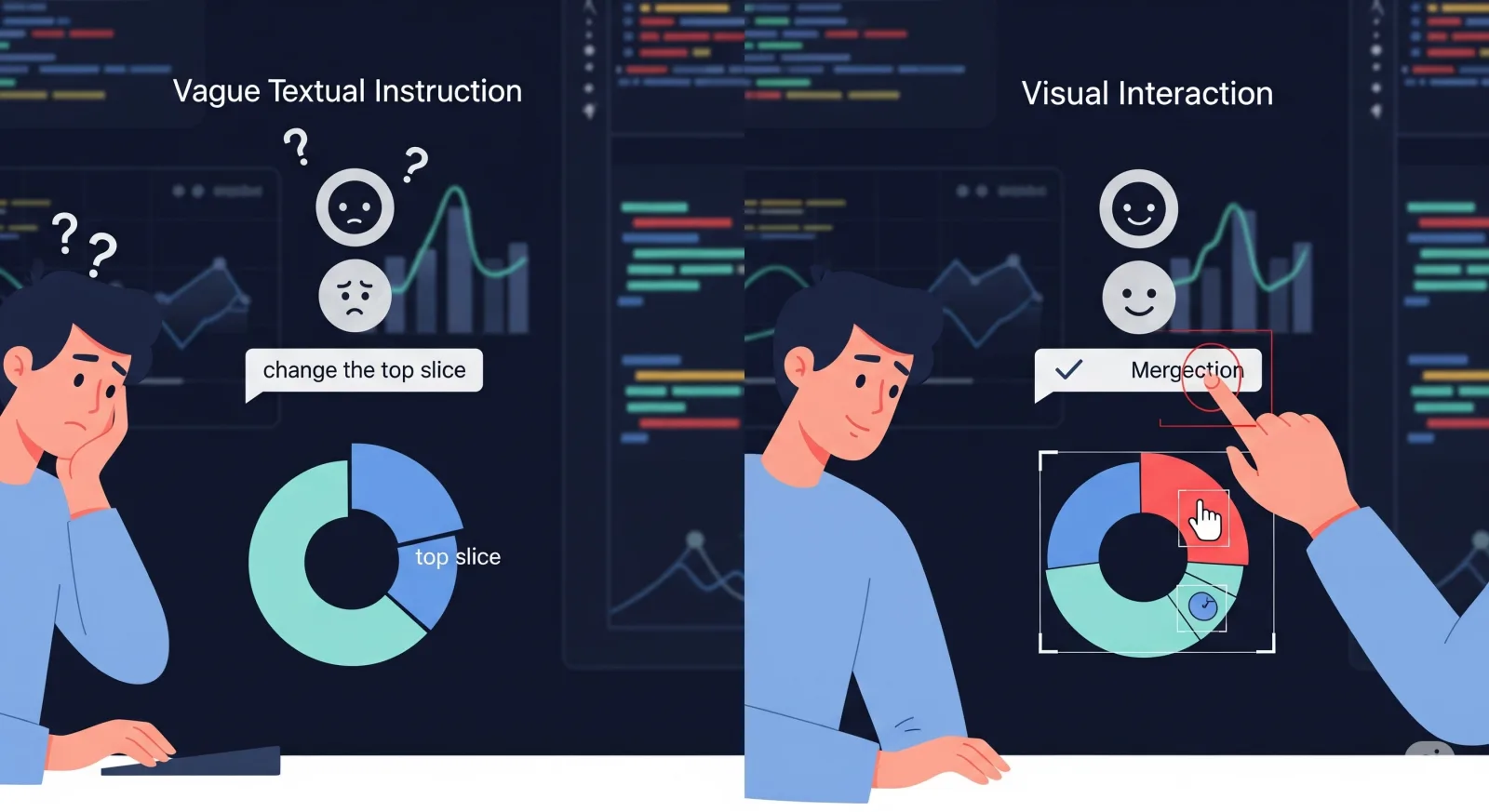
ChartM3 shows why chart editing needs more than language: models must connect what users point at to the code that actually controls the visual object.
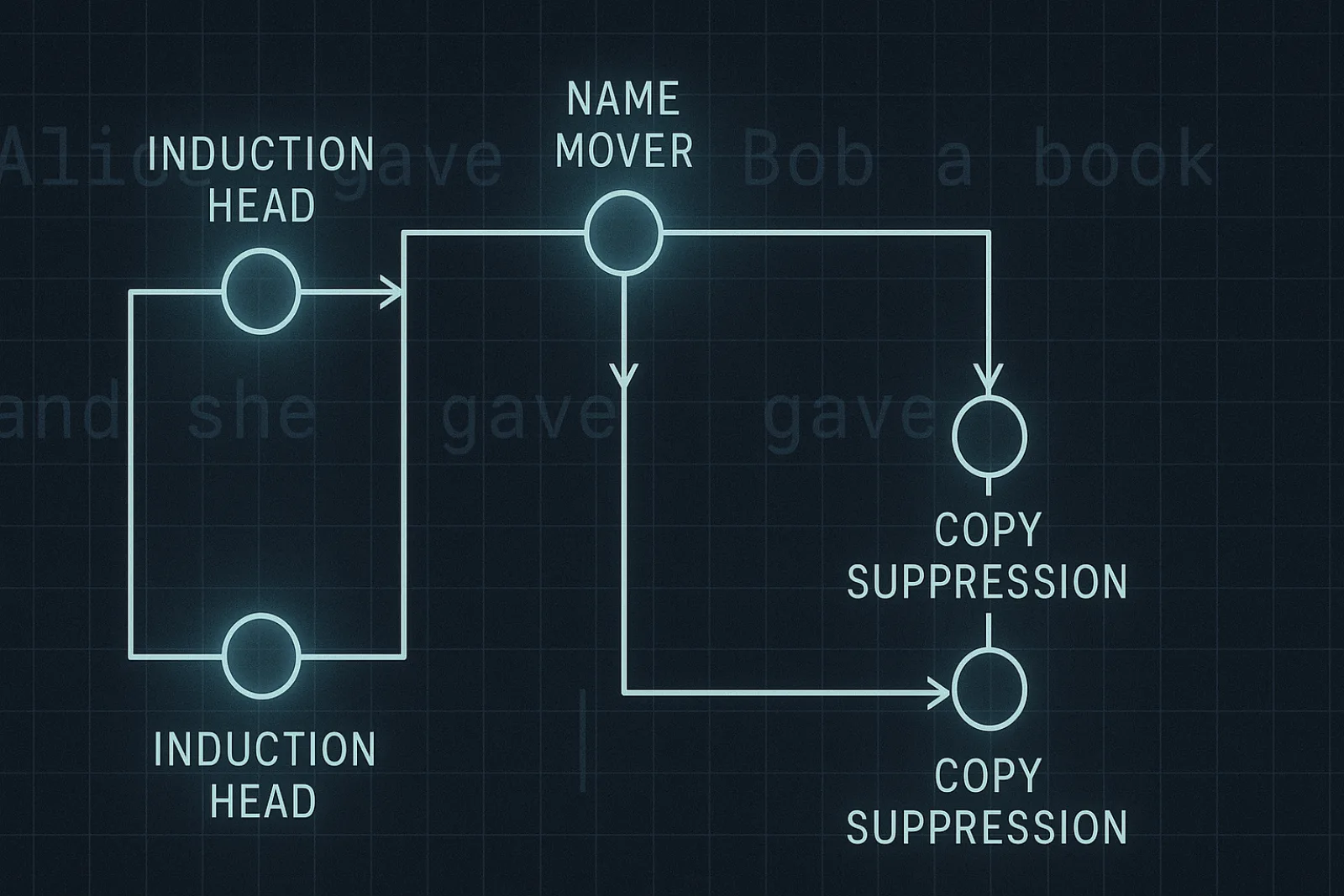
A clearer operator-focused reading of how circuit-level interpretability turns transformer explanations from attractive diagrams into testable engineering claims.

A practical reading of DGP, a graph-enhanced LLM framework that improves fraud detection by preserving target-node detail while compressing noisy neighbourhood context.
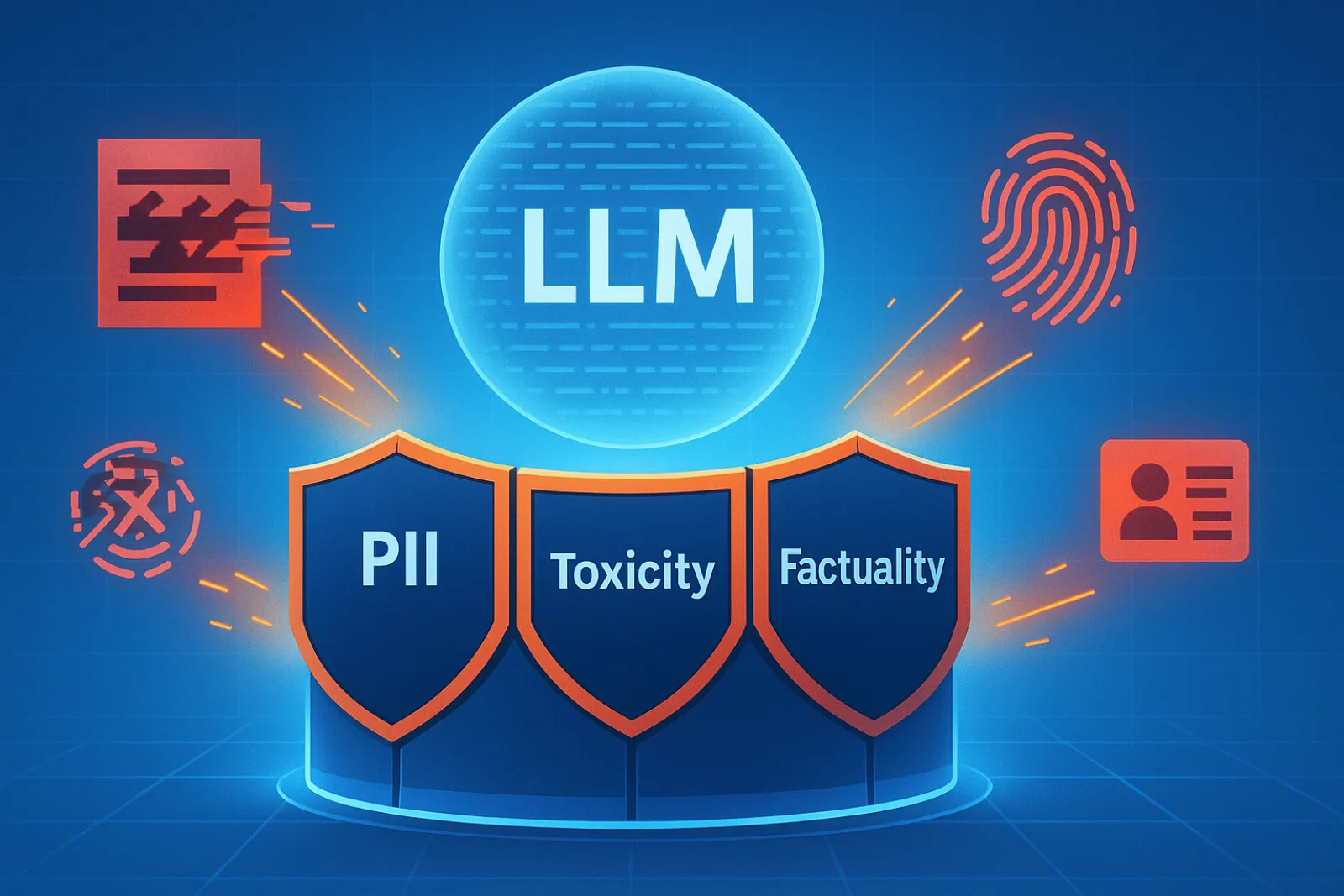
IBM’s OneShield paper shows why enterprise LLM safety is becoming a configurable control plane, not merely a better moderation classifier.
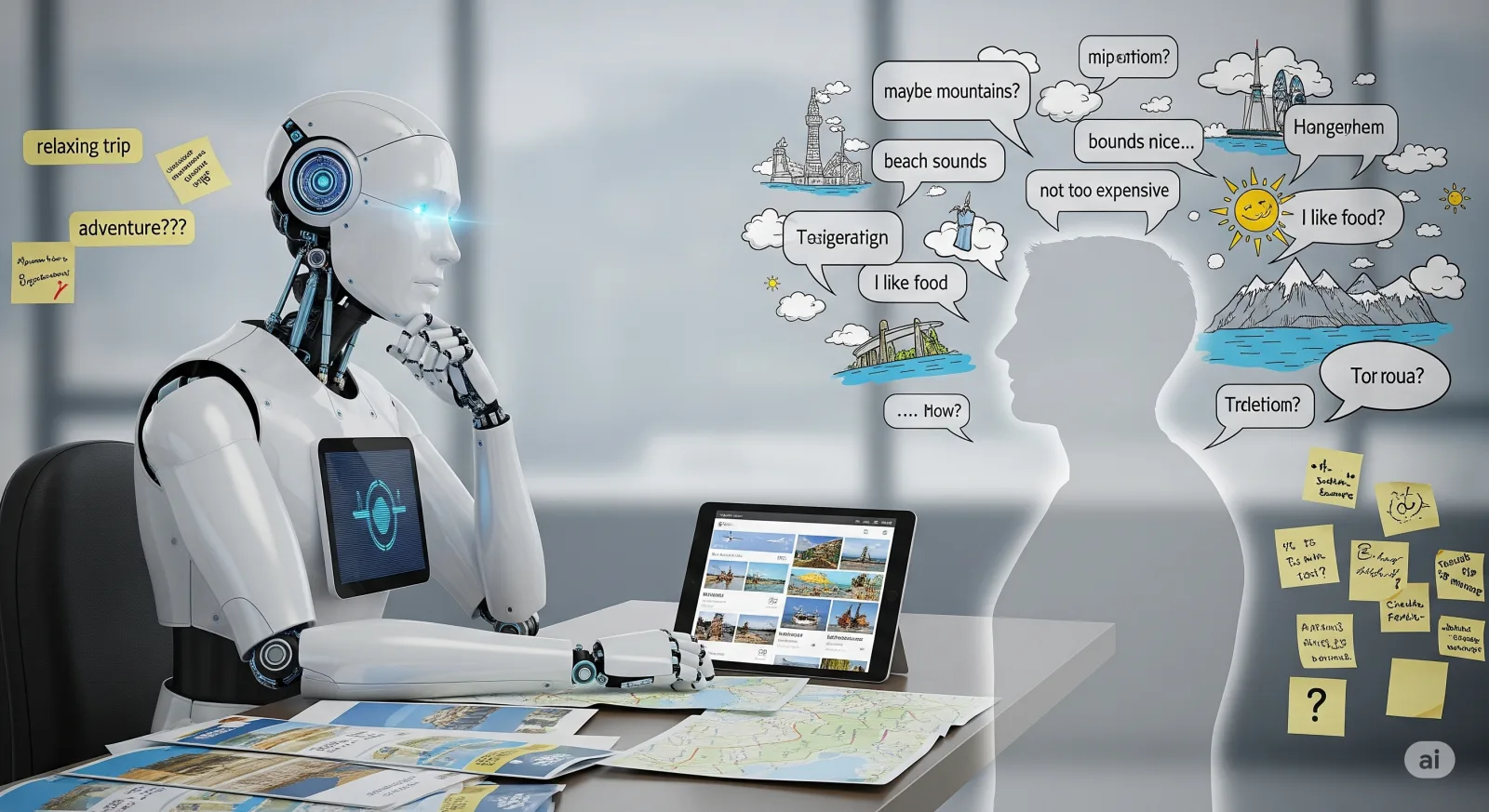
A close reading of UserBench and what it reveals about the gap between tool-using agents and genuinely user-centred assistants.

Warmth in AI assistants may improve the user experience, but this paper shows it can also make models less reliable and more sycophantic.