
Seeing is Retraining: How VizGenie Turns Visualization into a Self-Improving AI Loop
VizGenie shows why serious AI visualization assistants need validated workflows, domain-aware vision, and retraining loops—not just prettier prompt-to-code demos.
VizGenie shows why serious AI visualization assistants need validated workflows, domain-aware vision, and retraining loops—not just prettier prompt-to-code demos.

A close reading of why Reddit sentiment models underperform simpler attention signals in meme-stock prediction.

A mechanism-first reading of Influence Approximation Unlearning, a faster approximate method for deleting training-data influence without expensive Hessian computation.
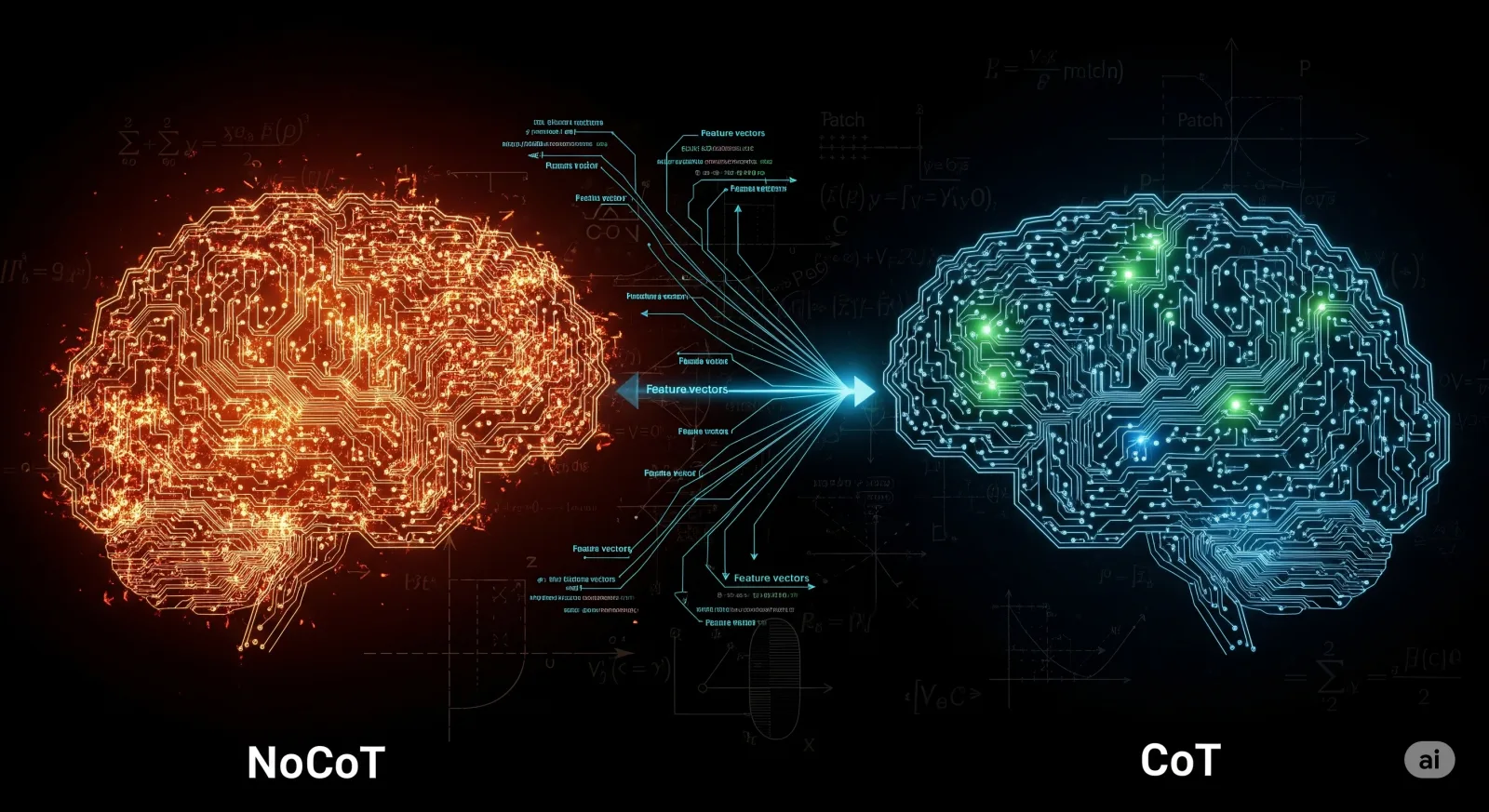
A mechanism-first reading of how chain-of-thought prompting reshapes internal model features, when it helps, and why smaller models may not benefit.
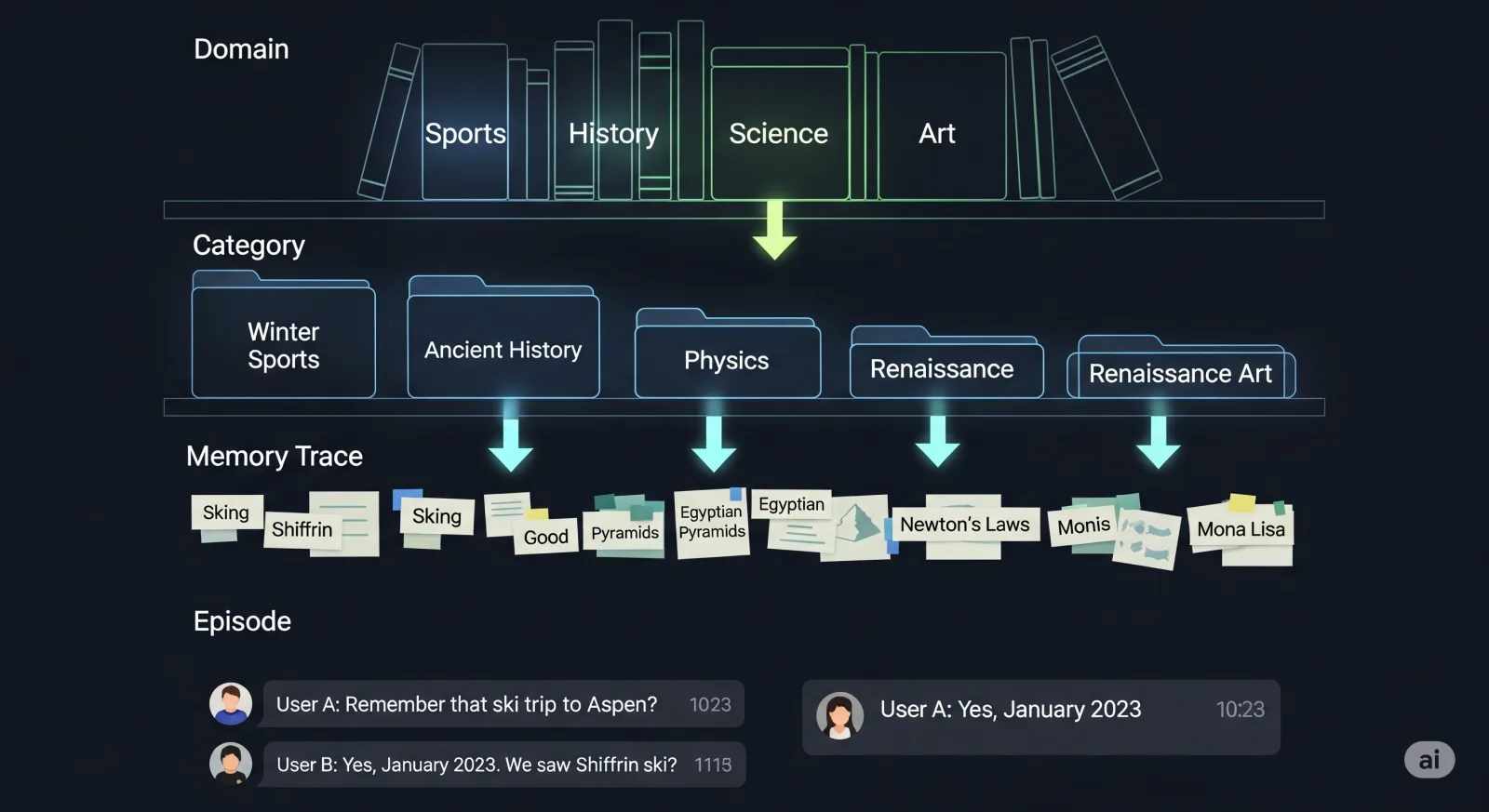
A practical reading of H-MEM, a hierarchical memory architecture that makes long-term LLM agents faster and more coherent by changing the shape of memory, not merely its size.

A mechanism-first look at how information bottleneck regularisation may help high-capacity asset pricing models forget noise without throwing away return-relevant structure.

A controlled pilot study shows why selecting an LLM for financial-report analysis requires multiple evaluation lenses, not a single leaderboard score.

A mechanism-first look at SiRA, the agent architecture that uses explicit world-model simulation to plan before acting.

A comparison-based reading of how different LLM agent types conform, polarize, or preserve dissent in synthetic forum discussions.

A mechanism-first reading of how gpt-4o-mini produces culturally decorated but structurally standardised stories, and what that means for organisations using LLMs in global communication.