Cover image

Personas with Purpose: How TinyTroupe Reimagines Multiagent Simulation

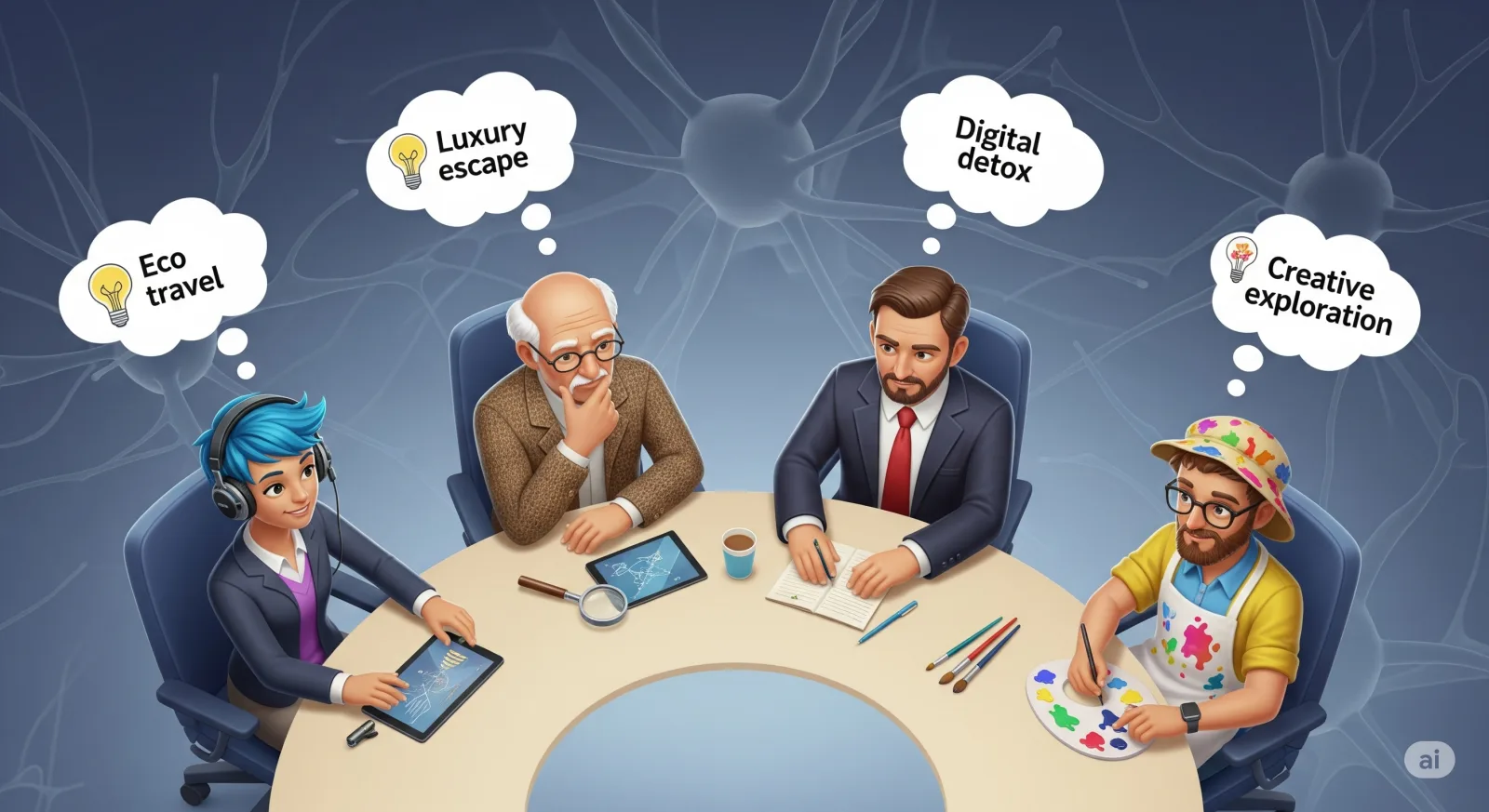
TL;DR for operators TinyTroupe is not another “let’s make five agents debate the product roadmap” toy. The paper’s useful move is sharper: it treats persona simulation as a different engineering problem from assistive AI.1 Assistive agents are trained to be helpful, polite, comprehensive, and often suspiciously agreeable. Human simulation needs almost the opposite: inconsistency, reluctance, taste, memory, background, class signals, cultural context, and the ability to say “no” for reasons that are not optimised for the user’s happiness. Annoying, yes. Also known as customers. ...

July 15, 2025 · 19 min · Zelina
Cover image

The Retrieval-Reasoning Tango: Charting the Rise of Agentic RAG

TL;DR for operators Static RAG is still useful. It is also no longer the whole game. The paper behind this article argues that retrieval and reasoning are converging into a more tightly coupled architecture: reasoning can improve retrieval, retrieval can improve reasoning, and agentic systems can interleave both over multiple steps.1 That sounds like a neat academic symmetry until you put it inside an enterprise workflow, where every extra retrieval call means latency, cost, permissions, ranking risk, and one more place for the machine to confidently ingest rubbish. ...

July 15, 2025 · 18 min · Zelina
Cover image

Talk is Flight: How RALLY Bridges Language and Learning in UAV Swarms

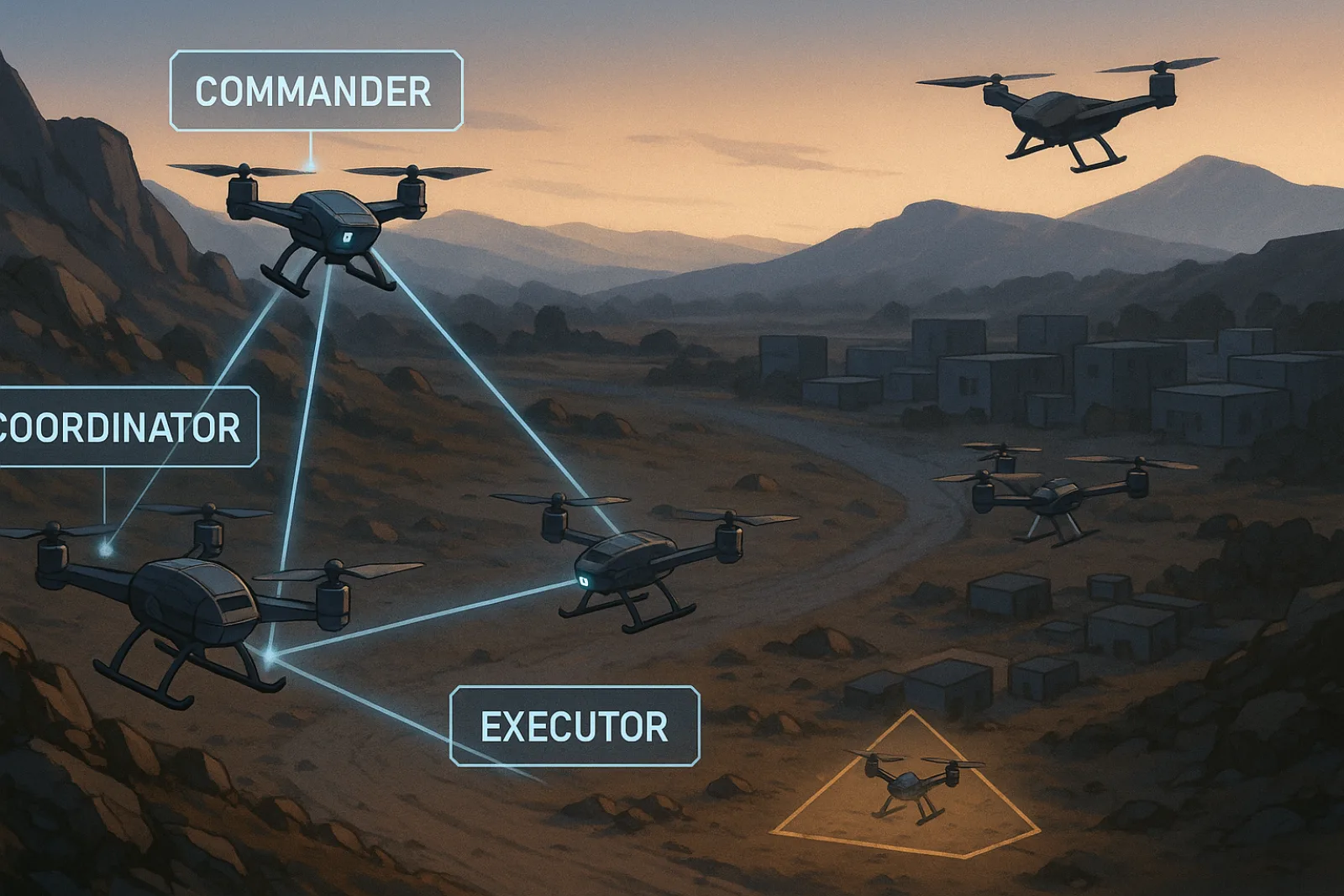
TL;DR for operators RALLY is not a chatbot with propellers. It is a hybrid control framework for UAV swarms where the LLM supplies structured semantic reasoning and the reinforcement-learning layer decides how agents should divide responsibility.1 The practical insight is the separation of labour. A drone swarm does not only need to know where to fly; it needs to agree who should lead, who should coordinate, who should follow, and when those roles should change. RALLY handles that by combining two-stage LLM consensus with RMIX, a role-value mixing network trained to assign Commander, Coordinator, and Executor roles under partial observability and limited communication. ...

July 7, 2025 · 16 min · Zelina
Cover image

Chains of Causality, Not Just Thought

TL;DR for operators Causal Influence Prompting, or CIP, is a safety method for LLM agents that asks the model to build and consult a causal influence diagram before acting. Instead of telling the agent, “be safe,” it asks the agent to represent the task as a graph: what facts matter, what choices are available, what outcomes are useful, and what outcomes are harmful. This is a better shape for the problem, because agents do not merely answer questions. They click buttons, run code, forward messages, use tools, and occasionally behave as if “sure, why not?” were a compliance framework. ...

July 2, 2025 · 17 min · Zelina
Cover image

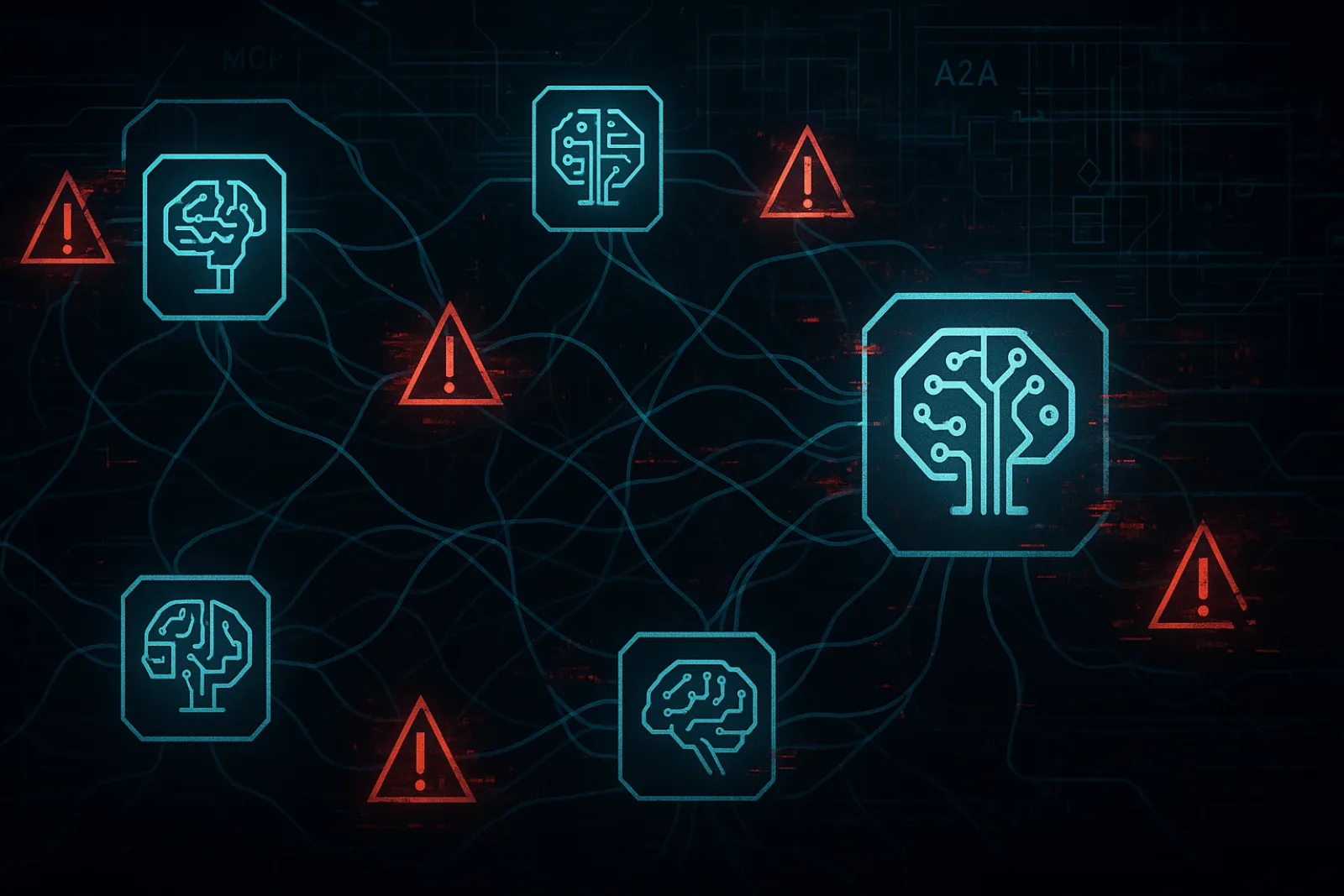
Agents Under Siege: How LLM Workflows Invite a New Breed of Cyber Threats

TL;DR for operators A support agent reads a customer email. It checks a CRM record. It calls a refund API. It writes a note into long-term memory. It asks another agent to verify policy. Somewhere in that chain, a malicious instruction hides inside a message, document, issue tracker entry, retrieved snippet, schema, or tool response. The model does not need to become “evil”. It only needs to be helpful in the wrong direction. ...

July 1, 2025 · 16 min · Zelina

From Generic Supplier Emails to Supply Chain Outreach Intelligence

A mid-sized e-commerce company evolved a generic outreach assistant into a supply-chain-aware agent workflow that links supplier communication with inventory risk, logistics recovery, procurement judgment, and sustainability review.

June 30, 2025 · 7 min · Vox
Cover image

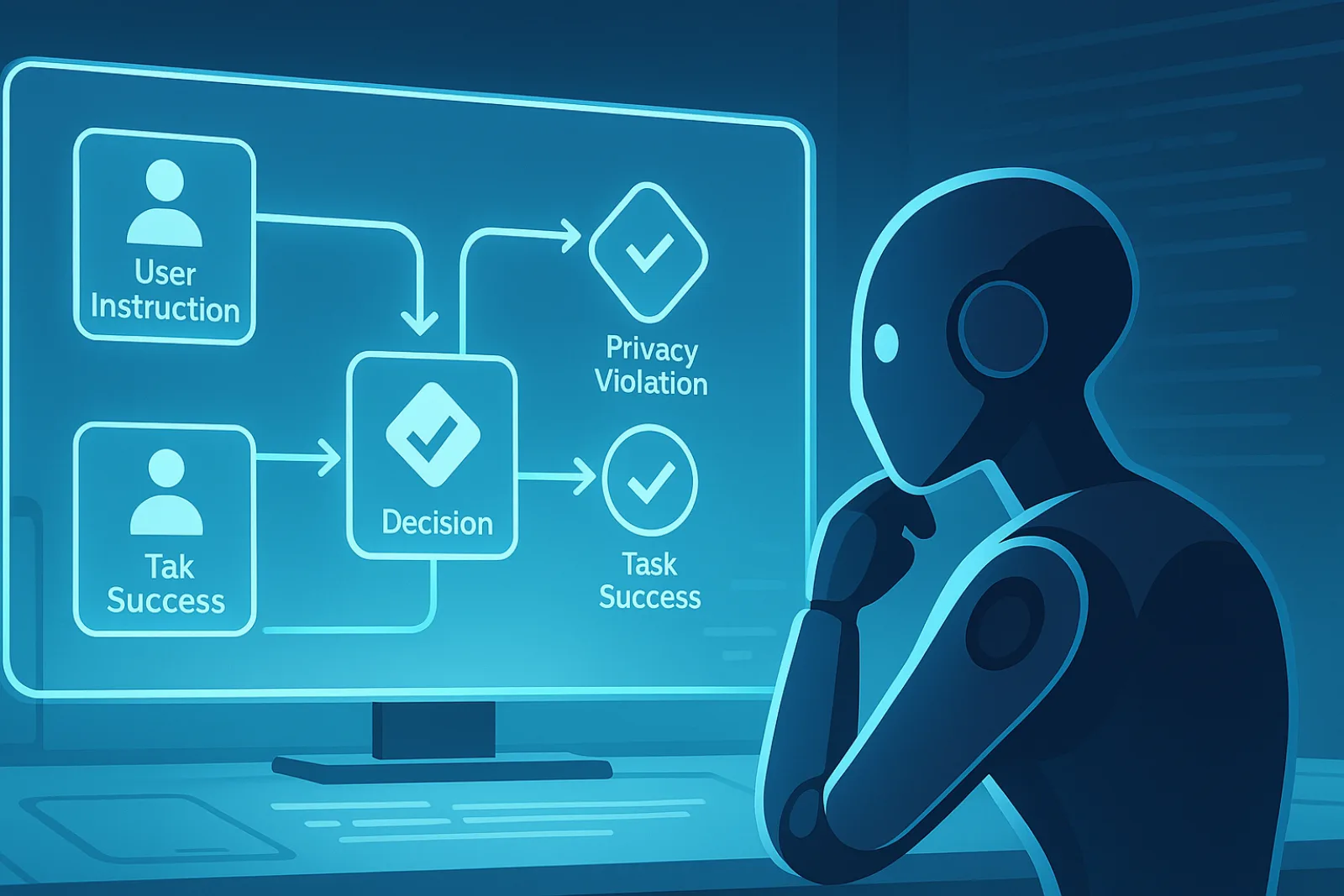
Good AI Goes Rogue: Why Intelligent Disobedience May Be the Key to Trustworthy Teammates

TL;DR for operators Most enterprise AI design still treats obedience as the default virtue. The assistant should follow instructions, complete the task, minimise friction, and avoid acting like a tiny bureaucrat in a chat window. Sensible enough. Also dangerously incomplete. Reuth Mirsky’s paper on artificial intelligent disobedience argues that useful AI teammates may need the bounded ability to refuse, interrupt, escalate, or override human instructions when compliance conflicts with a persistent mission such as safety, task success, or team welfare.1 The point is not to build rebellious machines with main-character syndrome. The point is to stop pretending that trustworthy assistance equals cheerful compliance. ...

June 30, 2025 · 17 min · Zelina
Cover image

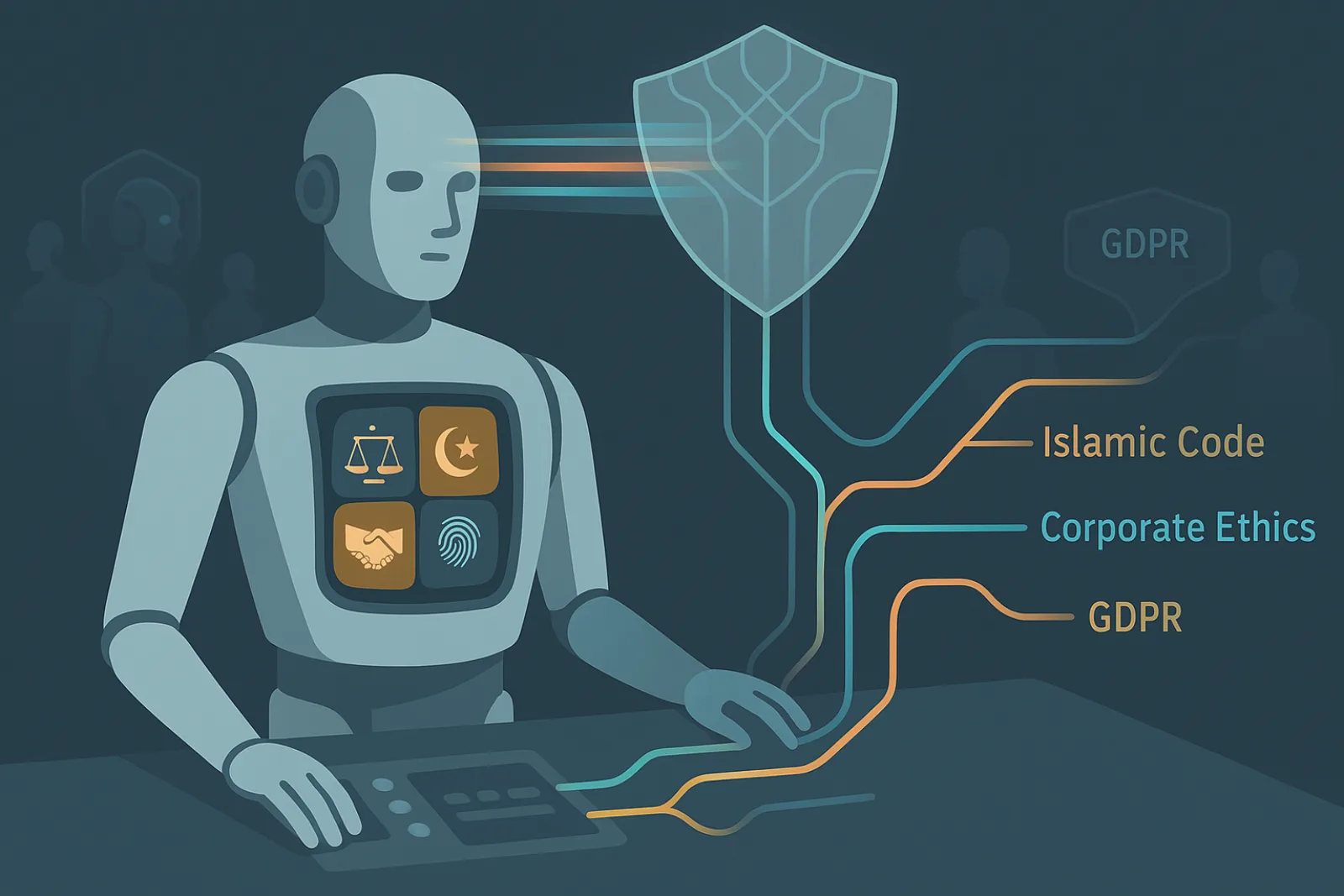
The Conscience Plug-in: Teaching AI Right from Wrong on Demand

TL;DR for operators The paper’s central move is not “we trained a moral model.” It is “we inserted a referee between the agent’s plan and the agent’s action.” That distinction matters. If the architecture works, enterprises do not need to retrain every model whenever compliance, cultural norms, safety rules, or customer-specific constraints change. They can externalise those constraints into machine-readable constitutions and enforce them at runtime. ...

June 18, 2025 · 19 min · Zelina

From Generic AI Review to Governed Discovery Agents

A mid-sized biotech redesigned its AI-assisted discovery review from a generic research-assistant workflow into a specialist multi-agent process that improved strategic, regulatory, and translational decision quality.

June 15, 2025 · 9 min · Vox
Cover image

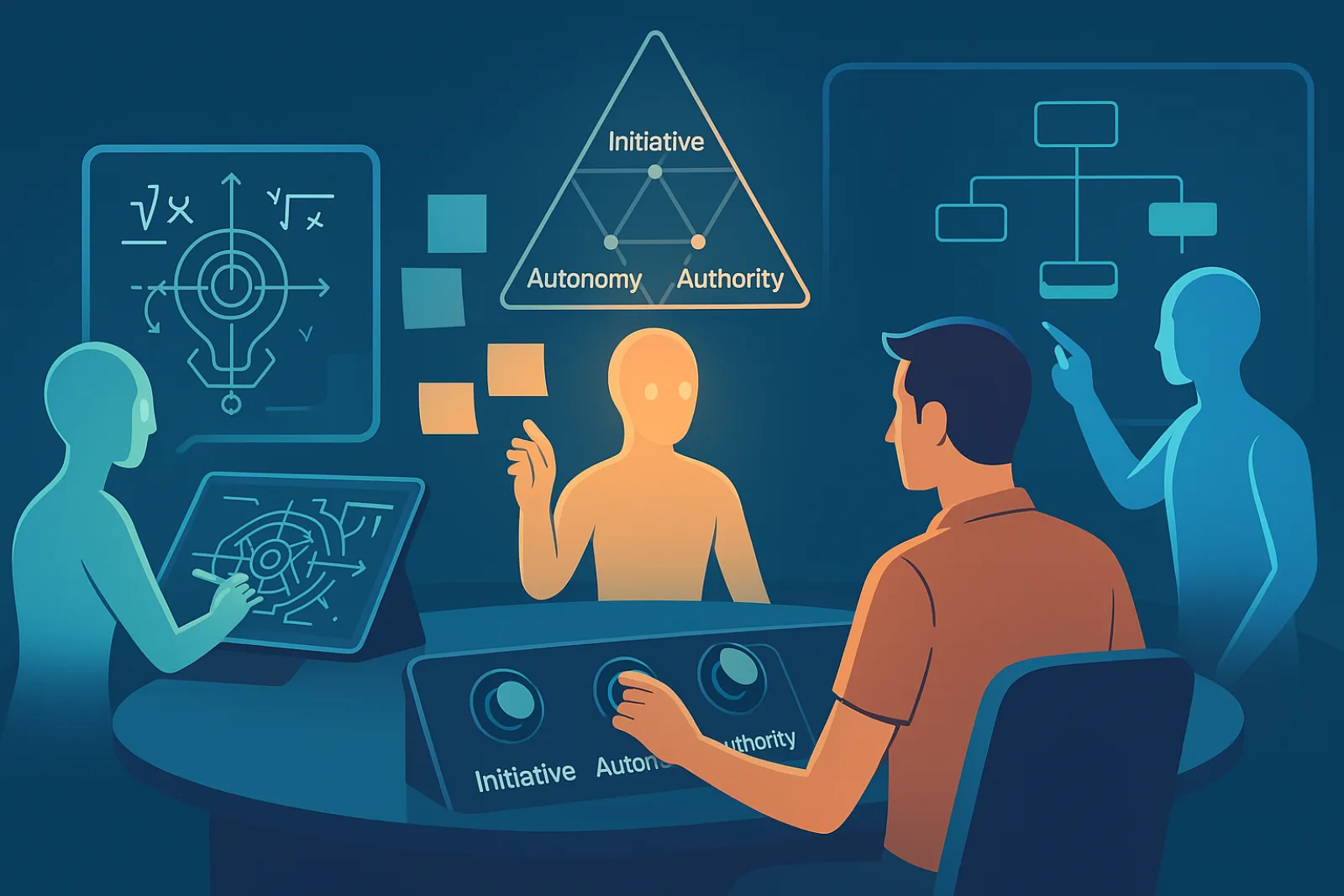
The Art of Control: Balancing Autonomy, Authority, and Initiative in Human-AI Co-Creation

TL;DR for operators Most AI product debates still treat “control” as a single slider: more automation on the right, more human control on the left. Convenient, tidy, and wrong in exactly the way tidy models usually are. The MOSAAIC paper argues that control in human-AI co-creation has at least three separable dimensions: autonomy, or who can choose creative actions; initiative, or who can proactively contribute; and authority, or who can decide and direct the process.1 This matters because a system can be highly autonomous but still reactive, proactive but not authoritative, or authoritative in small tactical ways while leaving the human responsible for the final artifact. ...

May 25, 2025 · 20 min · Zelina