
Tool Up or Tap Out: How Multi-TAG Elevates Math Reasoning with Smarter LLM Workflows
Multi-TAG shows that better LLM reasoning comes from structured tool arbitration, not merely from adding another calculator to the prompt.
Multi-TAG shows that better LLM reasoning comes from structured tool arbitration, not merely from adding another calculator to the prompt.

A mechanism-first reading of when extremely heavy-tailed risks can make diversification more dangerous than concentrated exposure.

A mechanism-first look at how Time Deep Gradient Flow adapts neural PDE solvers to American-option pricing, and where the speed claim is genuinely useful.

DriftMoE reframes concept drift as a routing problem, showing how lightweight expert allocation can compete with heavier adaptive ensembles while exposing a sharp weakness on imbalanced streams.

A mechanism-first reading of EFS, an LLM-guided evolutionary framework that turns sparse portfolio optimisation into adaptive alpha-factor search.

A practical reading of gsaot, the R package that turns Optimal Transport-based sensitivity analysis into a usable workflow for correlated inputs, multivariate outputs, and existing simulation datasets.

A clear operator’s reading of OmniTrain’s unified training recipe for open-vocabulary detection, where the value is less model sprawl and more diagnosable training.

A mechanism-first reading of how multiscale stochastic volatility changes optimal trading speed, target inventory, and the practical value of tractable execution rules.
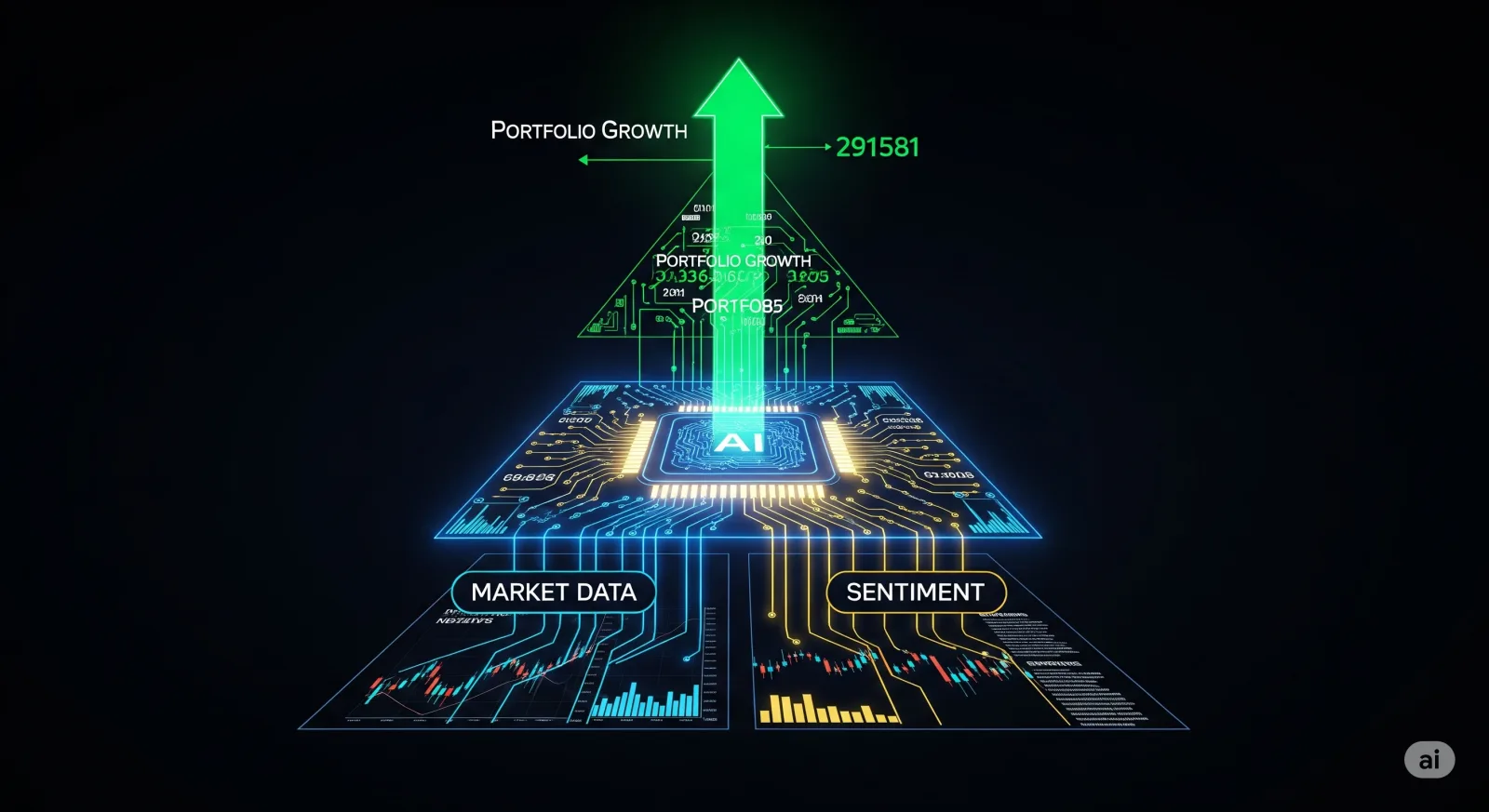
A mechanism-first reading of HARLF, a hierarchical reinforcement-learning portfolio system that combines market metrics and FinBERT sentiment while leaving important deployment questions unresolved.
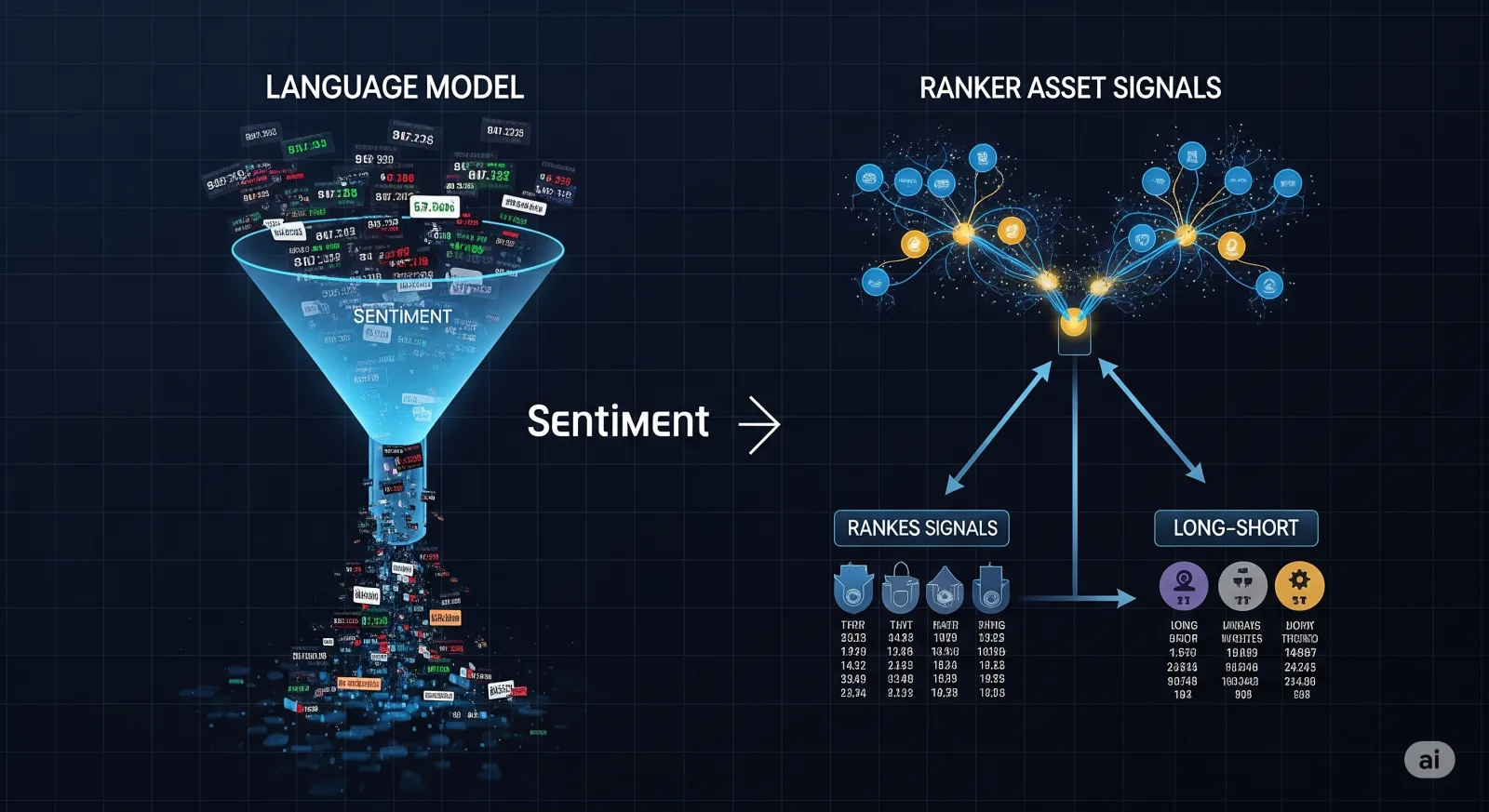
FinDPO shows how preference alignment can turn financial sentiment classification into more resilient portfolio signals, while leaving the usual live-trading dragons very much alive.