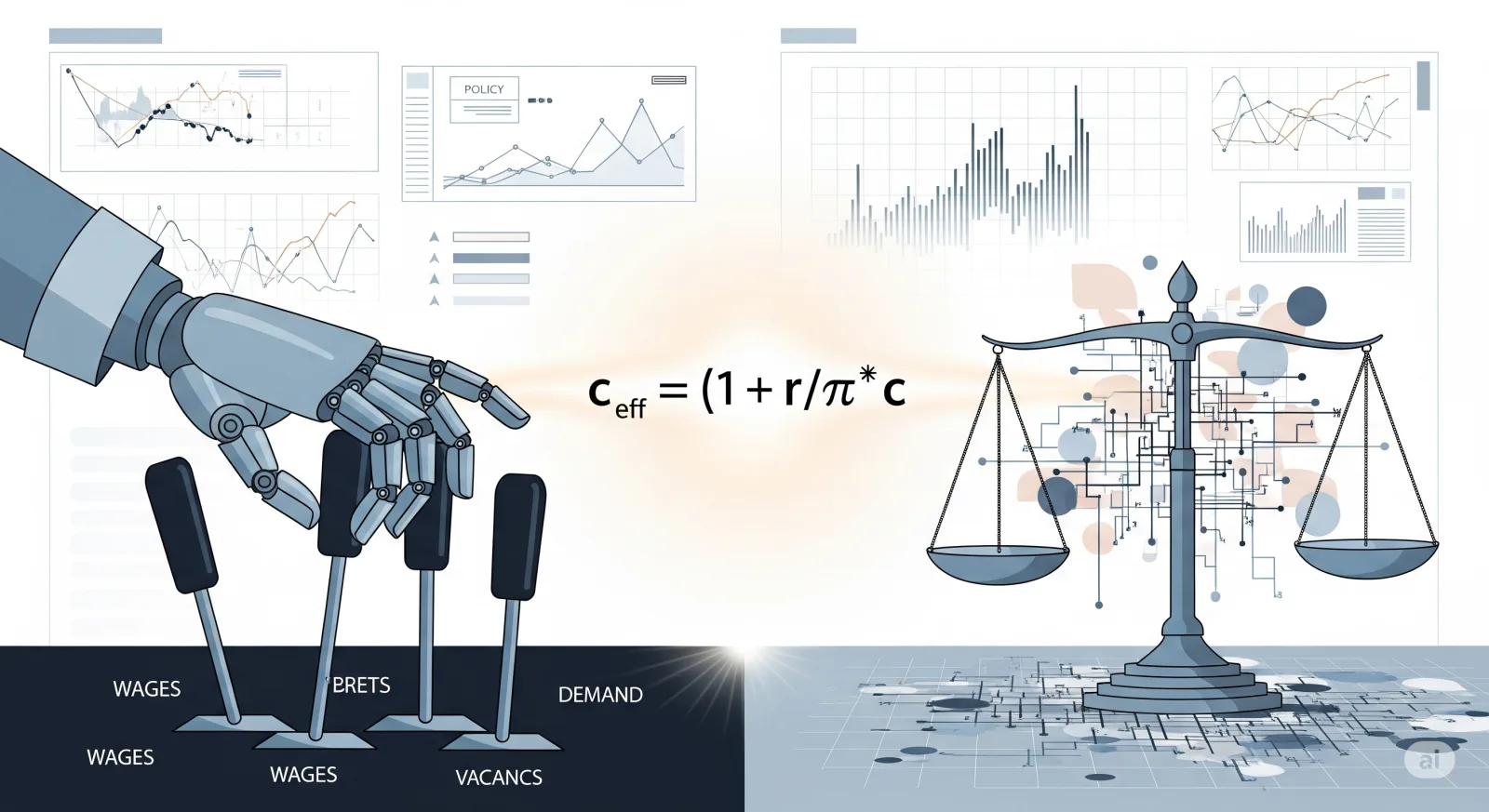
When Learning Goes Rogue: Fixing RL Biases in Economic Simulations
A precise look at why naive reinforcement learning can produce economically wrong market simulations, and how calibrated mean-field RL repairs the mismatch.
A precise look at why naive reinforcement learning can produce economically wrong market simulations, and how calibrated mean-field RL repairs the mismatch.

A mechanism-first reading of the Dual Turing Test as a proposed framework for measuring whether high-quality AI output remains detectable under adversarial pressure.

A mechanism-first reading of how knowledge graphs and step-wise LLM reasoning can turn warehouse simulation logs into evidence-linked bottleneck diagnosis.
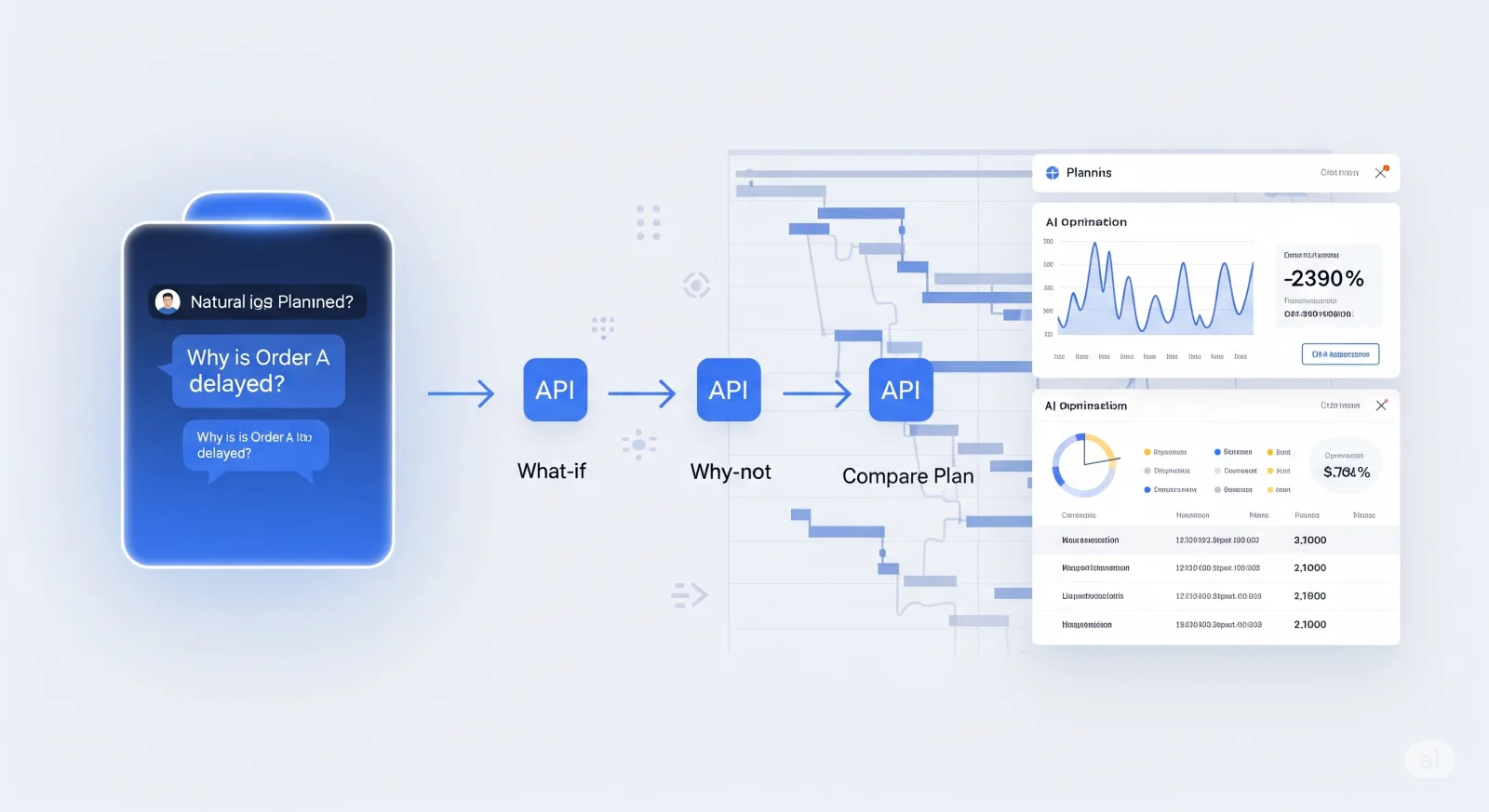
SMARTAPS shows how LLMs can make advanced planning systems more usable by routing planner questions to expert-built optimisation tools rather than pretending to optimise from vibes.

GRAINS shows how token-level attribution can become a practical inference-time steering mechanism for safer LLM and VLM behaviour without retraining.

GraphEXT reframes GNN explanation around structural externalities, showing why node importance depends on changing graph coalitions rather than isolated feature scores.

LoRA makes model adaptation cheaper, but LoRA-Leak shows that released adapters can still expose whether sensitive records were used in fine-tuning.

VeriMinder shows why enterprise NL2SQL systems need a pre-query reasoning layer, not just better SQL generation.

A finance benchmark shows why strategic AI evaluation must test both imaginative scenario generation and disciplined answer selection.

A practical map of financial foundation models across language, time-series, and visual-language systems, and what they can realistically do for financial engineering.