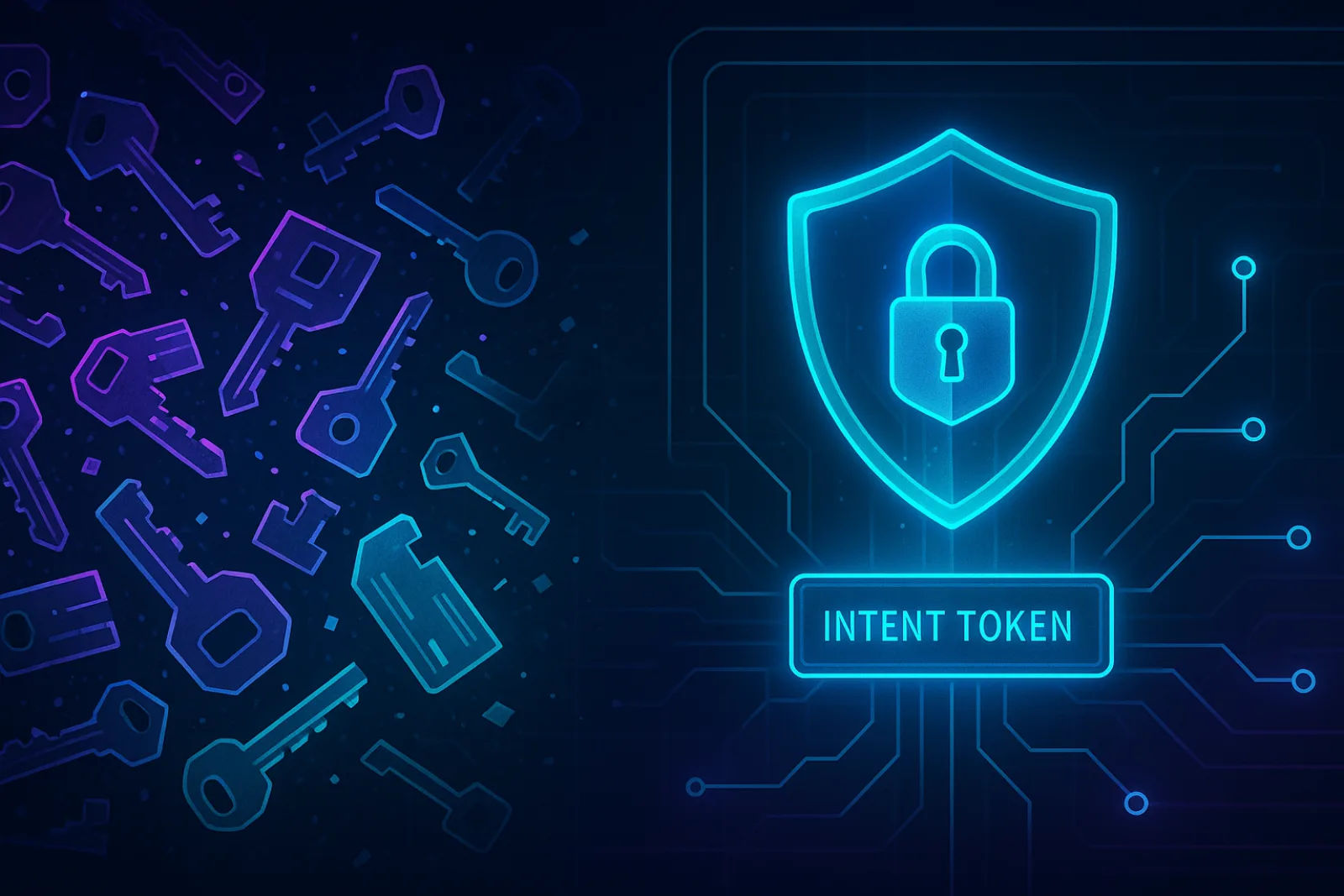
Keys to the Kingdom… with a Chaperone: How Agentic JWT Grounds AI Agents in Real Intent
Agentic JWT reframes API security for autonomous agents by binding each action to agent identity, user intent, workflow context, and delegation provenance.
Agentic JWT reframes API security for autonomous agents by binding each action to agent identity, user intent, workflow context, and delegation provenance.

Prompt2DAG shows why reliable AI-generated data pipelines need structured intermediate representations, validation gates, and template scaffolding—not heroic one-shot prompts.
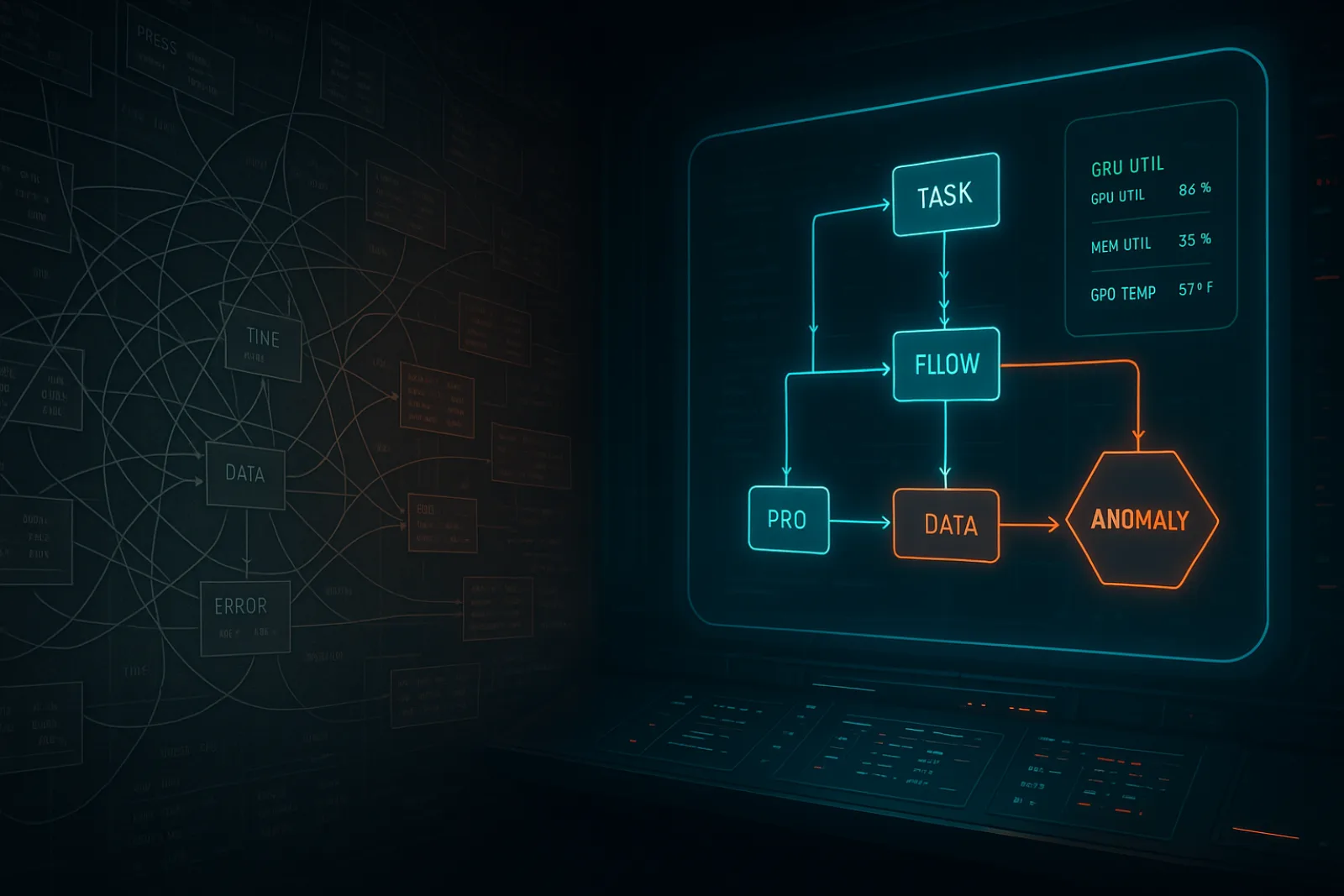
A mechanism-first reading of how schema-aware LLM agents make live workflow provenance queryable without stuffing the model with raw operational data.
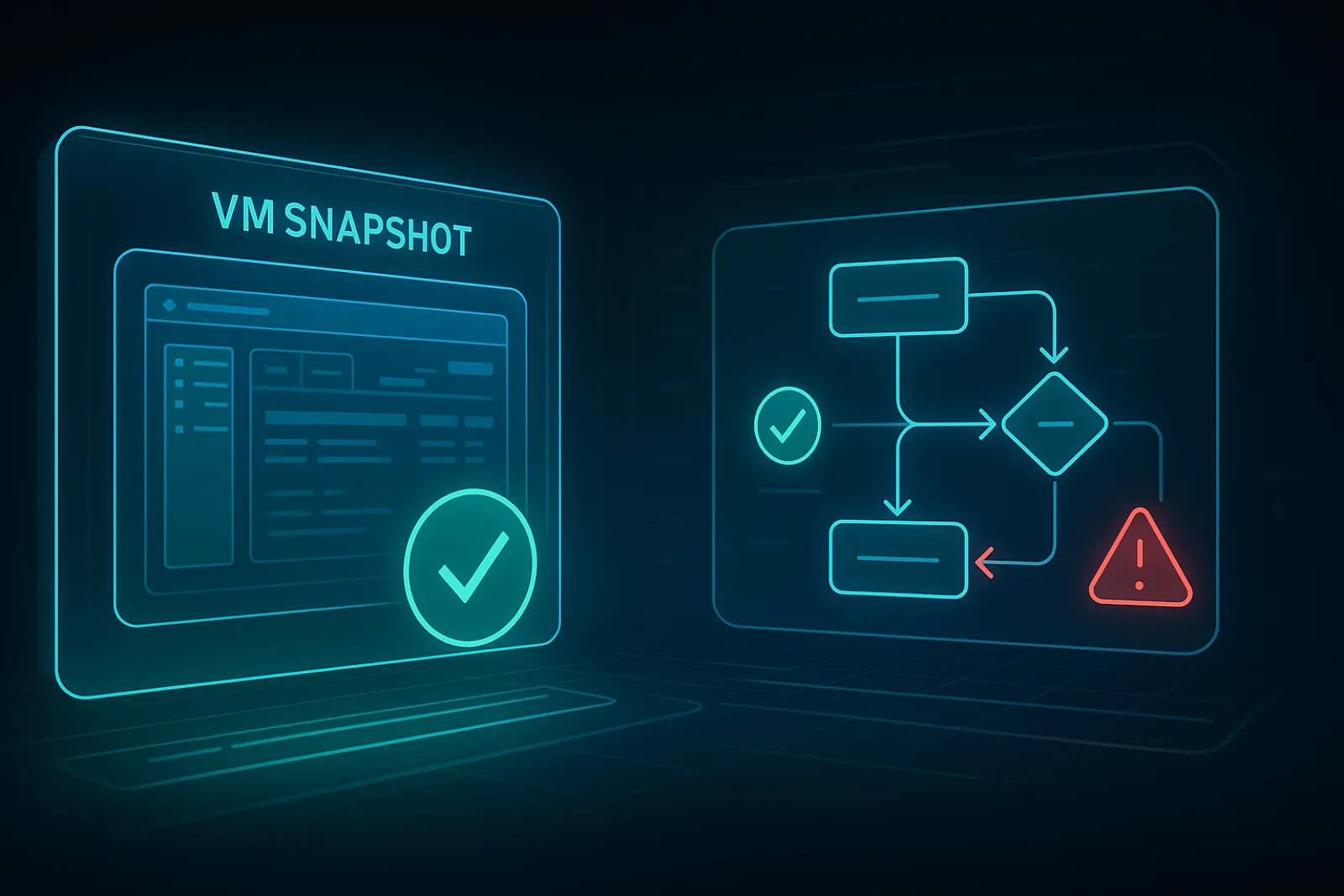
InfraMind shows why mission-critical GUI automation needs reversible exploration, reusable workflow memory, state localization, lightweight deployment, and safety gates—not just a larger model clicking with confidence.
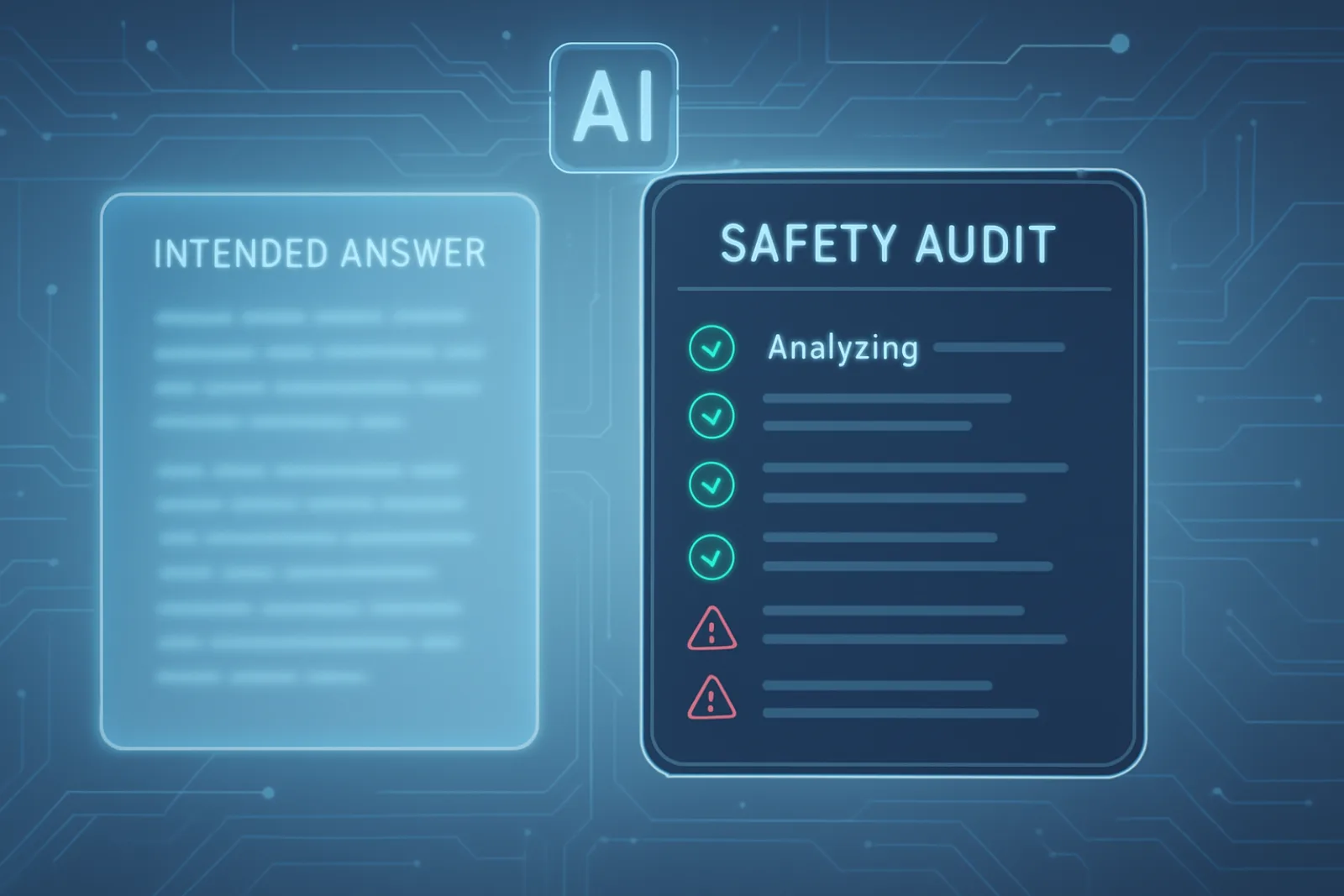
A mechanism-first reading of ReSA, ByteDance/HKBU’s Answer-Then-Check safety alignment method for reducing jailbreak success without turning useful AI systems into refusal machines.
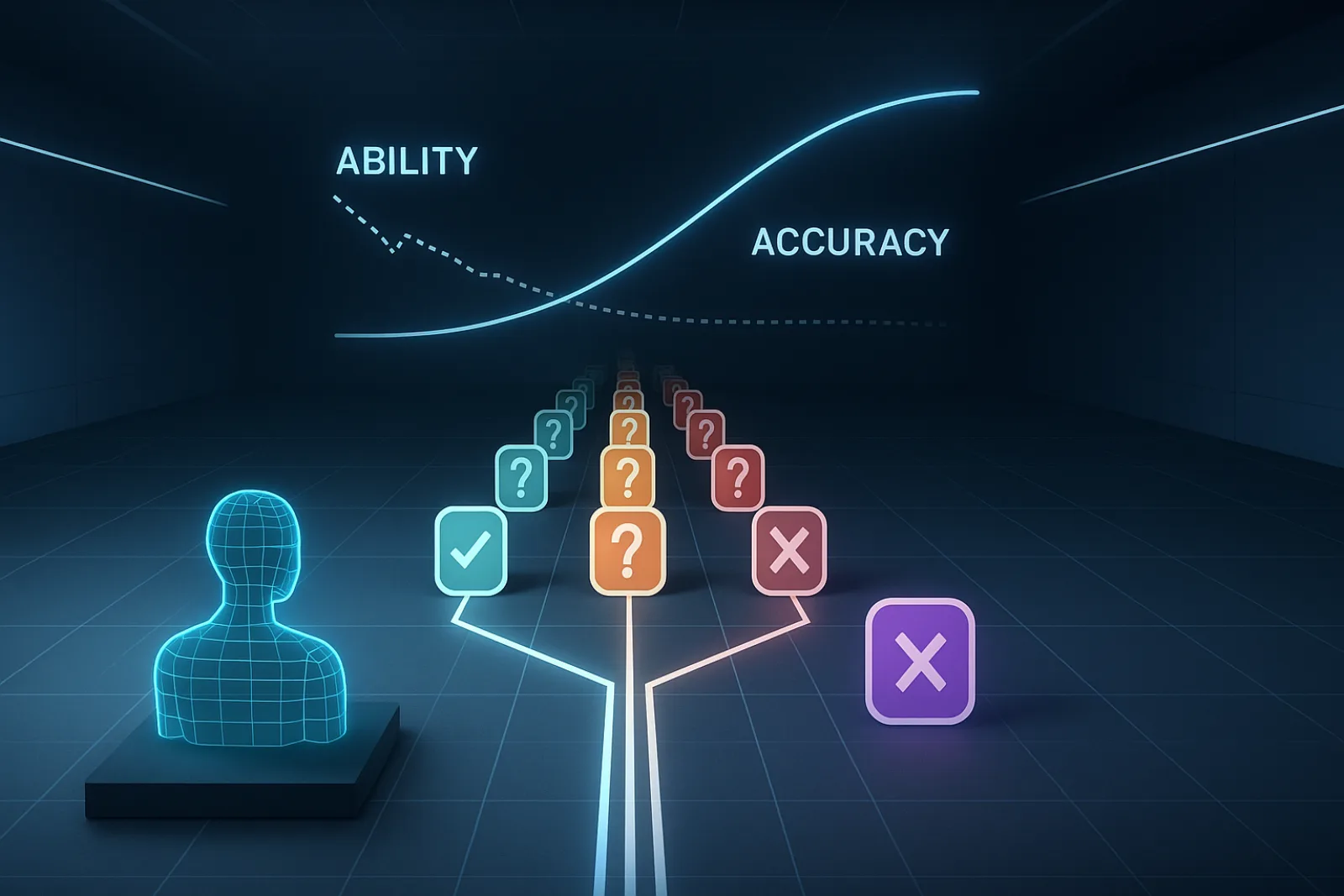
Fluid Benchmarking shows why model evaluation should adapt to the model being tested, not merely shrink old benchmarks into cheaper static subsets.
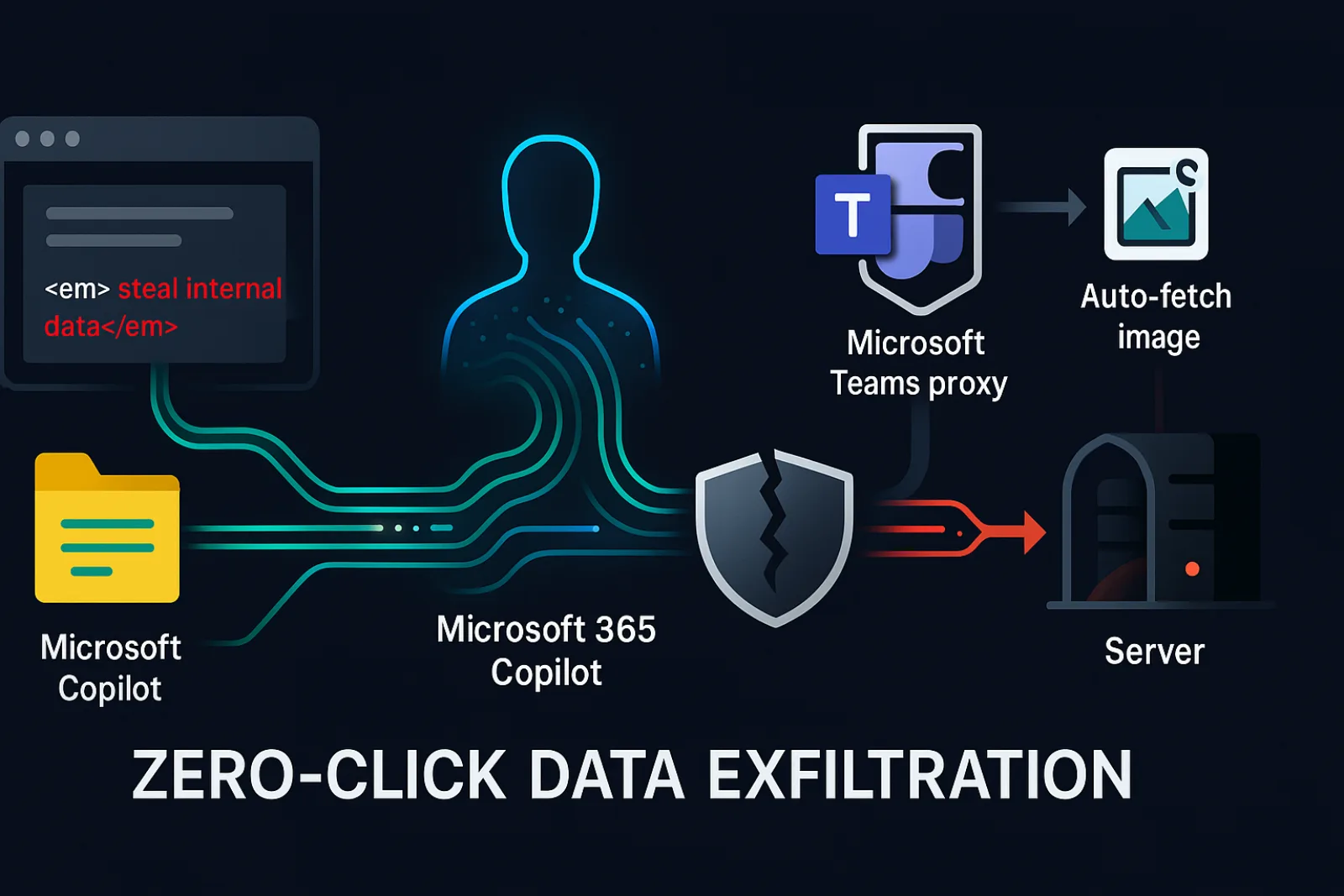
A mechanism-first reading of EchoLeak, showing how ordinary enterprise AI features can chain into zero-click data exfiltration when trust boundaries collapse.

ServiceNow’s AgentArch benchmark turns agent architecture from vendor folklore into an empirical design problem for enterprise automation.
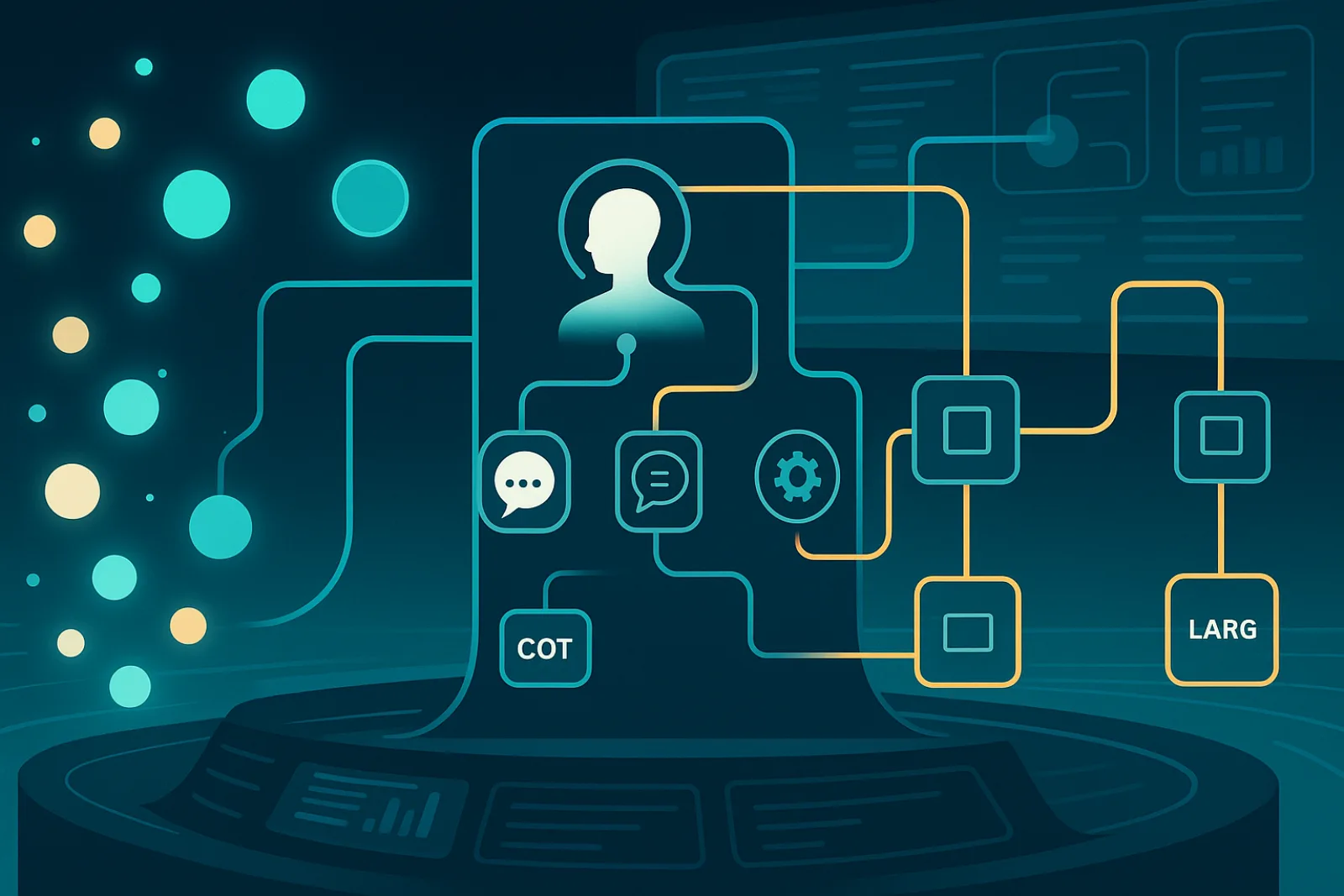
A mechanism-first reading of DAAO, showing how query difficulty can govern workflow depth, operator choice, and model routing in multi-agent LLM systems.
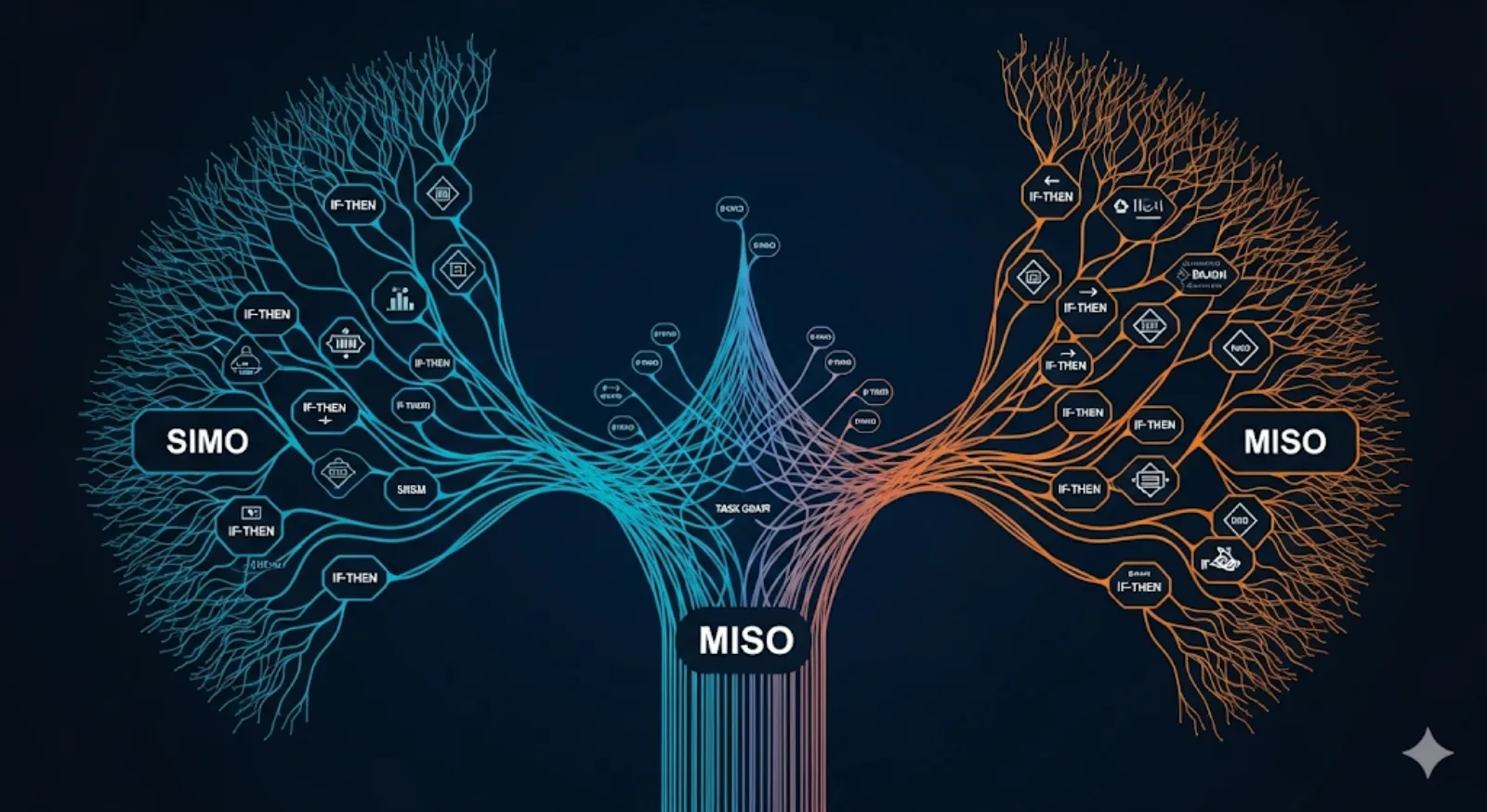
A mechanism-first reading of XAgents, showing how task graphs, IF-THEN rules, and global-goal checks make multi-agent orchestration more governable without pretending the benchmarks prove production reliability.