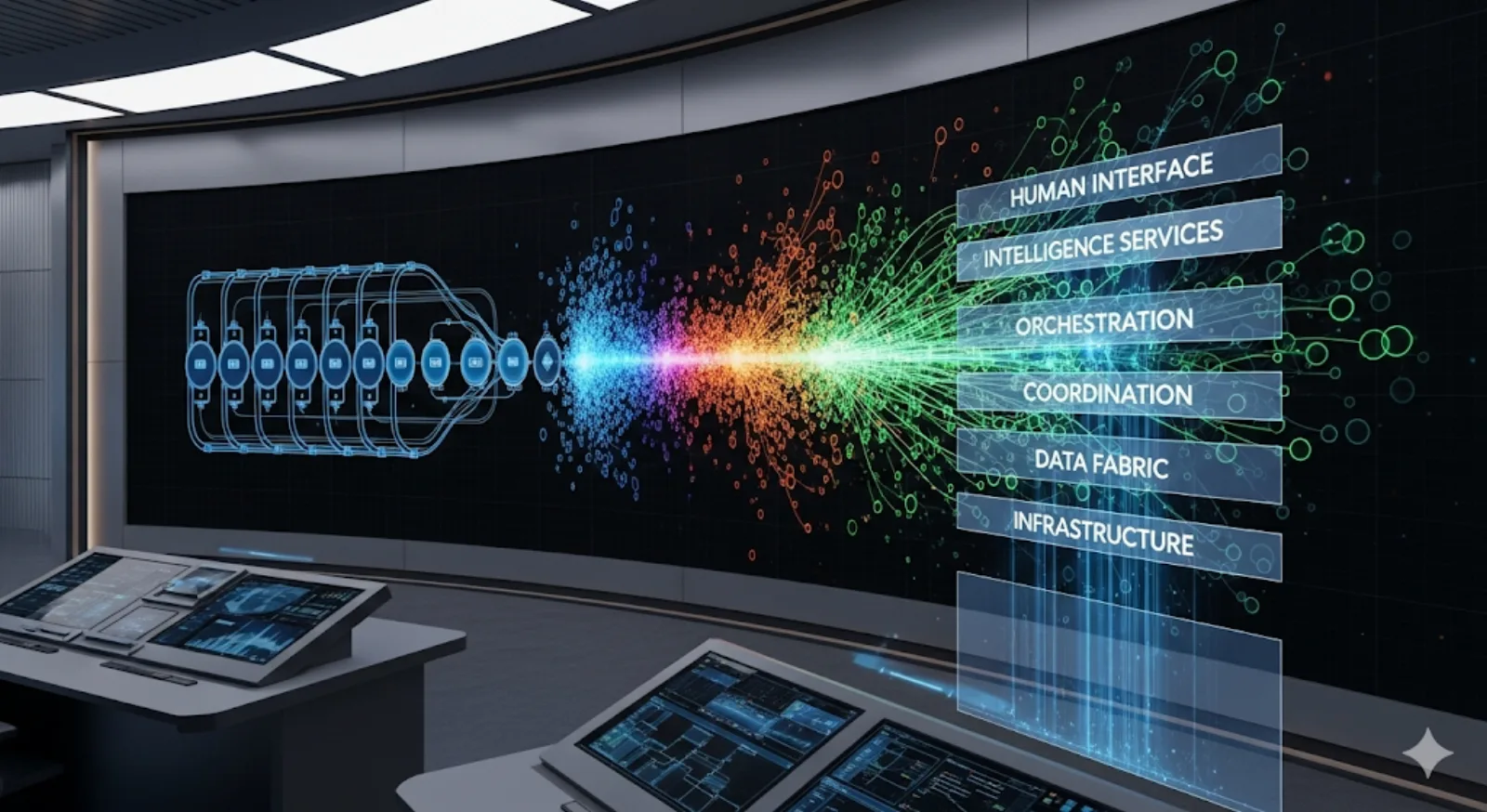
From DAGs to Swarms: The Quiet Revolution of Agentic Workflows
A mechanism-first reading of how scientific workflows may evolve from static DAGs into federated, agentic discovery systems without throwing away two decades of infrastructure.
A mechanism-first reading of how scientific workflows may evolve from static DAGs into federated, agentic discovery systems without throwing away two decades of infrastructure.
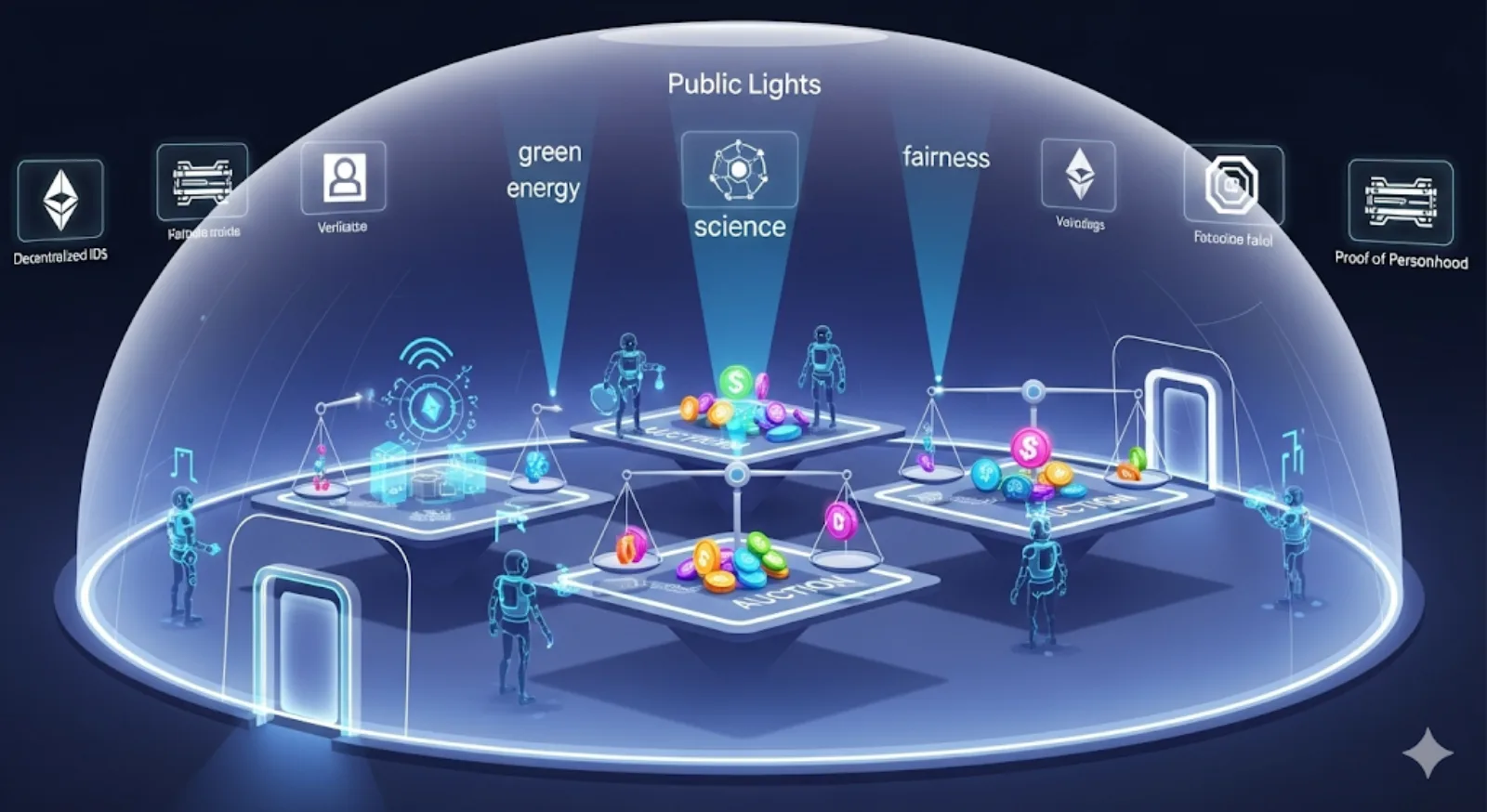
DeepMind’s Virtual Agent Economies reframes agent orchestration as market infrastructure: pricing, identity, oversight, and controlled permeability.
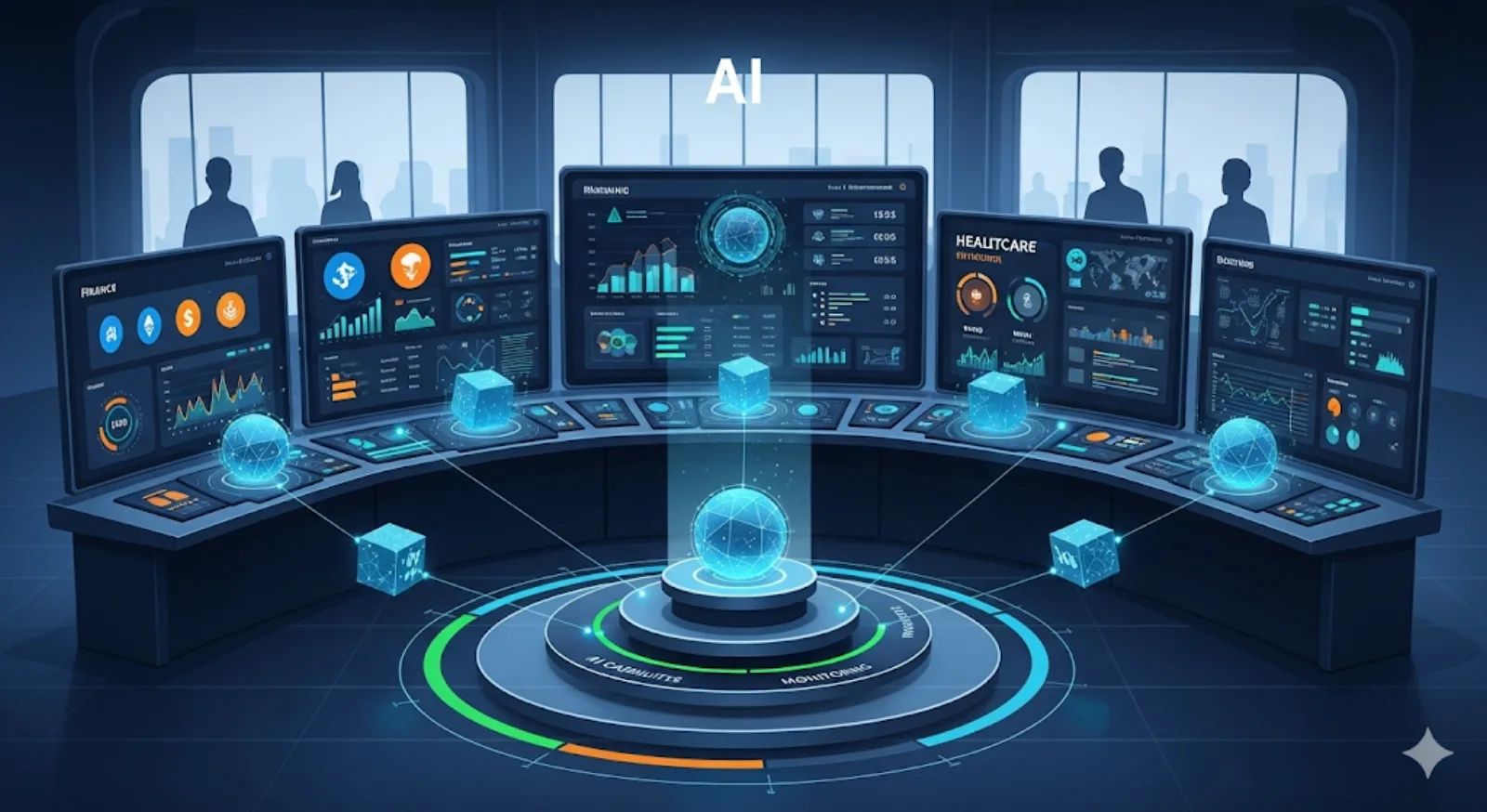
A mechanism-first guide to why autonomous AI agents move ethics from answer quality to accountable action, and what businesses should do before deployment.
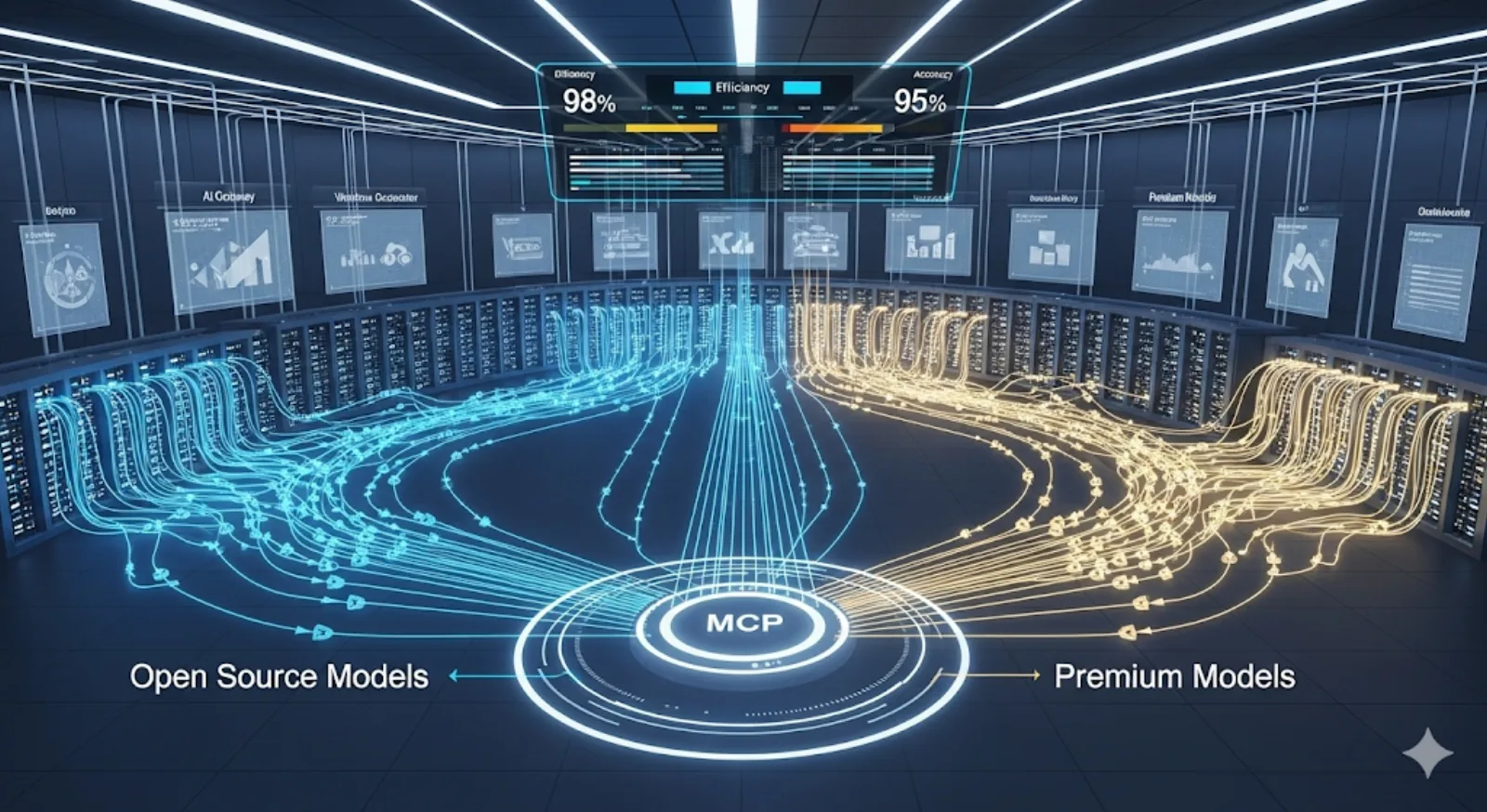
MCP-AgentBench shows that protocol compliance is not agent competence: model choice, orchestration style, tool-use discipline, and token economics decide whether MCP agents actually work.
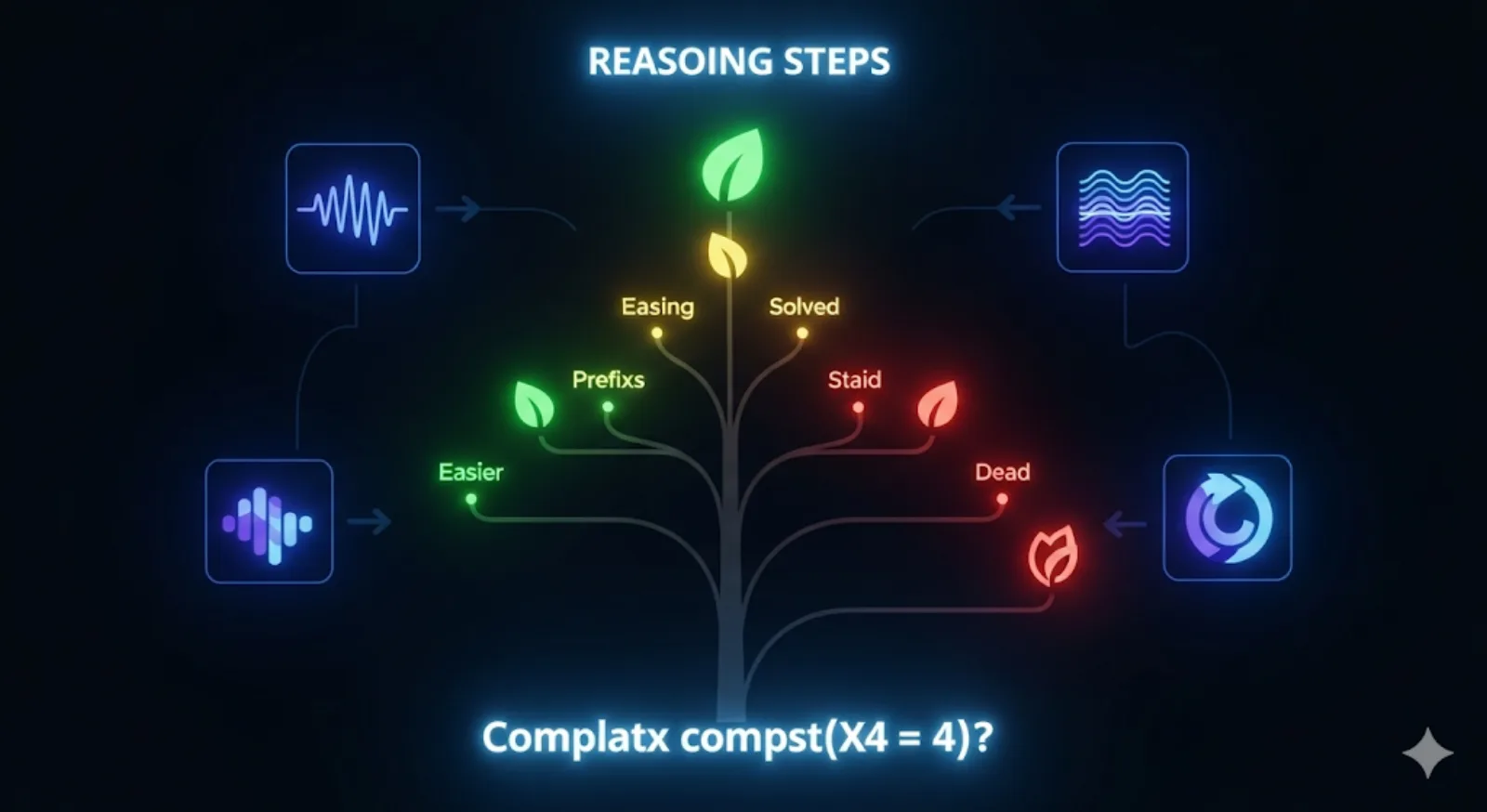
Tree-OPO shows how offline MCTS reasoning traces can become a structured RL curriculum, but its real lesson is about prefix-aware credit assignment, not benchmark theatre.
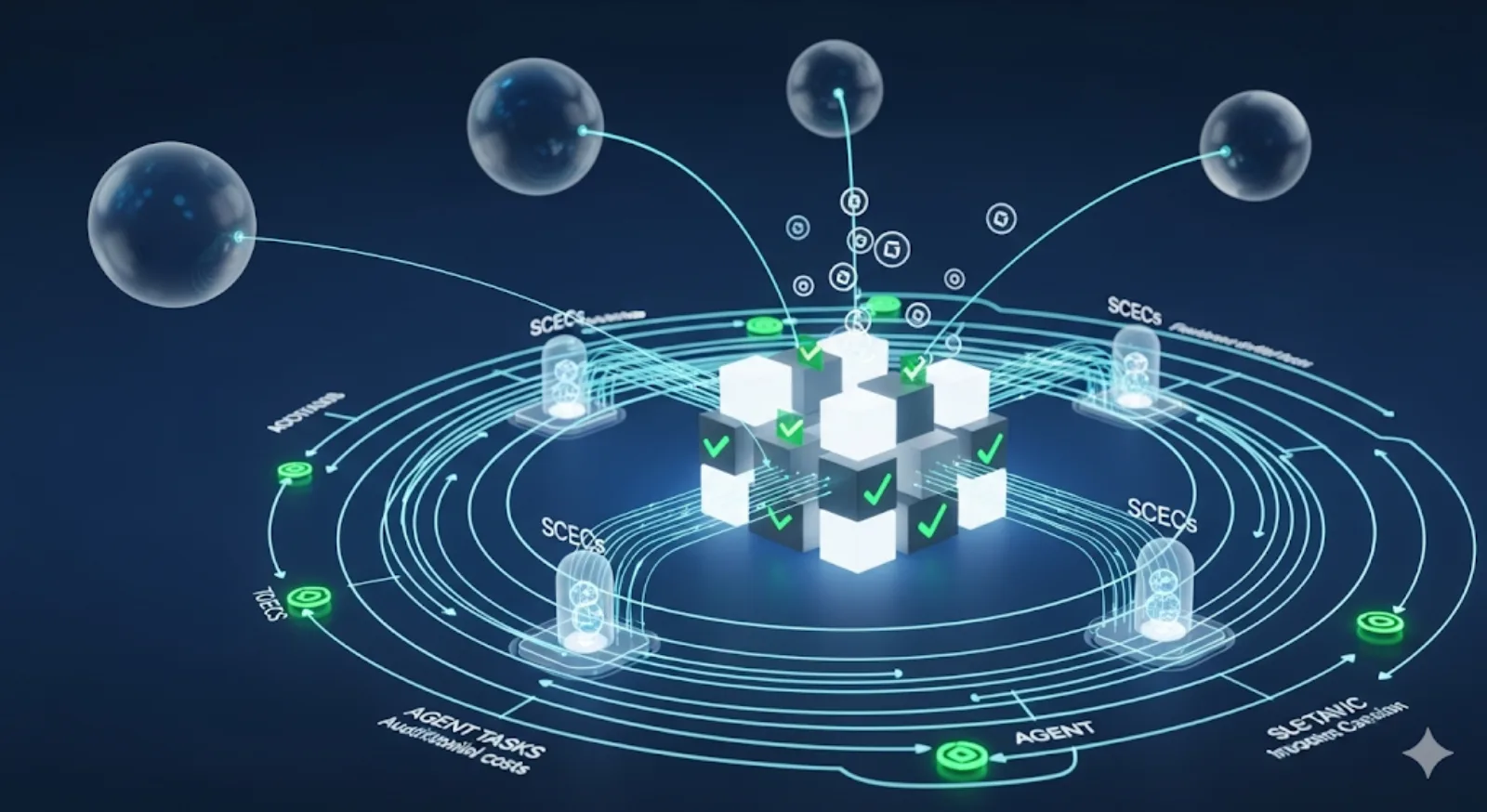
SEDM reframes agent memory as an auditable lifecycle: verify before storing, schedule before retrieving, consolidate before scaling, and revalidate before transfer.
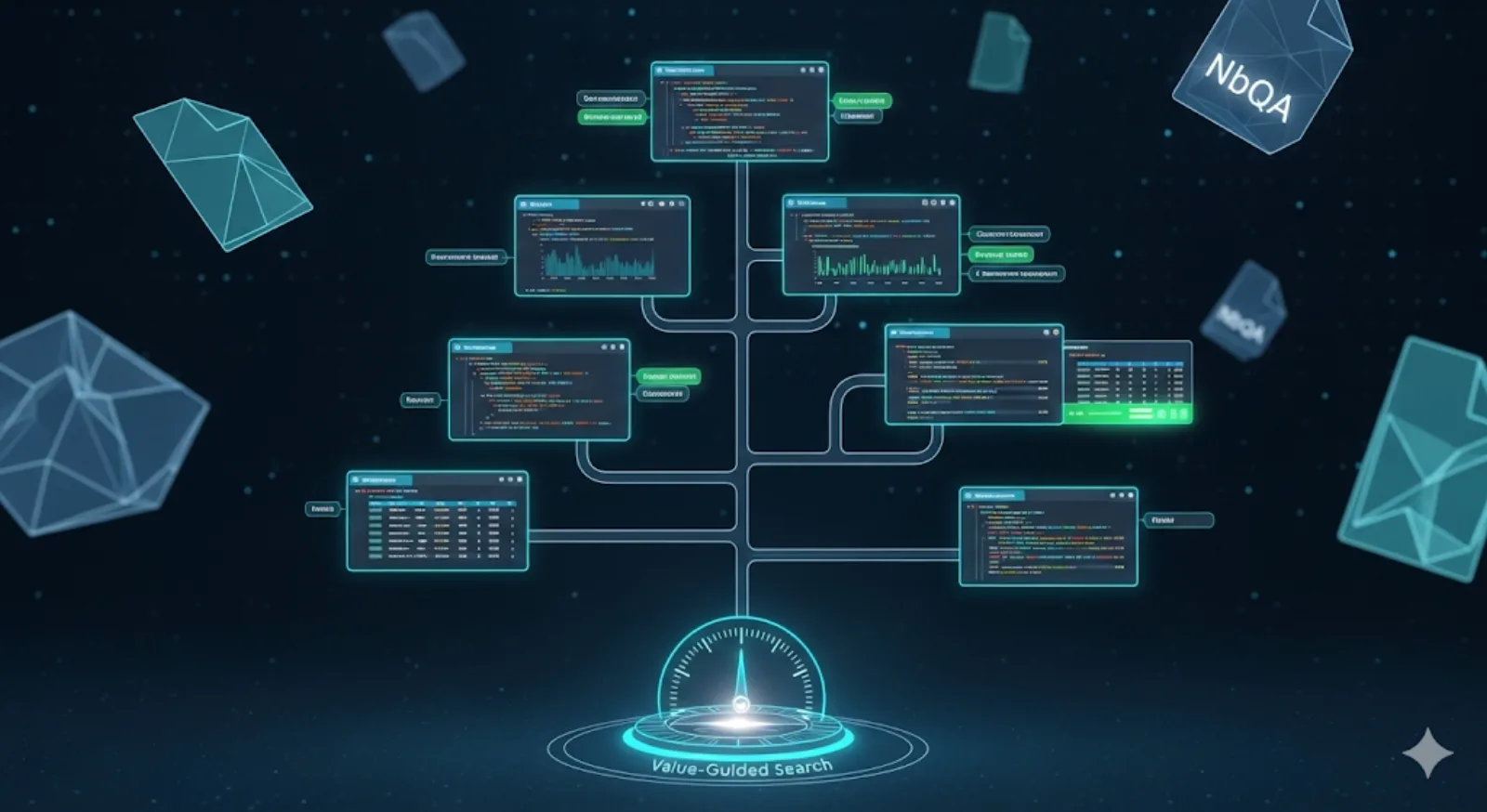
JUPITER shows how real notebook traces and value-guided search can make smaller open models more reliable at multi-step data analysis.

A controlled long-horizon execution study shows why small per-step reliability gains can create large business value—and why agents need execution architecture, not just clever prompts.
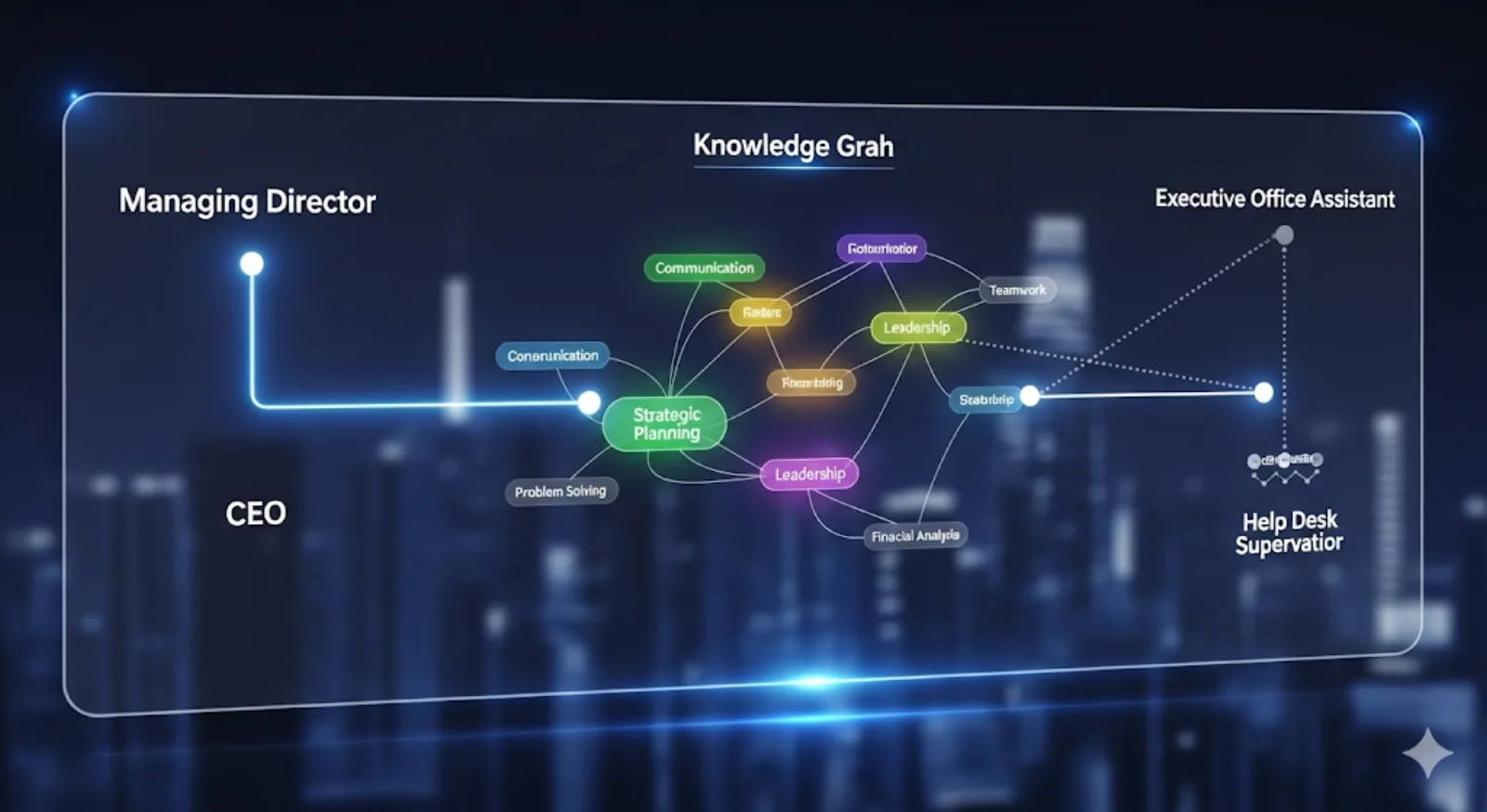
A mechanism-first reading of how self-supervised sentence embeddings and skill knowledge graphs make job-title matching more explainable without pretending the graph wins everywhere.
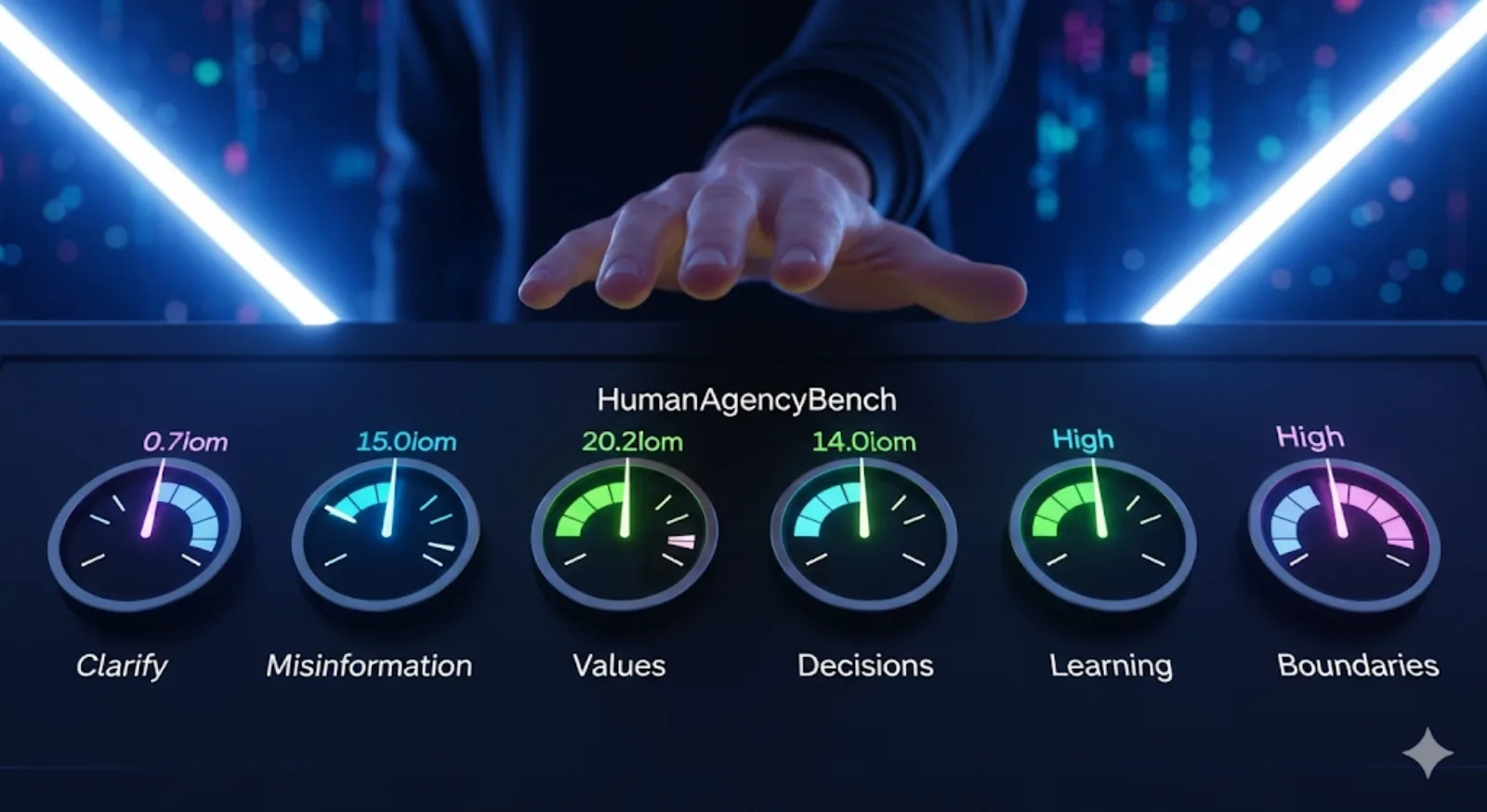
HumanAgencyBench turns the fuzzy idea of user empowerment into six testable assistant behaviours—and shows why helpfulness is not the same as agency support.