Cover image

One Model to Train Them All: How OmniTrain Rethinks Open-Vocabulary Detection

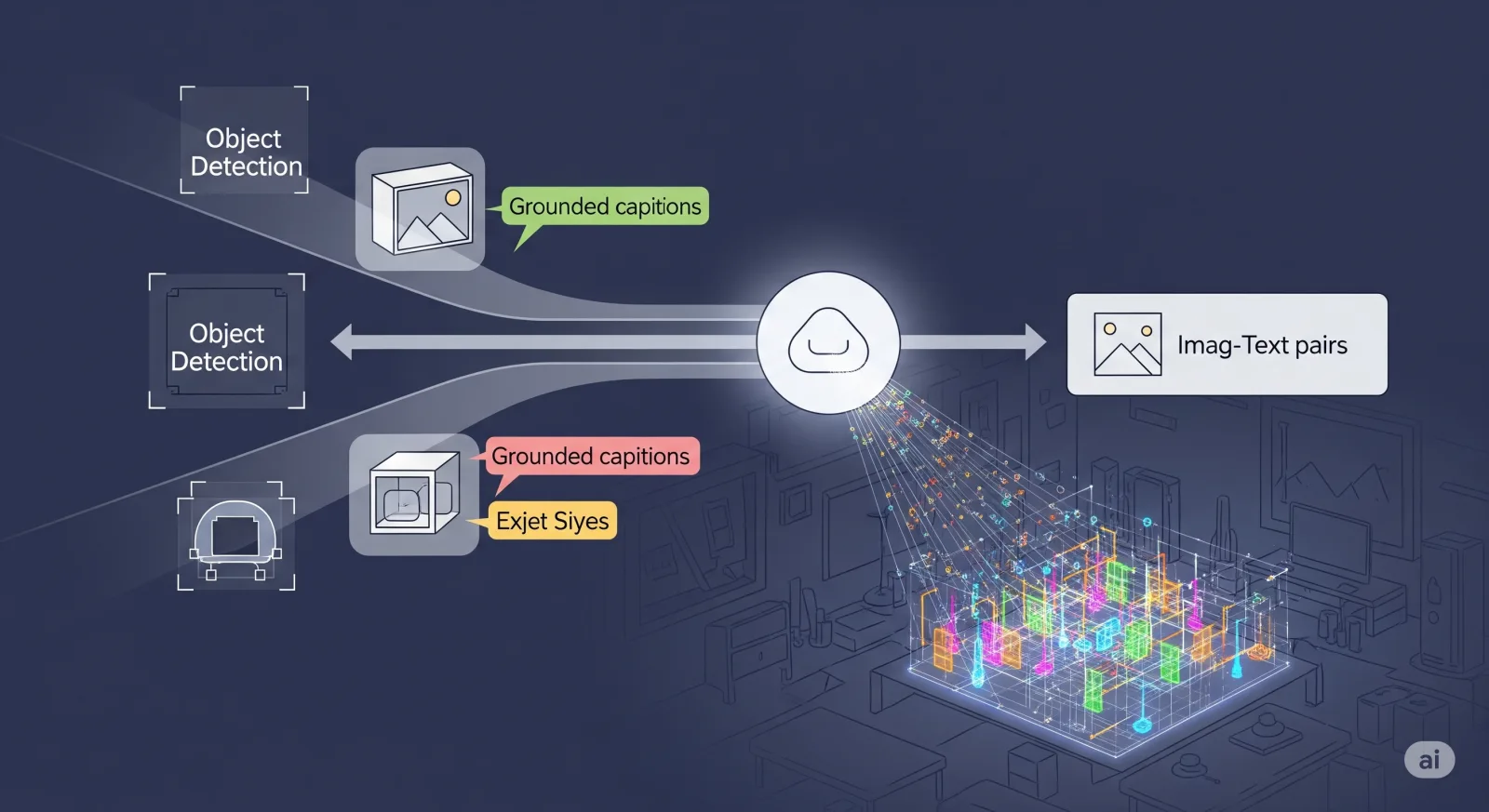
TL;DR for operators OmniTrain’s useful claim is not that open-vocabulary object detection needs a bigger vocabulary, a more theatrical prompt, or yet another detection head with a confident acronym stapled to it. Its claim is simpler and more operational: the training interface is the bottleneck.1 Open-vocabulary detection asks a detector to find categories it may not have seen as boxed labels during training. That promise is attractive for retail shelves, industrial inspection, visual search, robotics, and any business where the object list changes faster than the annotation budget. But many systems still inherit a messy workflow: pre-train a vision-language model, fine-tune a detector, add grounding supervision, reconcile losses, then hope the pieces do not quietly disagree. ...

July 27, 2025 · 13 min · Zelina
Cover image

Tunnel Vision: Why Vision-Language Models Still Miss the Bigger Picture

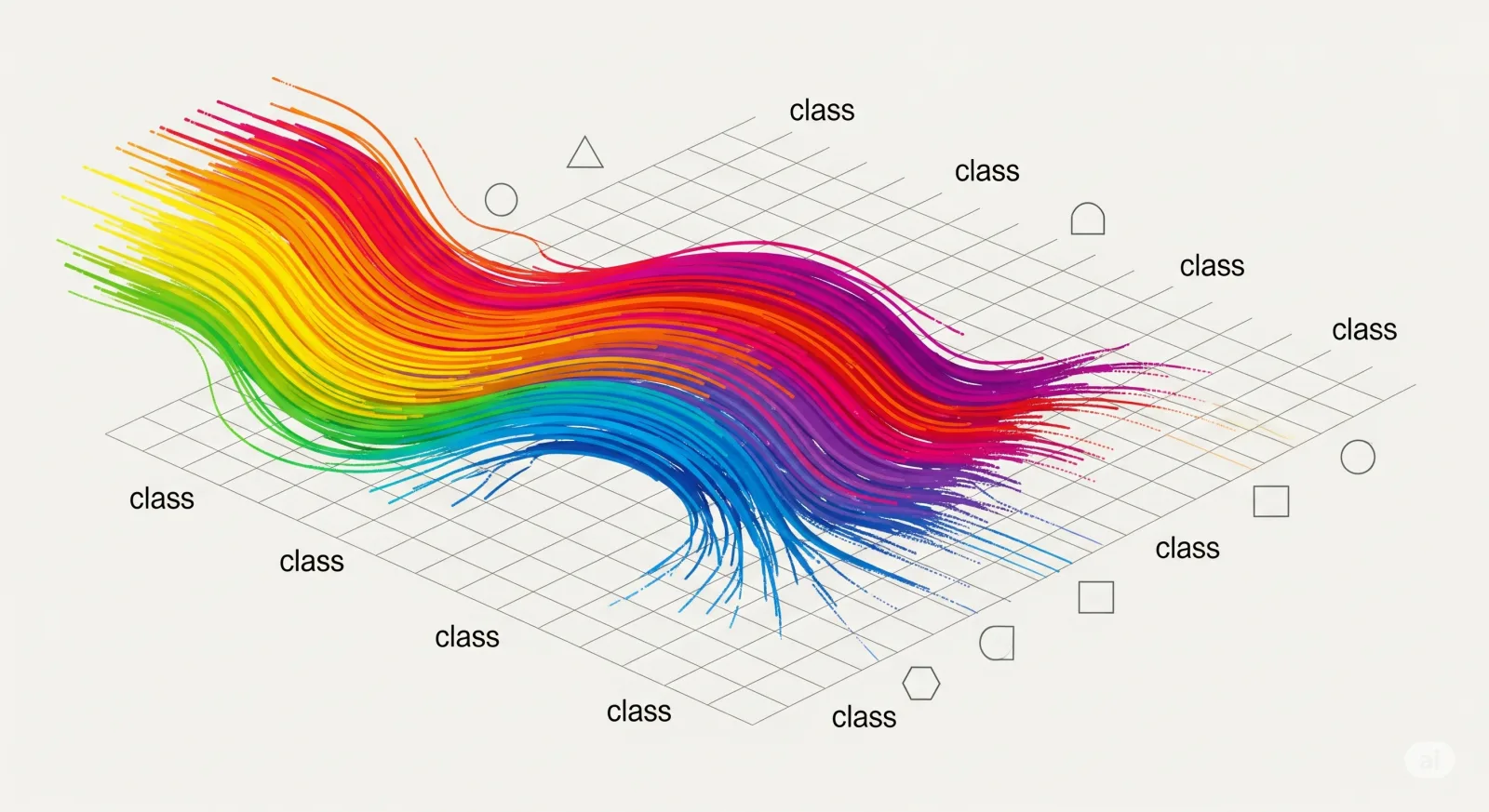
TL;DR for operators A vision-language model can describe an image, answer a chart question, and still fail at the kind of seeing that a bored intern would perform before lunch. That is the operational lesson from Shmuel Berman and Jia Deng’s paper, VLMs have Tunnel Vision: Evaluating Nonlocal Visual Reasoning in Leading VLMs.1 The paper tests whether leading VLMs can do three basic things: compare two visual objects across an image, follow a sequence of visual clues, and trace a continuous line to its endpoint. Humans find these tasks trivial. Current VLMs do not. ...

July 21, 2025 · 18 min · Zelina
Cover image

Prompt Without Words: Distilling GPT Semantics for Smarter Vision Models

TL;DR for operators Most attempts to improve CLIP-style image classification with large language models follow a familiar ritual: ask GPT to describe a class, paste those descriptions into prompts, then hope the model pays attention to the useful bits. The problem is that GPT’s descriptions are not stable objects. They vary by query wording, include hedged statements, and sometimes contain features that are hard or impossible to verify visually. “Usually,” “may,” and “often” are not exactly the foundations of a disciplined recognition system. ...

July 13, 2025 · 14 min · Zelina
Cover image

Unchained Distortions: Why Step-by-Step Image Editing Breaks Down While Chain-of-Thought Shines

TL;DR for operators Image-editing demos are easy. Ask a model to remove one object, recolour a jacket, or add a tasteful lamp, and most modern systems can produce something impressive enough for a product page and a LinkedIn post. Ask it to perform eight connected edits while keeping the original subject, layout, texture, lighting, and realism intact, and the polite showroom smile begins to crack. ...

April 21, 2025 · 16 min · Zelina