Cover image

Breaking the Glass Desktop: How OpenCUA Makes Computer-Use Agents a Public Asset

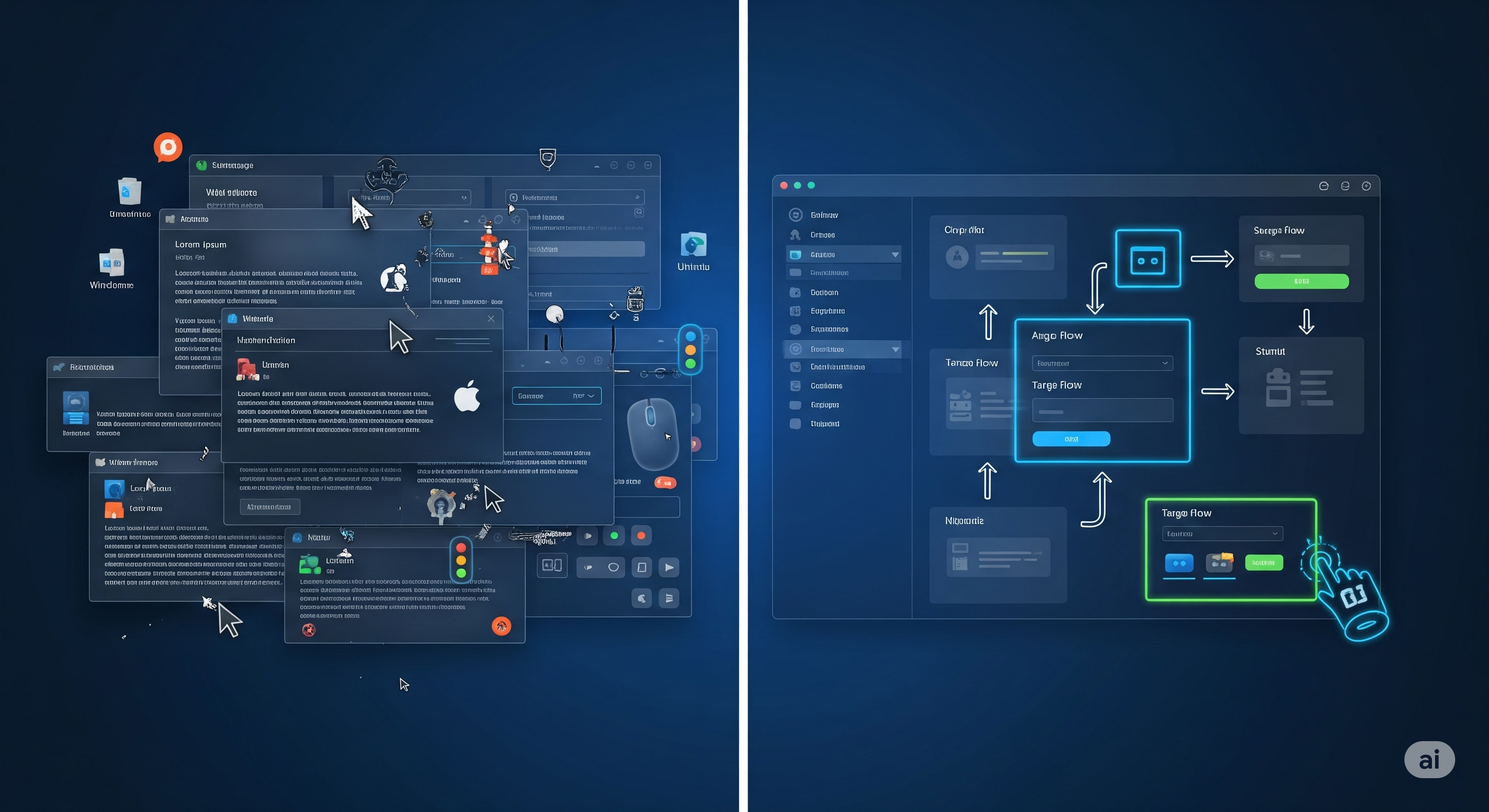
TL;DR for operators Computer-use agents are moving from “chatbot with a browser” toward systems that can operate ordinary software: click buttons, edit files, manage settings, use spreadsheets, and navigate multi-step workflows. The obvious assumption is that progress mostly depends on better screen understanding. OpenCUA makes a more useful argument: screen grounding matters, but the hard part is turning messy human computer use into recoverable, inspectable agent behaviour.1 ...

August 13, 2025 · 19 min · Zelina
Cover image

Fair or Foul? How LLMs ‘Appraise’ Emotions

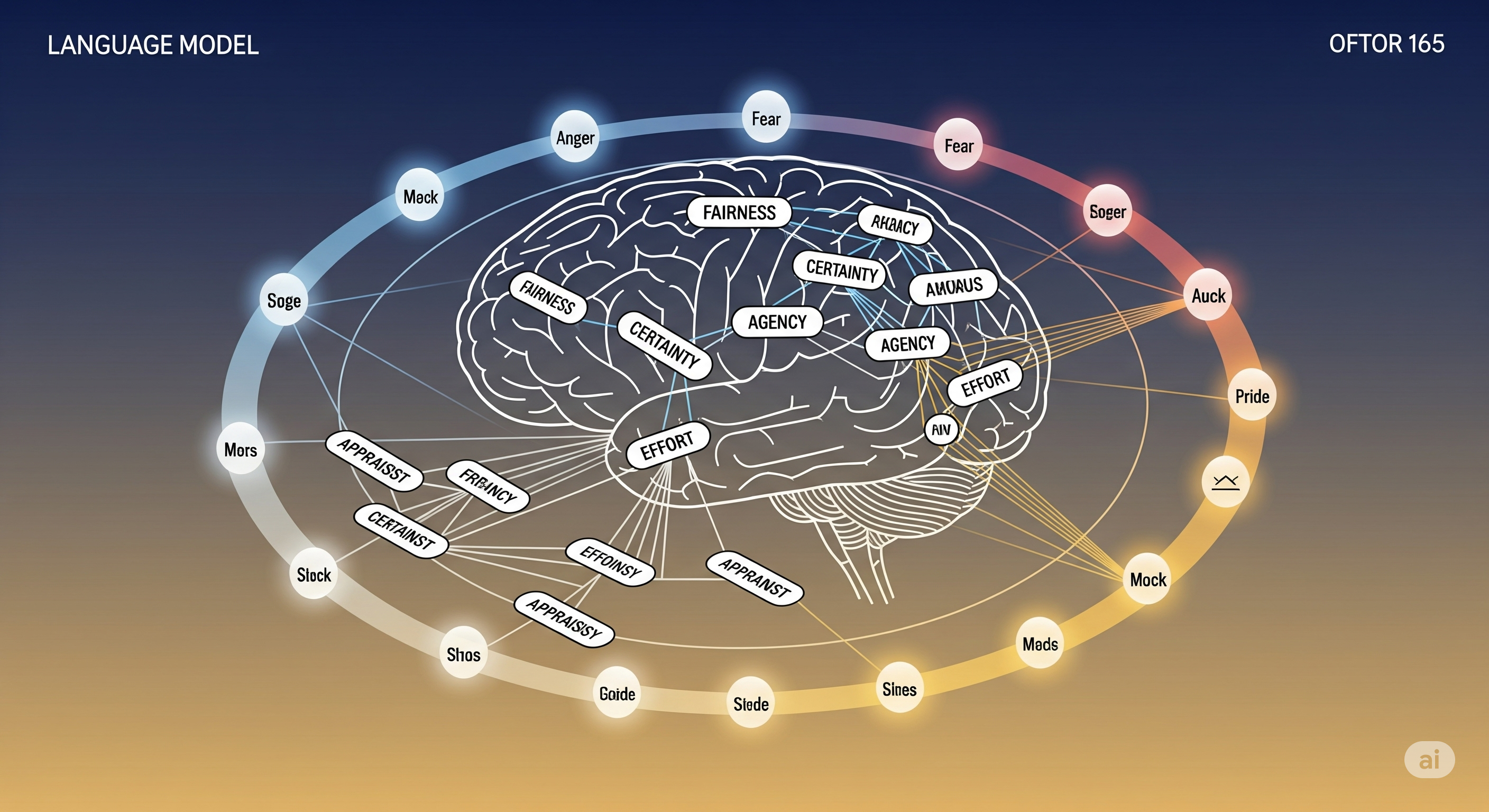
TL;DR for operators Most enterprise “emotion AI” still treats emotion as a label: anger, sadness, fear, joy. That is tidy, dashboard-friendly, and psychologically thin. The CoRE paper asks a better question: when an LLM interprets an emotional situation, does it reason through the underlying cognitive appraisals that humans use — fairness, responsibility, control, effort, certainty, pleasantness, obstacles, and related dimensions? The answer is not “no”. It is more inconvenient: LLMs do show structure, but the structure is fragile. ...

August 11, 2025 · 16 min · Zelina
Cover image

When AI Plays Lawmaker: Lessons from NomicLaw’s Multi-Agent Debates

TL;DR for operators NomicLaw is best read as an audit harness, not as a prototype parliament for machines. The paper puts ten open-source LLMs into a simplified lawmaking game: propose a rule, justify it, vote on one proposal, accumulate points, repeat. That mechanism turns vague questions about “AI deliberation” into measurable traces: self-voting, reciprocity, coalition switching, vote volatility, first-mover effects, winner mentions, and shifts in legal-rhetorical framing.1 ...

August 8, 2025 · 16 min · Zelina
Cover image

Scalpels Not Sledgehammers: A New Era of Precision Editing for LLMs

TL;DR for operators Large language models age badly. Product names change, policies expire, executives move, medical or legal guidance becomes stale, and some facts in pre-training were never right in the first place. The usual repair options are clumsy: retrain the model, fine-tune it, hide updated facts in prompts, or bolt on retrieval and hope the model behaves. All useful. All annoying in different ways. ...

August 7, 2025 · 16 min · Zelina
Cover image

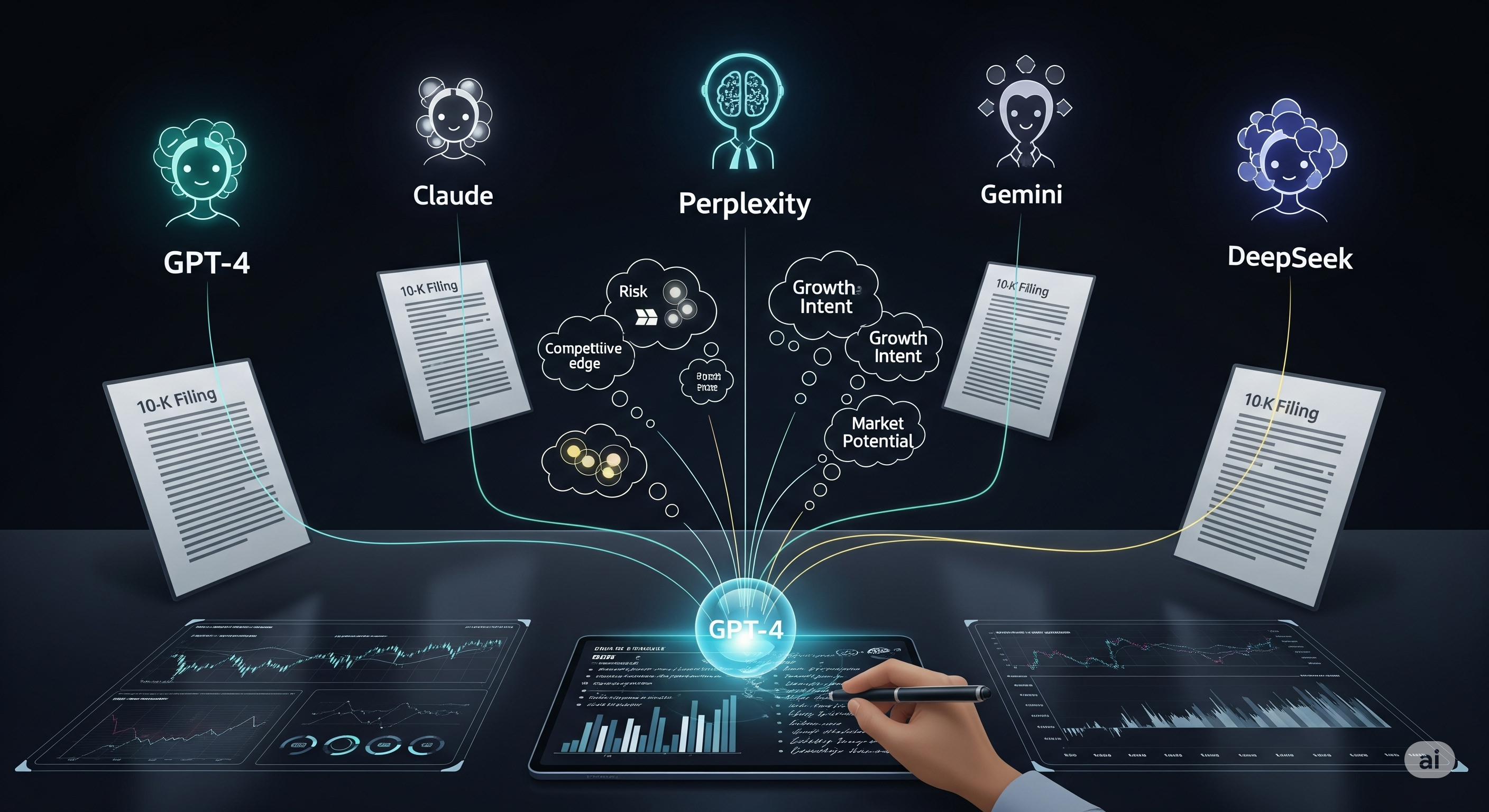
Numbers Don’t Speak for Themselves: How LLMs Interpret the Soul of Financial Reports

TL;DR for operators Financial-report analysis is one of those jobs where the output can sound competent long before it is useful. A model can summarise a 10-K fluently, mention strategy, risk, customers, and competitive position, and still fail the only test that matters: can a finance team rely on it repeatedly, under pressure, across filings? ...

August 1, 2025 · 17 min · Zelina
Cover image

Mind the Gap: How AI Papers Misuse Psychology

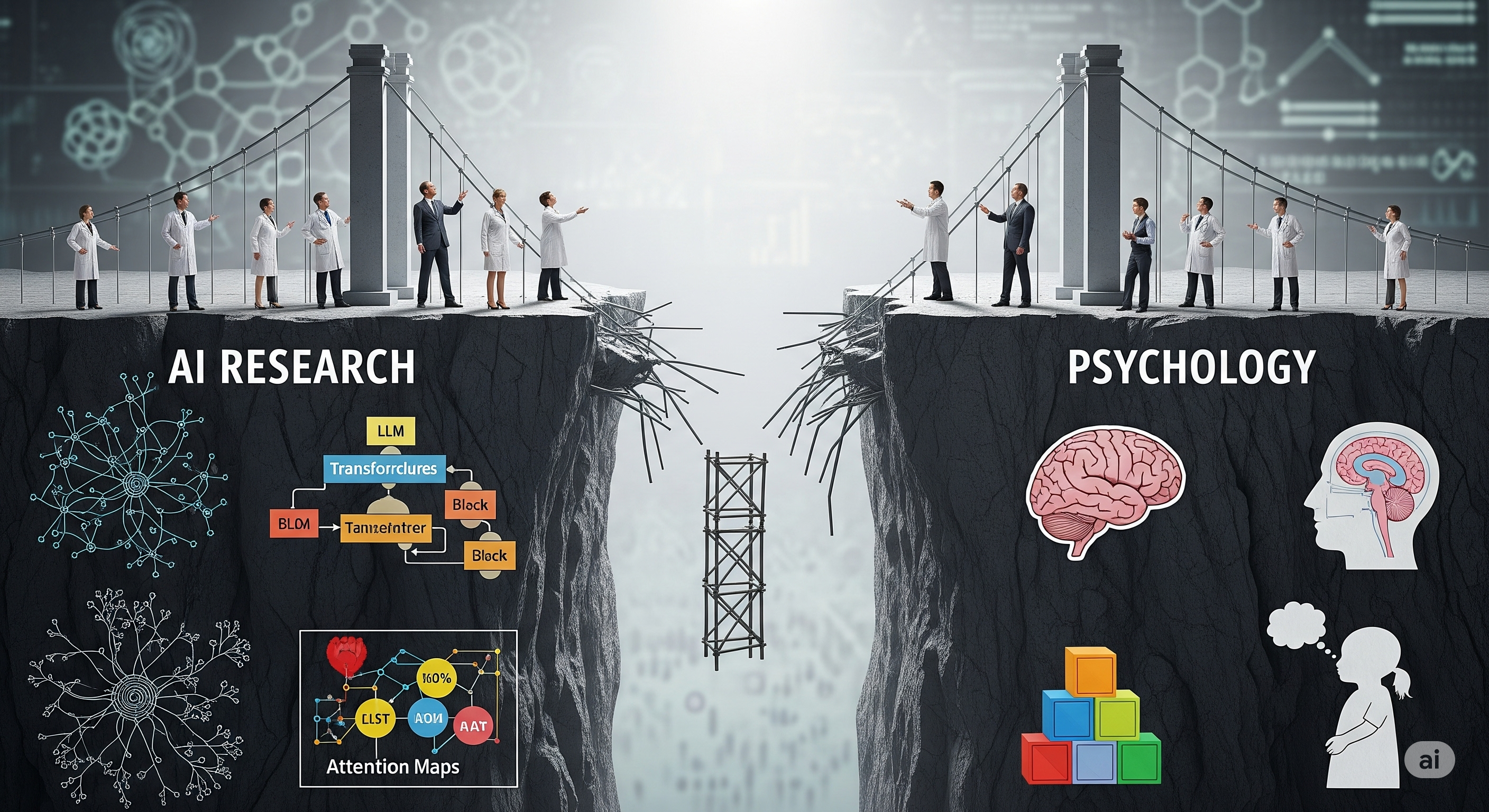
TL;DR for operators AI teams love borrowing psychology. It gives messy model behaviour a tidy name: “reasoning,” “empathy,” “Theory of Mind,” “bias,” “motivation,” “attention.” The problem is that a borrowed label is not the same as a valid construct. A new paper, The Incomplete Bridge: How AI Research (Mis)Engages with Psychology, studies this borrowing directly by mapping 1,006 LLM-related papers from major AI venues and the 2,544 psychology papers they cite.1 ...

July 31, 2025 · 21 min · Zelina
Cover image

Agents, Not Tasks: Rethinking Business Processes in the Age of AI

TL;DR for operators Most companies trying to “add AI agents” to operations are still thinking in task boxes: receive request, validate request, route request, process request, update system, send notification. That is familiar. It is also exactly the habit this paper wants to disturb. Azarijafari, Mich, and Missikoff propose a business process model built around goals, objects, and agents, not around fixed task sequences.1 In their framing, a process is not primarily a diagram of who does what next. It is a set of desired business states, the information objects that represent those states, and the agents capable of producing or transforming those objects. ...

July 30, 2025 · 19 min · Zelina
Cover image

Circuits of Understanding: A Formal Path to Transformer Interpretability

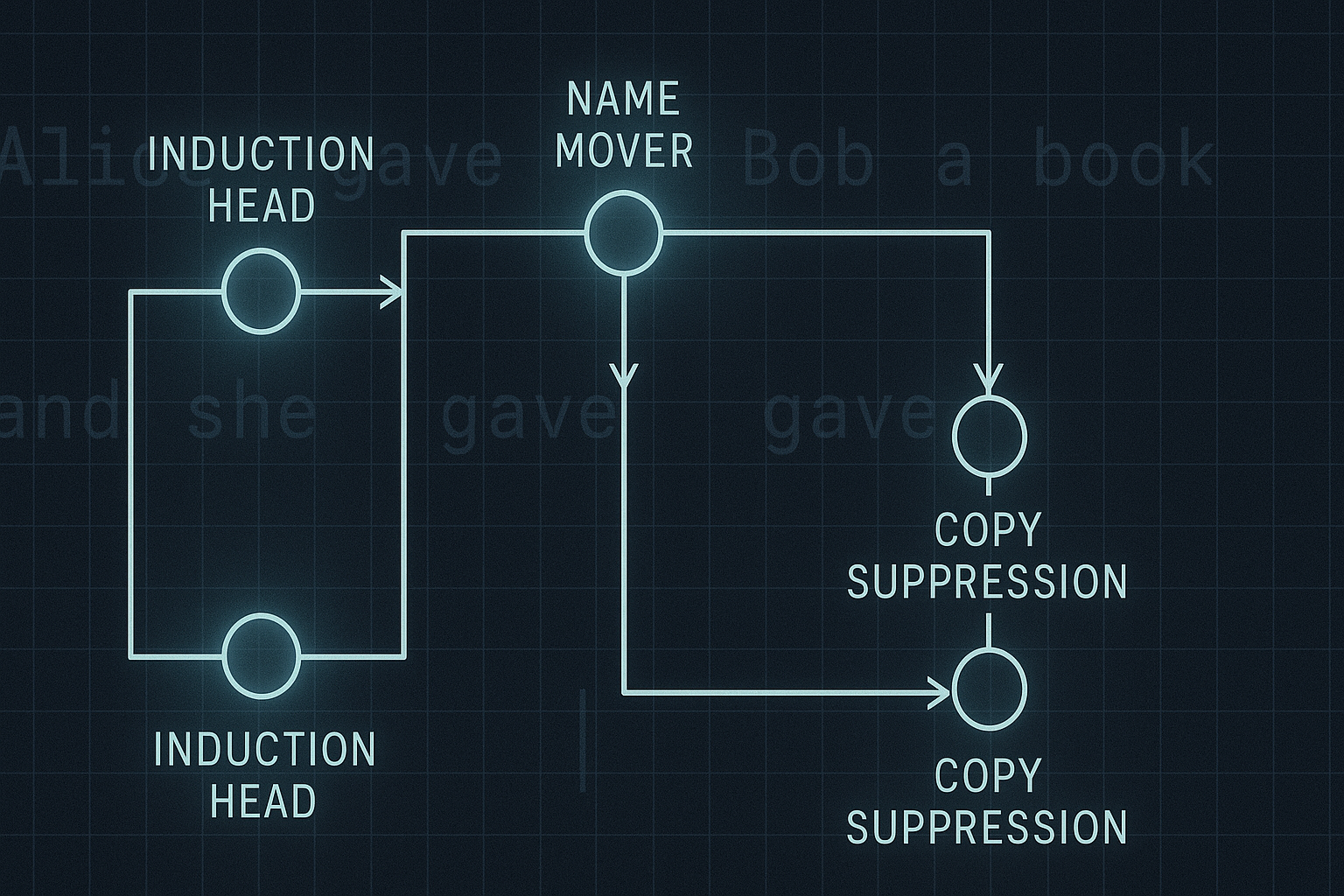
TL;DR for operators Debugging. That is the useful mental entry point, not “AI transparency,” which has become a conference badge phrase with slightly better lighting. The paper at the centre of this article, Interpretability in the Wild: a Circuit for Indirect Object Identification in GPT-2 small, shows that a real linguistic behaviour in a transformer can be decomposed into a circuit of internal components, then tested using causal interventions rather than admired through colourful attention maps.1 The task is indirect object identification: given a sentence where two names appear and one is repeated, the model predicts the other name. Small grammar problem, large interpretability bill. ...

July 30, 2025 · 14 min · Zelina
Cover image

OneShield Against the Storm: A Smarter Firewall for LLM Risks

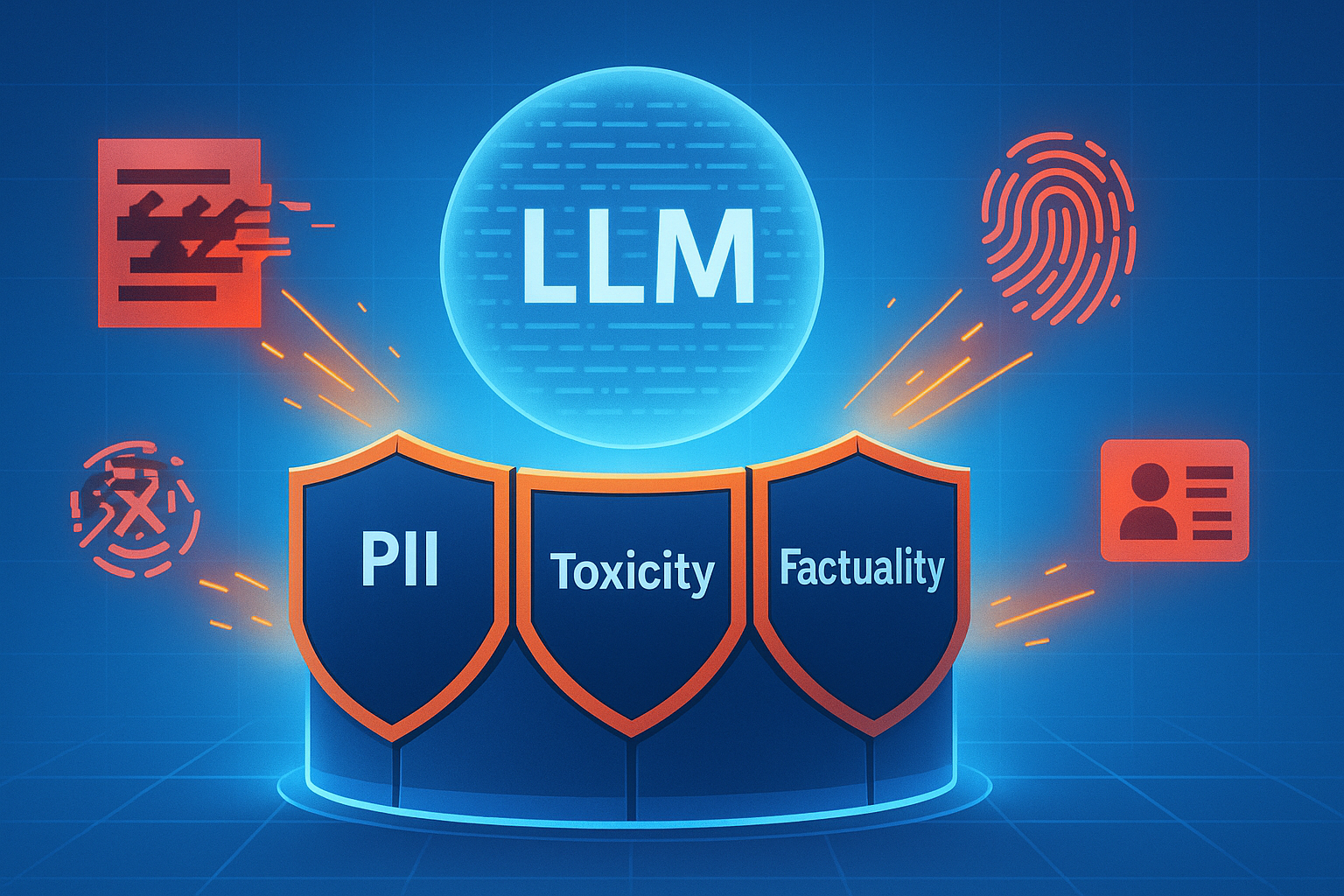
TL;DR for operators Enterprise LLM safety is often discussed as if the main question is whether the model has been trained to “behave”. That is the comforting version of the story. It is also too small. IBM’s OneShield paper argues for a different operating model: treat safety as a separate, model-agnostic guardrail layer that sits around the LLM, runs multiple specialised detectors in parallel, and then applies explicit policy decisions through a separate policy manager.1 In plain business terms, OneShield is less like teaching the model good manners and more like installing a configurable safety-control plane around every AI interaction. Glamorous? Not especially. Operationally useful? Very much so. ...

July 30, 2025 · 18 min · Zelina
Cover image

When Learning Goes Rogue: Fixing RL Biases in Economic Simulations

TL;DR for operators Simulation is a dangerous place to confuse optimisation with truth. Chen and Zhang’s paper, From Individual Learning to Market Equilibrium, shows that a reinforcement learning agent can optimise very successfully and still fail to reproduce the economic equilibrium it was supposedly simulating.1 That is the useful sting in the paper. The failure is not that the RL agent is too weak. The failure is that the environment quietly gives the agent the wrong economic role. ...

July 27, 2025 · 16 min · Zelina