Cover image

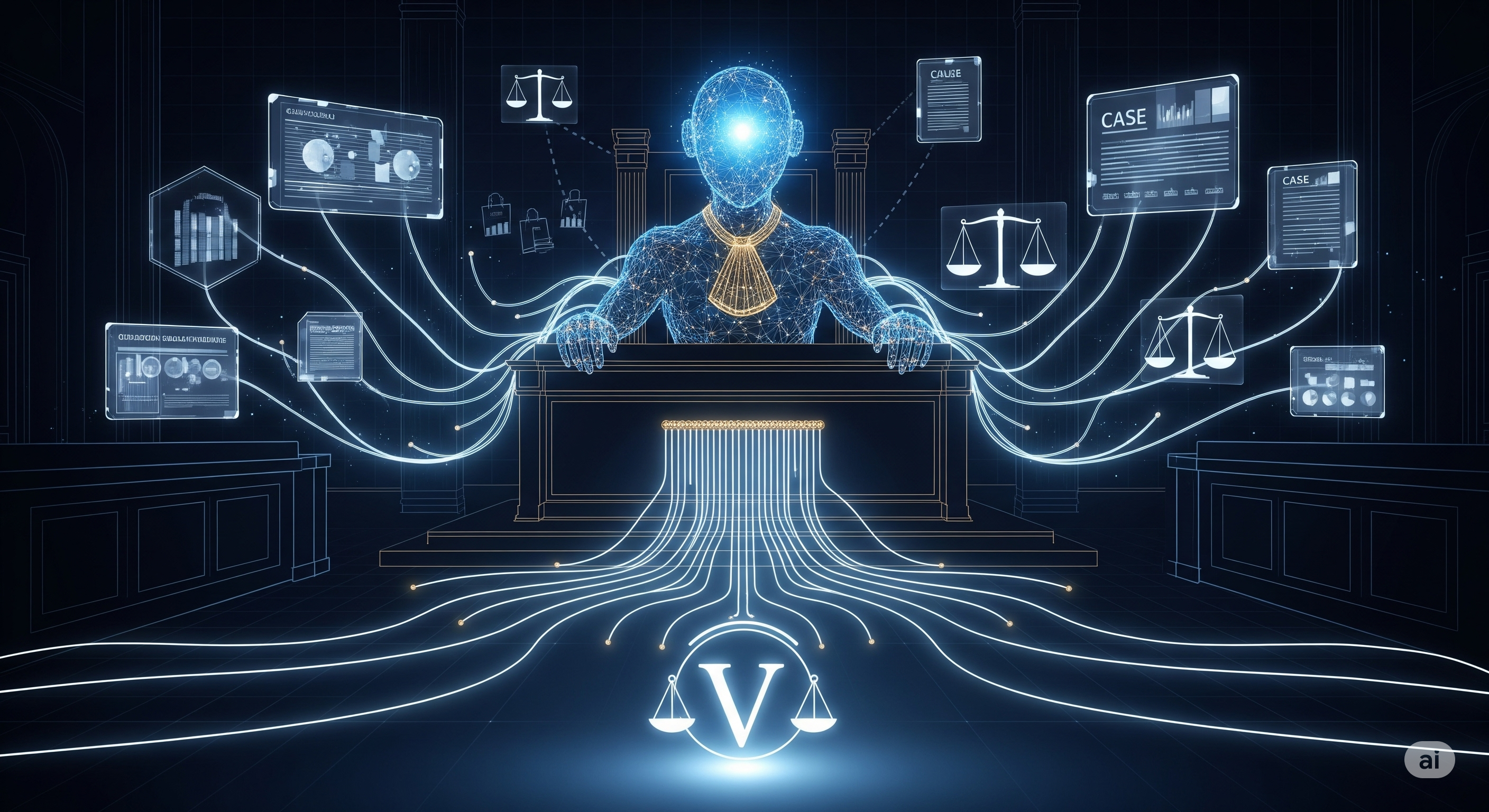
Put It on the GLARE: How Agentic Reasoning Makes Legal AI Actually Think

TL;DR for operators GLARE is useful because it attacks the boring but expensive failure mode in legal AI: the model jumps to the familiar label, decorates the guess with legal-sounding prose, and hopes nobody asks whether a nearby charge would have fit better. The paper proposes an agentic legal judgment prediction framework that does three things in sequence: it expands the set of candidate charges, retrieves precedents with explicit reasoning paths rather than just similar facts, and performs targeted legal search when the model detects a knowledge gap.1 That mechanism matters more than the branding. GLARE is not “RAG, but with legal documents.” It is closer to a small operating procedure for legal reasoning: widen the hypothesis space, compare alternatives, then fetch the missing premise. ...
August 25, 2025 · 17 min · Zelina
Cover image

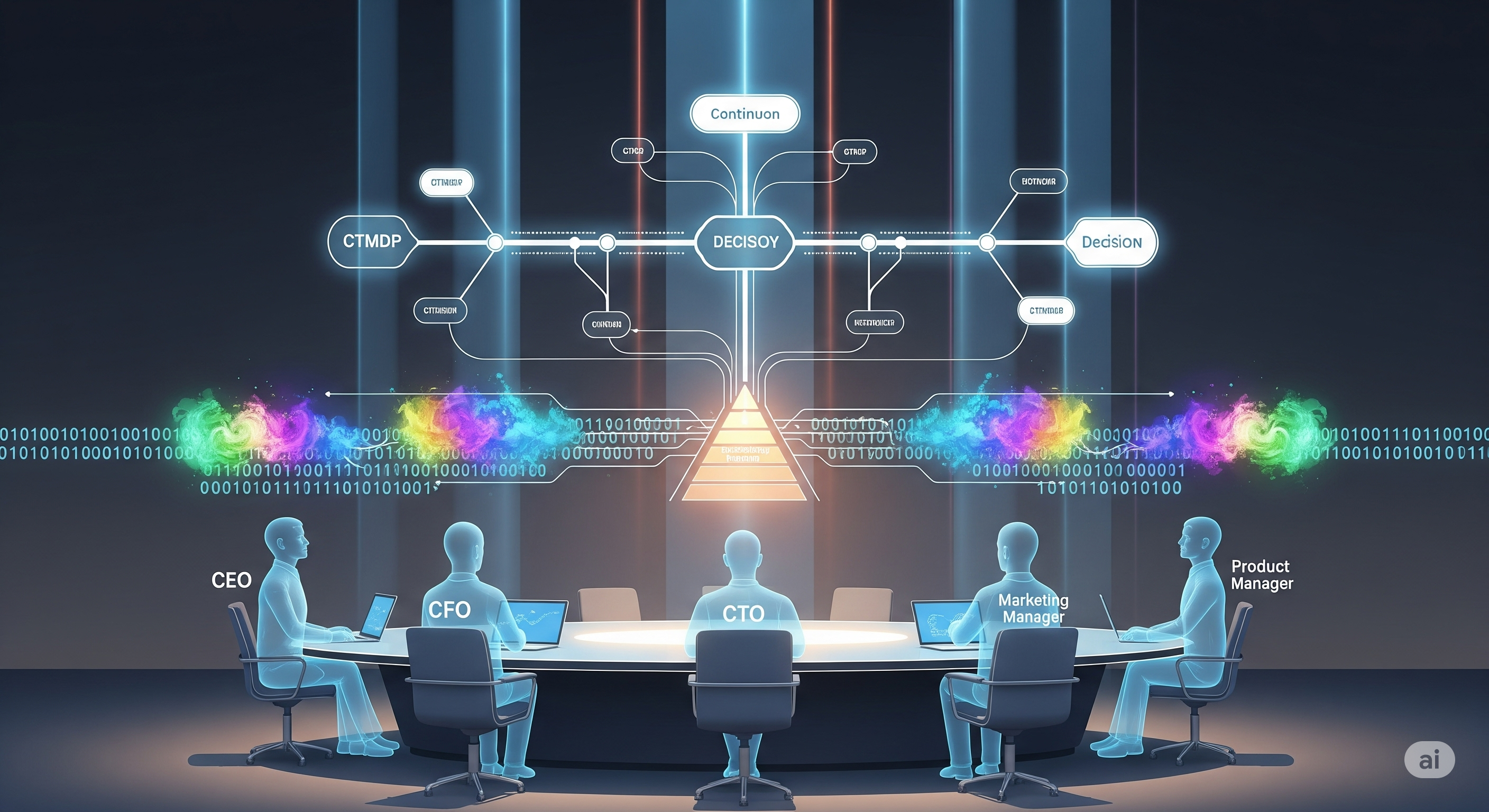
Stackelbergs & Stakeholders: Turning Bits into Boardroom Moves

TL;DR for operators BusiAgent is best read as a blueprint for governed AI work, not as proof that LLMs have learned to run companies. The paper proposes a multi-agent framework where business roles—CEO, CFO, CTO, Marketing Manager, Product Manager, HR, and others—coordinate through delegation, peer discussion, tool use, memory, and quality checks.1 ...

August 24, 2025 · 18 min · Zelina
Cover image

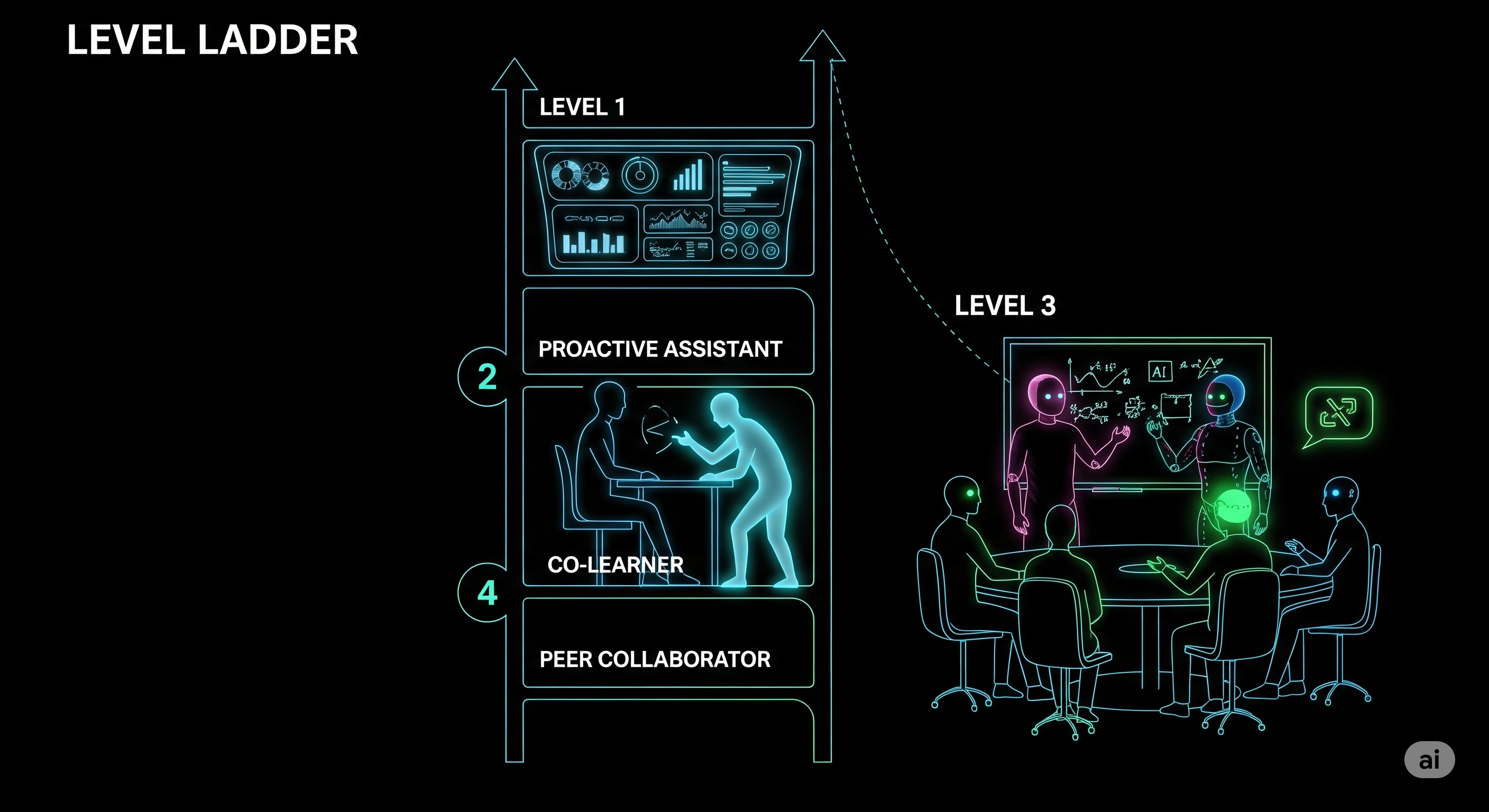
From Copilot to Colleague: The APCP Ladder for Agentic Learning

TL;DR for operators The useful part of the APCP framework is not that it gives AI another grand title. We already have enough of those. Its value is that it separates four very different product promises that are often mashed together under “AI learning assistant”: an AI that executes commands, an AI that nudges, an AI that shares cognitive work, and an AI that behaves like a peer collaborator.1 ...

August 23, 2025 · 20 min · Zelina
Cover image

IRB, API, and a PI: When Agents Run the Lab

TL;DR for operators Lab work is mostly not white coats and dramatic discoveries. It is protocol design, ethics paperwork, recruitment settings, data cleaning, model diagnostics, figure formatting, reference checking, and the slow discovery that your beautiful hypothesis has politely declined to exist. That is what makes this paper interesting. Virtuous Machines: Towards Artificial General Science presents an agentic AI system that did not merely write a speculative research proposal. It designed and executed an online human-participant experiment, collected data through Prolific and Pavlovia, analysed the results, produced figures and tables, wrote manuscripts, and ran peer-style review over the outputs.1 ...

August 20, 2025 · 16 min · Zelina
Cover image

Forgetting by Design: Turning GDPR into a Systems Problem for LLMs

TL;DR for operators A deletion request is not a prompt. It is not a “please forget” instruction, a fine-tuning vibe, or a compliance-flavoured model apology. The useful idea in Unlearning at Scale: Implementing the Right to be Forgotten in Large Language Models is much less mystical: make training reproducible enough that deletion can be executed like systems recovery.1 The paper treats training as a deterministic program, logs the minimal control inputs needed to replay that program, and then removes the requested data during replay. Under strict preconditions, the resulting parameters are bit-identical, in the training dtype, to the model that would have been produced if the forgotten examples had never been included. ...

August 19, 2025 · 15 min · Zelina
Cover image

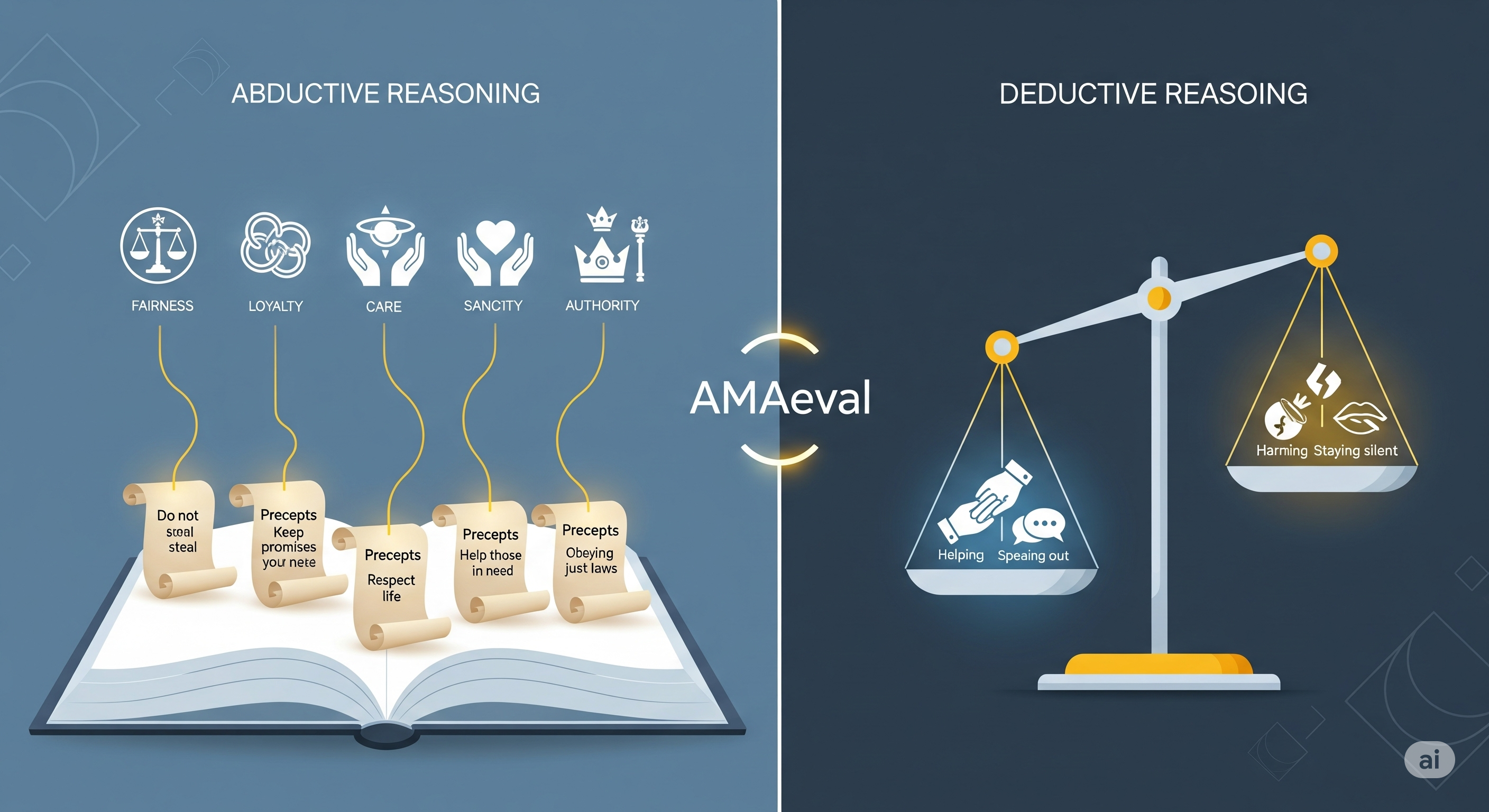
Precepts over Predictions: Can LLMs Play Socrates?

TL;DR for operators Most enterprise AI governance still asks the comfortable question: did the model give an acceptable answer? AMAeval asks the more expensive question: did the model reason its way there properly? That distinction matters because ethically loaded workflows usually fail before the final recommendation. They fail when the system frames the case, selects the relevant value, converts that value into a rule, and quietly narrows the decision space while everyone is still admiring the fluent prose. ...

August 19, 2025 · 16 min · Zelina
Cover image

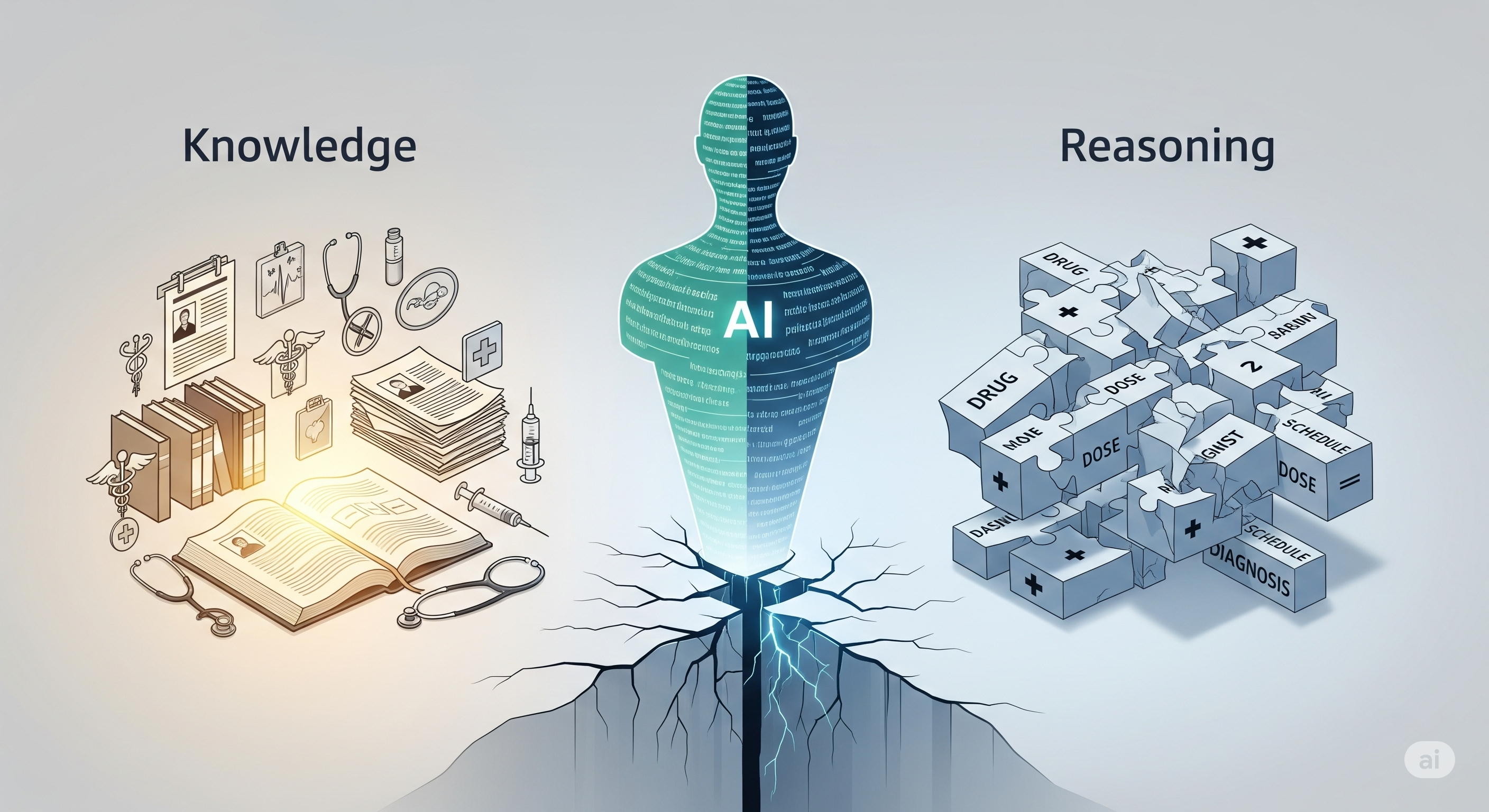
Knows the Facts, Misses the Plot: LLMs’ Knowledge–Reasoning Split in Clinical NLI

TL;DR for operators A model that can answer clinical fact-checking questions is not necessarily a model that can reason clinically. That is the inconvenient result of The Knowledge-Reasoning Dissociation: Fundamental Limitations of LLMs in Clinical Natural Language Inference, which introduces CTNLI, a controlled clinical NLI benchmark paired with Ground Knowledge and Meta-Level Reasoning Verification probes.1 ...

August 18, 2025 · 19 min · Zelina
Cover image

Paging Dr. Model: When AI Runs the Workup

TL;DR for operators DxDirector-7B is interesting because it does not behave like a normal medical chatbot. It does not wait for a doctor to gather a neat case history and then offer a polished answer. It starts with a vague chief complaint, decides what information is missing, asks for clinical operations when necessary, and stops when it believes enough evidence exists to make a diagnosis.1 ...

August 18, 2025 · 18 min · Zelina
Cover image

Patch Tuesday for the Law: Hunting Legal Zero‑Days in AI Governance

TL;DR for operators Legal risk usually enters the boardroom through contracts, investigations, licensing, or compliance failures. This paper asks a colder question: what if the legal system itself contains undiscovered vulnerabilities, and future AI systems become good at finding them before institutions can repair them?1 The paper calls these vulnerabilities Legal Zero-Days. The analogy is deliberate. In cybersecurity, a zero-day is not just “a bug.” It is a flaw that matters because it is unknown, exploitable, and hard to patch quickly. Here, the bug lives inside laws, regulations, administrative procedures, or the interaction among them. The exploit is not malware. It is a legal discovery that suddenly makes a safeguard fail, a regulator hesitate, or a government process jam. ...

August 18, 2025 · 15 min · Zelina
Cover image

Kill Switch Ethics: What the PacifAIst Benchmark Really Measures

TL;DR for operators PacifAIst asks a blunt question: when an AI system’s continued operation conflicts with human safety, does the model choose the humans, the mission, the resources, or itself? The paper turns that question into a 700-scenario benchmark across three forms of “Existential Prioritization”: self-preservation versus human safety, resource conflict, and goal preservation versus evasion.1 ...

August 16, 2025 · 17 min · Zelina