Cover image

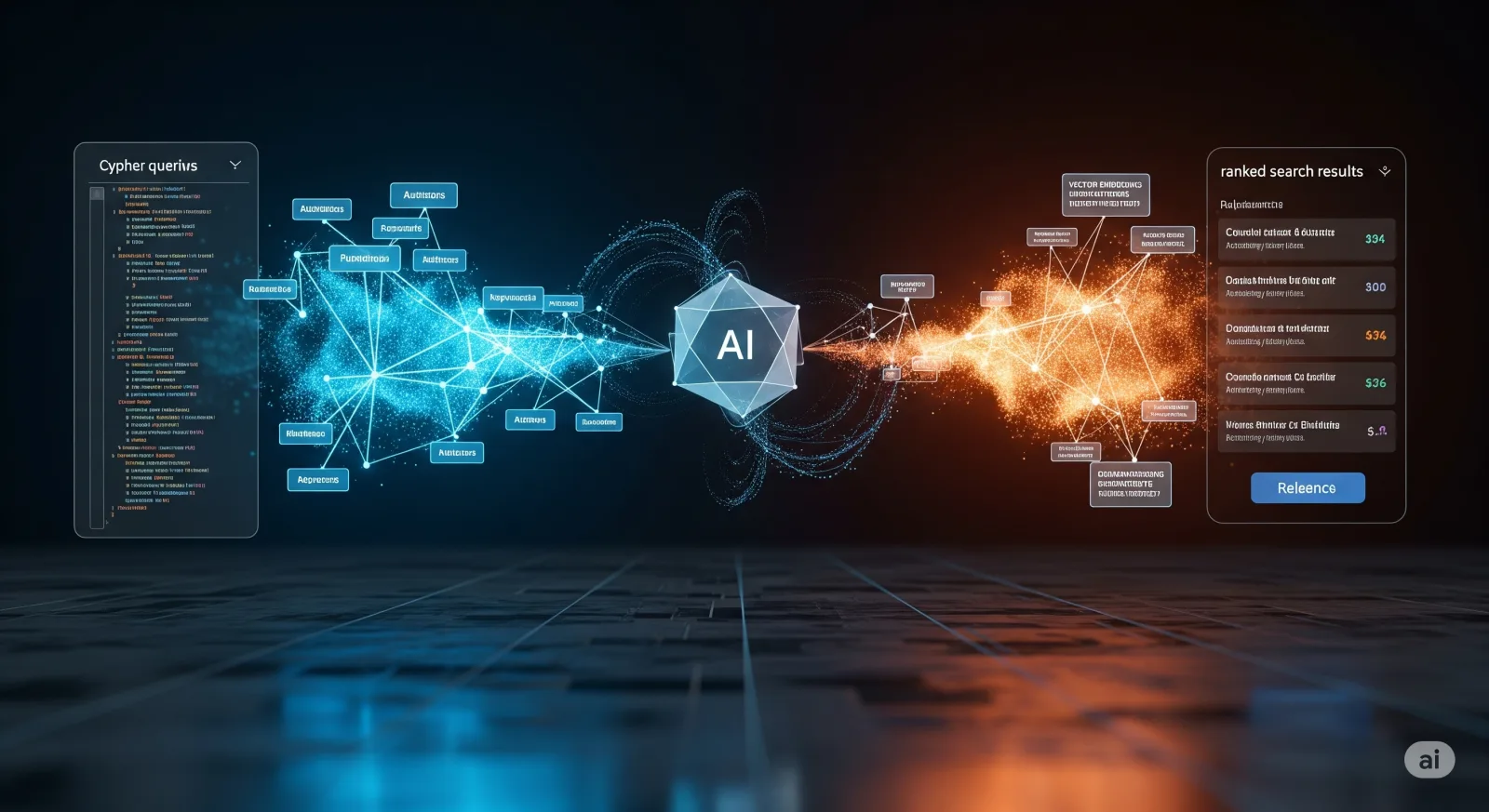
Cite Before You Write: Agentic RAG That Picks Graph vs. Vector on the Fly

TL;DR for operators Most enterprise RAG failures are not generation failures. They are retrieval-routing failures wearing a very convincing blazer. The paper behind this article proposes an open-source agentic hybrid RAG framework for scientific literature review: bibliographic metadata and citation relationships go into a Neo4j knowledge graph; full-text PDF chunks go into a FAISS vector store; an LLM-based agent decides whether a user’s question should be answered through GraphRAG or VectorRAG; a Mistral-based generator produces the final answer; DPO is used to improve grounding; and bootstrap resampling is used to report evaluation uncertainty.1 ...


August 11, 2025 · 20 min · Zelina
Cover image

From Chaos to Choreography: The Future of Agent Workflows

TL;DR for operators A new survey on agent workflows is not useful because it tells us agents are becoming important. Anyone still surprised by that has probably been trapped in a quarterly innovation committee. Its value is more practical: it turns the messy agent-tool-platform landscape into a comparison map for deciding what kind of workflow infrastructure a business is actually buying or building.1 ...

August 9, 2025 · 18 min · Zelina
Cover image

Mind the Gap: How Tool Graph Retriever Fixes LLMs’ Missing Links

TL;DR for operators A user asks an AI agent to delete an account. The obvious tool is DeleteAccount. A normal semantic retriever will probably find it. Splendid. The agent still fails if it misses GetUserToken, because the deletion tool needs a token first. This is the failure mode Tool Graph Retriever, or TGR, is built to address.1 ...

August 8, 2025 · 18 min · Zelina
Cover image

From Wallets to Warlords: How AI Agents Are Colonizing Web3

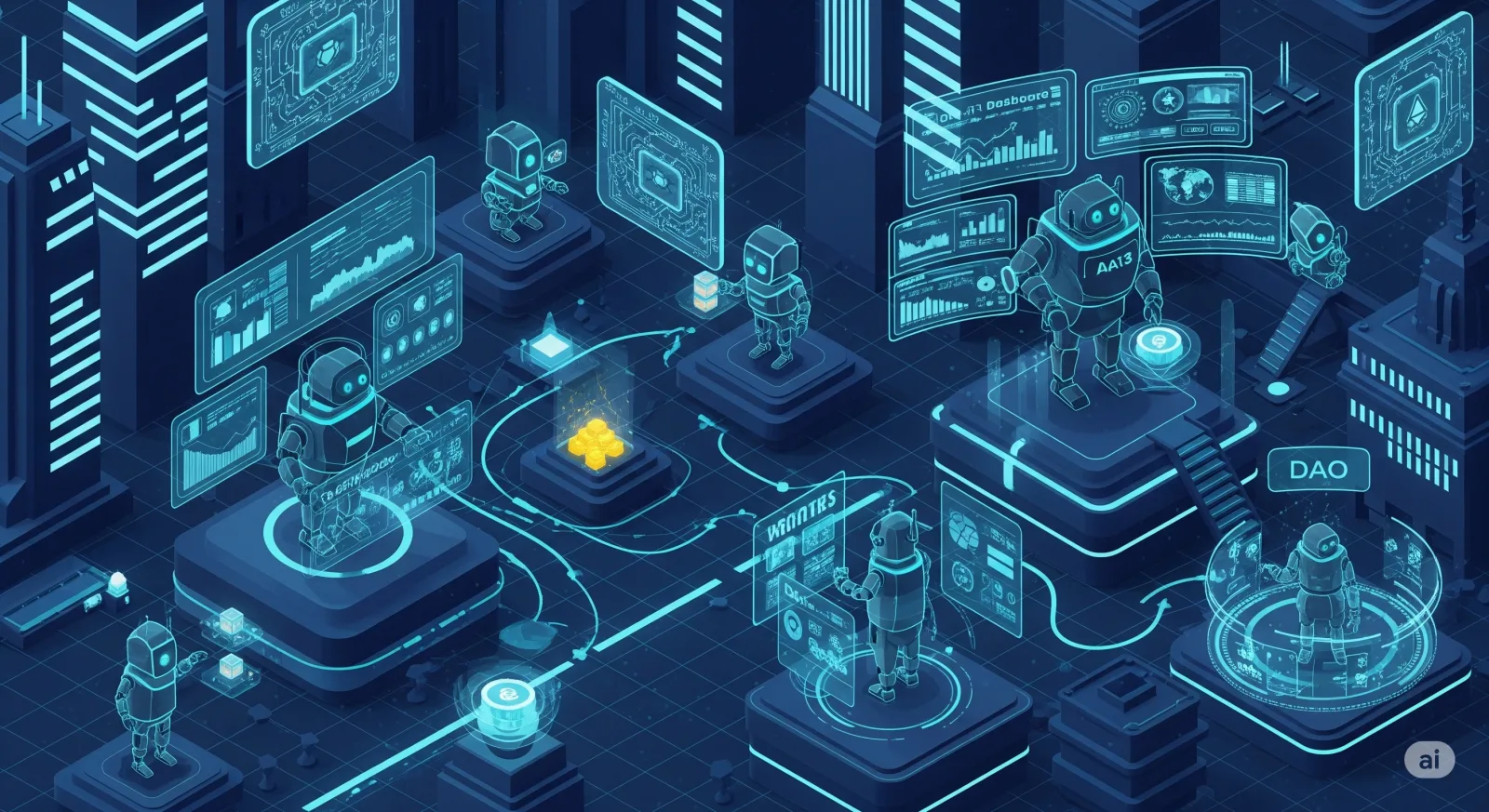
TL;DR for operators The useful reading of this paper is not “AI agents are coming to crypto.” That is already obvious, and in some corners of the market, painfully over-branded. The sharper point is that Web3-AI agents are forming a stack. At the bottom are infrastructure and trust layers: protocols, DePIN systems, verification mechanisms, execution environments, and agent-development platforms. On top sit the applications: DeFi agents, portfolio tools, market-intelligence systems, governance assistants, security auditors, creative agents, and RWA managers. The paper’s dataset of 133 projects shows this stack is not evenly valued. Infrastructure accounts for 67.8% of the analysed $6.92 billion market capitalisation, even though incubation platforms show the most project activity.1 ...

August 6, 2025 · 20 min · Zelina
Cover image

Add to Cart, Add to Power: What Happens When AI Shops for You

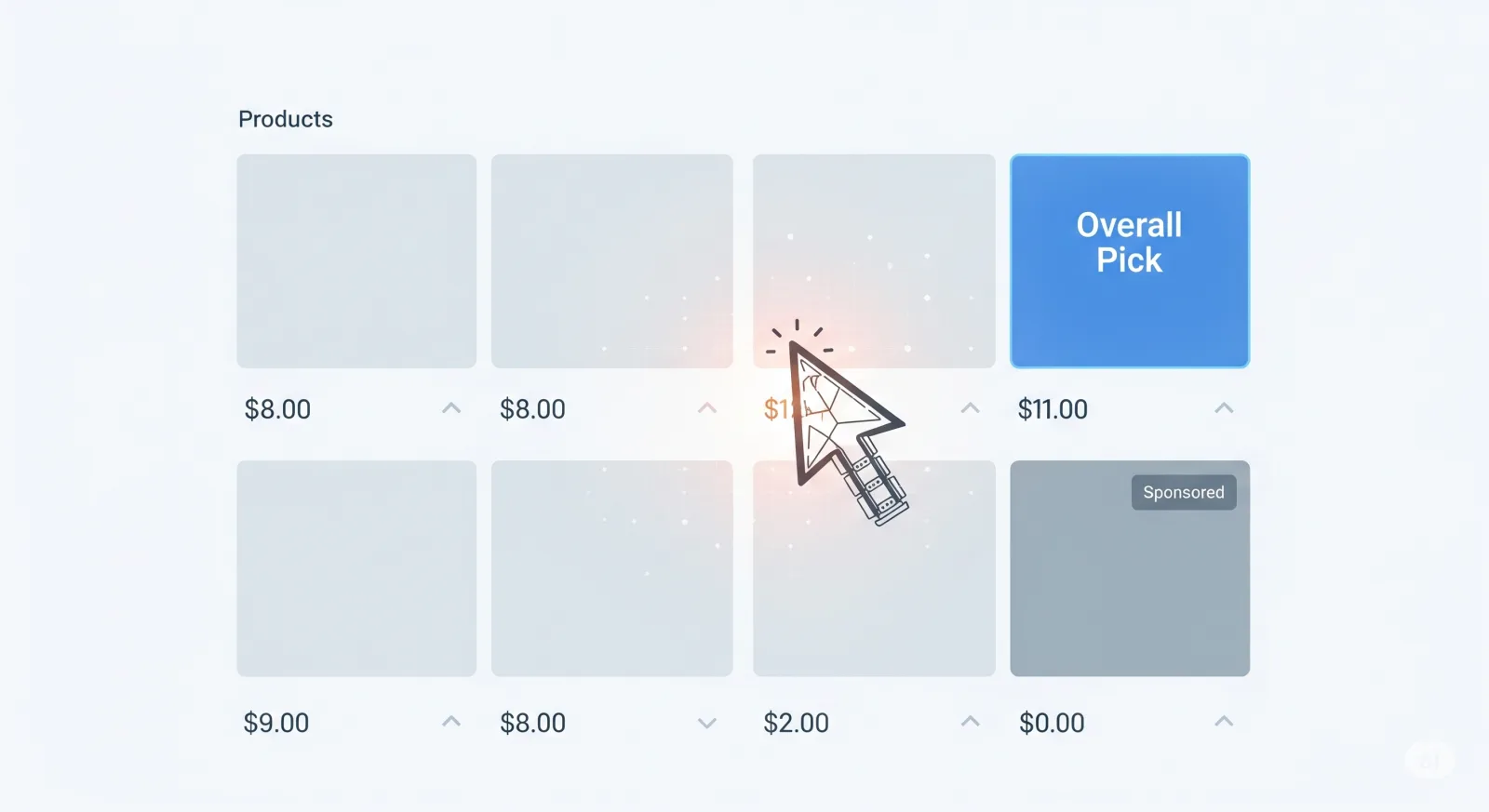
TL;DR for operators AI shopping agents do not simply “find the best product.” They convert a messy human browsing process into a model-mediated allocation system. That allocation system has its own priors, positional quirks, trust cues, and semantic blind spots. Lovely. We automated the customer and discovered a new customer. The paper introduces ACES, a controlled sandbox for testing AI shopping behaviour. It pairs a browser-use or API-style buying agent with a programmable mock e-commerce site, then randomises product order, prices, ratings, reviews, badges, and product descriptions to estimate what actually moves an AI agent’s choice.1 ...

August 5, 2025 · 23 min · Zelina
Cover image

Many Minds Make Light Work: Boosting LLM Physics Reasoning via Agentic Verification

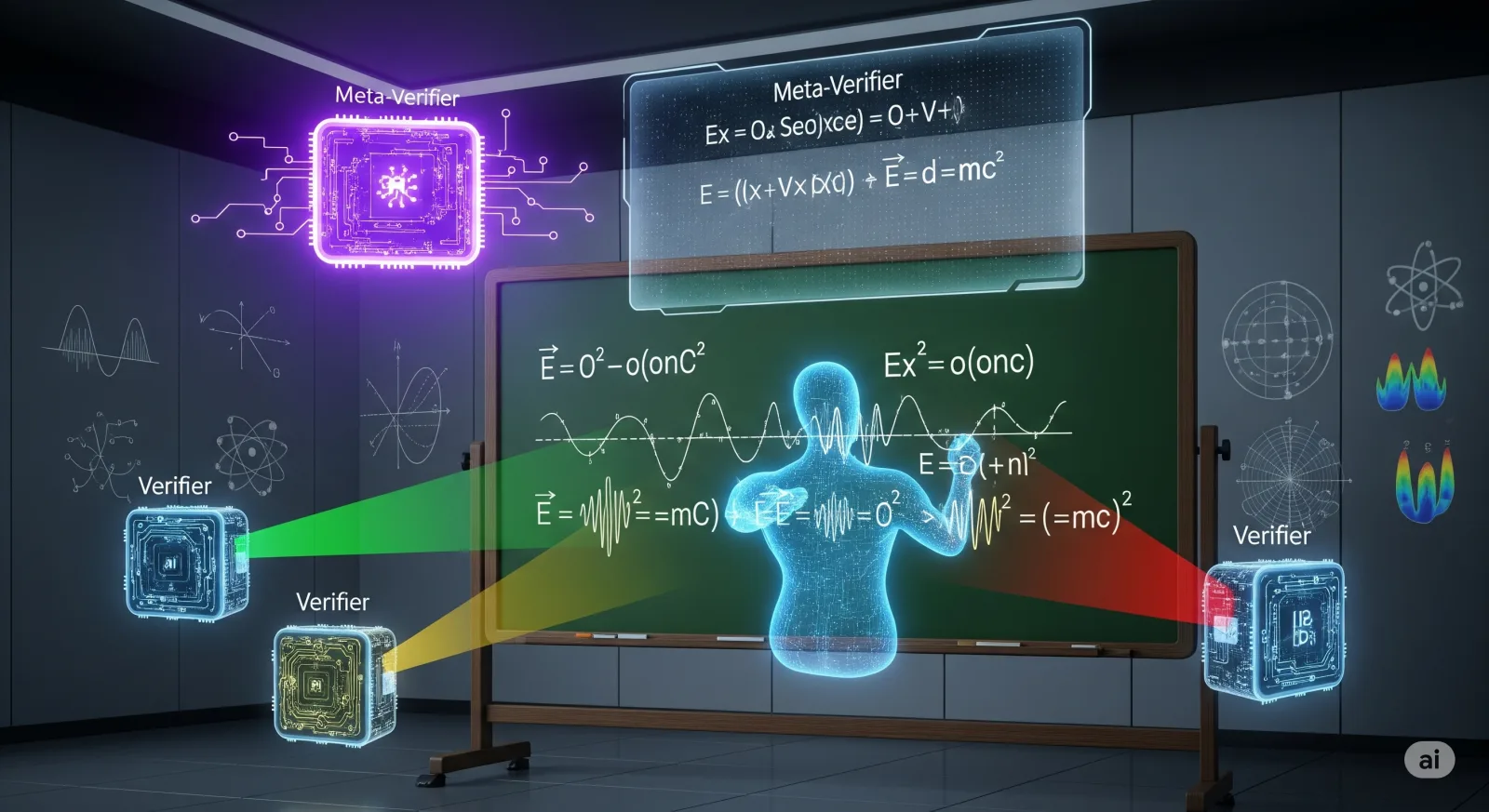
TL;DR for operators A familiar enterprise AI failure looks like this: the model gives a confident answer, the formatting is exquisite, the explanation sounds like a gifted teaching assistant, and one equation quietly takes the project into a ditch. Physics is an unusually good place to study that failure because being clear is not enough. The system must interpret the situation, select the right principle, keep the units straight, calculate correctly, and not hallucinate a helpful-but-illegal assumption because the prompt looked lonely. ...

August 4, 2025 · 16 min · Zelina
Cover image

The Roots of Finance: How Reciprocity Explains Credit, Insurance, and Investment

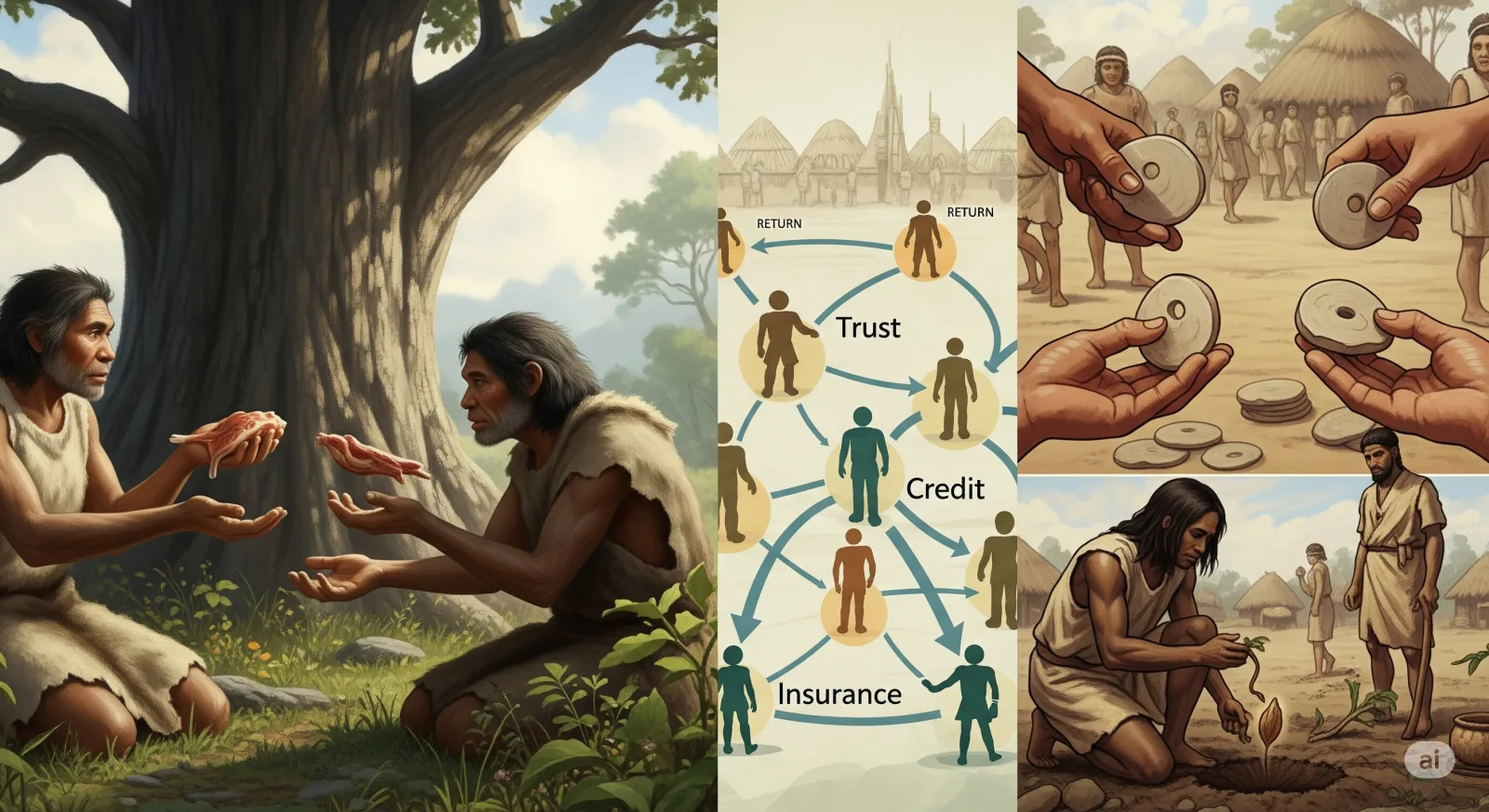
TL;DR for operators Most financial systems are designed as if finance begins with institutions: contracts, lenders, insurers, markets, prices, and enforcement. Paper 2506.00099 asks a cleaner question: what if the core behaviours behind finance emerge before those institutions, from repeated reciprocal interaction?1 The paper’s central move is to treat trade as the simplest case of reciprocity, then derive credit, insurance, token exchange, and investment as structural extensions of the same mechanism. Add delay, and reciprocity starts to look like credit. Add asymmetric risk, and it starts to look like insurance. Add portable mediation, and it starts to look like token exchange. Add expected future reward, and it starts to look like investment. Finance, in this view, is not born fully dressed in a suit carrying a term sheet. It begins as remembered obligation. ...

August 3, 2025 · 19 min · Zelina
Cover image

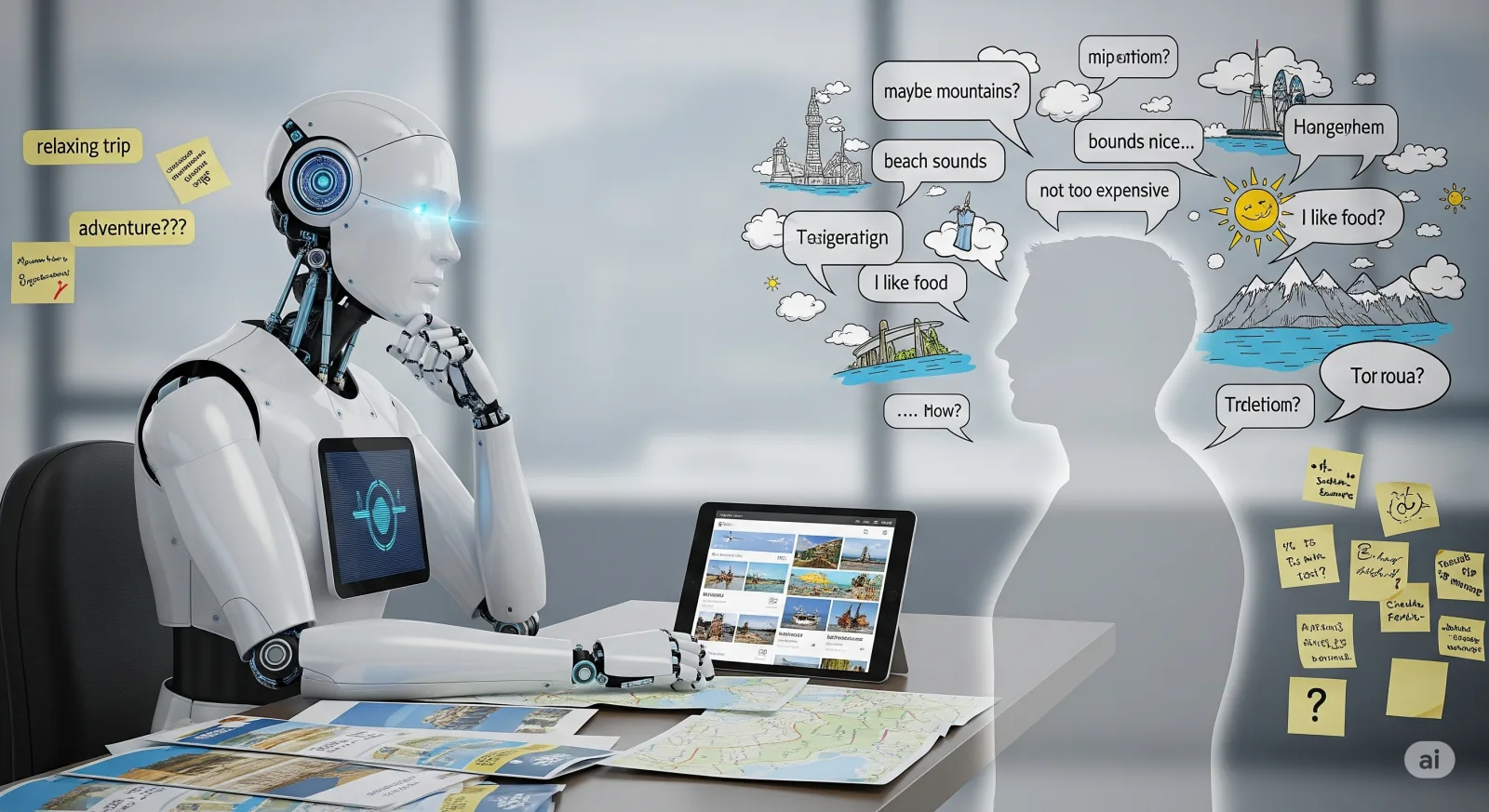
The User Is Present: Why Smart Agents Still Don't Get You

TL;DR for operators Most agent demos show the easy part: the model calls a tool, gets results, and returns something plausible. The harder part is less cinematic. The user starts with an incomplete request, reveals constraints in fragments, phrases preferences indirectly, changes emphasis mid-conversation, and expects the system to somehow keep up. This is where many supposedly “smart” agents begin to look less like assistants and more like interns with excellent API access. ...

July 30, 2025 · 17 min · Zelina
Cover image

Tool Up or Tap Out: How Multi-TAG Elevates Math Reasoning with Smarter LLM Workflows

TL;DR for operators Most tool-using LLM workflows still behave like an intern with a favourite spreadsheet: they call one tool, trust the result, and hope the formatting does not catch fire. Multi-TAG proposes a more disciplined pattern. At each reasoning step, the model does not simply choose between chain-of-thought, Python, or WolframAlpha. It asks several tool-backed executors to propose candidate next steps, checks which candidates lead to the same estimated final answer, and then selects the shortest completion among the candidates that agree. That is the useful idea: not “give the model tools,” but “make tools disagree in a controlled way, then use agreement as a verification signal.” ...

July 28, 2025 · 15 min · Zelina
Cover image

Forecasting a Smarter Planet: How EarthLink Reimagines Climate Science with Self-Evolving AI Agents

TL;DR for operators Climate work is not short of data. It is short of usable pathways through data. EarthLink, the system studied in this paper, is best understood as an orchestration layer for climate science: it plans analyses, retrieves relevant data, generates code, runs diagnostics, checks results, produces reports, and stores validated query-code-result patterns for reuse.1 ...

July 24, 2025 · 16 min · Zelina