Cover image

Rollouts, Not GPUs: Why AWorld’s 14.6× Speedup Rewires Agent Training

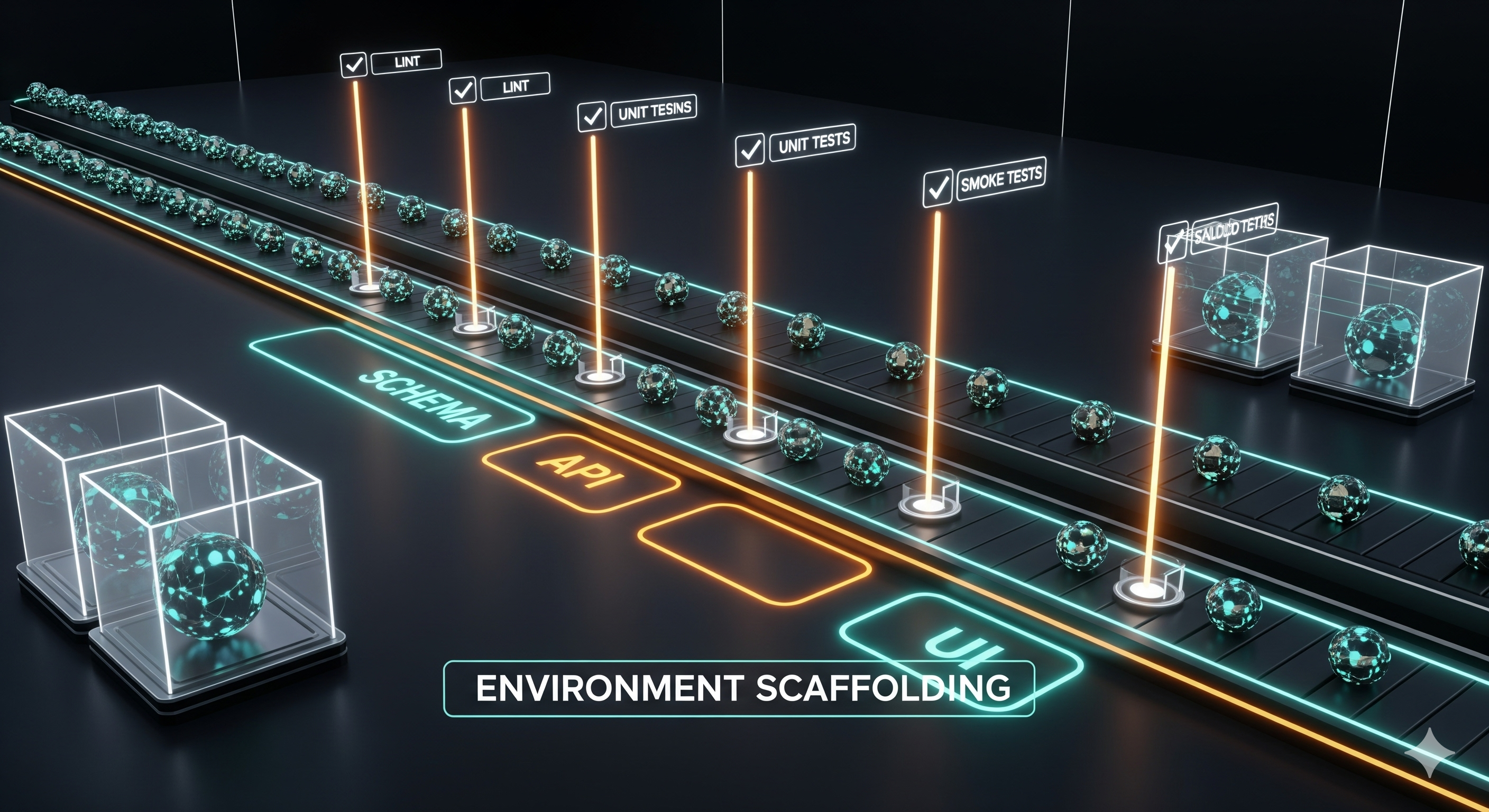
Thesis: In agentic AI, the rate-limiting step isn’t backprop—it’s rollouts. AWorld (from Inclusion AI) turns the crank on experience generation with a distributed executor that accelerates rollouts 14.6×, enabling practical reinforcement learning on complex environments like GAIA and yielding double‑digit pass@1 gains on a 32B model. TL;DR for operators The bottleneck has moved: On GAIA‑style tasks, training time is constant; interaction time dominates. AWorld cuts the rollout phase from 7,695s → 525s per cycle (total cycle 7,839s → 669s). That’s a ~92% reduction in wall‑clock. Performance follows scale of attempts: More attempts per task (up to 32 rollouts/q) materially raises pass@k across frontier models—evidence that success hinges on finding wins to learn from. Proof on GAIA: Fine‑tuning + RL with AWorld elevates Qwen3‑32B from 21.59% → 32.23% pass@1 overall and 4.08% → 16.33% on Level‑3 (hardest) questions—competitive with or surpassing strong proprietary baselines at the top difficulty. Why this matters for business Most “AI agent” pilots stall in browsers, spreadsheets, and internal CRMs—not because the model can’t reason, but because the loop (tool use → observation → next step) runs too slowly to harvest enough positive trajectories for improvement. AWorld’s contribution is operational: treat rollouts as a first‑class distributed workload (Kubernetes pods, sandboxed tools, message‑bus protocols) so your agents can practice at scale and your RL can learn from those successes. ...

August 31, 2025 · 5 min · Zelina
Cover image

Talk, Tool, Triumph: Training Agents with Real Conversations

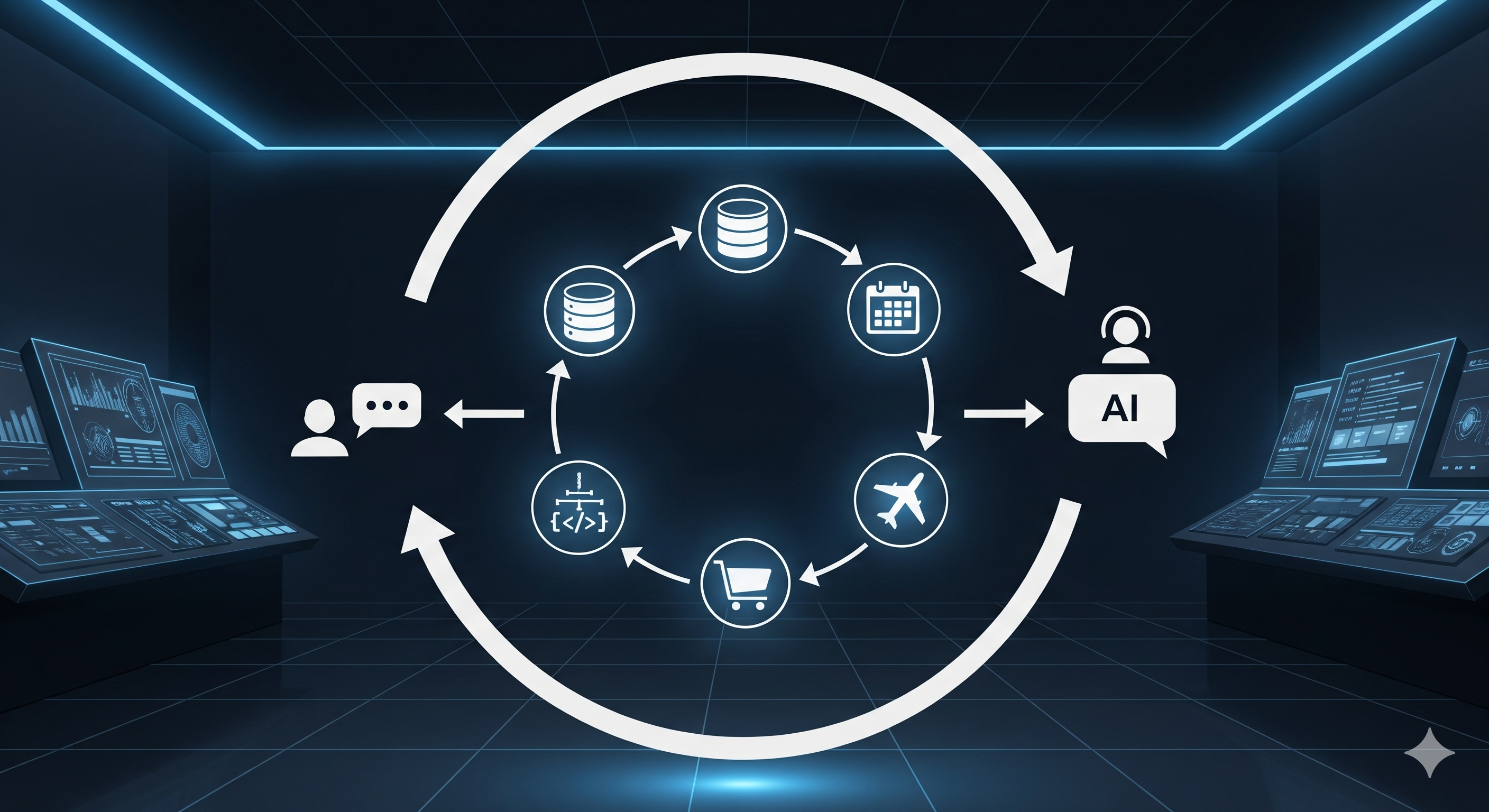
TL;DR Most “tool‑using” LLMs still practice in sterile gyms. MUA‑RL moves training into the messy real world by adding an LLM‑simulated user inside the RL rollout, wiring the agent to call actual tools and rewarding it only when the end task is truly done. The result: smaller open models close in on or beat bigger names on multi‑turn benchmarks, while learning crisper, policy‑compliant dialogue habits. Why this matters now Enterprises don’t want chatty copilots; they want agents that finish jobs: modify an order under policy, update a ticket with verified fields, push a fix to a repo, or reconcile an invoice—often across several conversational turns and multiple tools. Supervised fine‑tuning on synthetic traces helps, but it often overfits to static scripts and misses the live back‑and‑forth where users change their minds, add constraints, or misunderstand policy. ...

August 27, 2025 · 4 min · Zelina
Cover image

Agents on the Clock: Turning a 3‑Layer Taxonomy into a Build‑Ready Playbook

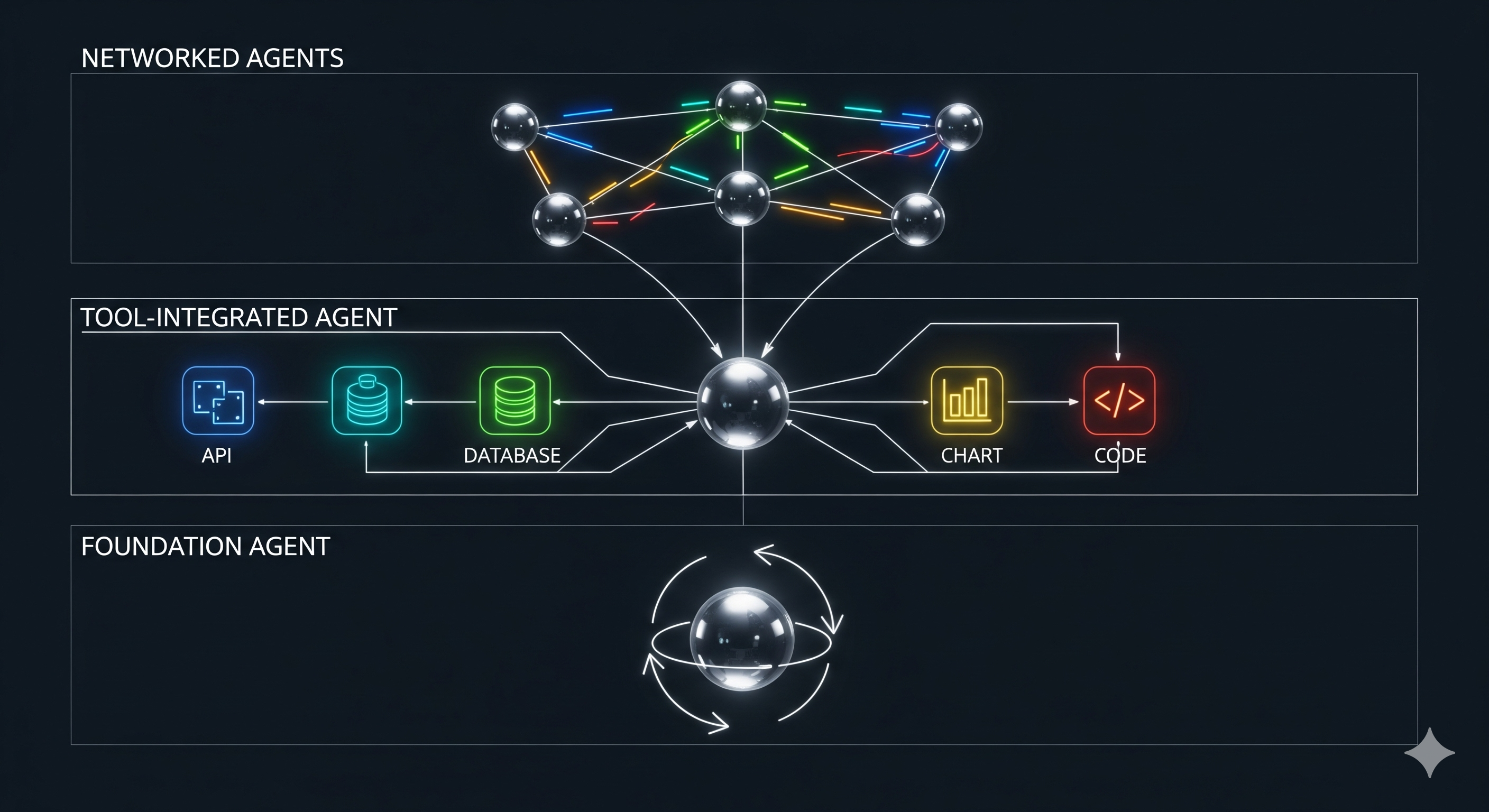
Most “agent” decks promise autonomy; few explain how to make it shippable. A new survey of LLM‑based agentic reasoning frameworks cuts through the noise with a three‑layer taxonomy—single‑agent methods, tool‑based methods, and multi‑agent methods. Below, we translate that map into a practical build/run playbook for teams deploying AI automation in real workflows. TL;DR Single‑agent = shape the model’s thinking loop (roles, task prompts, reflection, iterative refinement). Tool‑based = widen the model’s action space (APIs, plugins/RAG, middleware; plus selection and orchestration patterns: sequential, parallel, iterative). Multi‑agent = scale division of labor (centralized, decentralized, or hierarchical; with cooperation, competition, negotiation). Treat these as orthogonal dials you tune per use‑case; don’t jump to multi‑agent if a reflective single agent with a code‑interpreter suffices. 1) What’s genuinely new (and useful) here Most prior surveys were model‑centric (how to finetune or RLHF your way to better agents). This survey is framework‑centric: it formalizes the reasoning process—context $C$, action space $A = {a_{reason}, a_{tool}, a_{reflect}}$, termination $Q$—and shows where each method plugs into the loop. That formalism matters for operators: it’s the difference between “let’s try AutoGen” and “we know which knob to turn when the agent stalls, loops, or hallucinates.” ...
August 26, 2025 · 5 min · Zelina
Cover image

Hypotheses, Not Hunches: What an AI Data Scientist Gets Right

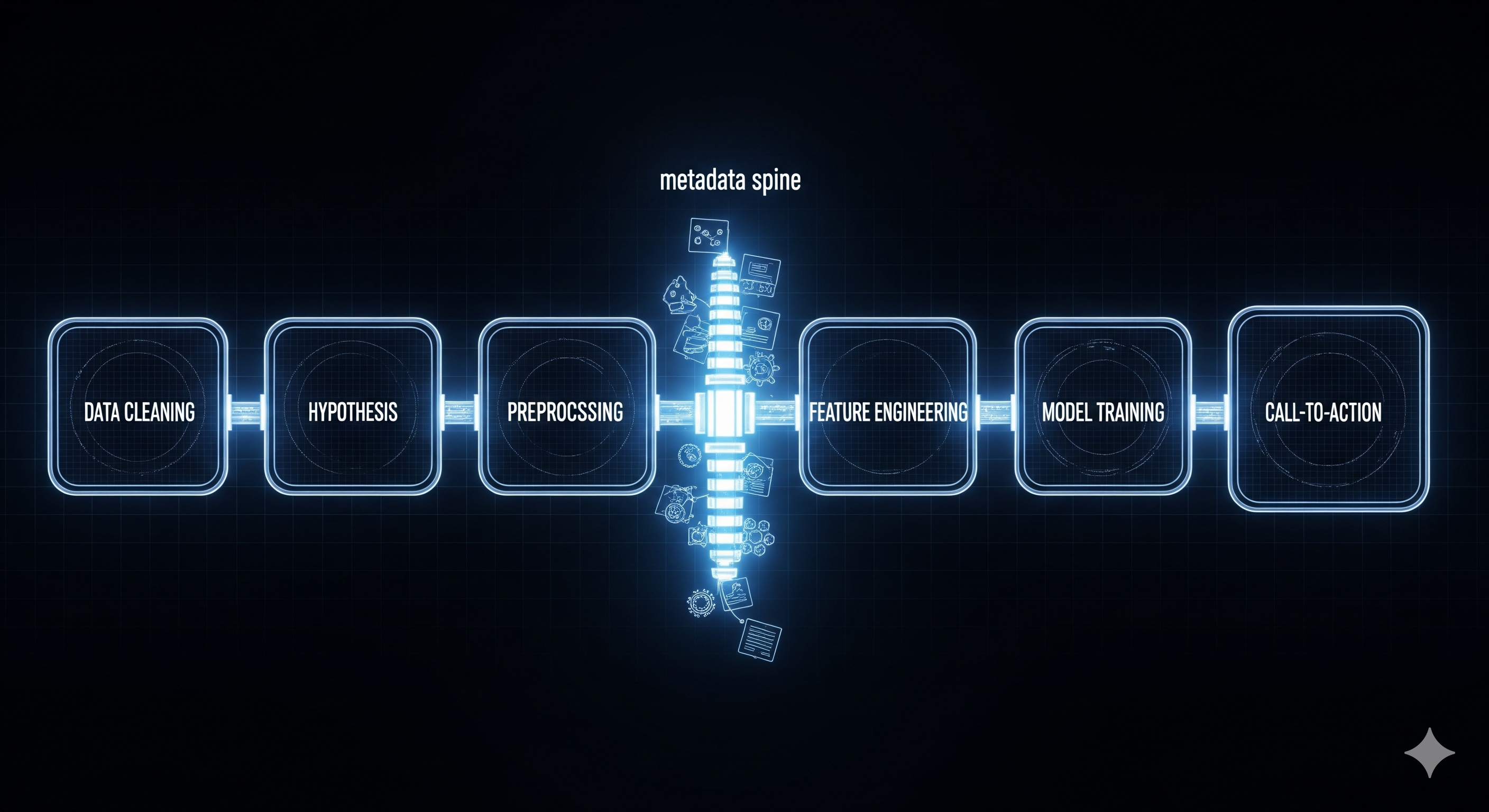
Most “AI for analytics” pitches still orbit model metrics. The more interesting question for executives is: What should we do next, and why? A recent paper proposes an AI Data Scientist—a team of six LLM “subagents” that march from raw tables to clear, time‑boxed recommendations. The twist isn’t just automation; it’s hypothesis‑first reasoning. Instead of blindly optimizing AUC, the system forms crisp, testable claims (e.g., “active members are less likely to churn”), statistically validates them, and only then engineers features and trains models. The output is not merely predictions—it’s an action plan with KPIs, timelines, and rationale. ...

August 26, 2025 · 5 min · Zelina
Cover image

Put It on the GLARE: How Agentic Reasoning Makes Legal AI Actually Think

Legal judgment prediction (LJP) is one of those problems that exposes the difference between looking smart and being useful. Most models memorize patterns; judges demand reasons. Today’s paper introduces GLARE—an agentic framework that forces the model to widen its hypothesis space, learn from real precedent logic, and fetch targeted legal knowledge only when it needs it. The result isn’t just higher accuracy; it’s a more auditable chain of reasoning. TL;DR What it is: GLARE = Gent Legal Agentic Reasoning Engine for LJP. Why it matters: It turns “guess the label” into compare-and-justify—exactly how lawyers reason. How it works: Three modules—Charge Expansion (CEM), Precedents Reasoning Demonstrations (PRD), and Legal Search–Augmented Reasoning (LSAR)—cooperate in a loop. Proof: Gains of +7.7 F1 (charges) and +11.5 F1 (articles) over direct reasoning; +1.5 to +3.1 F1 over strong precedent‑RAG; double‑digit gains on difficult, long‑tail charges. So what: If you’re deploying LLMs into legal ops or compliance, agentic structure > bigger base model. Why “agentic” beats bigger The usual upgrades—bigger models, more RAG, longer context—don’t address the core failure mode in LJP: premature closure on a familiar charge and surface‑level precedent matching. GLARE enforces a discipline: ...

August 25, 2025 · 4 min · Zelina
Cover image

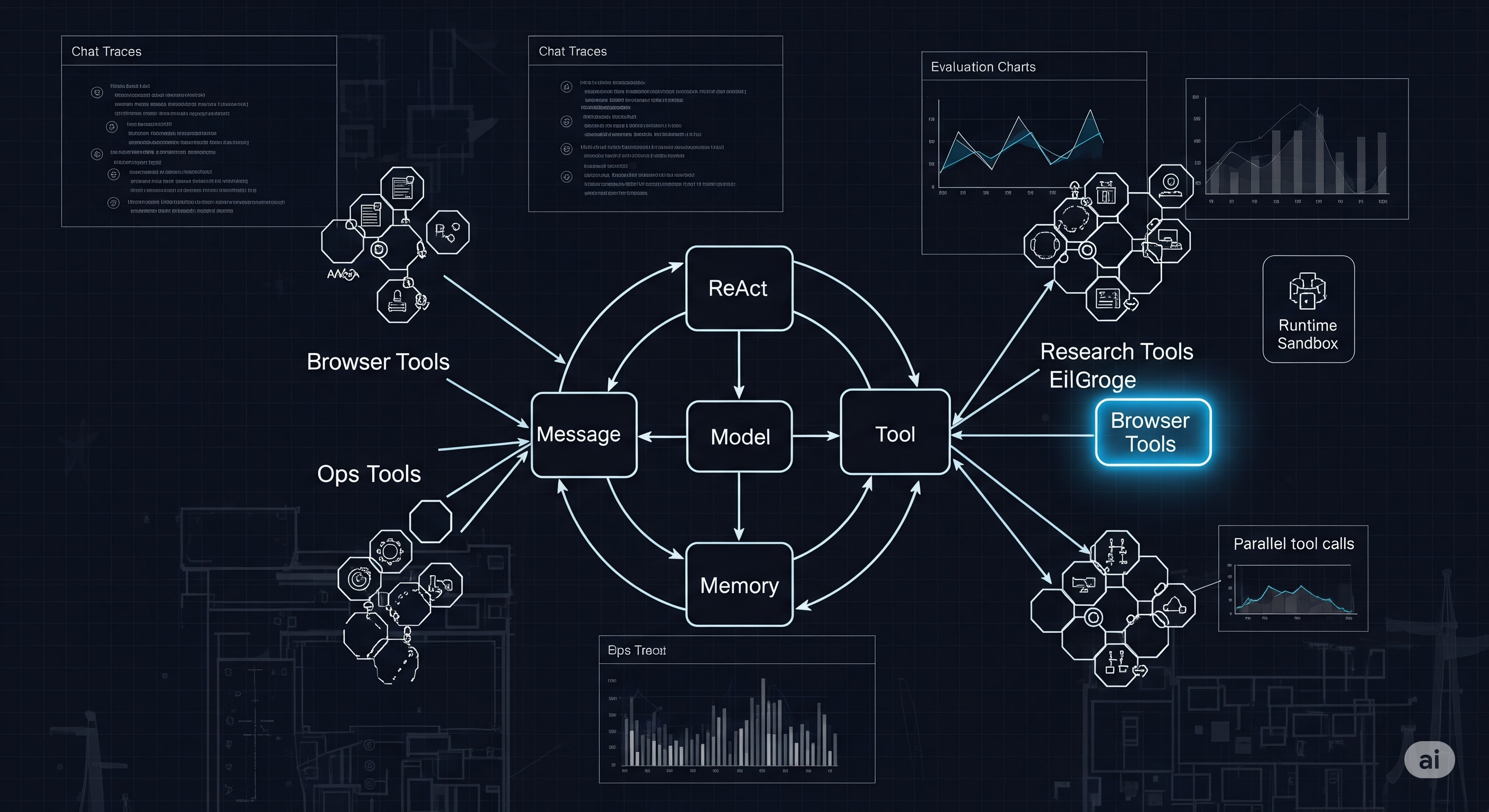
ReAct Without the Chaos: AgentScope 1.0 Turns Tools into Strategy

Thesis: AgentScope 1.0 is less a toolkit and more a discipline for agentic software. By pinning everything to ReAct loops, unifying “message–model–memory–tool,” and adding group-wise tool provisioning, it addresses the real failure mode of agents in production: tool sprawl without control. The evaluation/Studio/runtime trio then turns prototypes into shippable services. What’s actually new (and why it matters) 1) A crisp core: Message → Model → Memory → Tool Most frameworks blur these into ad‑hoc objects; AgentScope forces a clean, composable boundary: ...

August 25, 2025 · 4 min · Zelina
Cover image

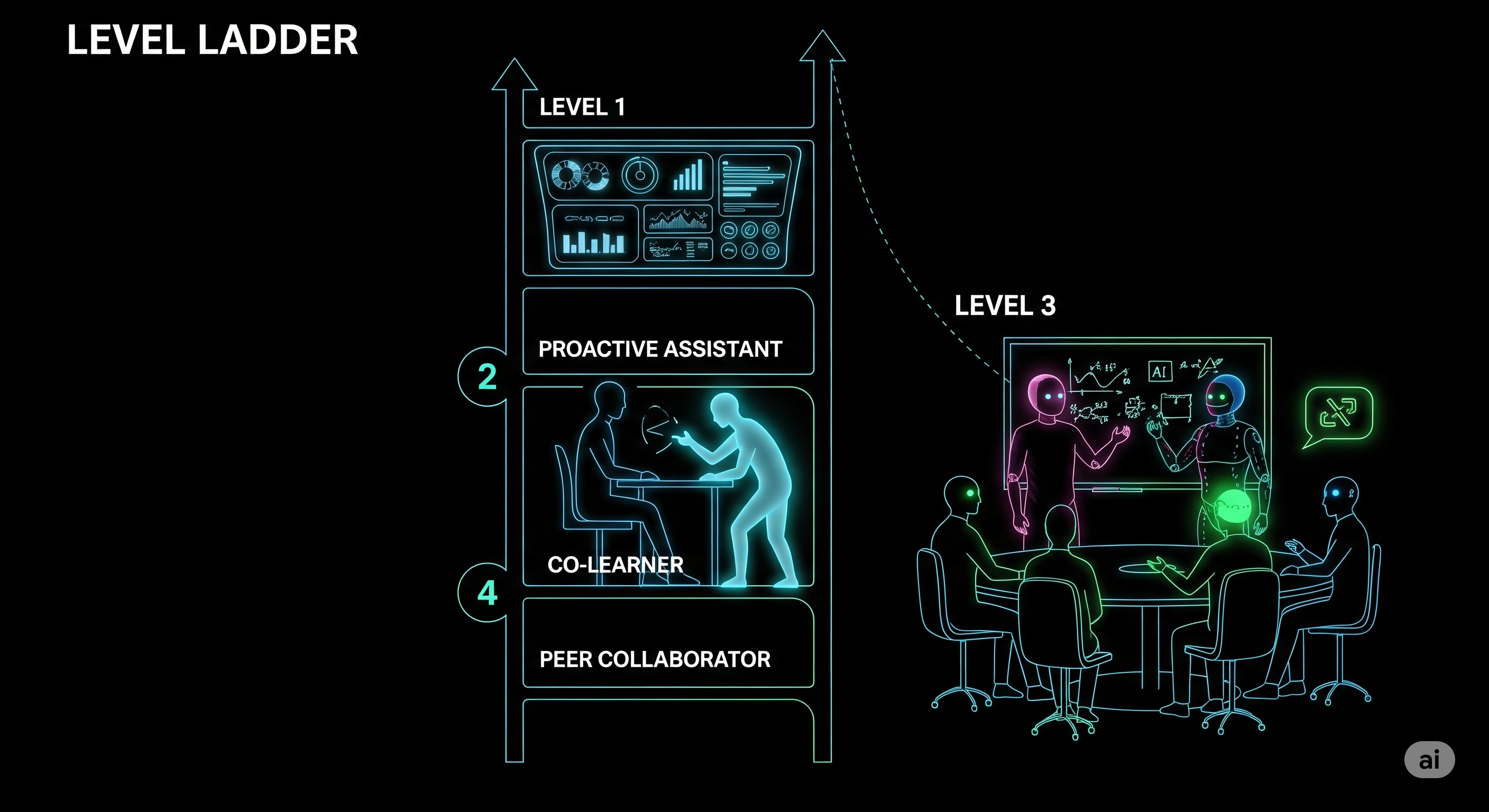
From Copilot to Colleague: The APCP Ladder for Agentic Learning

What changes when AI stops waiting for prompts and starts sharing goals? Short answer: your entire learning stack, from pedagogy to performance reviews. Most commentary about “AI in learning” stops at content generation and chatbot tutors. A new conceptual model—APCP: Adaptive instrument → Proactive assistant → Co‑learner → Peer collaborator—pushes further: it treats AI as a socio‑cognitive teammate. That frame matters for businesses building capability academies, compliance programs, or AI‑augmented teams. Below, I unpack APCP in plain business terms, show concrete patterns you can pilot next quarter, and flag the governance traps you’ll want to avoid. ...

August 23, 2025 · 4 min · Zelina
Cover image

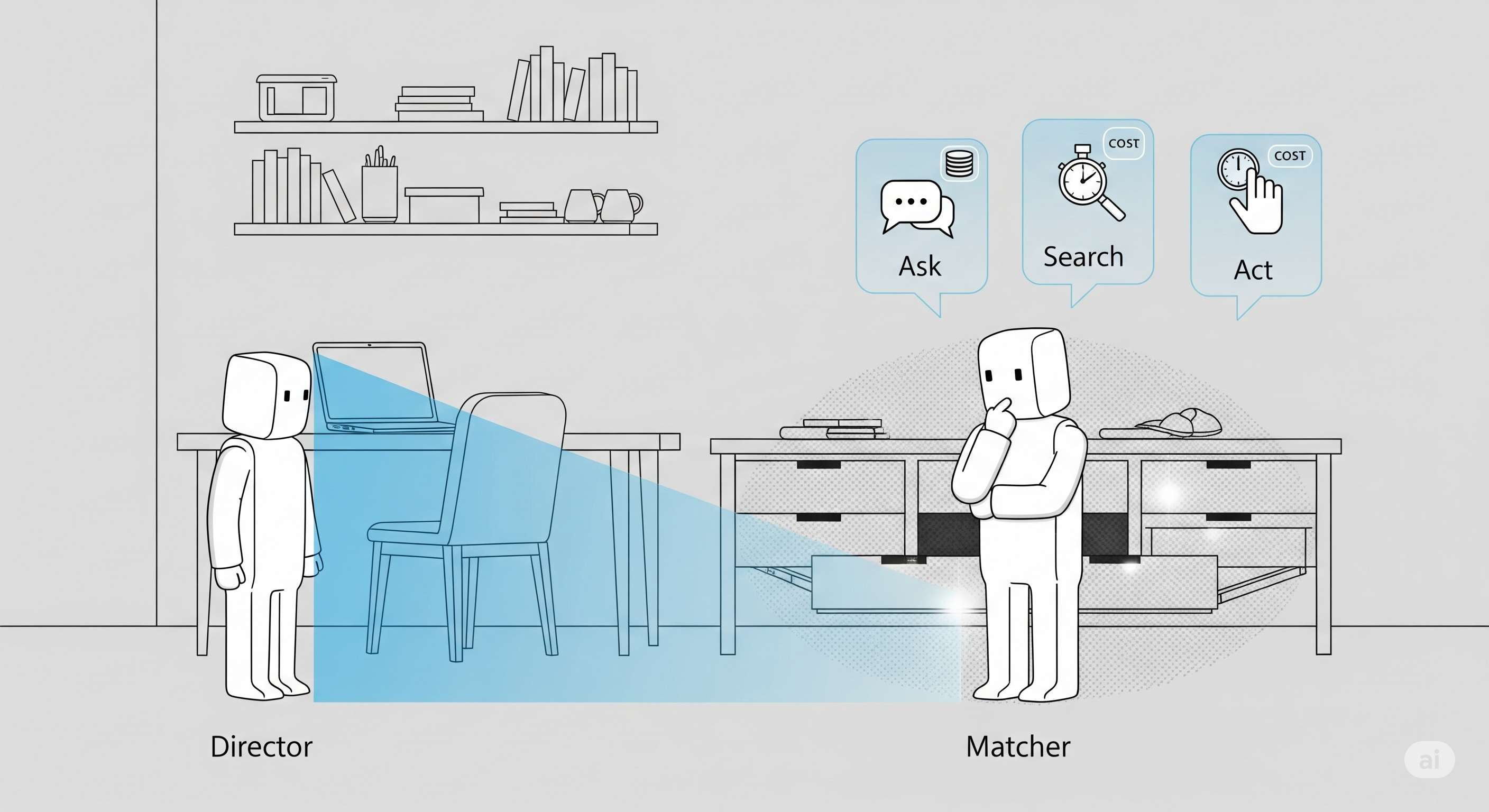
Who Sees What, Who Pays the Cost? Teaching Agents to See Through Others’ Eyes

TL;DR A new study probes whether you can teach perspective‑taking to ReAct‑style LLM agents by feeding them structured examples distilled from a symbolic planner: optimal goal paths (G‑type), information‑seeking paths (E‑type), and local contrastive decisions (L‑type). The punchline: agents became decent at common‑ground filtering (what the other party can see) but remained brittle at imagining occluded space and pricing the cost of asking vs. exploring. In business terms, they’re good at “don’t recommend what the customer can’t see,” but still bad at “should I go find out more before I act—and is it worth it?” ...

August 23, 2025 · 5 min · Zelina
Cover image

IRB, API, and a PI: When Agents Run the Lab

Virtuous Machines: Towards Artificial General Science reports something deceptively simple: an agentic AI designed three psychology studies, recruited and ran 288 human participants online, built the analysis code, and generated full manuscripts—end‑to‑end. Average system runtime per study: ~17 hours (compute time, excluding data collection). The paper frames this as a step toward “artificial general science.” The more immediate story for business leaders: a new production function for knowledge work—one that shifts the bottleneck from human hours to orchestration quality, governance, and data rights. ...

August 20, 2025 · 5 min · Zelina
Cover image

Quants With a Plan: Agentic Workflows That Outtrade AutoML

If AutoML is a fast car, financial institutions need a train with tracks—a workflow that knows where it’s going, logs every switch, and won’t derail when markets regime-shift. A new framework called TS-Agent proposes exactly that: a structured, auditable, LLM-driven agent that plans model development for financial time series instead of blindly searching. Unlike generic AutoML, TS-Agent formalizes modeling as a multi-stage decision process—Model Pre-selection → Code Refinement → Fine-tuning—and anchors each step in domain-curated knowledge banks and reflective feedback from real runs. The result is not just higher accuracy; it’s traceability and consistency that pass governance sniff tests. ...

August 20, 2025 · 5 min · Zelina