
Residual Entanglement: How ResQuNNs Fix Gradient Flow in Quantum Neural Networks
ResQuNNs show that deeper quanvolutional neural networks fail less from lack of quantum expressivity than from broken gradient access after measurement and re-encoding.
ResQuNNs show that deeper quanvolutional neural networks fail less from lack of quantum expressivity than from broken gradient access after measurement and re-encoding.

A mechanism-first reading of why diminishing returns may erode frontier-model compute moats faster than most AI strategy decks admit.
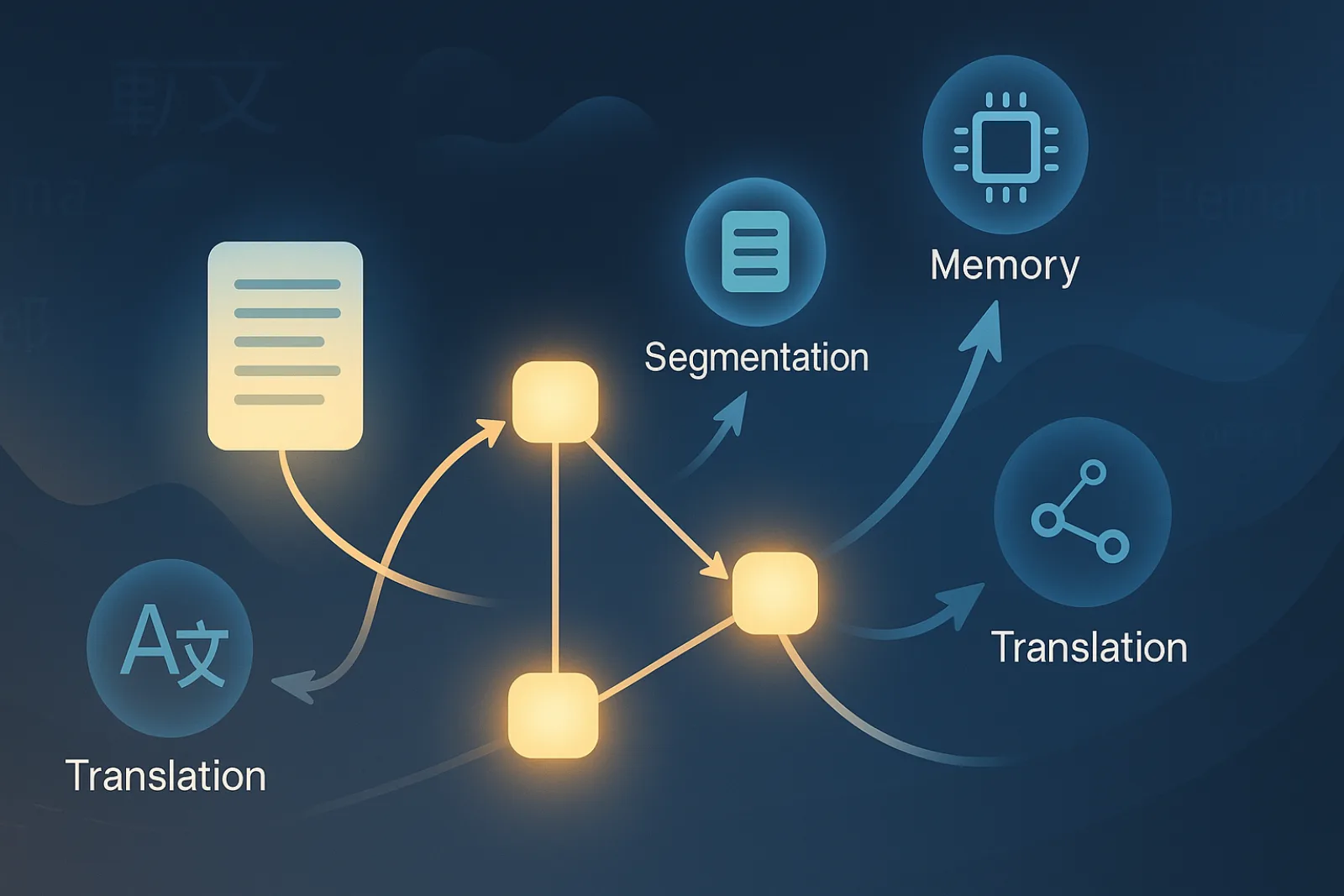
GRAFT shows that better document translation may come less from longer context windows than from explicit discourse structure, dependency graphs, and selective memory.

A mechanism-first reading of Microsoft’s Copilot usage study, showing how generative AI maps onto real work activities without pretending that applicability equals automation.

A field guide to why LLM-generated survey responses are fragile, biased, and useful only when treated as instruments to validate rather than respondents to trust.

A mechanism-first reading of why alignment for user satisfaction can make language models more persuasive while making them less committed to truth.

A practical reading of why AI-assisted monitoring tools need feedback infrastructure, not just better classifiers.
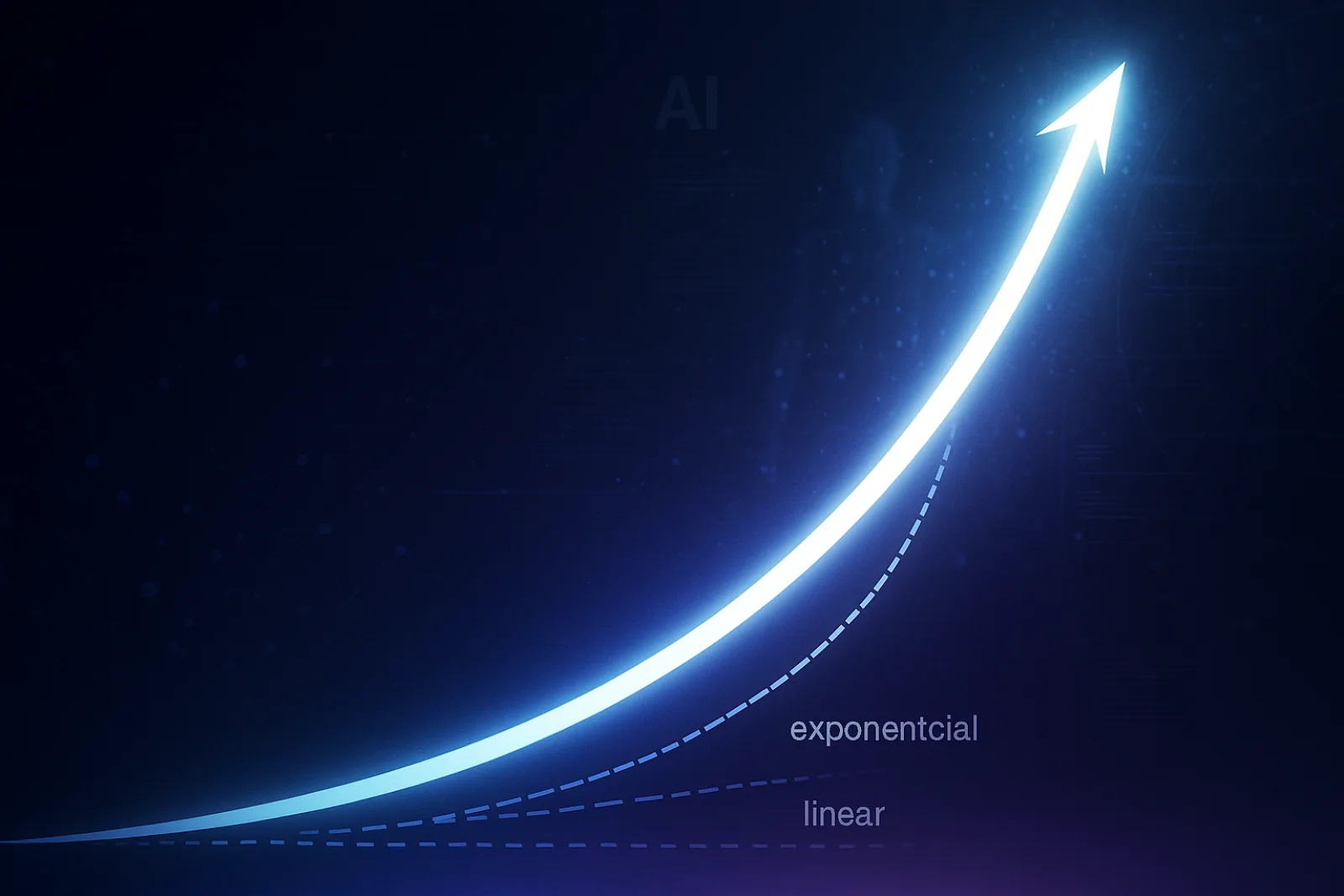
A mechanism-first reading of the Jolting Technologies Hypothesis: useful as an early-warning framework, not yet proof that AI capability curves are already superexponential.

Michael I. Jordan’s paper argues that AI systems should be designed less like isolated minds and more like markets of people, data, incentives, uncertainty, and local knowledge.
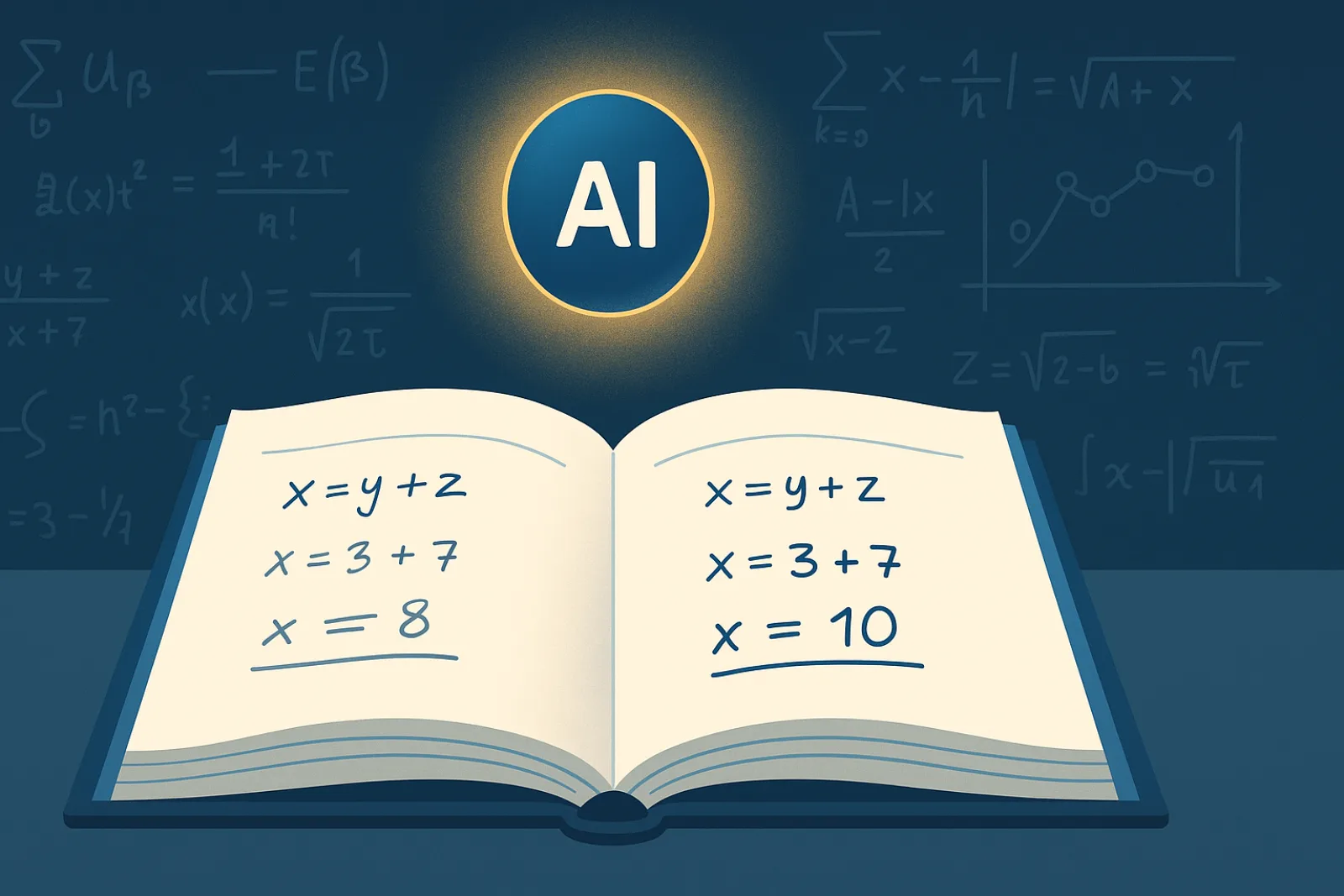
A mechanism-first look at why preference tuning can extract strong gains from weak model pairs, and where the shortcut stops working.