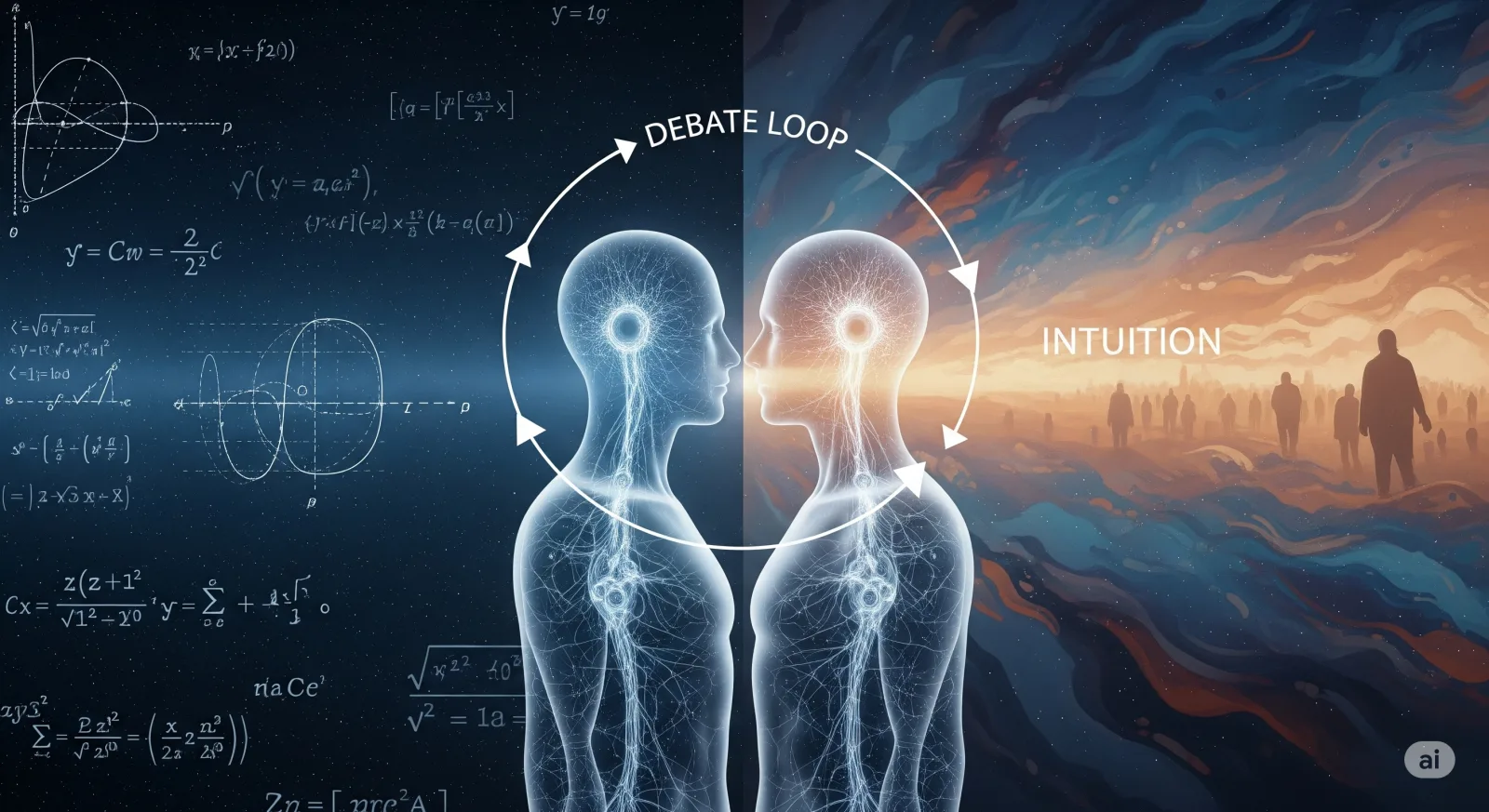
Inner Critics, Better Agents: The Rise of Introspective AI
A practical reading of Introspection of Thought, a prompt-side framework that compresses agent-like debate into a single LLM call.
A practical reading of Introspection of Thought, a prompt-side framework that compresses agent-like debate into a single LLM call.
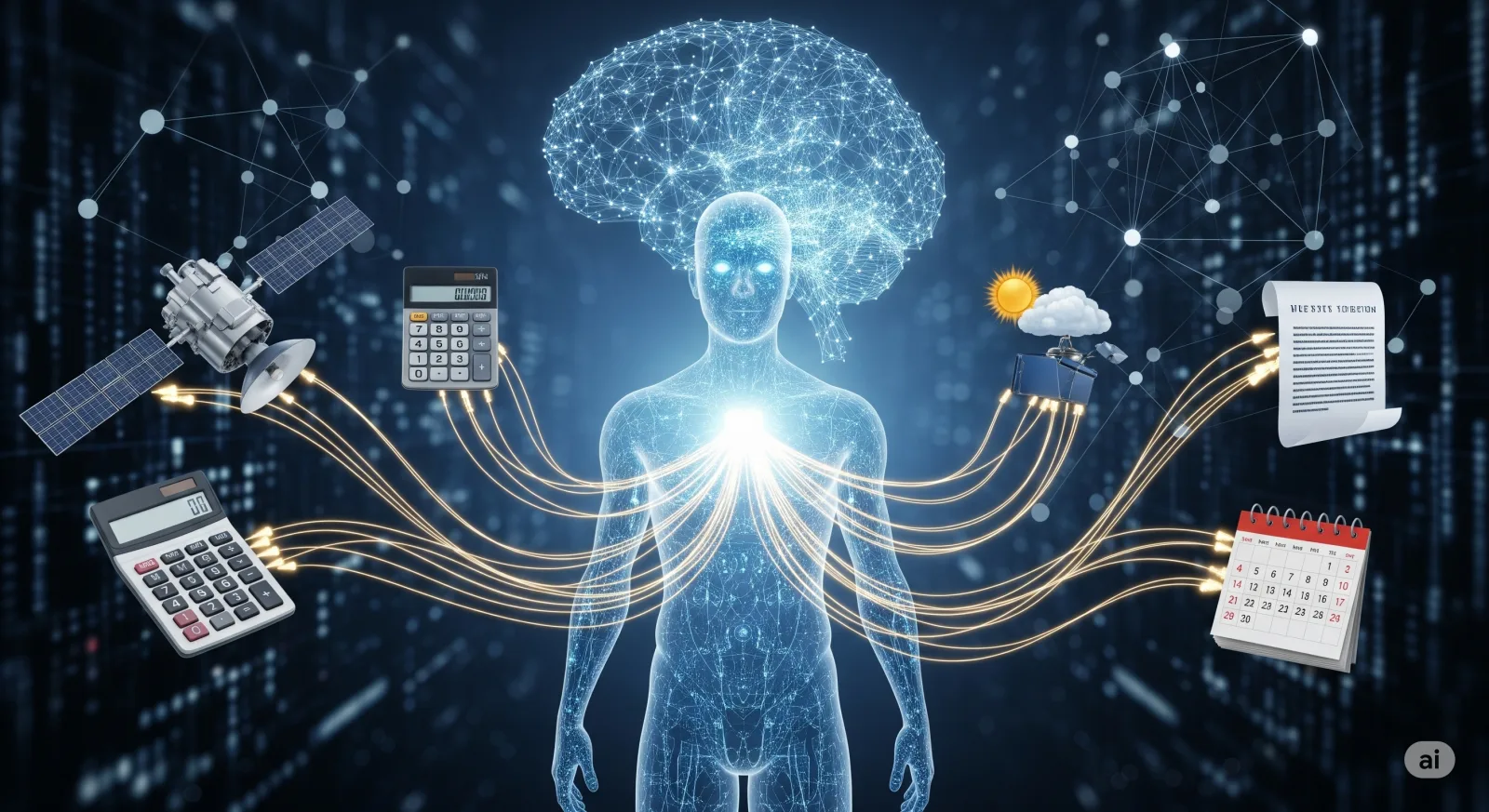
Athena shows that LLM accuracy can improve when models are wired to calculators, APIs, and run-monitoring loops, but the real lesson is orchestration discipline rather than model-size theatre.

A multimodal benchmark shows why finfluencer confidence is easier to sell than to parse, trade, or operationalise safely.
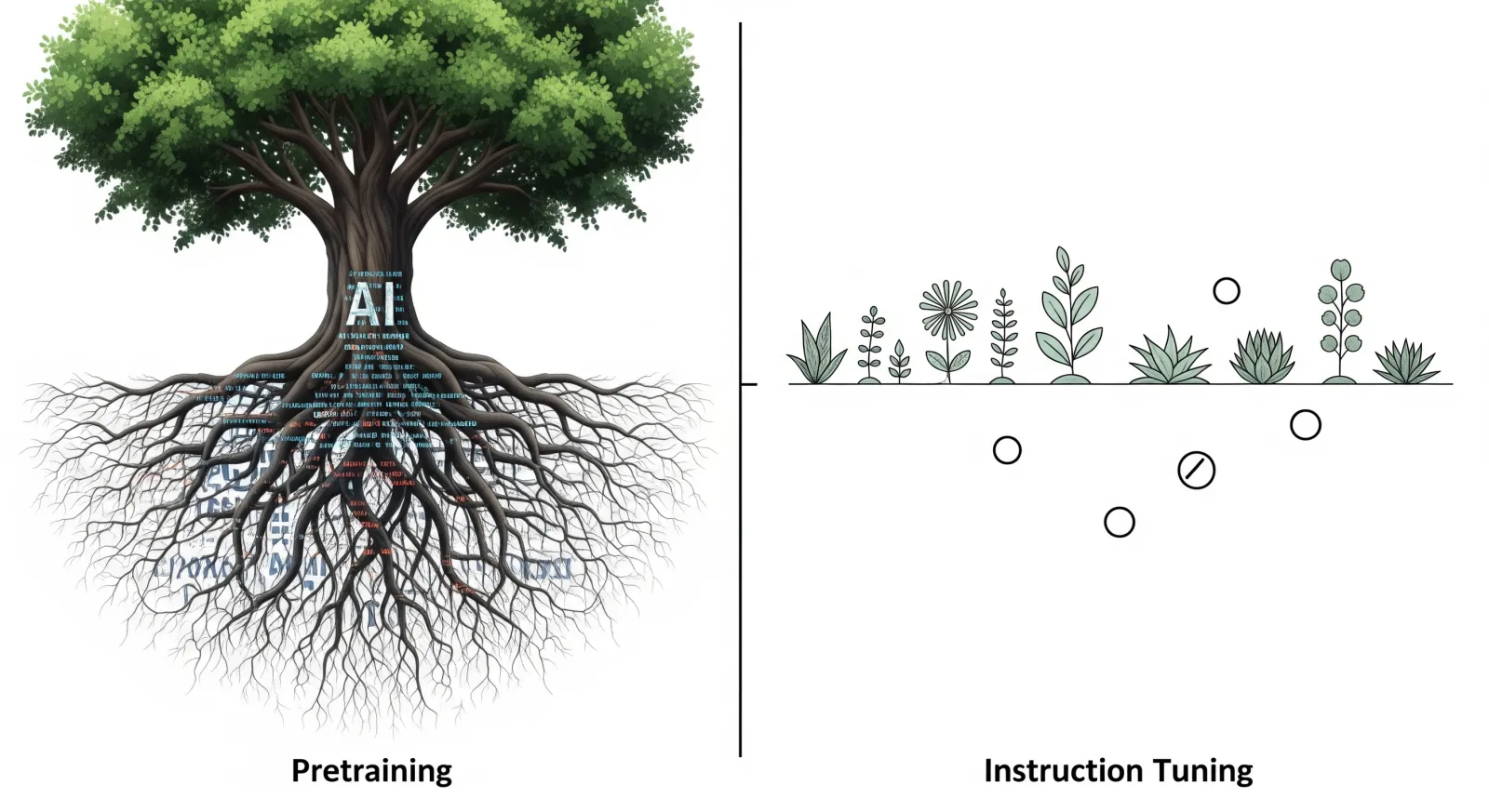
A causal study suggests that LLM cognitive biases are shaped mainly by pretraining, while fine-tuning mostly modulates how those biases appear.
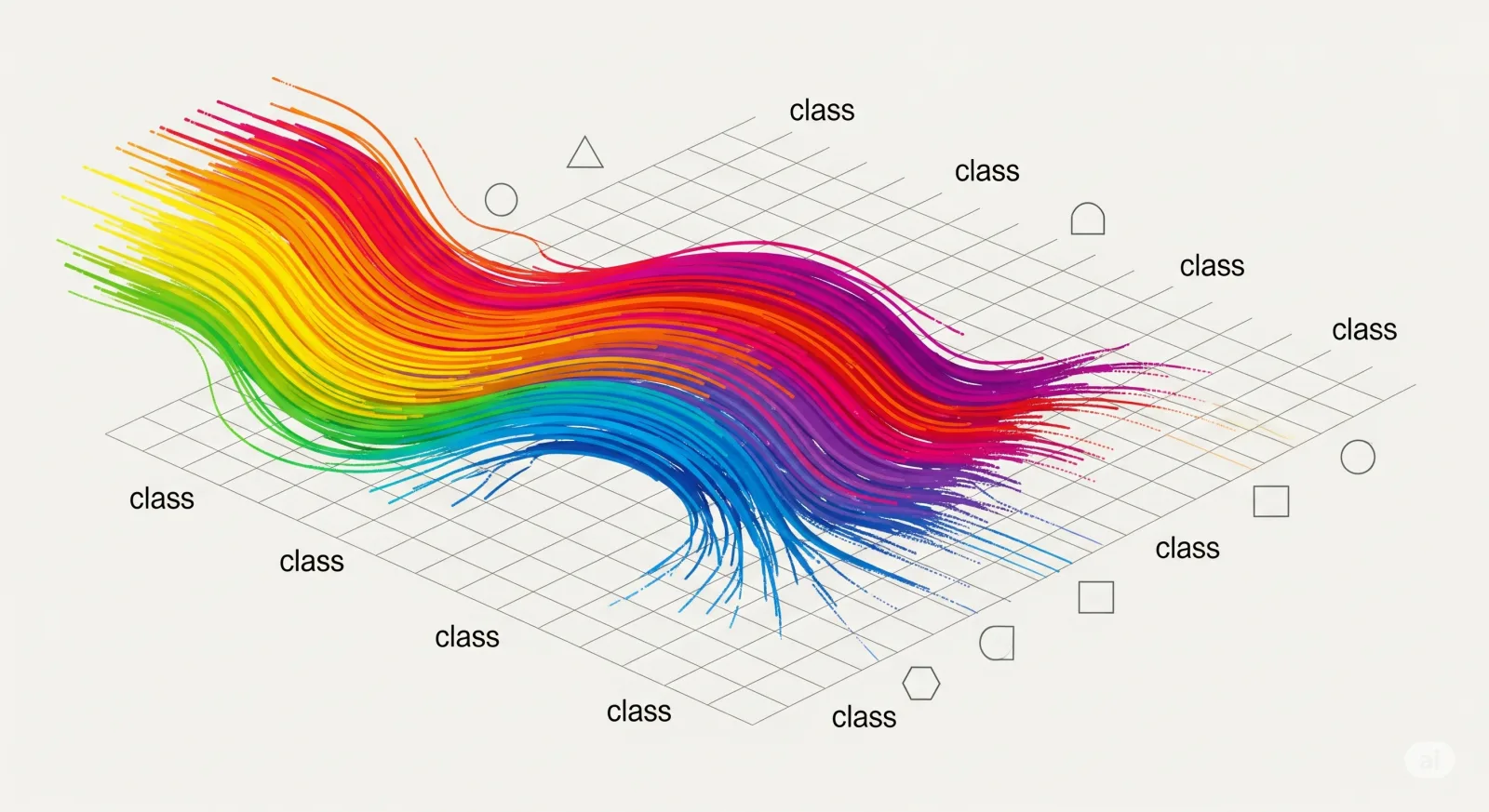
DeMul shows how vision-language models can borrow GPT semantics without depending on noisy generated descriptions.

A mechanism-first look at how literature mining and matrix factorisation can rank hidden material-property links without pretending to replace experimental validation.

STELLA shows how biomedical AI agents may become more useful by evolving their reasoning workflows and toolsets, not merely by adding a larger language model.
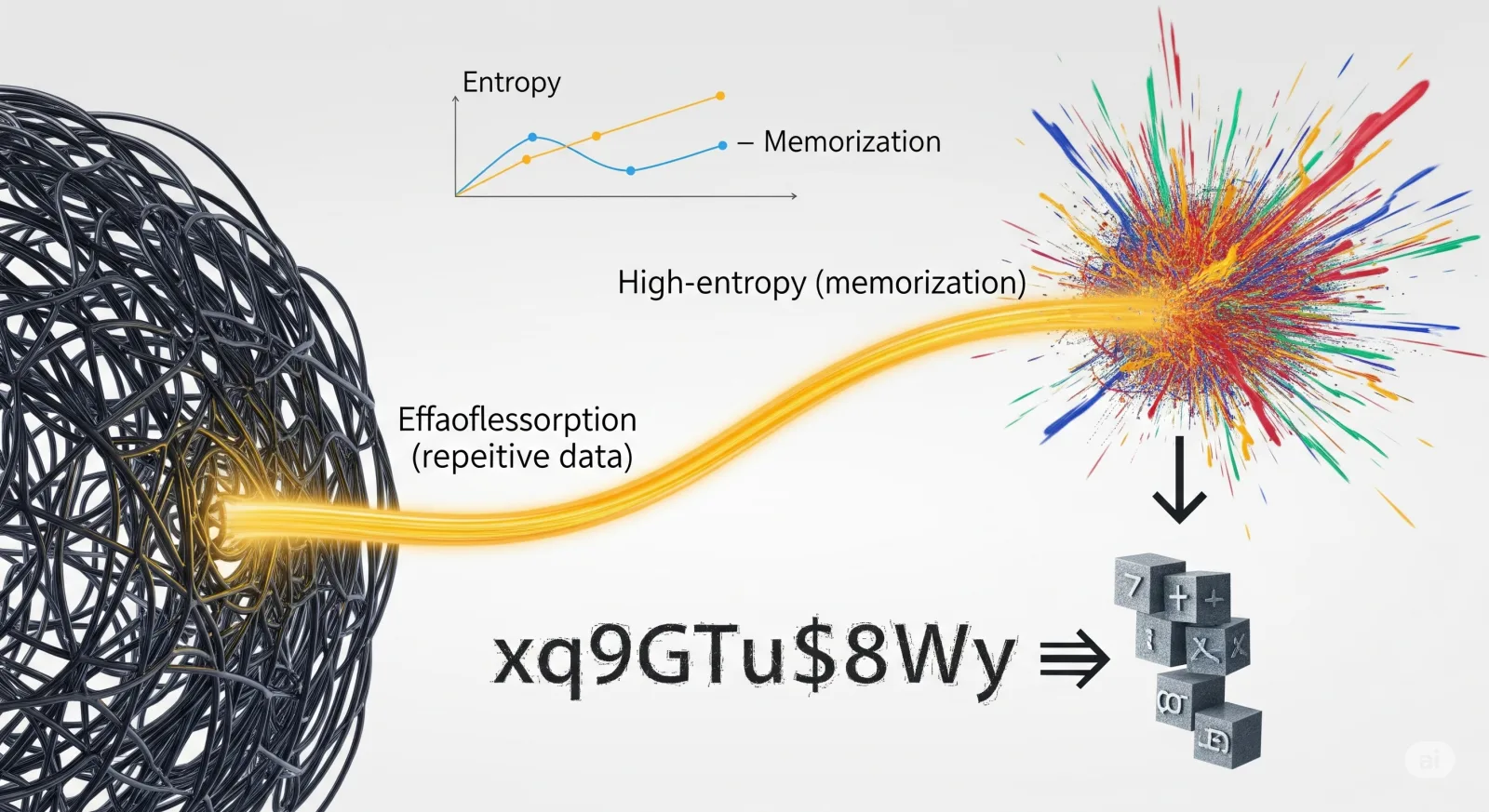
A mechanism-first reading of how set-level entropy turns noisy memorization anecdotes into a practical audit signal for LLM training data.
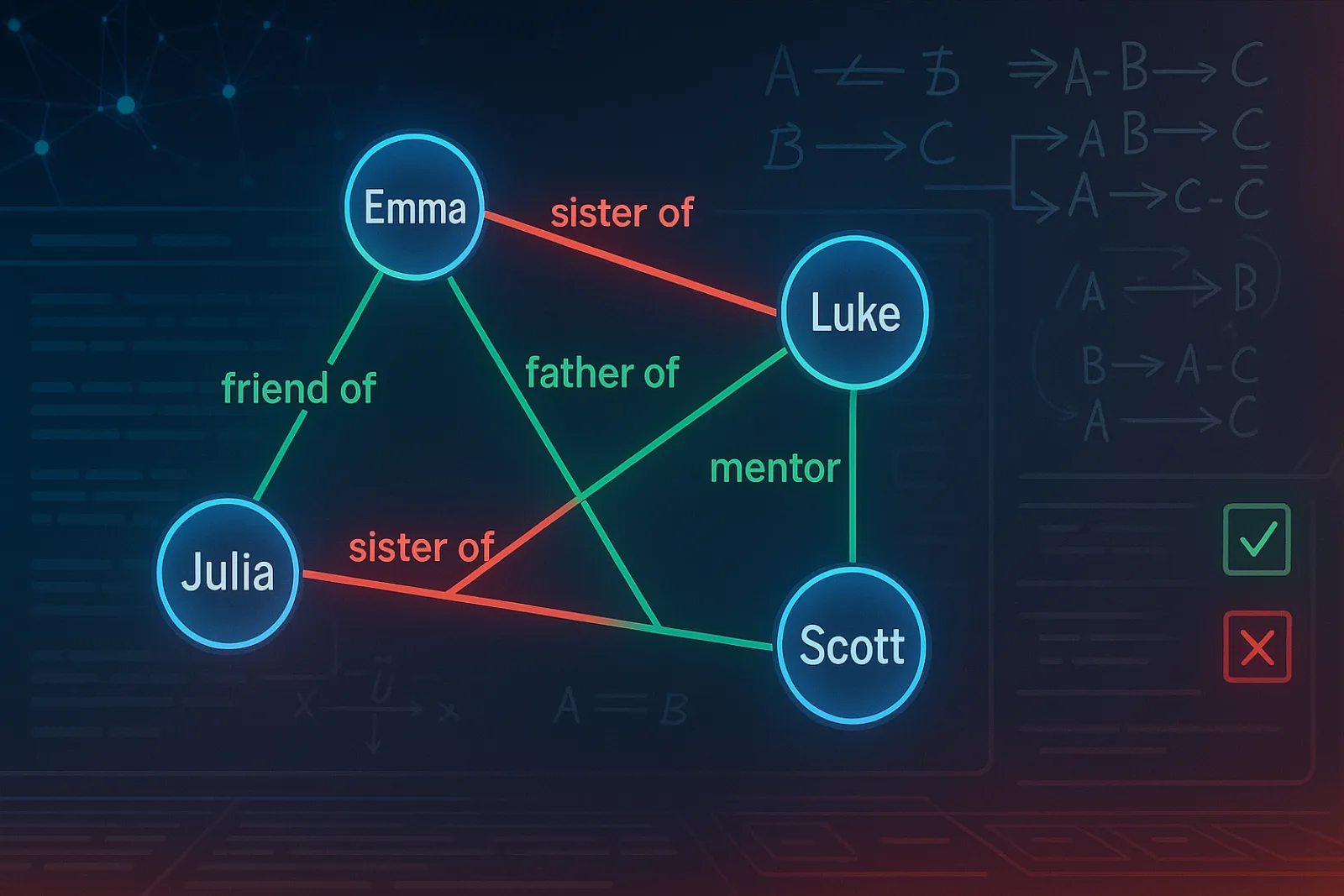
SymbolicThought shows why reliable relationship extraction needs LLMs, symbolic rules, evidence retrieval, and human verification working as one system.

A practical map of what causal analysts can and cannot claim when the full causal graph is unknown.