
The Shock Doctrine of Portfolio Optimization
A mechanism-first look at how regime-switching-induced price shocks change mean-variance portfolio design from parameter tuning into shock-aware control.
A mechanism-first look at how regime-switching-induced price shocks change mean-variance portfolio design from parameter tuning into shock-aware control.

A network-first reading of how MST filtering, FEVD influence, VaR weighting, and neural forecasts produced a concentrated equity strategy that beat the S&P 500 in one gross backtest.

A mechanism-first reading of why trade-volume fluctuations can make familiar Markowitz variance either understate or overstate portfolio risk.

A mechanism-first reading of how long-memory mortality and interest-rate models change the pricing and risk management of catastrophe mortality bonds.

A state-adaptive volatility forecasting paper shows why crypto risk desks should monitor spillover roles, not just market capitalisation.
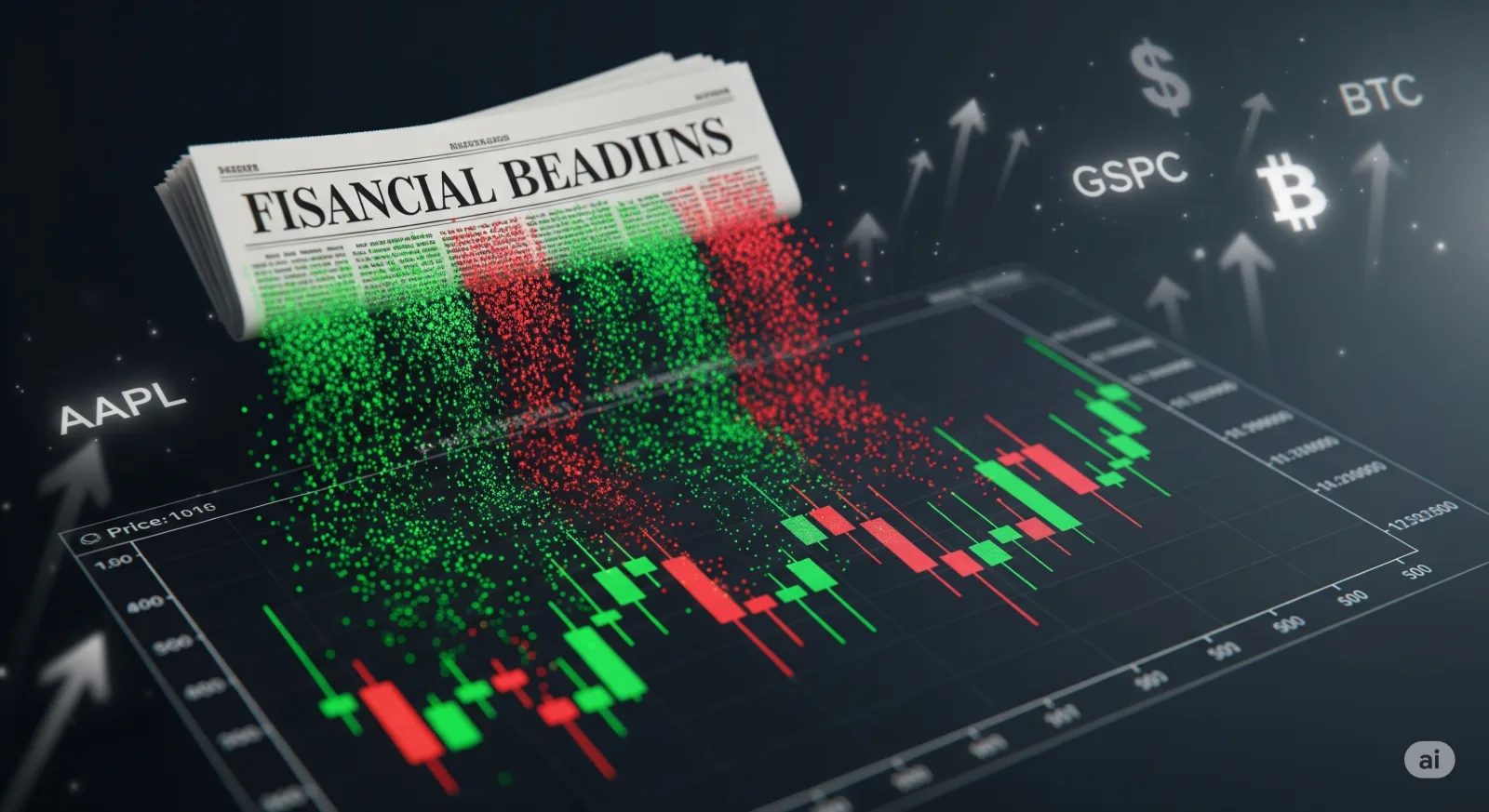
FinMarBa reframes financial sentiment analysis by replacing human semantic labels with labels derived from actual next-day market reactions.
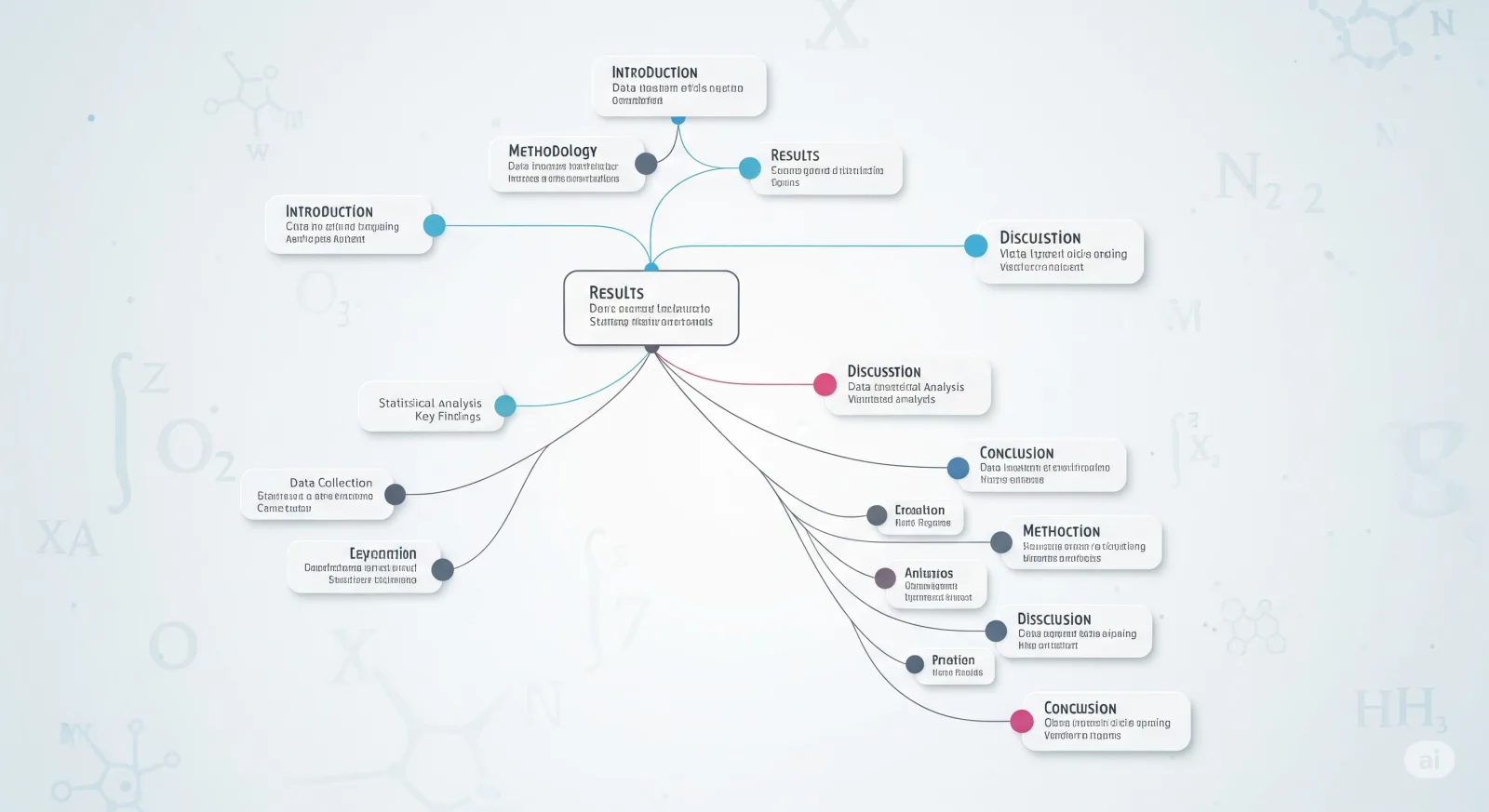
TreeReader shows that the useful AI reader may not be a chatbot at all, but a structured interface that turns papers into navigable, verifiable maps.

A practical reading of MDM-OC, a model-composition framework that uses orthogonal task deltas to merge, update, and unmerge fine-tuned models with less interference.

SimuRA shows why useful AI agents may need less blind action and more internal rehearsal before they touch the browser.
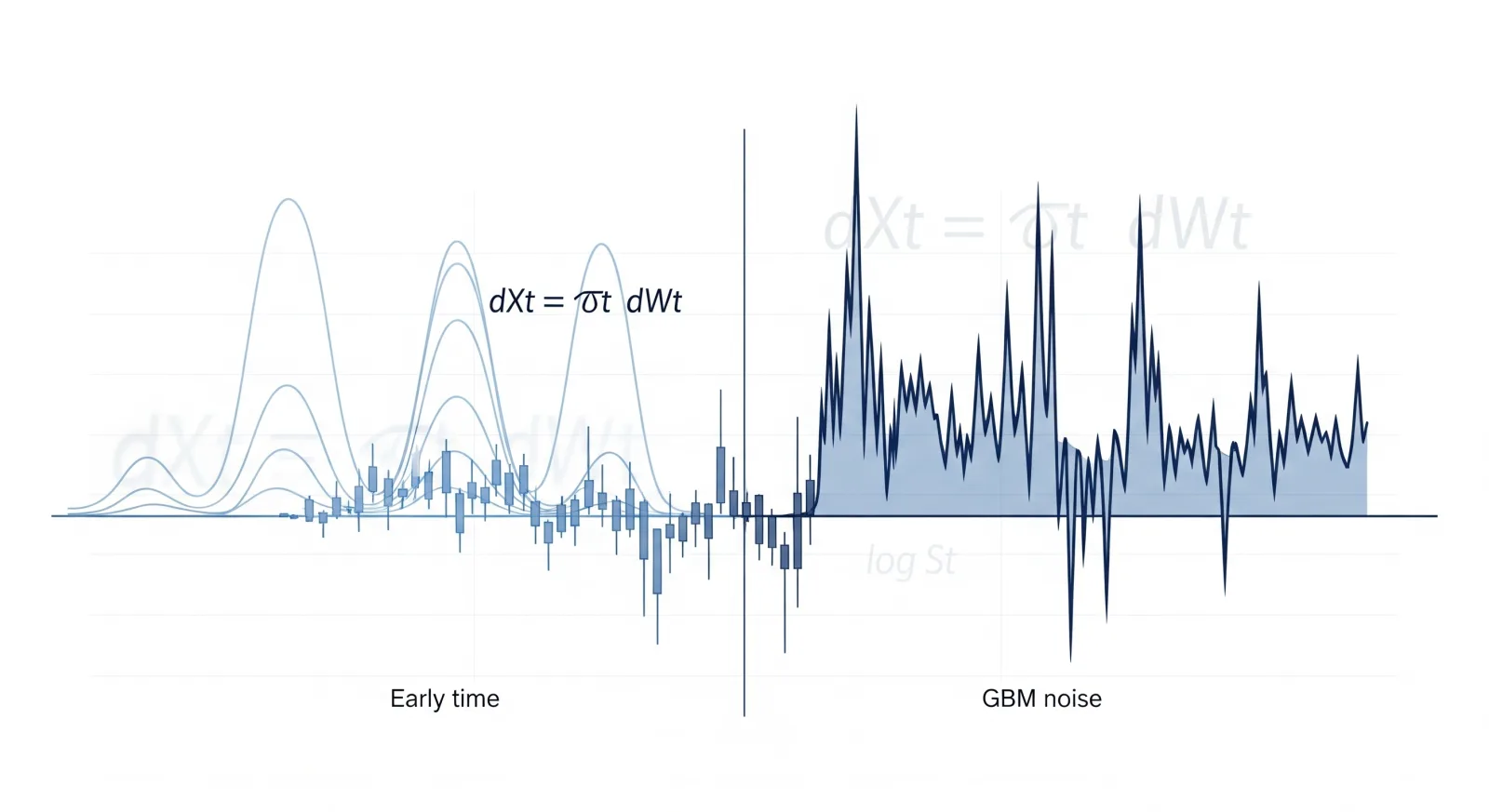
A mechanism-first look at why financial diffusion models may need price-proportional noise, not just larger neural networks.