
Love in the Time of Context: Why LLMs Still Don't Get You
Cupid shows that LLM personalization fails less because models cannot write tailored answers and more because they retrieve, infer, and apply the wrong contextual preference.
Cupid shows that LLM personalization fails less because models cannot write tailored answers and more because they retrieve, infer, and apply the wrong contextual preference.
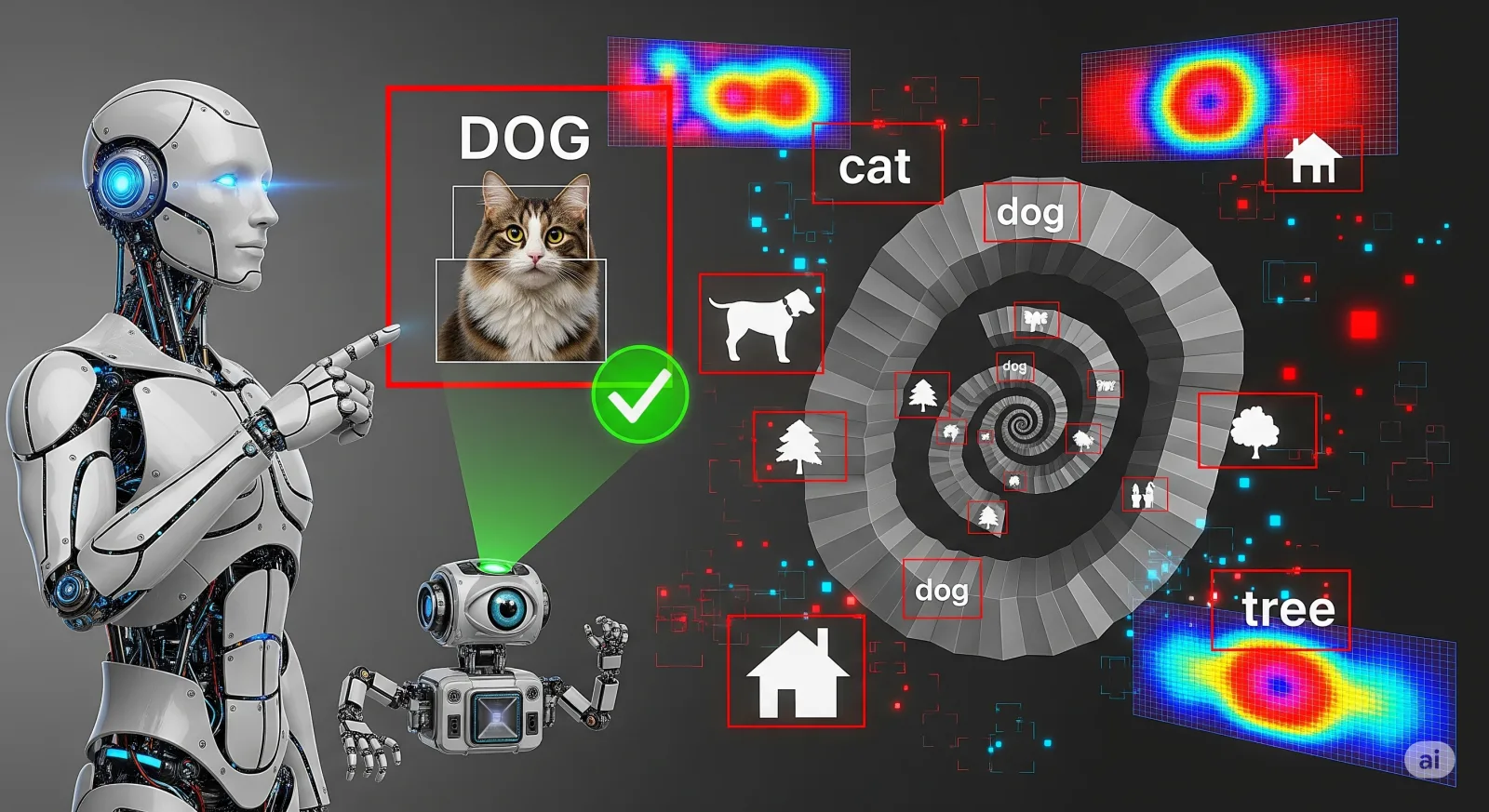
A practical reading of multimodal hallucination research: why visual models appear grounded, where that grounding fails, and how operators should diagnose before they deploy.

A practical reading of Multi-Band Variable-Lag Granger Causality and what frequency-specific delays can reveal in complex time series.

ProbGuard shows how runtime monitoring can move from catching unsafe agent actions to forecasting risky trajectories before they fail.

A practical map of how LLM-based code agents are moving from code completion into planning, debugging, testing, refactoring, and autonomous software workflows.

DevFT shows that federated LLM fine-tuning can become cheaper and faster when models grow through staged submodels instead of being trained end-to-end from the start.

A careful look at PhysicsEval and what its multi-agent verification results really imply for AI quality control.

SynAdapt shows how LLM reasoning can be moved partly into latent space, cutting generated tokens while preserving accuracy through difficulty-aware fallback.

A closer look at what a CrewAI crypto portfolio study really shows: adaptive allocation matters, while agentic AI mostly improves workflow structure, auditability, and operational extensibility.

A comparison-based reading of whether AI research labour can substitute for frontier compute, and what that means for AI strategy.