
Add to Cart, Add to Power: What Happens When AI Shops for You
AI shopping agents may reduce search friction, but this paper shows they also create model-specific demand shocks, position bias, and a new market for AI-facing listing optimisation.
AI shopping agents may reduce search friction, but this paper shows they also create model-specific demand shocks, position bias, and a new market for AI-facing listing optimisation.

CAPO shows how stronger verifier models can turn blunt outcome rewards into step-localised training signals for smaller reasoning models.

FinKario shows that financial AI performance may depend less on bigger language models and more on converting research reports into dynamic, event-aware retrieval infrastructure.

Cupid shows that LLM personalization fails less because models cannot write tailored answers and more because they retrieve, infer, and apply the wrong contextual preference.
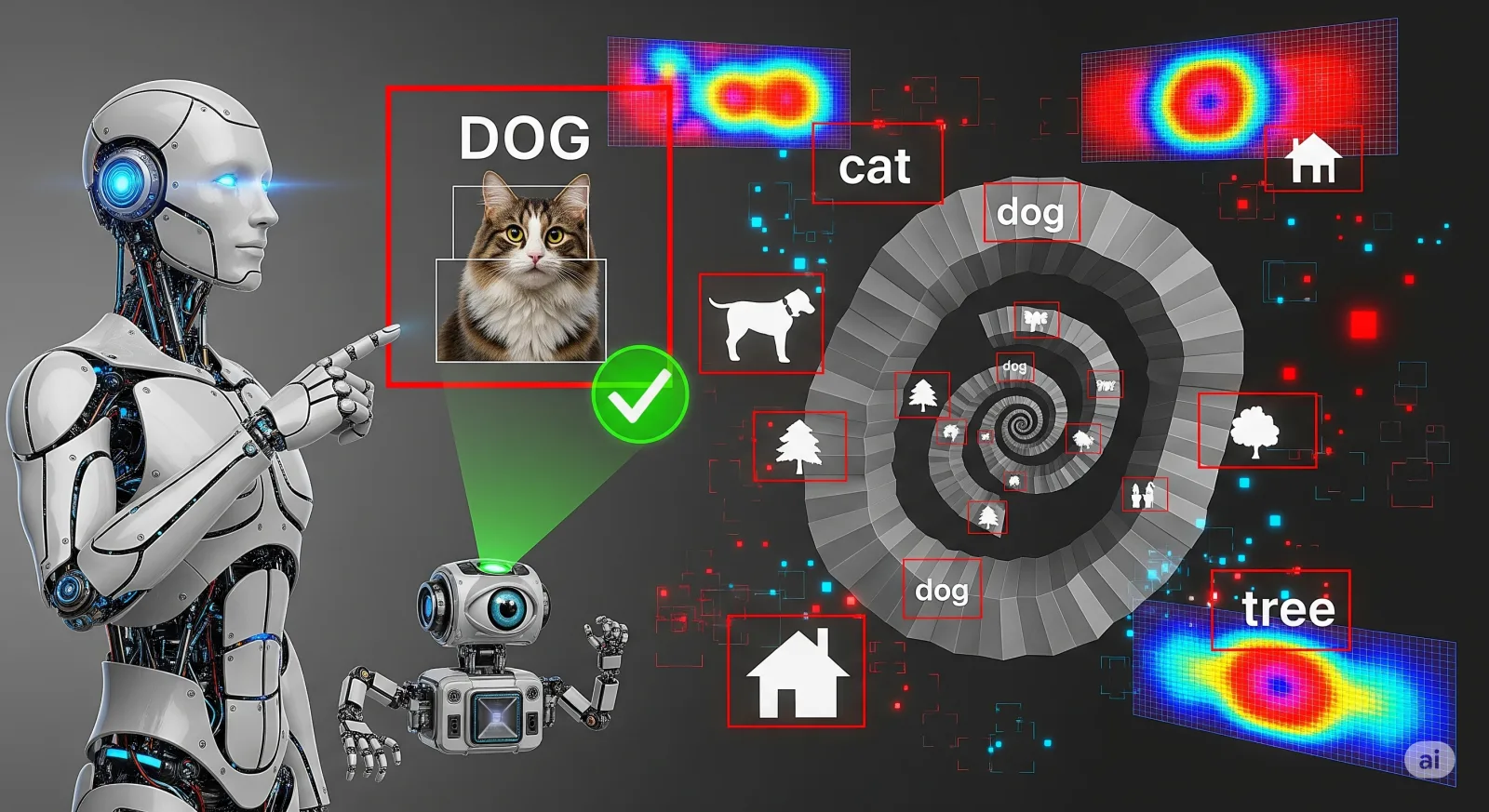
A practical reading of multimodal hallucination research: why visual models appear grounded, where that grounding fails, and how operators should diagnose before they deploy.

A practical reading of Multi-Band Variable-Lag Granger Causality and what frequency-specific delays can reveal in complex time series.

ProbGuard shows how runtime monitoring can move from catching unsafe agent actions to forecasting risky trajectories before they fail.

A practical map of how LLM-based code agents are moving from code completion into planning, debugging, testing, refactoring, and autonomous software workflows.

DevFT shows that federated LLM fine-tuning can become cheaper and faster when models grow through staged submodels instead of being trained end-to-end from the start.

A careful look at PhysicsEval and what its multi-agent verification results really imply for AI quality control.