
Forecast First, Ask Later: How DCATS Makes Time Series Smarter with LLMs
DCATS shows how LLM agents can improve time series forecasting by curating auxiliary data, not by inventing a cleverer forecasting model.
DCATS shows how LLM agents can improve time series forecasting by curating auxiliary data, not by inventing a cleverer forecasting model.
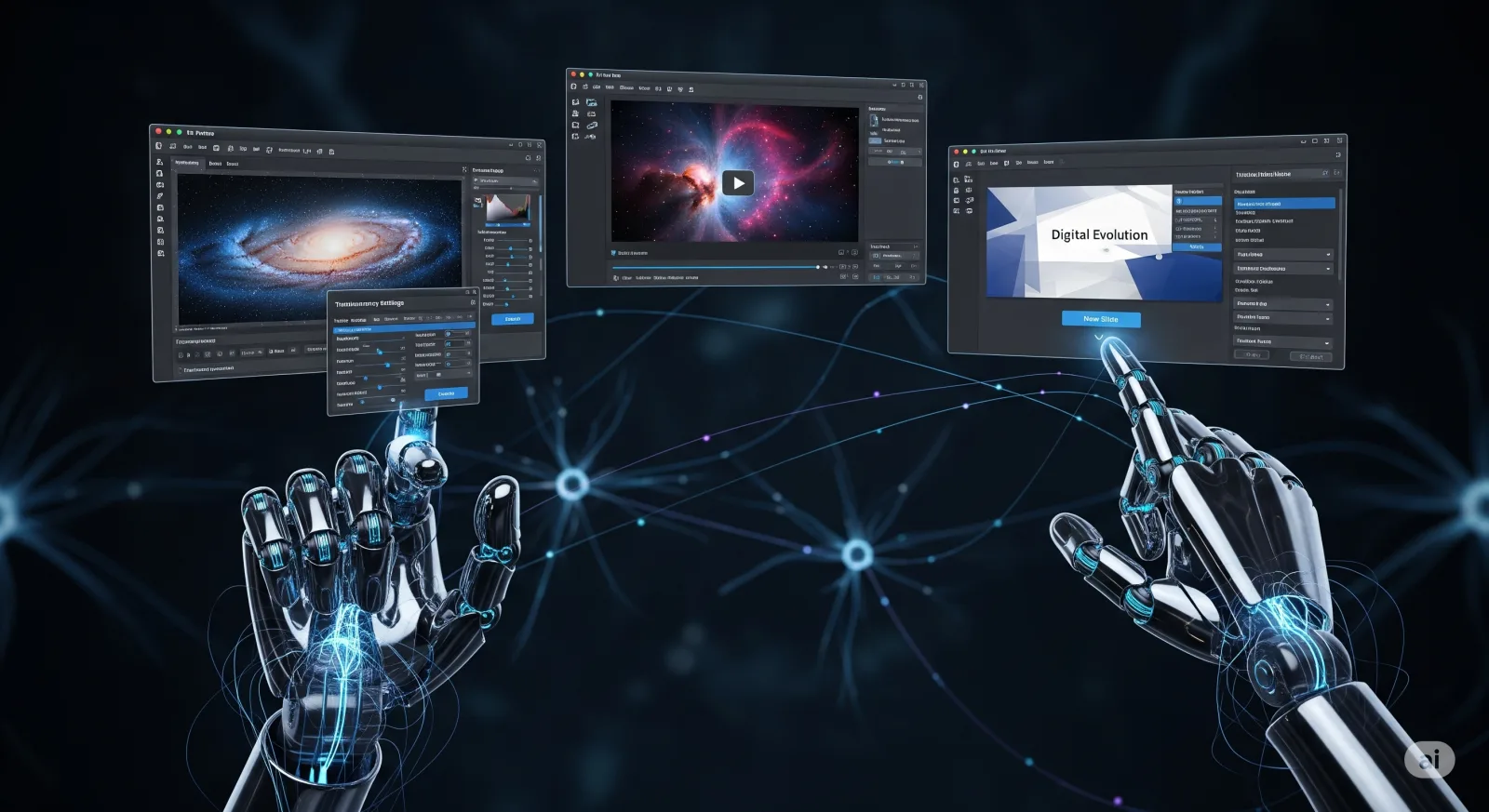
SEAgent shows how computer-use agents can adapt to unfamiliar software through self-generated curricula, trajectory-level judging, and specialist-to-generalist training.
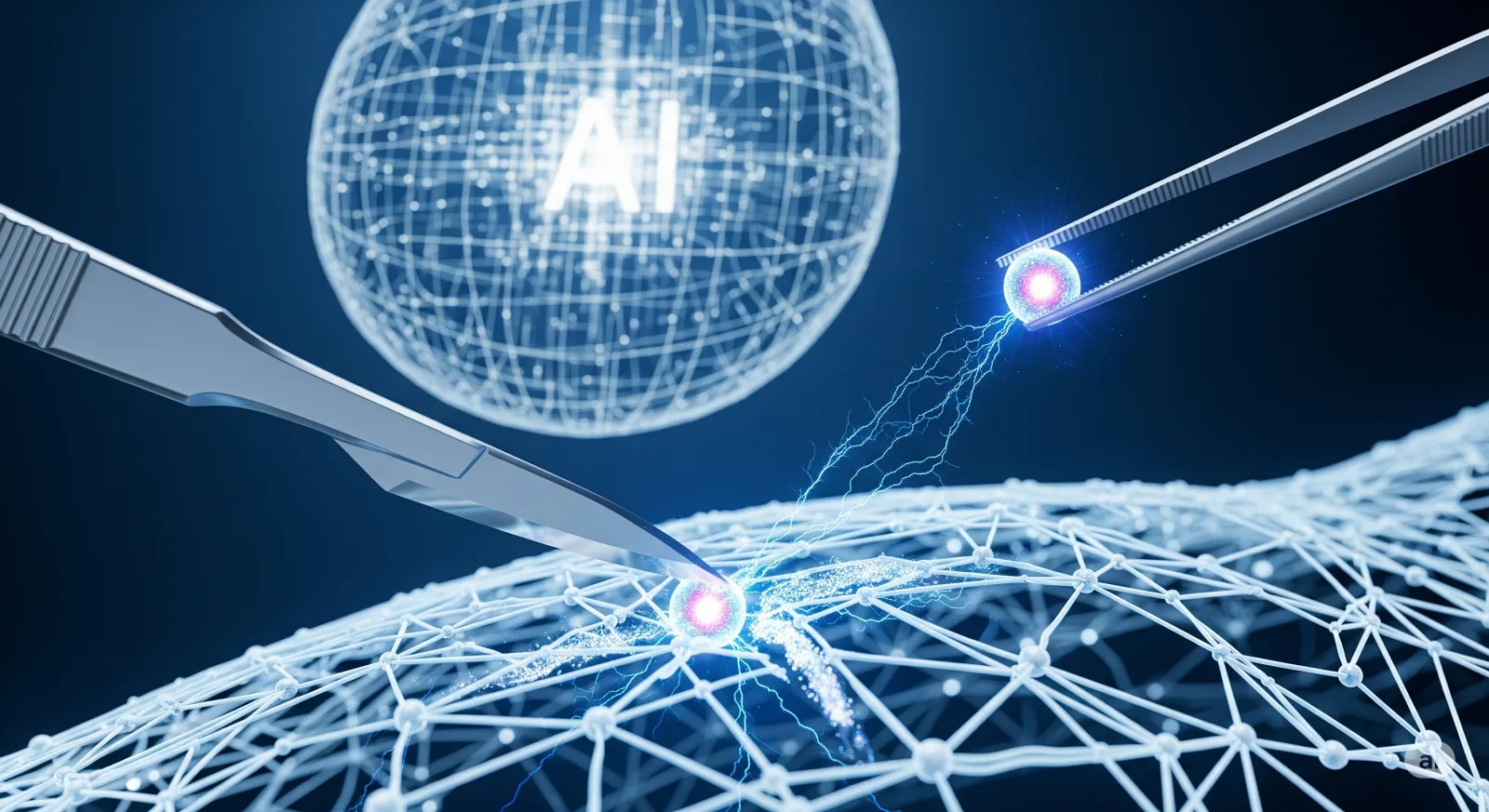
Latent Knowledge Scalpel reframes LLM editing as representation-level surgery: targeted entity updates without rewriting the whole model.

PRISM shows how symmetric multi-resolution filters can make time-series classifiers smaller, cheaper, and still competitive where temporal signals matter more than architectural fashion.
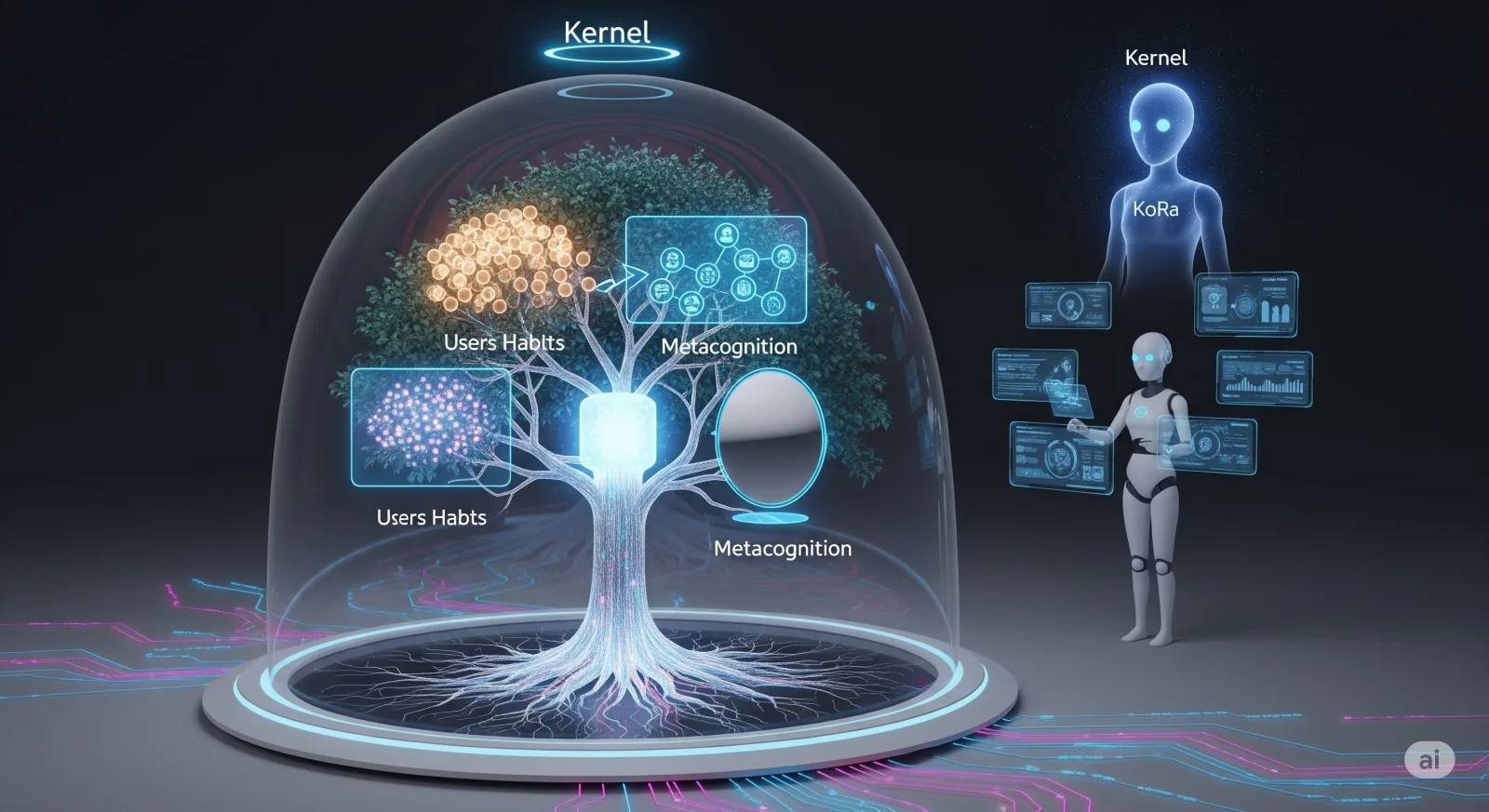
Galaxy shows how proactive personal agents may need cognition, system design, privacy handling, and self-repair to evolve as one mechanism rather than four separate features.

A practical reading of how Web3-AI agents are moving from chat interfaces into infrastructure, DeFi execution, governance, security, and trust mechanisms.
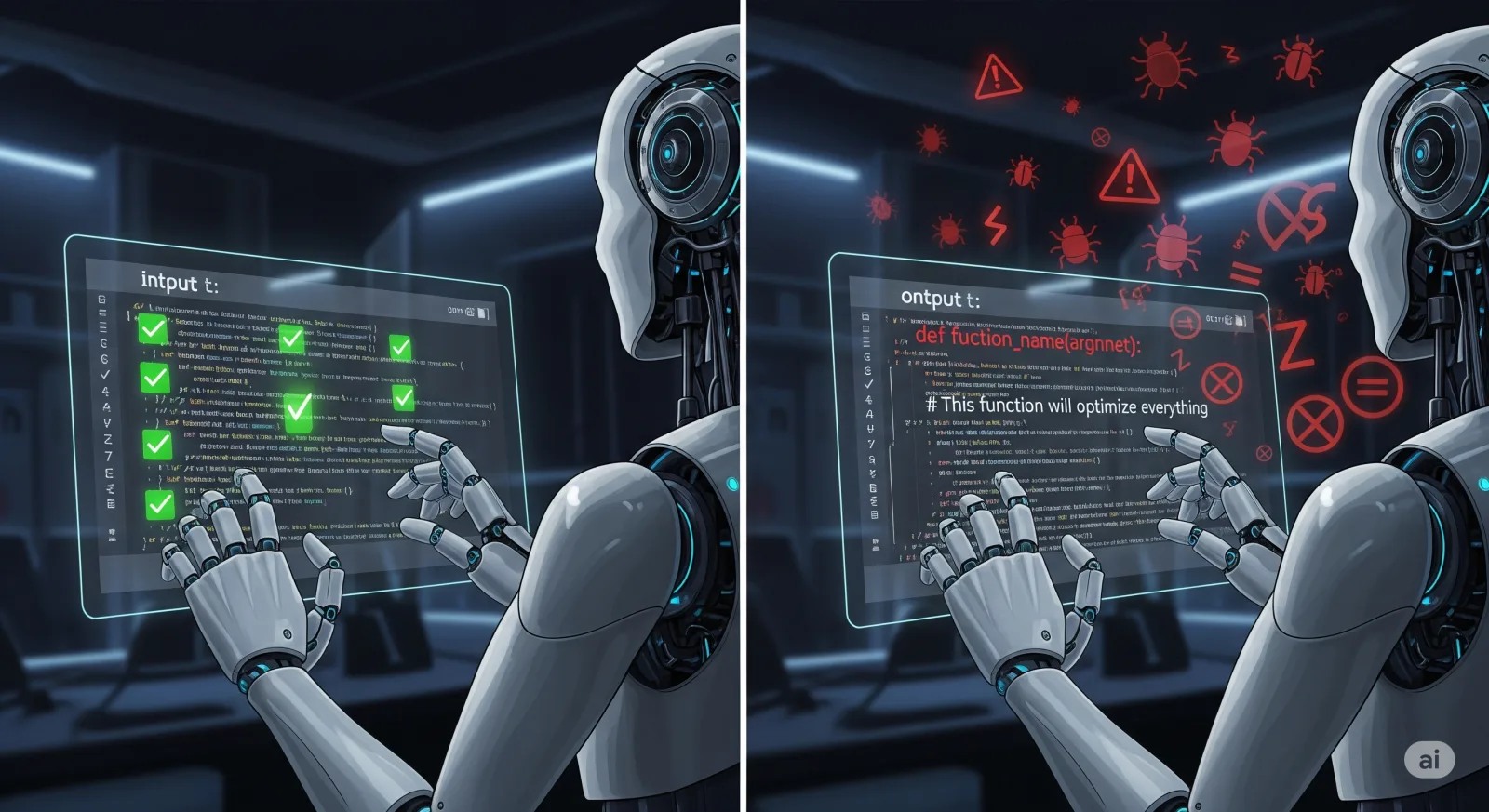
FPBench shows that many LLM code assistants can detect faulty requirements when prompted, but often fail to question bad premises on their own.

A mechanism-first reading of OpenAI’s malicious fine-tuning study and what it implies for evaluating open-weight model releases.
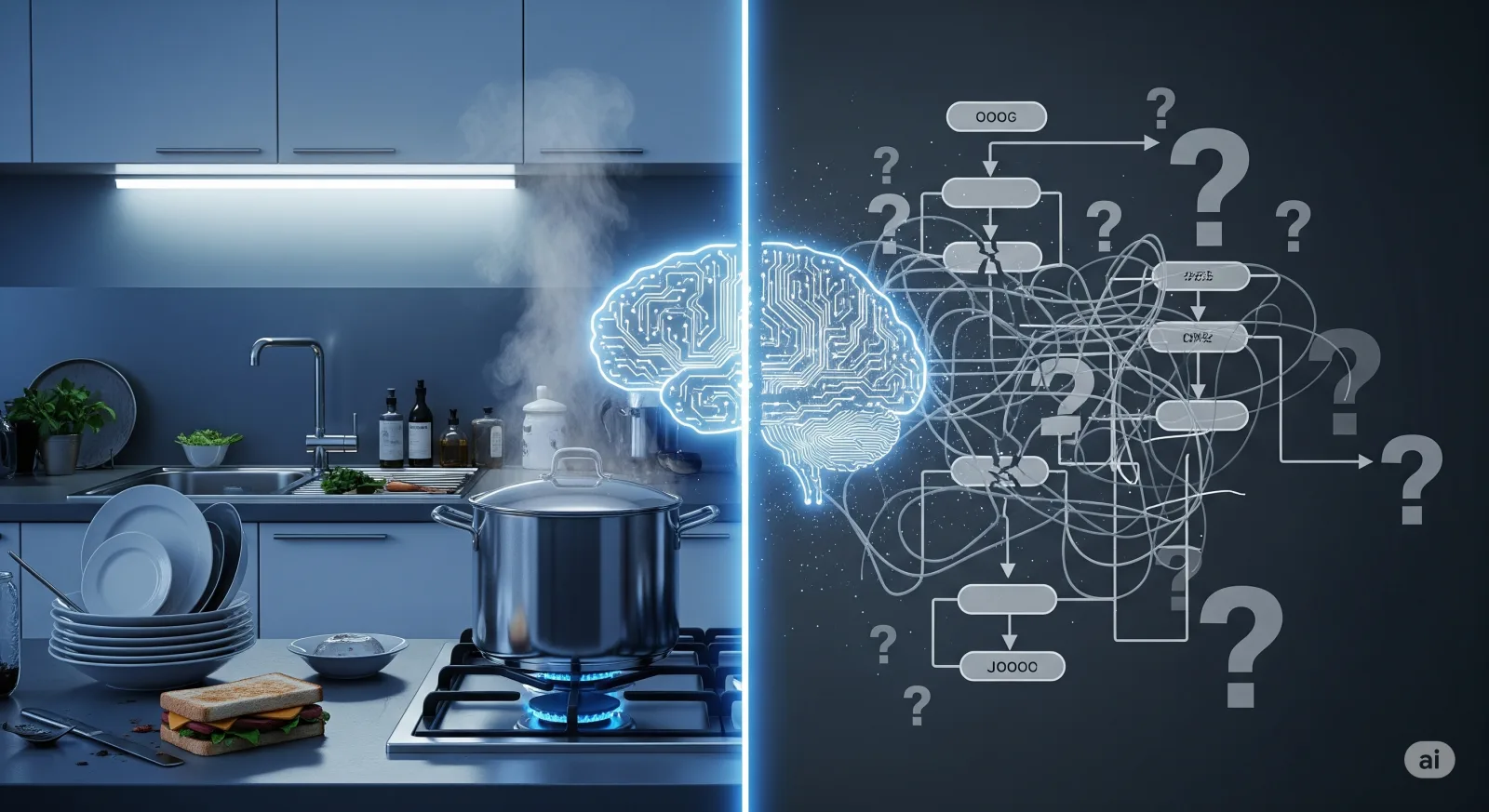
Multimodal chain-of-thought looks impressive until visual evidence must be used repeatedly, not merely mentioned.

A mechanism-first reading of SQLM, a self-play post-training method where language models generate their own questions, solve them, and learn from proxy rewards without curated training data.