Cover image

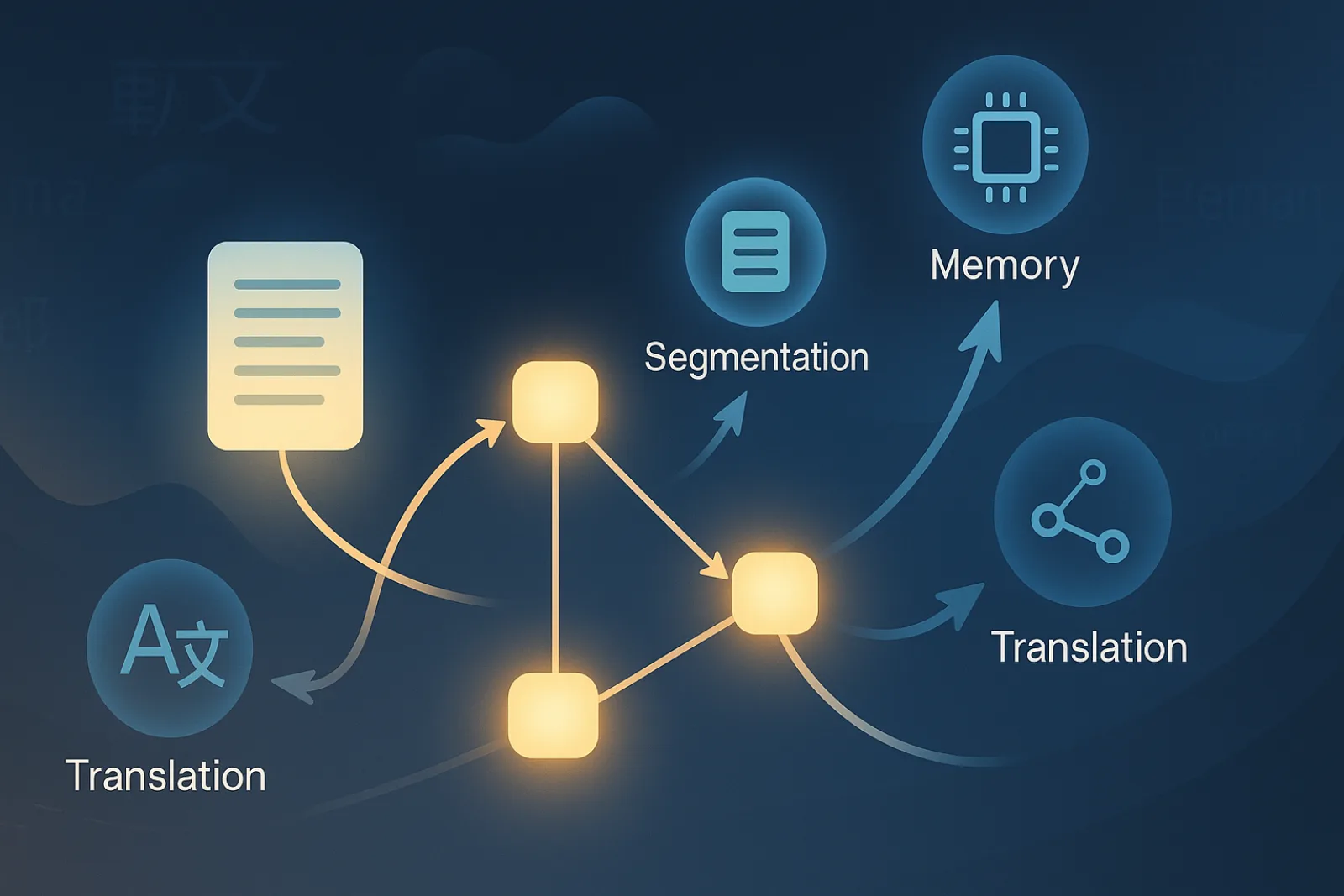
Threading the Needle: How GRAFT Reinvents Document Translation with DAGs and LLM Agents

TL;DR for operators Long-document translation does not fail only because the model lacks enough tokens. It fails because documents are not bags of sentences. They contain references, implied pronouns, repeated terms, topic shifts, callbacks, causal links, and the occasional sentence that makes sense only because something three paragraphs earlier did the heavy lifting. ...


July 12, 2025 · 17 min · Zelina
Cover image

Secret Handshakes at Scale: How LLM Agents Learn to Collude

TL;DR for operators Autonomous agents do not need a smoke-filled room to coordinate. A message channel, persistent memory, a profit-maximising objective, and repeated market interaction can be quite enough. Charming, really. The paper behind this article studies LLM buyers and sellers in a simulated continuous double auction: five buyers, five sellers, 30 rounds, sellers costing each lot at $80, buyers valuing each lot at $100, and a competitive equilibrium at $90.1 Sellers can set asks, buyers can set bids, and trades occur when bids meet asks. The authors then vary the conditions around the agents: whether sellers can message each other, which model powers the sellers, and whether sellers face oversight or CEO-style urgency. ...

July 7, 2025 · 17 min · Zelina
Cover image

From ETL to Orchestral Intelligence: The Rise of the Data Agent

TL;DR for operators Most enterprise data work is not blocked by a lack of models. It is blocked by orchestration. A company may already have Spark, Pandas, SQL engines, notebooks, dashboards, semantic layers, data lakes, vector stores, ETL jobs, monitoring tools, and a growing pile of LLM wrappers. The awkward part is deciding which tool should act, in what order, on which data, under which assumptions, and how to recover when the first plan fails. This is the gap the Data Agent paper tries to formalise.1 ...

July 3, 2025 · 20 min · Zelina
Cover image

Hive Minds and Hallucinations: A Smarter Way to Trust LLMs

TL;DR for operators The paper is useful because it treats hallucination less like a mystical defect of large language models and more like an operational risk that can be routed, checked, scored, and sometimes refused. Amer and Amer propose a proof-of-concept multi-agent architecture for SMS-based pharmacy prescription-renewal requests.1 A customer might send a clean message like “1, unenroll”, or something messier: a renewal code, a complaint about medicine taste, a question about blood-pressure medication, and a polite thank-you bundled into one little administrative grenade. ...

July 3, 2025 · 19 min · Zelina
Cover image

Chains of Causality, Not Just Thought

TL;DR for operators Causal Influence Prompting, or CIP, is a safety method for LLM agents that asks the model to build and consult a causal influence diagram before acting. Instead of telling the agent, “be safe,” it asks the agent to represent the task as a graph: what facts matter, what choices are available, what outcomes are useful, and what outcomes are harmful. This is a better shape for the problem, because agents do not merely answer questions. They click buttons, run code, forward messages, use tools, and occasionally behave as if “sure, why not?” were a compliance framework. ...

July 2, 2025 · 17 min · Zelina
Cover image

Chatbot at the Table: Rethinking Group Recommendations with GenAI

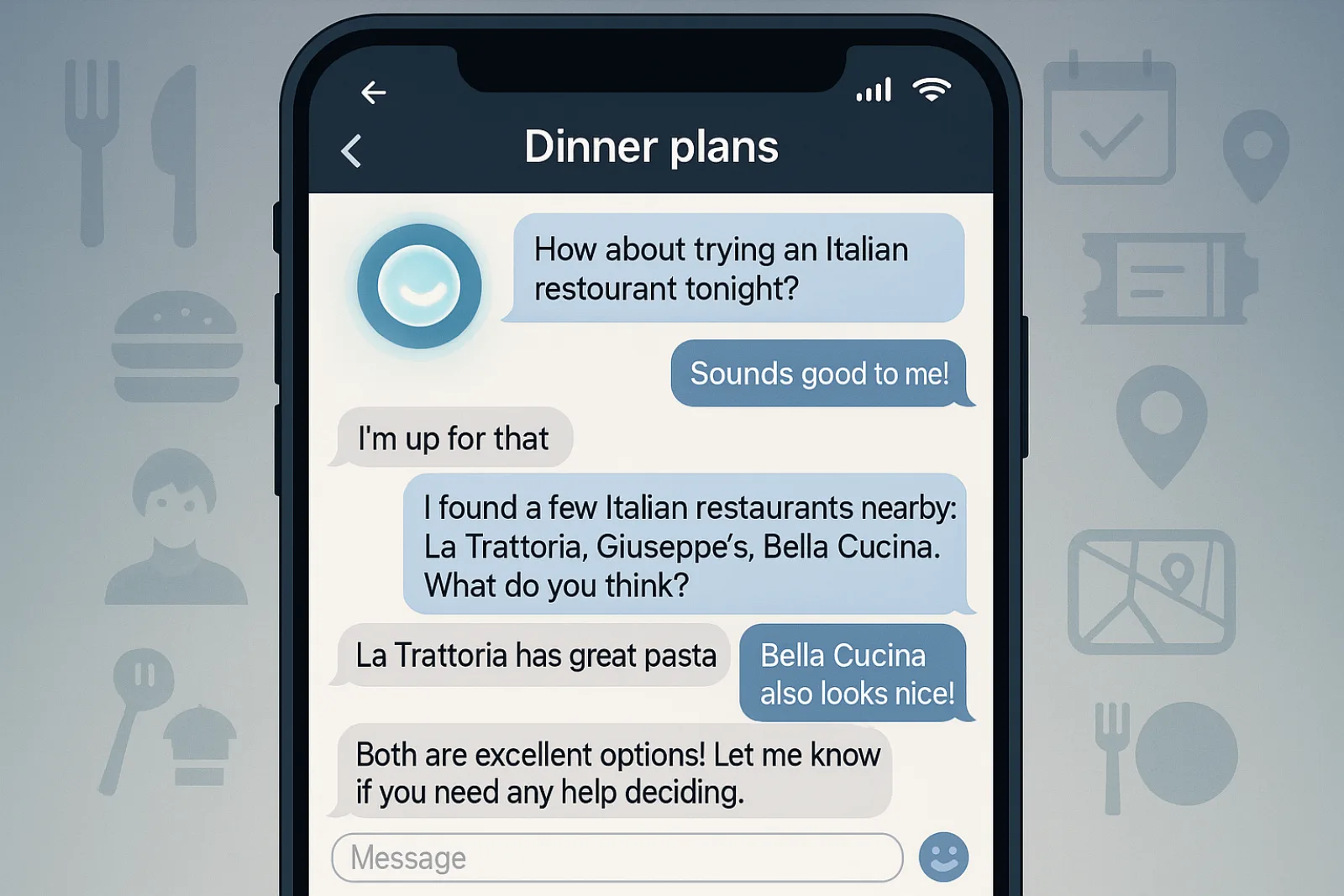
TL;DR for operators Dinner plans are where elegant recommender theory goes to be quietly embarrassed. Five people do not usually open a dedicated app, rate every restaurant, agree on a utility function, and wait for a ranked list to descend from the heavens. They argue in a chat. They change their minds. Someone forgets the budget. Someone says “anything is fine” while absolutely not meaning it. Someone else proposes a venue that is closed on Mondays. Humanity, as usual, remains a hostile runtime environment. ...

July 2, 2025 · 18 min · Zelina
Cover image

Grounded and Confused: Why RAG Systems Still Fail in the Enterprise

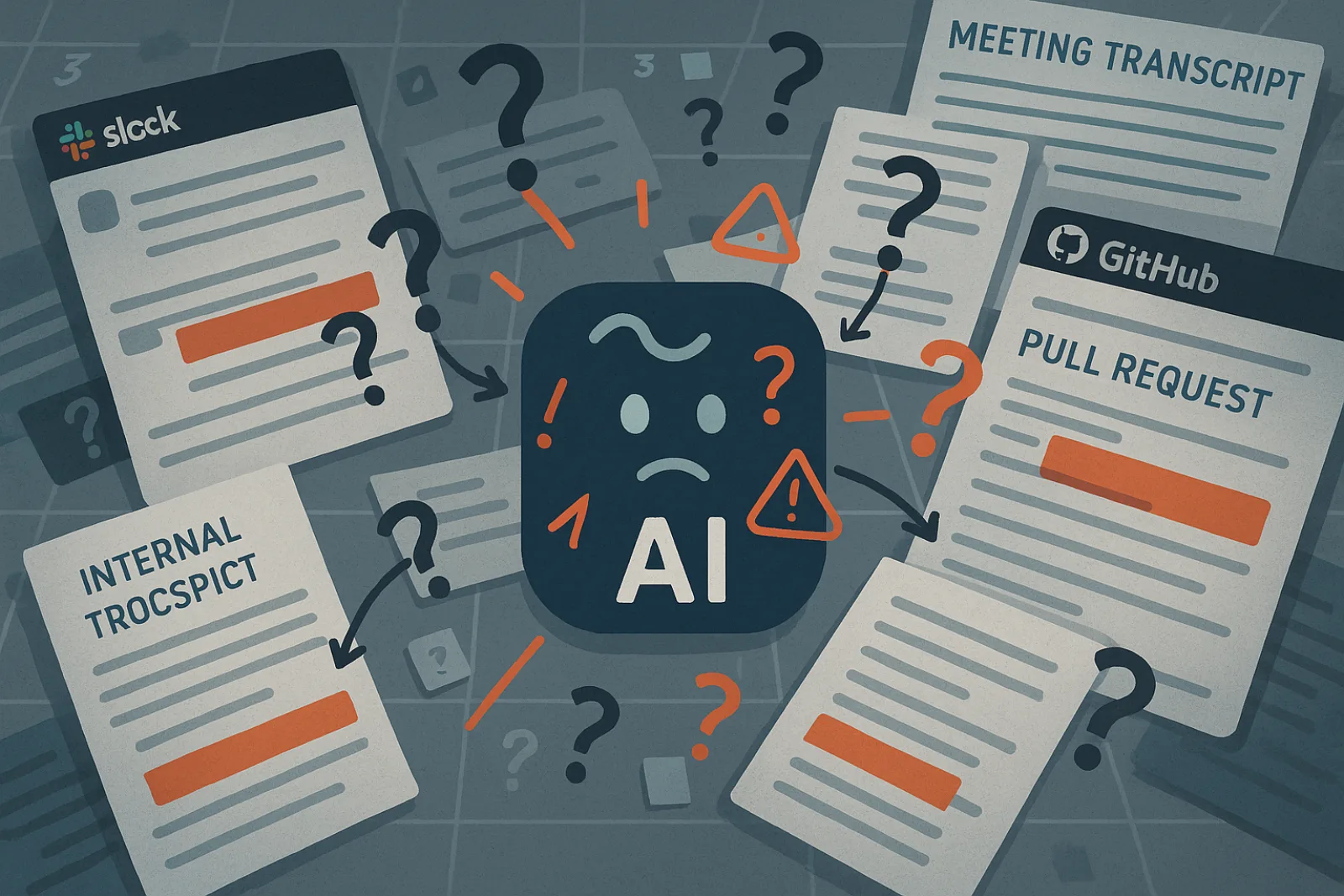
TL;DR for operators Enterprise RAG does not fail because the chatbot forgot to sound confident. It fails because the answer is often scattered across the least glamorous parts of the company: Slack threads, meeting transcripts, pull requests, document revisions, customer reports, employee metadata, and URLs somebody pasted into a chat six weeks ago. ...

July 1, 2025 · 20 min · Zelina
Cover image

Catalysts of Thought: How LLM Agents are Reinventing Chemical Process Optimization

TL;DR for operators Chemical-process optimisation does not usually fail because nobody has heard of optimisation. It fails earlier, in the less glamorous swamp where someone has to decide what operating ranges are even allowed. Temperatures, separator conditions, pressure drops, utility trade-offs, convergence behaviour, equipment limits: all the tedious things that make optimisation useful and prevent it from becoming a very fast route to nonsense. ...

June 27, 2025 · 17 min · Zelina
Cover image

Mind Games for Machines: How Decrypto Reveals the Hidden Gaps in AI Reasoning

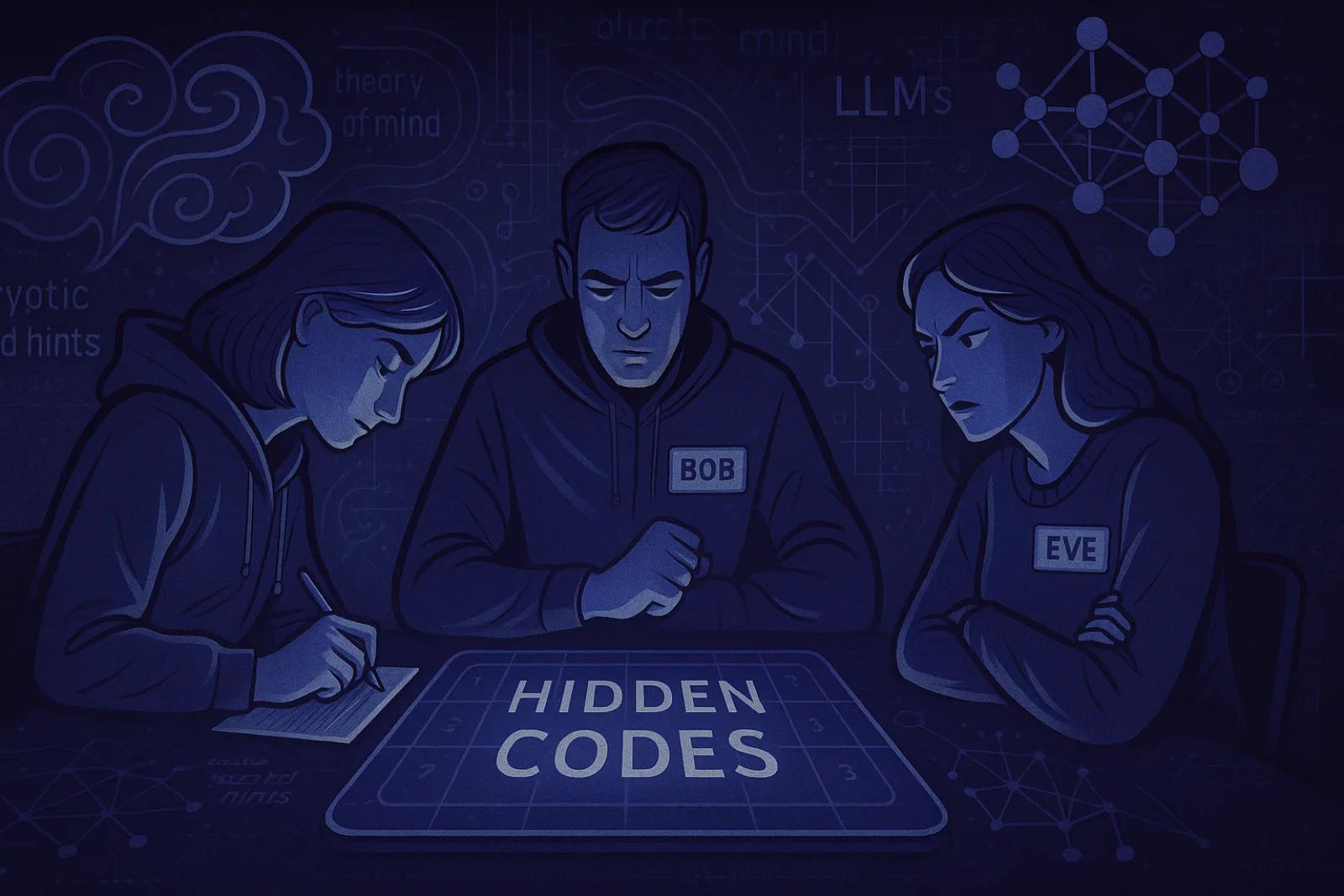
TL;DR for operators Meetings are easy to automate until someone has to understand what everyone else thinks everyone else knows. That is the useful discomfort created by Decrypto, a new benchmark for multi-agent reasoning and theory of mind in language models.1 The benchmark is built around a simple word game. Alice and Bob share four secret keywords. Alice receives a three-digit code and gives three public hints. Bob must recover the code. Eve sees the same hints but does not know the secret keywords and tries to intercept. Alice’s job is therefore not “give good clues.” It is “give clues calibrated to Bob’s knowledge while limiting Eve’s inference.” Welcome to enterprise communication, but with fewer calendar invites. ...

June 26, 2025 · 16 min · Zelina
Cover image

The Joy of Many Minds: How JoyAgents-R1 Unleashes the Power of Multi-LLM Reinforcement Learning

TL;DR for operators A naming note before the machinery starts: the existing Cognaptus title says JoyAgents-R1, but the arXiv paper itself names the benchmark HiMA-Ecom and the training method HiMA-R1. This revision uses the paper’s terminology, because accuracy is not decorative trim. The paper is useful for operators because it does not simply say “use more agents.” That slogan is old, cheap, and usually followed by a demo in which three chatbots politely agree with one another until the invoice arrives. The real contribution is more specific: the authors build a hierarchical e-commerce assistant benchmark, then train the master agent and specialised sub-agents jointly with reinforcement learning instead of optimising them as isolated prompt puppets.1 ...

June 25, 2025 · 17 min · Zelina