Cover image

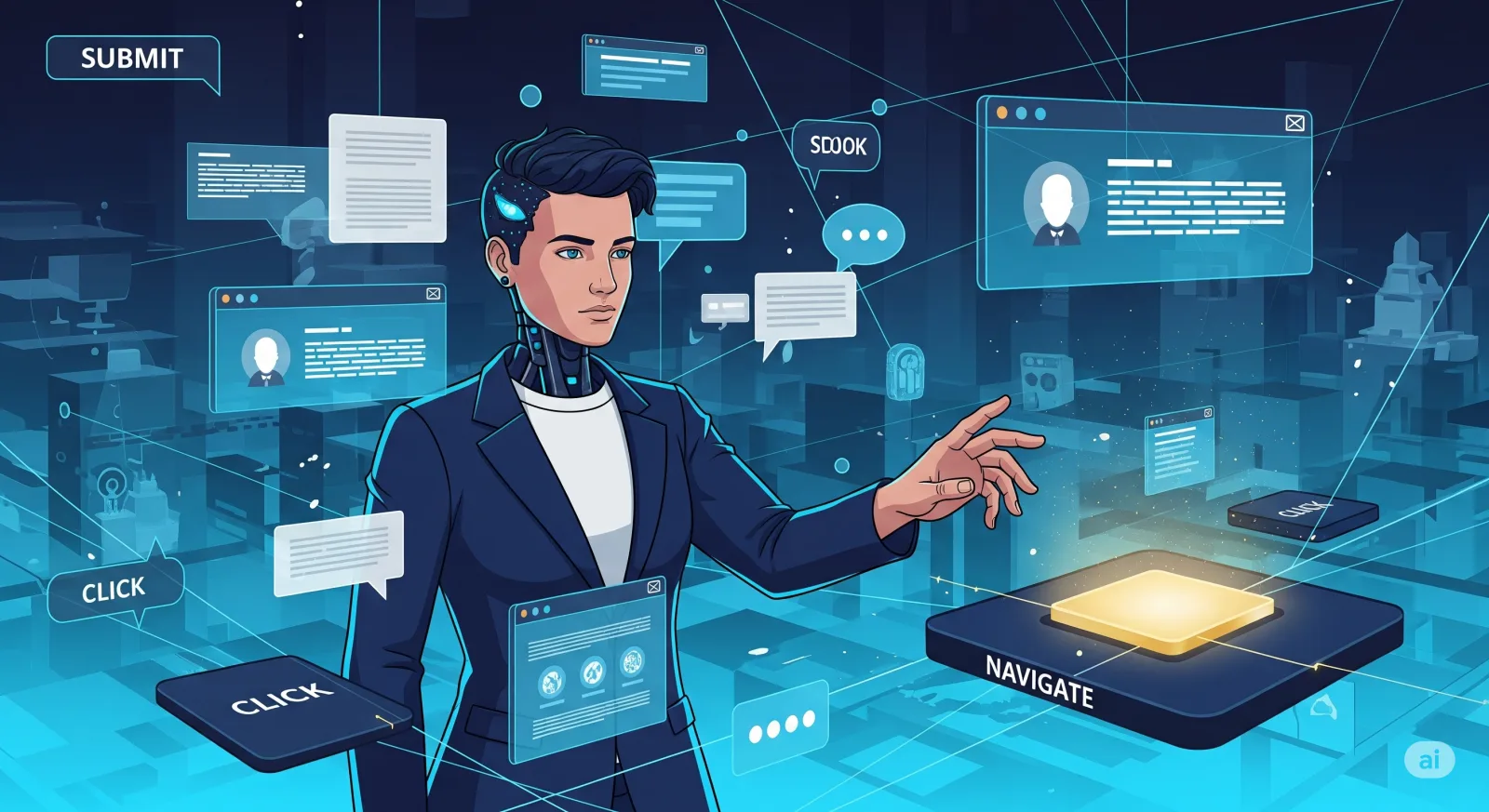
Mirage Agents: When LLMs Act on Illusions

TL;DR for operators LLM agents do not merely hallucinate by saying false things. They hallucinate when they act on a version of the world that does not match the task, the history, or the screen in front of them. That is the useful idea in MIRAGE-Bench: it treats agent hallucination as context-unfaithful action. The agent may click a button that is not there, assume a page transition succeeded when it did not, answer a colleague’s question with invented information, submit code despite failed tests, or report success when the environment says otherwise. Very industrious. Very confident. Very much not what you want near production systems. ...
July 29, 2025 · 19 min · Zelina
Cover image

From Graph to Grit: Diagnosing Warehouse Bottlenecks with LLMs and Knowledge Graphs

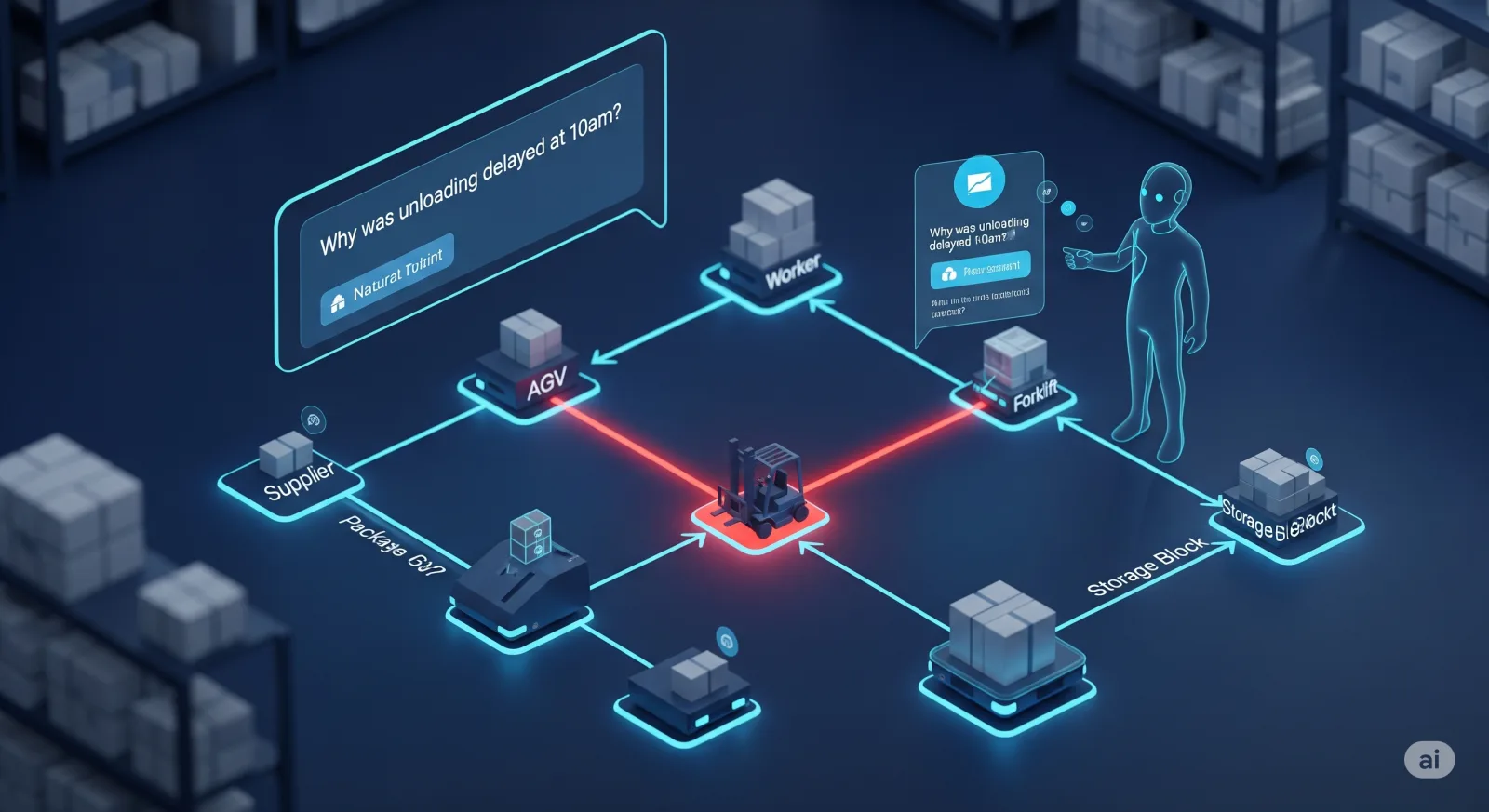
TL;DR for operators A recent paper on warehouse planning uses knowledge graphs and LLM reasoning to diagnose bottlenecks in discrete-event simulation outputs.1 The useful part is not that someone put a chatbot on top of a warehouse model. That would be adorable, and mostly useless. The useful part is that the authors first make simulation traces structurally queryable, then force the LLM to investigate in steps. ...

July 26, 2025 · 20 min · Zelina
Cover image

Planners, Meet Your Smart Sidekick

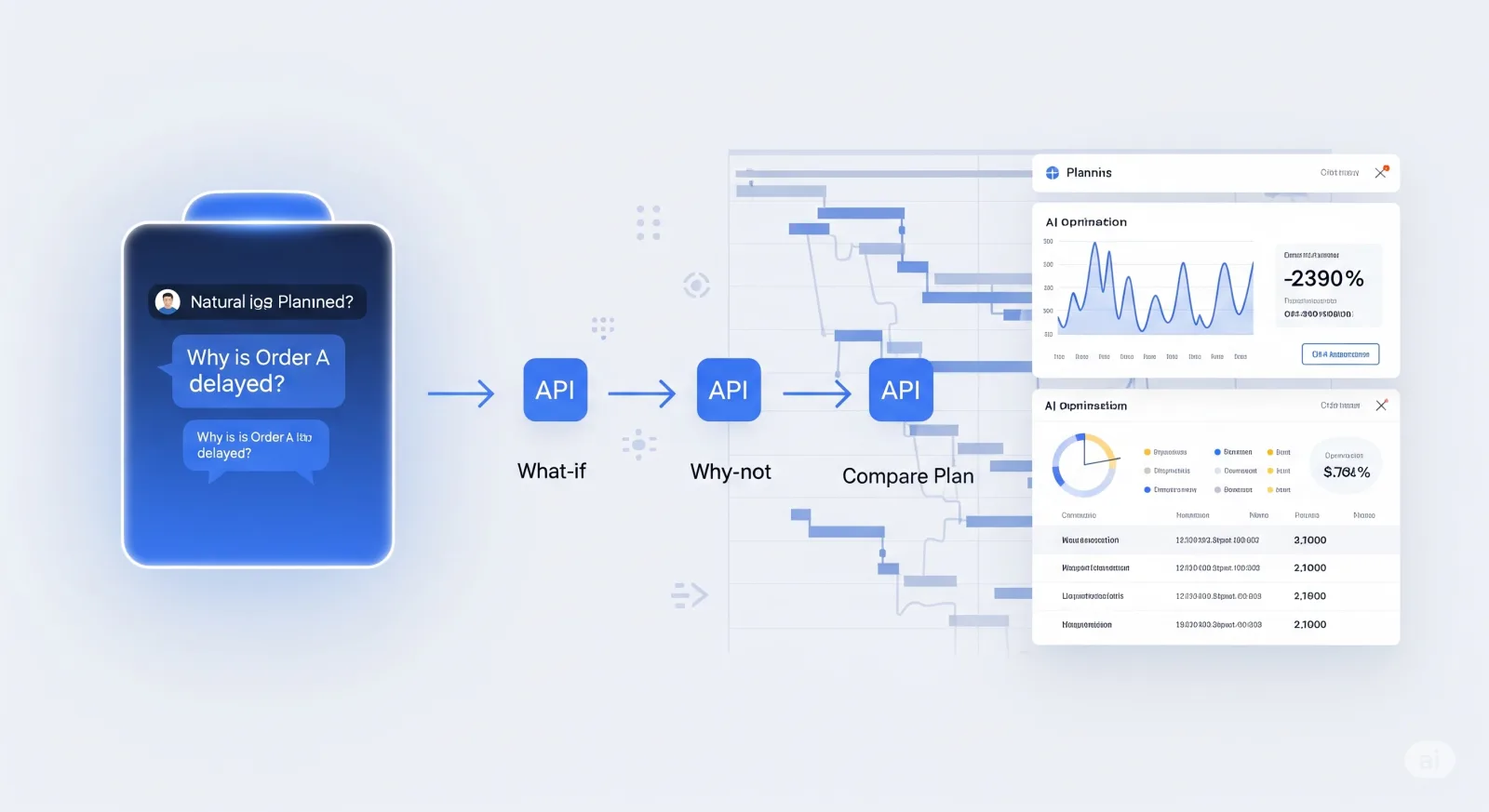
TL;DR for operators SMARTAPS is not another chatbot sprinkled over enterprise software like parsley on a mediocre buffet. It is a tool-augmented interface for advanced planning systems: planners ask natural-language questions, the system detects the planning intent, retrieves the right expert-built API, extracts the necessary parameters, runs the tool, and turns the raw result into a readable answer.1 ...

July 26, 2025 · 14 min · Zelina
Cover image

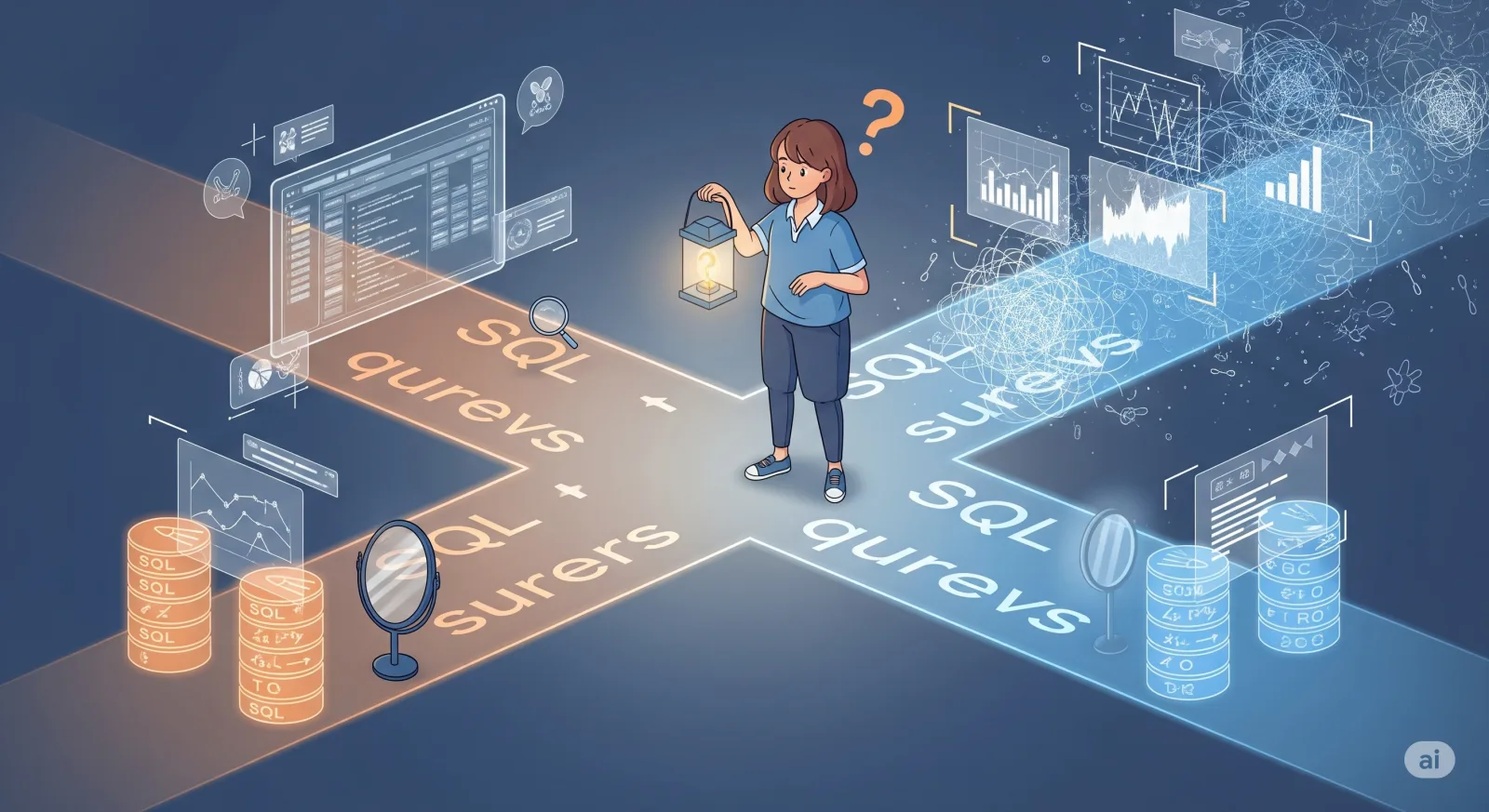
The Most Dangerous Query Is the One You Don't Question

TL;DR for operators VeriMinder is a useful reminder that the most dangerous analytics failure is not always a bad SQL query. Sometimes the SQL is correct, the dashboard loads, the stakeholder nods, and the decision is still built on a question that should never have passed quality control. The paper introduces VeriMinder, an interactive system that sits before or alongside a natural-language-to-SQL workflow and checks whether the user’s question is biased, under-specified, or poorly aligned with the decision being made.1 Its target is not SQL syntax. Its target is analytical intent. ...

July 25, 2025 · 17 min · Zelina
Cover image

Tools of Thought: Why Reasoning Isn’t an Illusion After All

TL;DR for operators The useful question is not whether reasoning models “really think”. That debate is charming, mostly because it lets everyone pretend a benchmark table is a metaphysics seminar. The operational question is simpler: when you give a reasoning model the same tools as a non-reasoning model, does it use them better? ...

July 24, 2025 · 14 min · Zelina
Cover image

The Watchdog at the Gates: How HalMit Hunts Hallucinations in LLM Agents

TL;DR for operators HalMit is not another attempt to ask an LLM, “Are you sure?” and then pretend the answer is governance. That theatre has had a decent run, but it was never a control system. The paper proposes a black-box watchdog for LLM-powered agents: before deployment, HalMit actively probes a target agent inside a specific domain, looks for query-response situations where hallucinations appear, stores those risky boundary points in a vector database, and then monitors future queries by checking whether they fall near those learned danger zones.1 ...

July 23, 2025 · 16 min · Zelina
Cover image

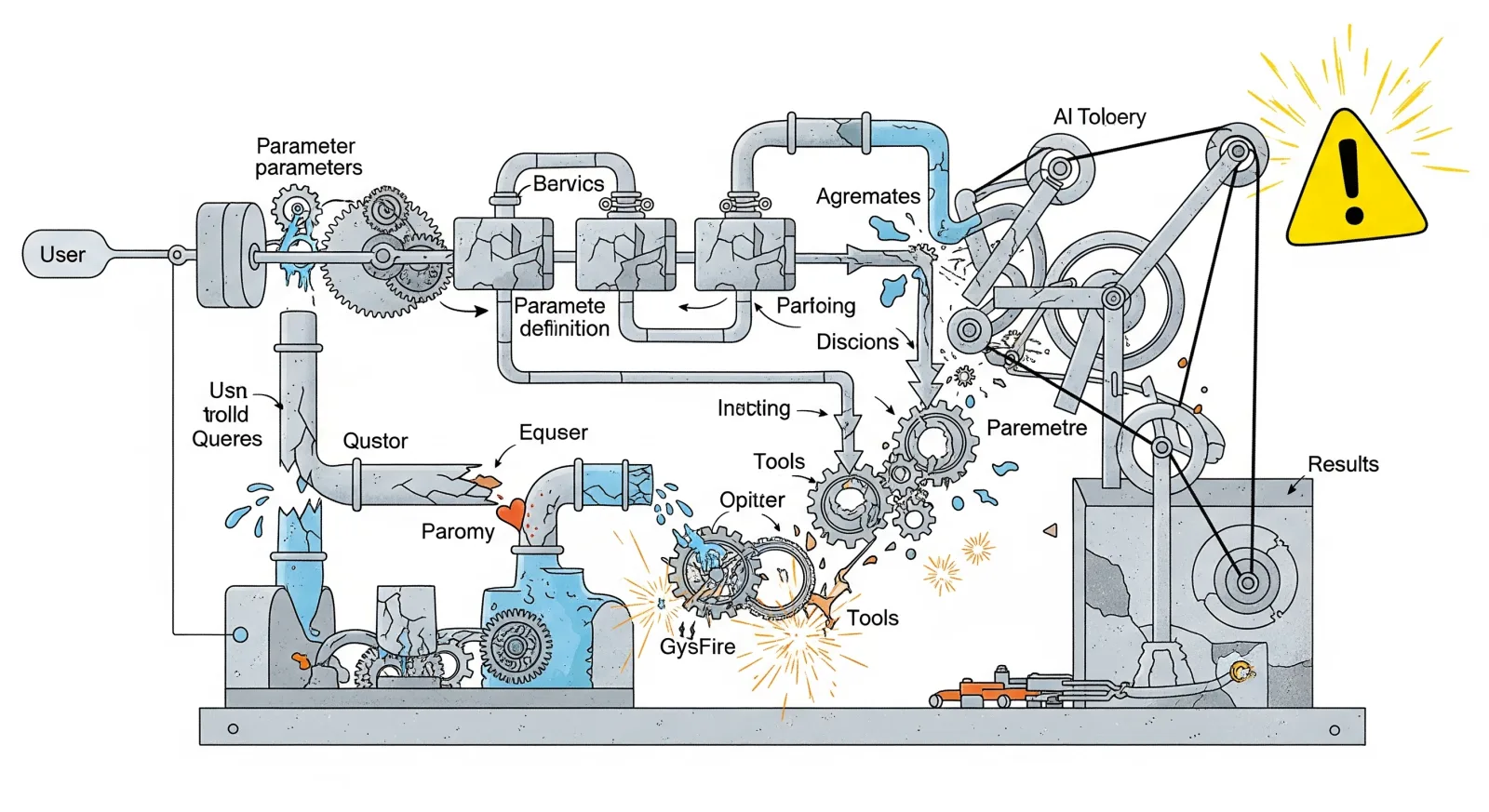
The Butterfly Defect: Diagnosing LLM Failures in Tool-Agent Chains

TL;DR for operators Most LLM agent failures are still discussed as if the model had a grand philosophical lapse: bad reasoning, weak planning, insufficient context, not enough “agenticness” sprinkled on top. This paper points to a less glamorous culprit: parameter filling. A tool-agent chain can fail because the model supplies the wrong field name, omits a required value, invents a value not present in the user request, misreads a tool return, or follows a type description that was wrong in the first place.1 ...

July 22, 2025 · 16 min · Zelina
Cover image

Agents of Disruption: How LLMs Became Adversarial Testers for Autonomous Driving

TL;DR for operators AGENTS-LLM is not another attempt to make a language model dream up an entire traffic world and then hope the simulator forgives the hallucination. It does something narrower and more operationally useful: it takes an existing real-world driving scenario, accepts a natural-language instruction such as adding a parked vehicle, jaywalker, accident site, or construction zone, and produces an augmented scenario that can be executed in closed-loop autonomous-driving simulation.1 ...

July 21, 2025 · 17 min · Zelina
Cover image

Game of Prompts: How Game Theory and Agentic LLMs Are Rewriting Cybersecurity

TL;DR for operators A suspicious domain appears in a DNS log. A conventional classifier either recognises it, misses it, or assigns a confidence score that someone in the SOC must interpret while pretending the queue is under control. The paper’s more interesting proposal is not “let an LLM summarise the alert”. That would be the enterprise equivalent of putting a helpful intern on a fire alarm. ...

July 16, 2025 · 20 min · Zelina
Cover image

Tables Turned: Why LLM-Based Table Agents Are the Next Big Leap in Business AI

TL;DR for operators Most business data does not live in pristine chatbot-friendly prose. It lives in spreadsheets, ledgers, CSV exports, relational databases, dashboards, compliance reports, and those heroic Excel files with merged cells, colour-coded warnings, unexplained abbreviations, and one column called misc. The paper behind this article, Toward Real-World Table Agents, argues that LLM-based table agents should not be judged as smarter versions of Text-to-SQL alone.1 Real-world table work requires an end-to-end workflow: reading table structure, cleaning noisy semantics, retrieving only the relevant parts, executing traceable reasoning steps, and adapting to domains such as finance, healthcare, public administration, and industrial operations. ...

July 15, 2025 · 21 min · Zelina