Cover image

Chatbot at the Table: Rethinking Group Recommendations with GenAI

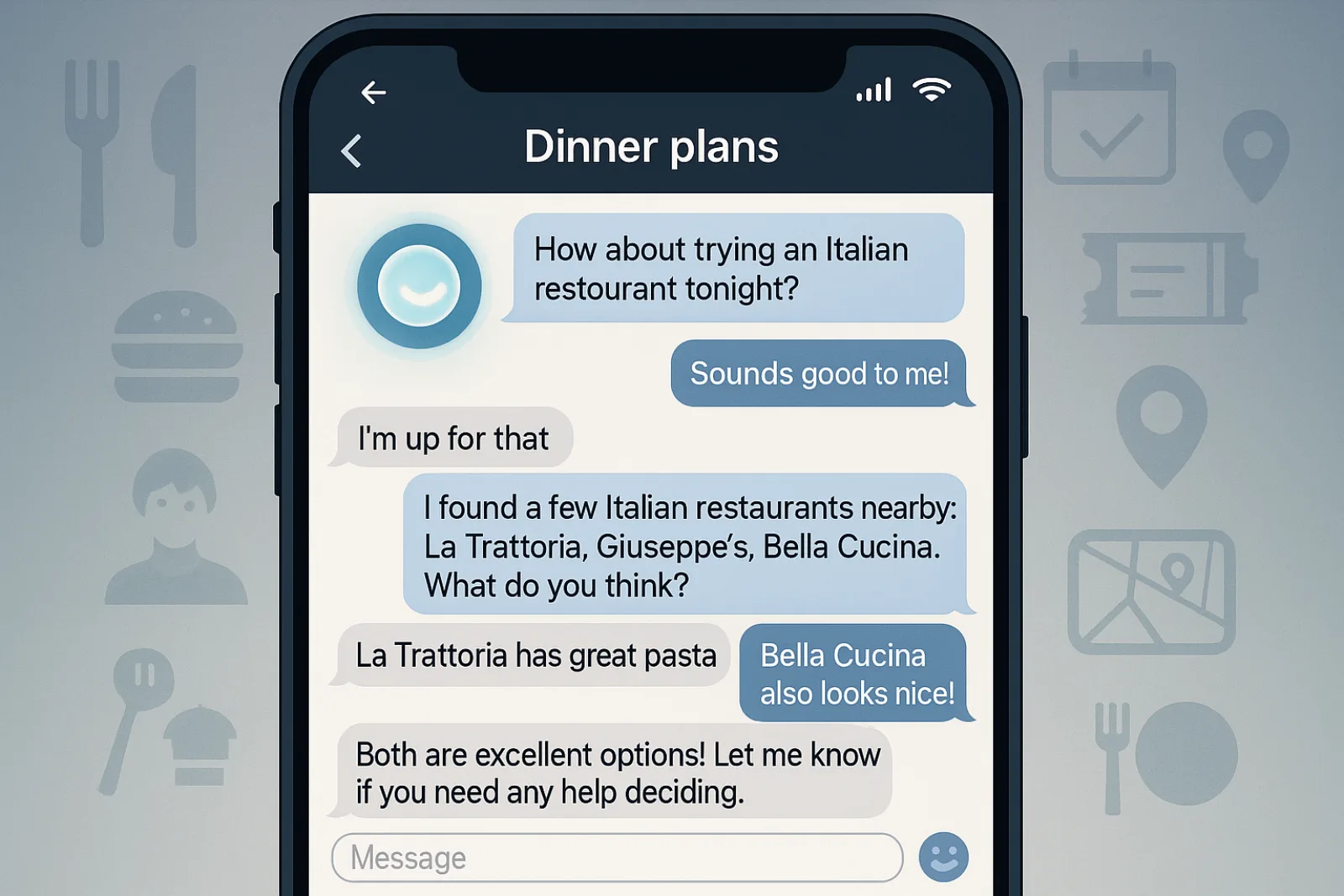
TL;DR for operators Dinner plans are where elegant recommender theory goes to be quietly embarrassed. Five people do not usually open a dedicated app, rate every restaurant, agree on a utility function, and wait for a ranked list to descend from the heavens. They argue in a chat. They change their minds. Someone forgets the budget. Someone says “anything is fine” while absolutely not meaning it. Someone else proposes a venue that is closed on Mondays. Humanity, as usual, remains a hostile runtime environment. ...

July 2, 2025 · 18 min · Zelina
Cover image

Raising the Bar: Why AI Competitions Are the New Benchmark Battleground

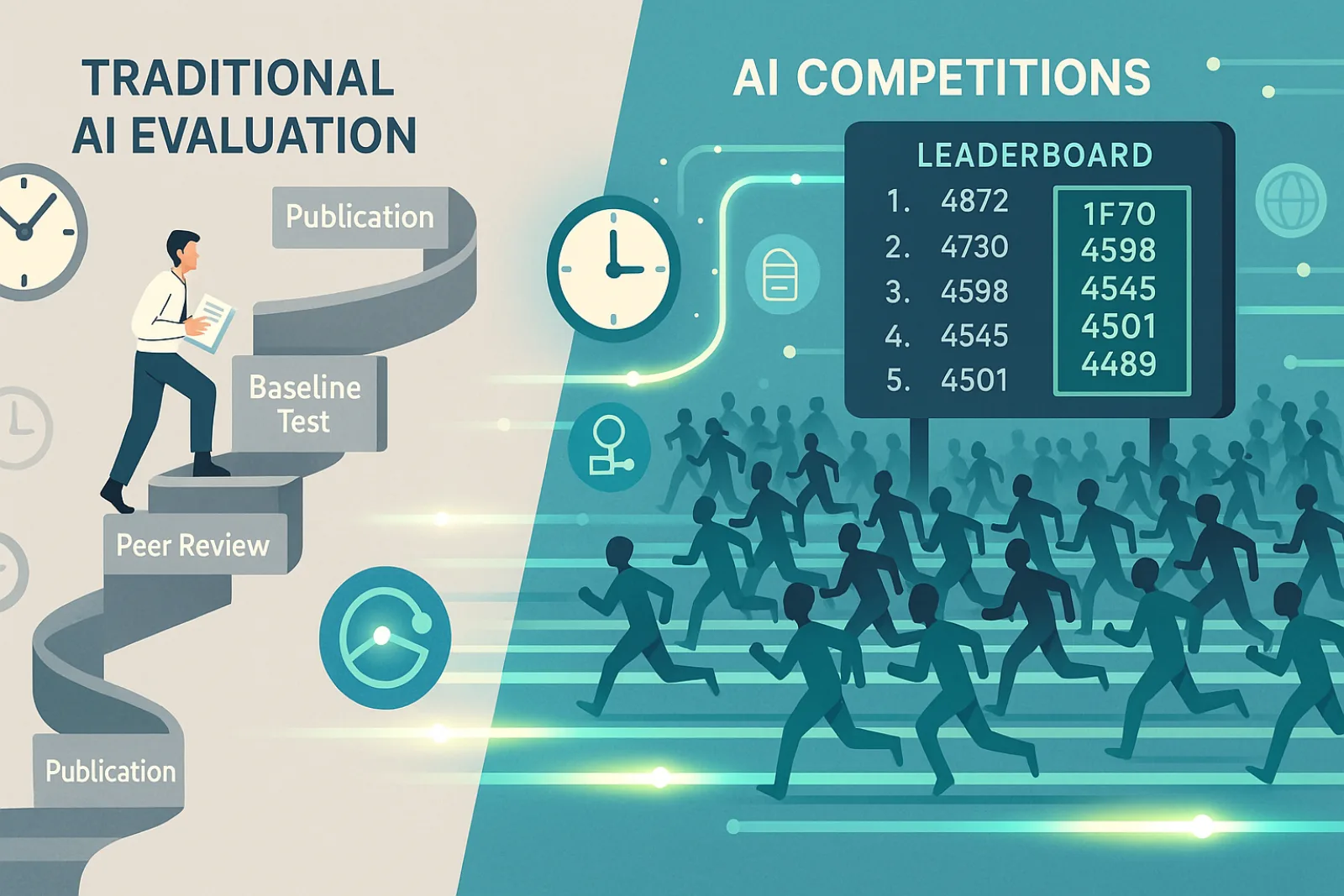
TL;DR for operators A model score is not a certificate. It is a timestamp. That is the operational message of D. Sculley and co-authors’ position paper on GenAI evaluation.1 Their argument is not that every static benchmark is useless, nor that competitions are magical truth machines with leaderboards attached. The argument is sharper: GenAI has broken the old bargain behind machine-learning evaluation. ...

May 3, 2025 · 17 min · Zelina
Cover image

The Right Tool for the Thought: How LLMs Solve Research Problems in Three Acts

TL;DR for operators Generative AI is useful for data processing when the work is painfully simple for a human and painfully awkward for software. That sounds like a joke until you meet the actual enterprise data stack: PDFs with shifting layouts, scanned documents with OCR scars, multilingual reports, product descriptions pretending to be industry classifications, and a graveyard of “temporary” spreadsheets that somehow became critical infrastructure. ...

April 24, 2025 · 18 min · Zelina
Cover image

What Happens in Backtests… Misleads in Live Trades

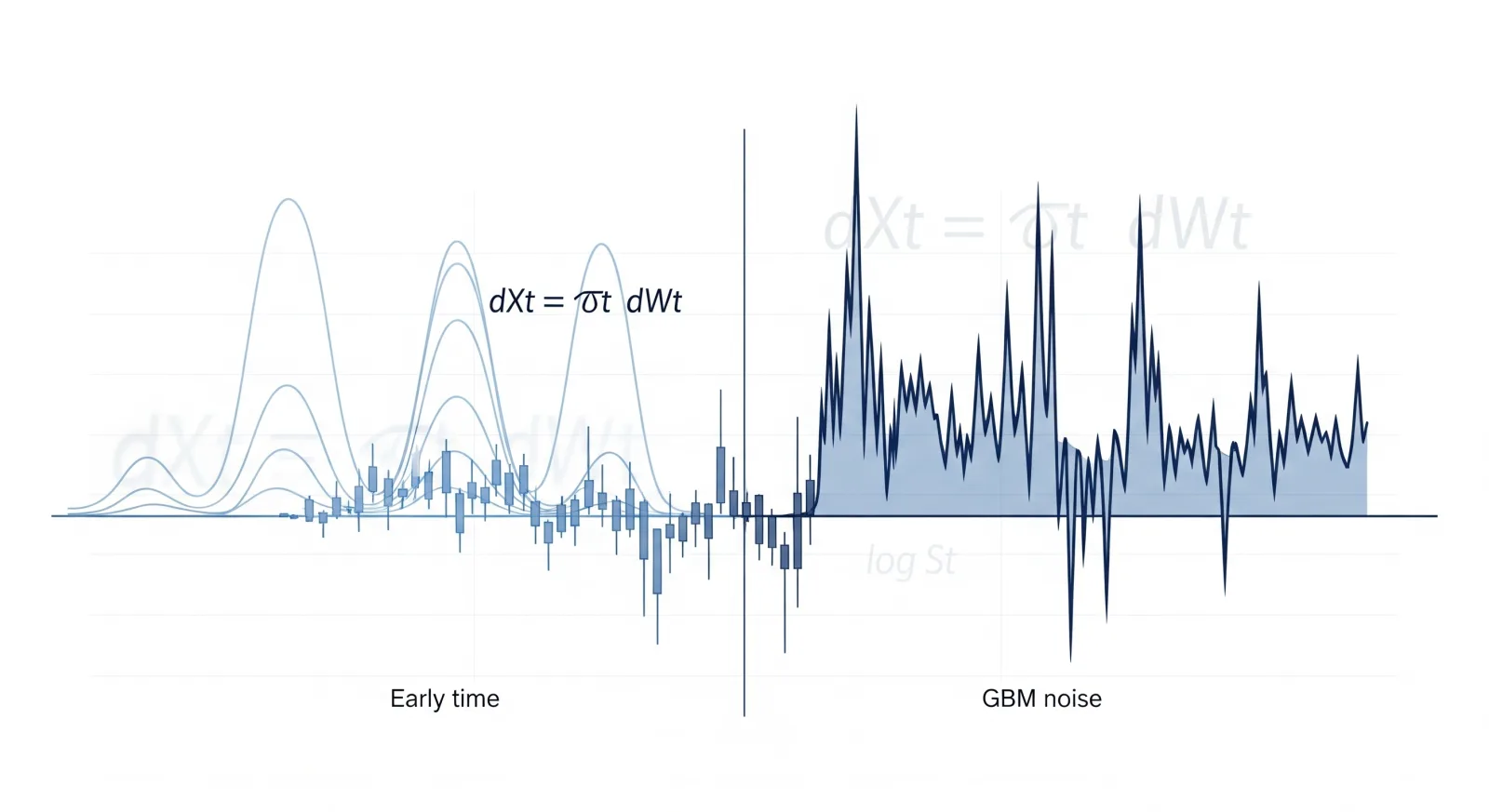
TL;DR for operators A beautiful backtest can still be a lie. Not because the model is malicious, obviously; spreadsheets have not yet formed a union. The problem is simpler and more expensive: a model can fit past data while misrepresenting the thing you actually care about. Charles Rathkopf’s paper on hallucination and reliability in scientific generative AI gives operators a useful way to think about this problem.1 It argues that hallucination should not be defined mainly as deviation from training data. In science, and in business domains that behave like science, the real question is whether an output misrepresents the target phenomenon: a protein, a weather system, a molecule, a patient, a market, a factory, a supply chain. ...

April 15, 2025 · 17 min · Zelina
Cover image

Urban Loops and Algorithmic Traps: How AI Shapes Where We Go

TL;DR for operators AI systems should not be judged only by whether they make each user happier, faster, or more “creative.” That is the easy dashboard. The harder question is whether millions of individually useful interactions reshape the whole market, city, or creative ecosystem in ways that concentrate attention and opportunity. Two recent arXiv papers form a useful chain. One models next-venue recommendation in cities and shows a sharp trade-off: recommenders can increase individual venue diversity while concentrating collective visits on already popular locations.1 The other argues that generative AI should be understood as an alternative form of cognition built from collective human knowledge, and that the practical path forward is human-AI synergy, broad access, and governance rather than endless trench warfare over authorship.2 ...

April 11, 2025 · 14 min · Zelina
Cover image

From Scratch to Star: How Generative AI Lets You Build Your Own Lil Miquela

TL;DR for operators Generative AI makes it technically possible for a small team, or even a disciplined solo operator, to build a virtual influencer: a consistent face, voice, backstory, content calendar, visual style, and interaction pattern. That is the easy part. The harder part is making the persona commercially useful rather than merely photogenic. ...

March 31, 2025 · 14 min · Zelina
Cover image

From Gomoku AI to Boardroom Breakthroughs: How Generative AI Can Transform Corporate Strategy

TL;DR for operators A Gomoku-playing LLM is not going to walk into your Monday strategy meeting and outperform the CFO. The interesting part is more useful than that. Hui Wang’s LLM-Gomoku paper shows a language model being turned into a strategic game player by surrounding it with structure: board-state representation, explicit rules, strategy prompts, local position scoring, self-play, reinforcement learning, state-action-reward storage, and visualisation.1 That is the part worth stealing. Not the board game. Not the romance of “AI intuition.” The machinery. ...

March 28, 2025 · 15 min · Zelina