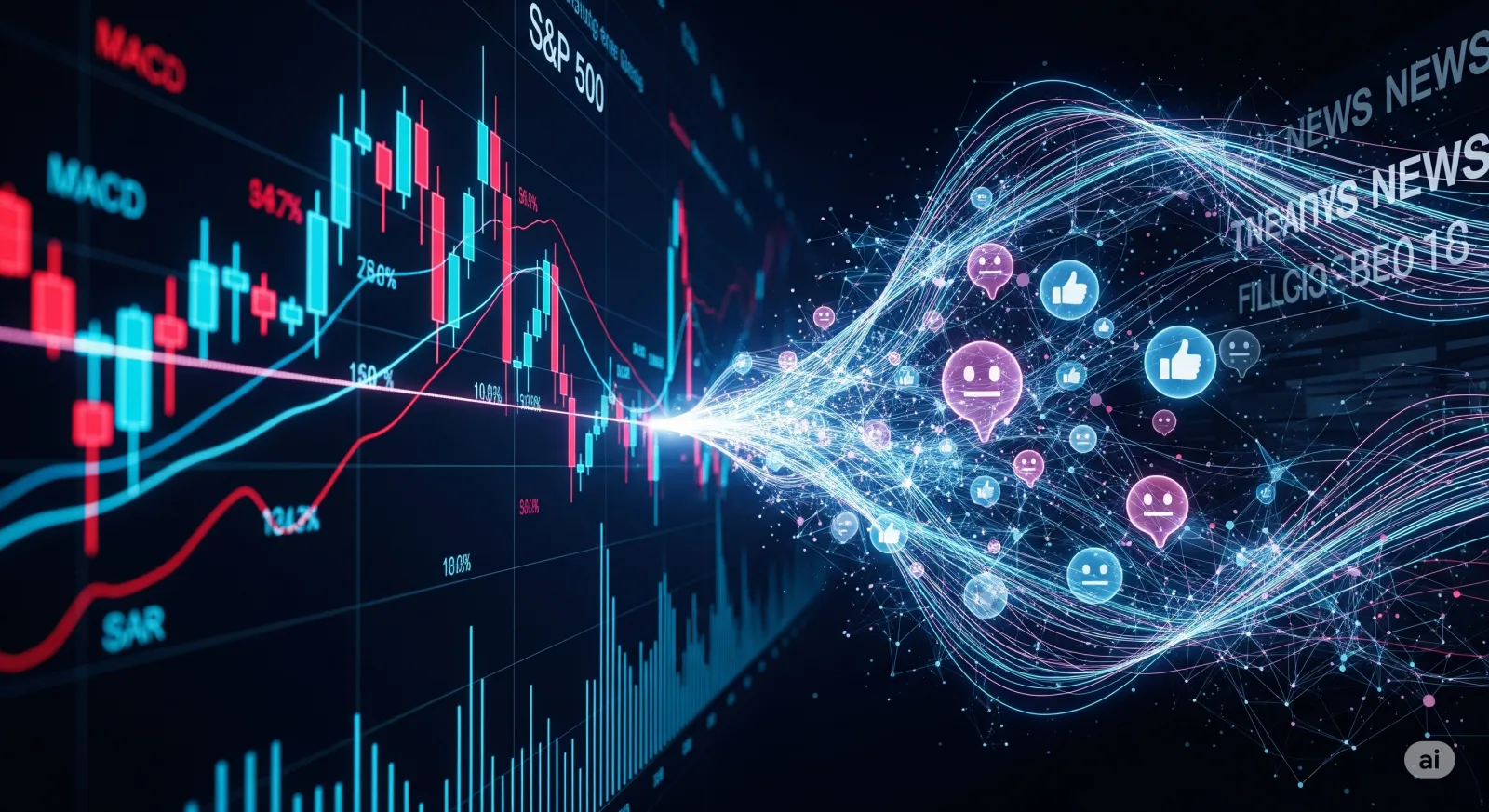
Signals & Sentiments: How GPT-2 and FinBERT Beat Buy-and-Hold on the S&P 500
A practical reading of how GPT-2, FinBERT, technical indicators, and time-series forecasts combined to outperform buy-and-hold in a short S&P 500 backtest.
A practical reading of how GPT-2, FinBERT, technical indicators, and time-series forecasts combined to outperform buy-and-hold in a short S&P 500 backtest.
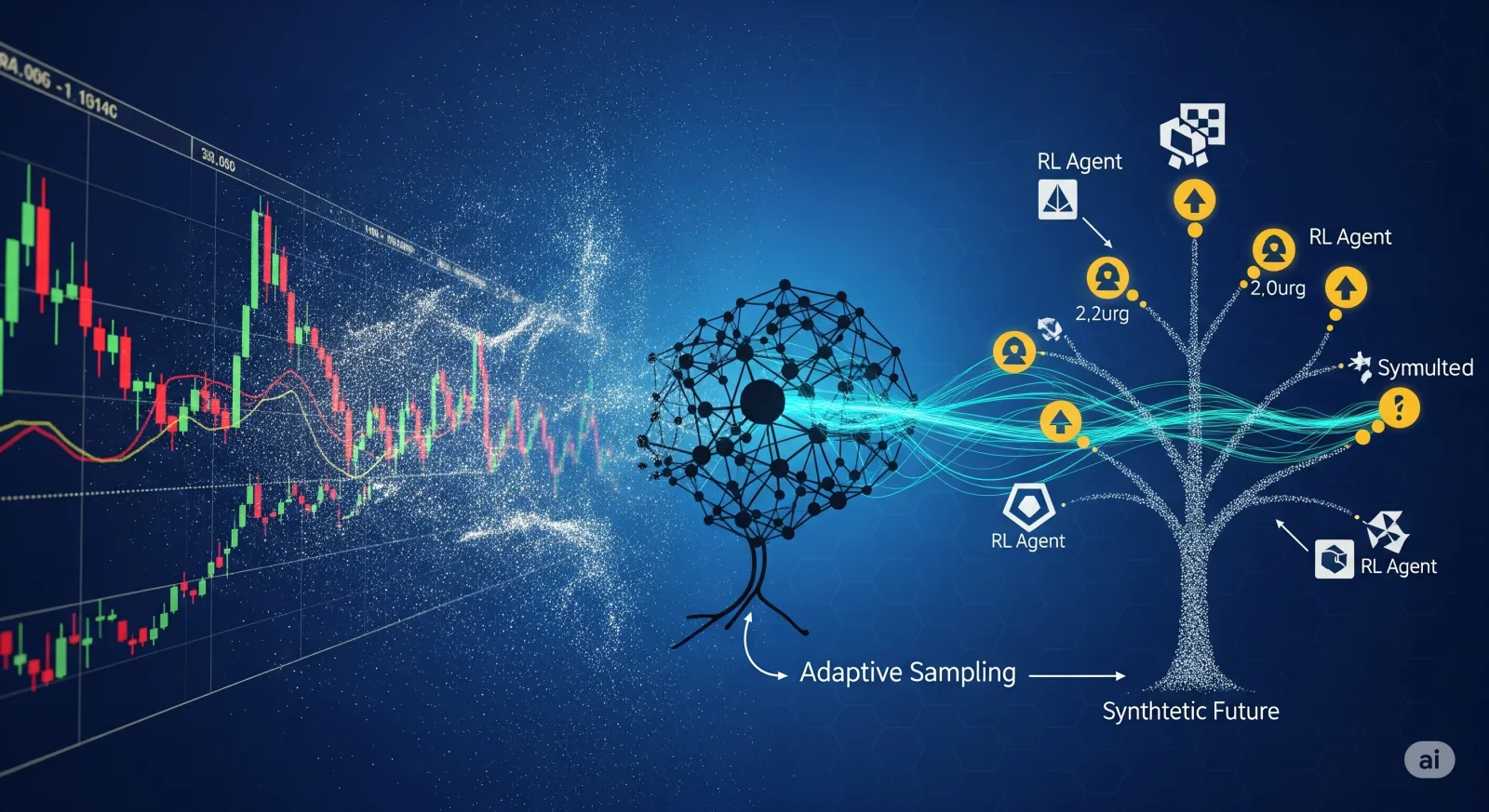
A mechanism-first reading of how adaptive diffusion models can generate market scenarios for dynamic portfolio learning without pretending that backtests are crystal balls.
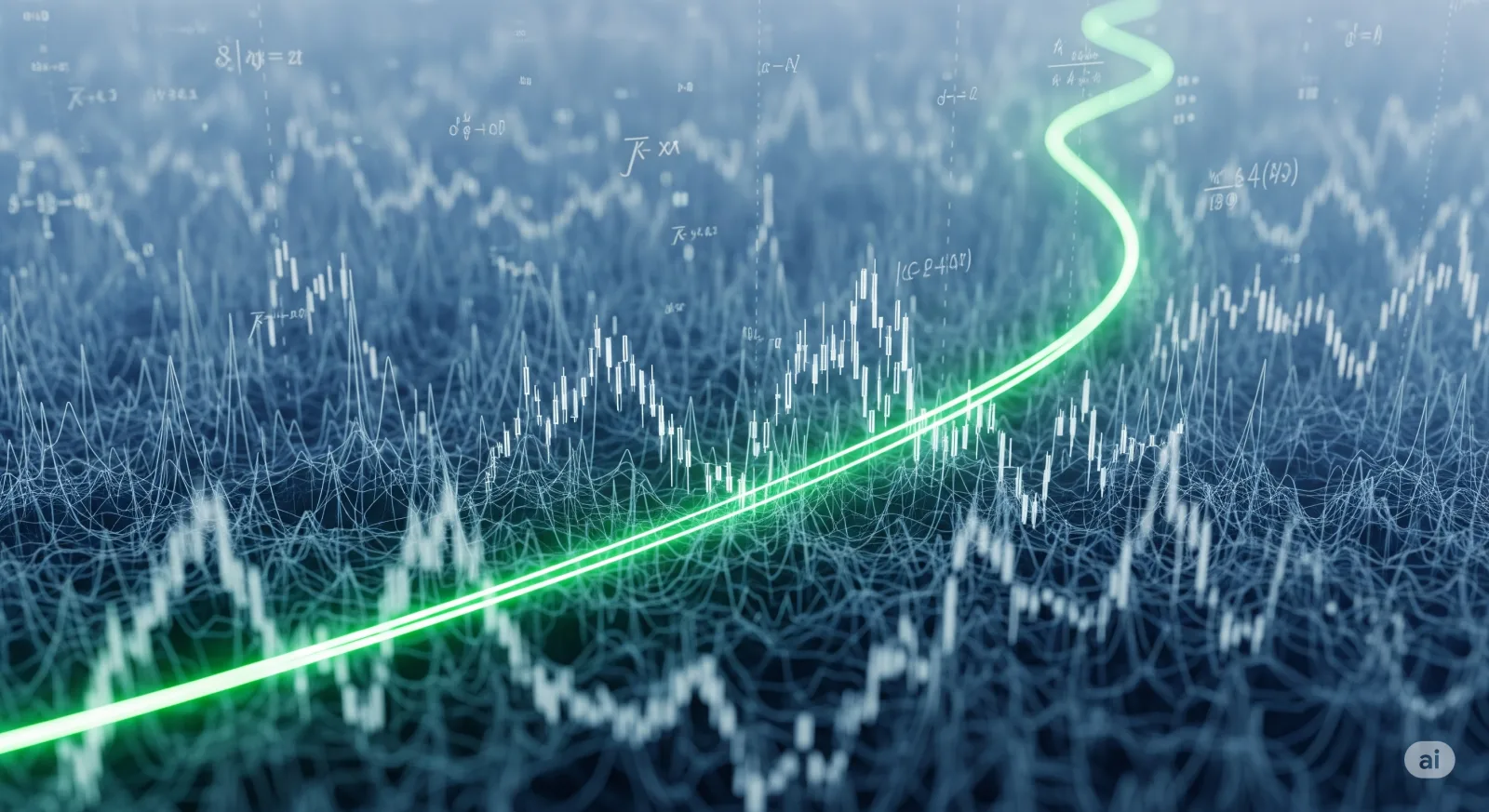
A practical reading of kernel-based mean-variance trading, where the value is not magic alpha but a better way to use temporal structure in signals and prices.
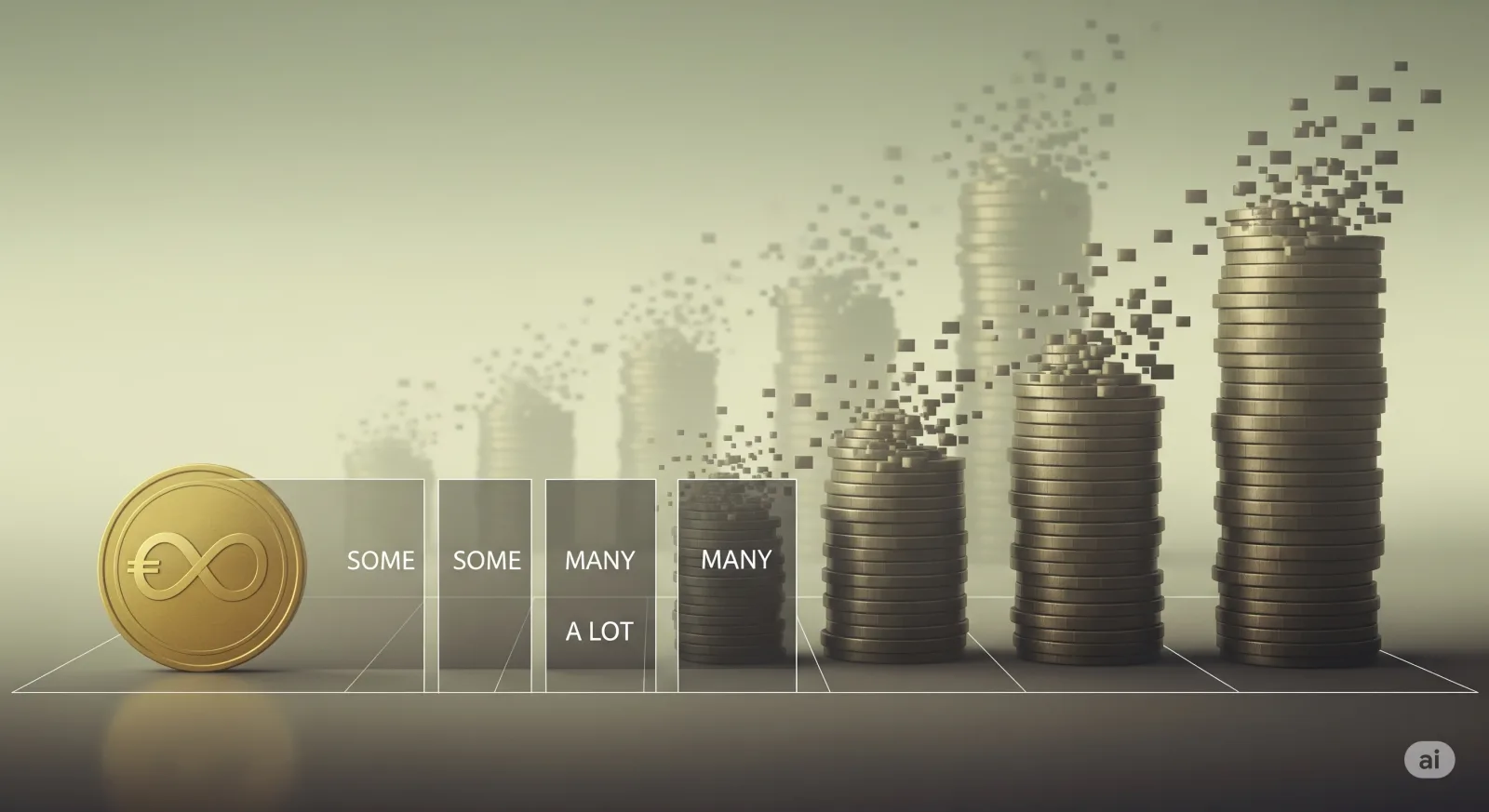
A precise reading of coarse addition and why its real business value is modelling bounded aggregation, not pretending infinity has been defeated.
ParaStudent shows that realistic AI student simulation depends less on stronger code generation and more on learning the messy trajectory of novice mistakes.
A mechanism-first look at why Kodezi Chronos treats debugging as a repository-scale maintenance workflow rather than a longer code-completion prompt.
SpoQFL shows that noisy quantum federated learning may need smarter update governance before it needs grander quantum promises.
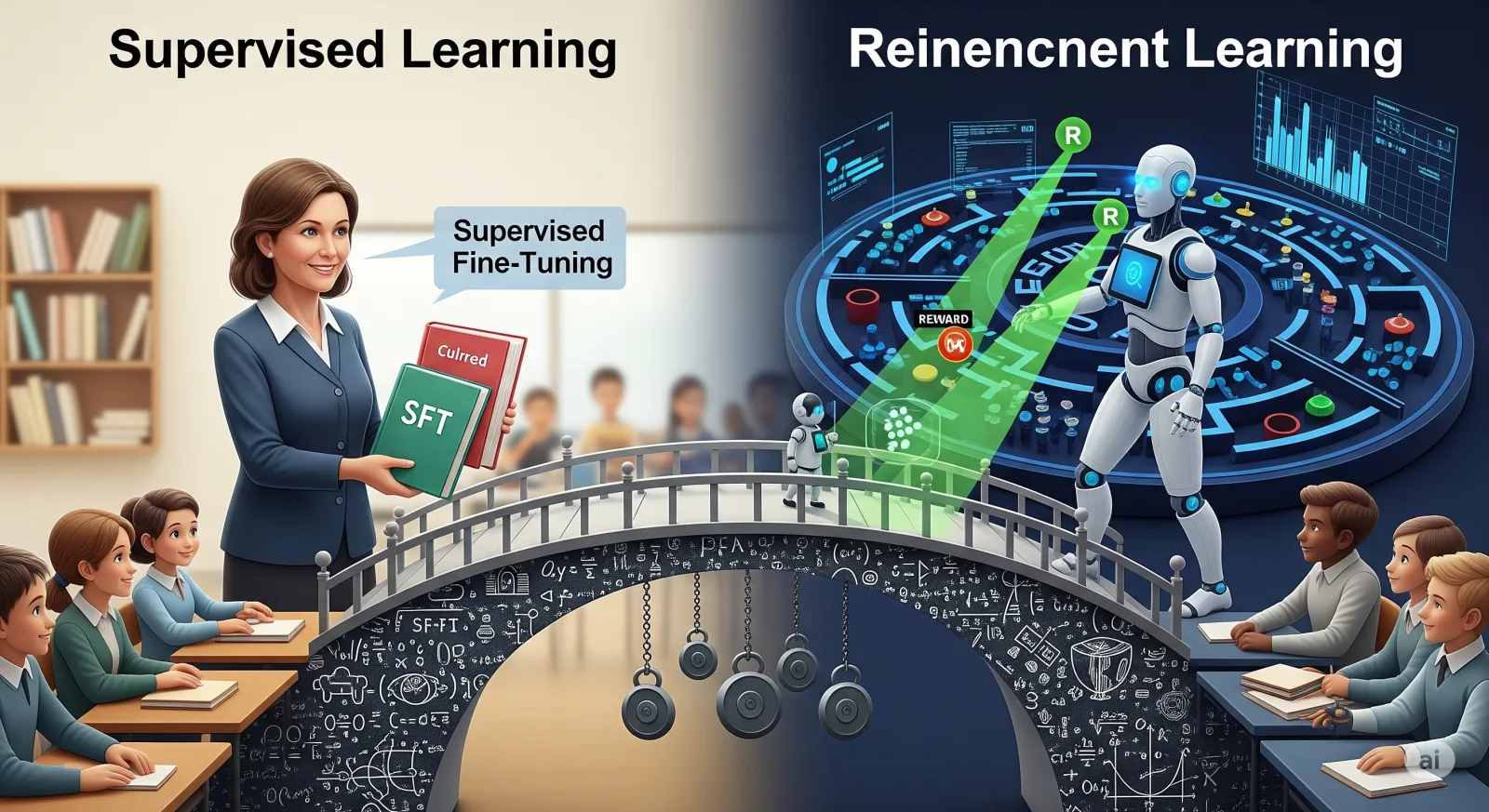
A mechanism-first reading of why curated supervised fine-tuning behaves like sparse-reward reinforcement learning, and how importance weighting can make it more useful for post-training.
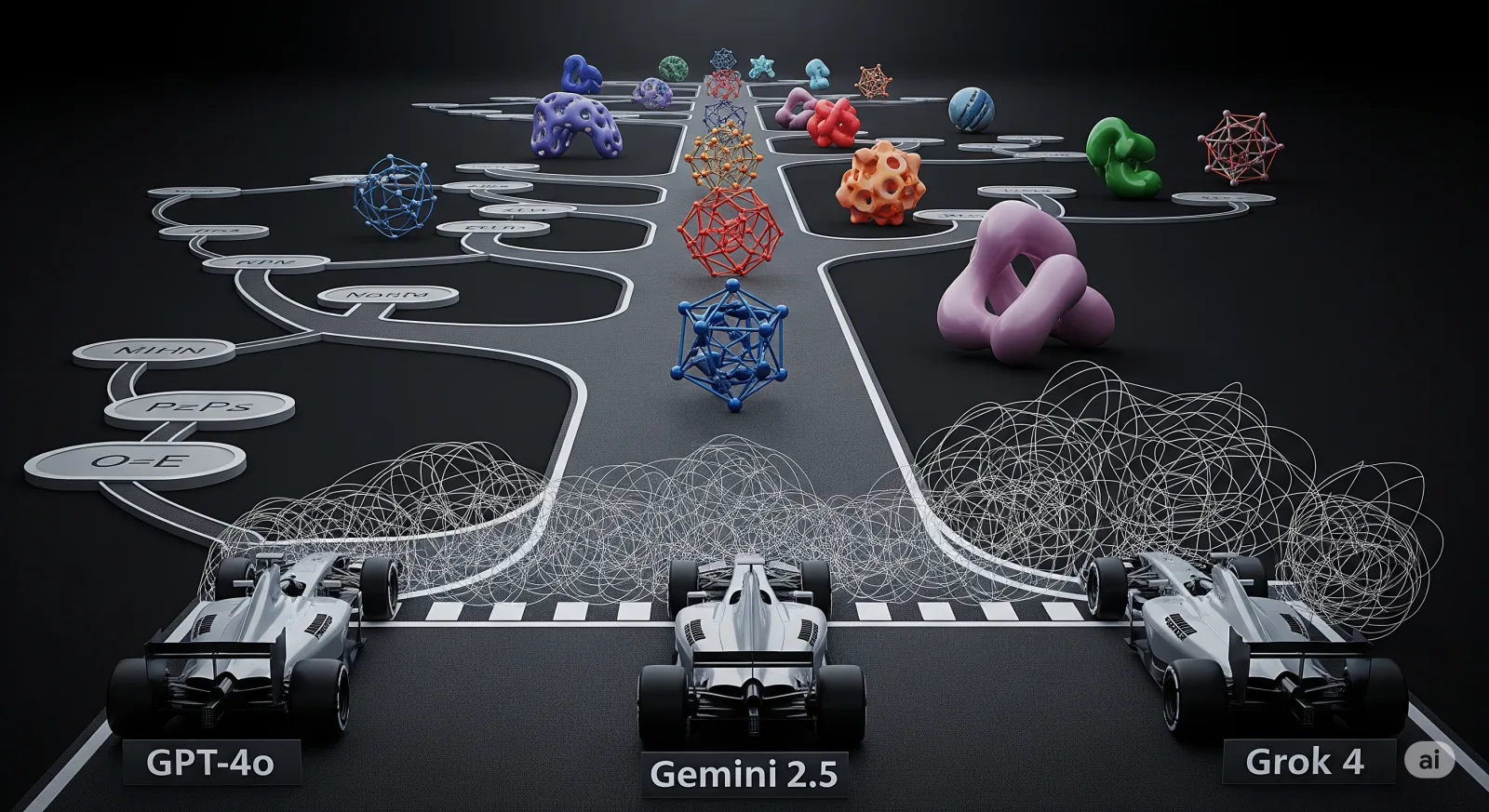
FormulaOne shows that frontier LLMs can look strong on coding contests while still failing at the deeper state-design reasoning behind research-grade graph algorithms.
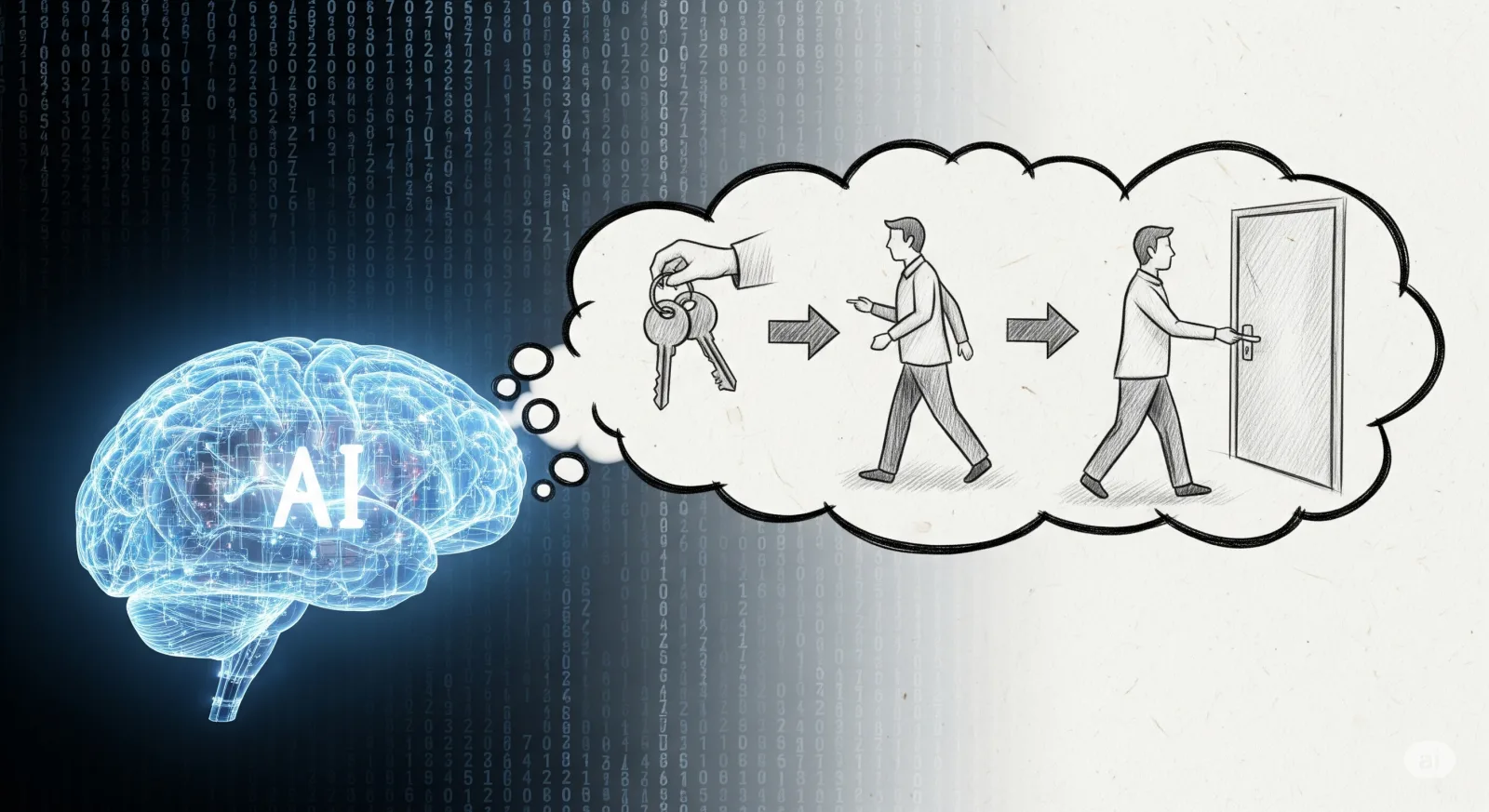
A mechanism-first reading of a machine-thinking framework that treats mental imagery as an architectural loop, not a benchmark-proven shortcut to reasoning.