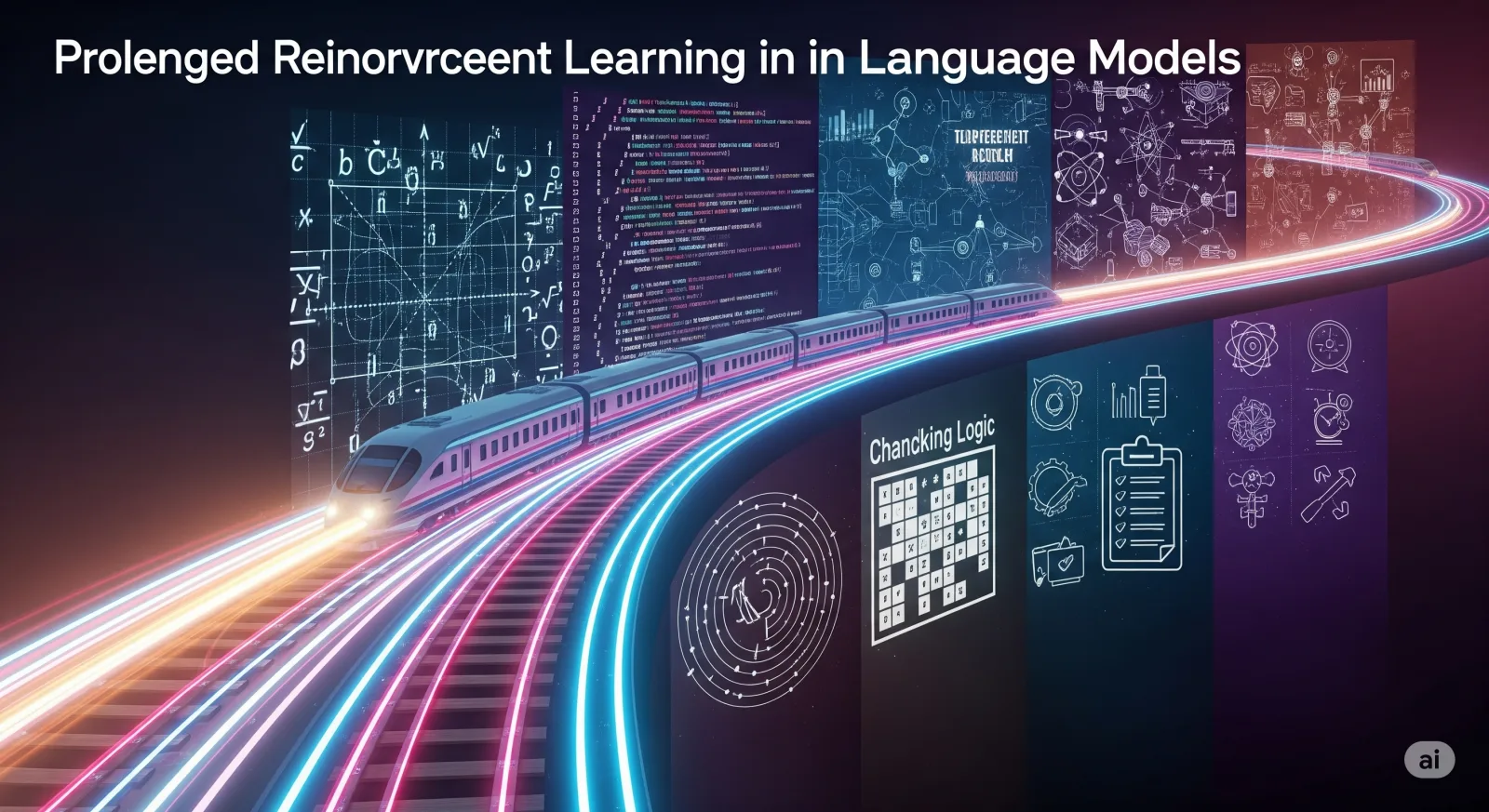
Train of Thought: How Long-Haul RL Unlocks LLM Reasoning Diversity
A mechanism-first reading of NVIDIA’s prolonged reinforcement-learning recipe for making small reasoning models improve without collapsing into narrow, brittle behaviour.
A mechanism-first reading of NVIDIA’s prolonged reinforcement-learning recipe for making small reasoning models improve without collapsing into narrow, brittle behaviour.

A mechanism-first look at why enterprise RAG needs row-aware tables, hybrid retrieval, reranking, and feedback loops before it can safely answer internal business questions.
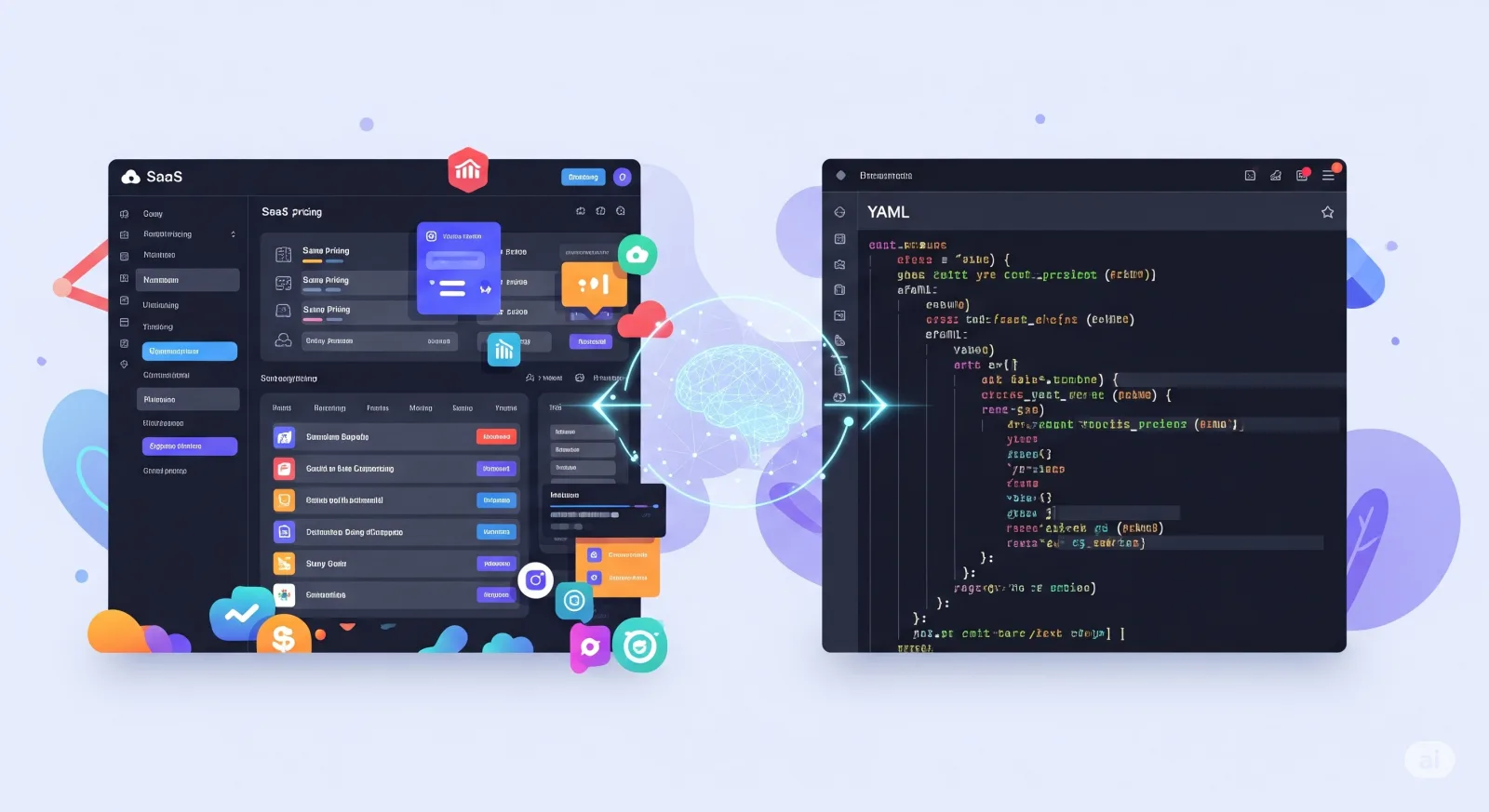
A mechanism-first look at how LLMs can turn messy SaaS pricing pages into machine-readable pricing artifacts, and why the hard part is not scraping but disciplined pricing operations.

A practical reading of why AI agents can automate much of analytics execution without replacing the human judgment that makes data science useful.

CodeAssistBench shows why coding assistants that shine on Q&A benchmarks still struggle inside real, recent, multi-turn software support workflows.

A practical reading of how game theory and agentic LLMs can reshape cybersecurity architecture, from strategic threat modeling to multi-agent SOC workflows.

A comparison-based reading of how leading LLMs answer financial preference questions, and why their synthetic rationality creates a suitability problem for AI finance.

A logits-based method for mapping emotion hierarchies in LLMs turns affective AI evaluation from a label-accuracy contest into a structural audit problem.

A mechanism-first reading of why visible reasoning traces may offer a rare but fragile safety signal for agentic AI oversight.
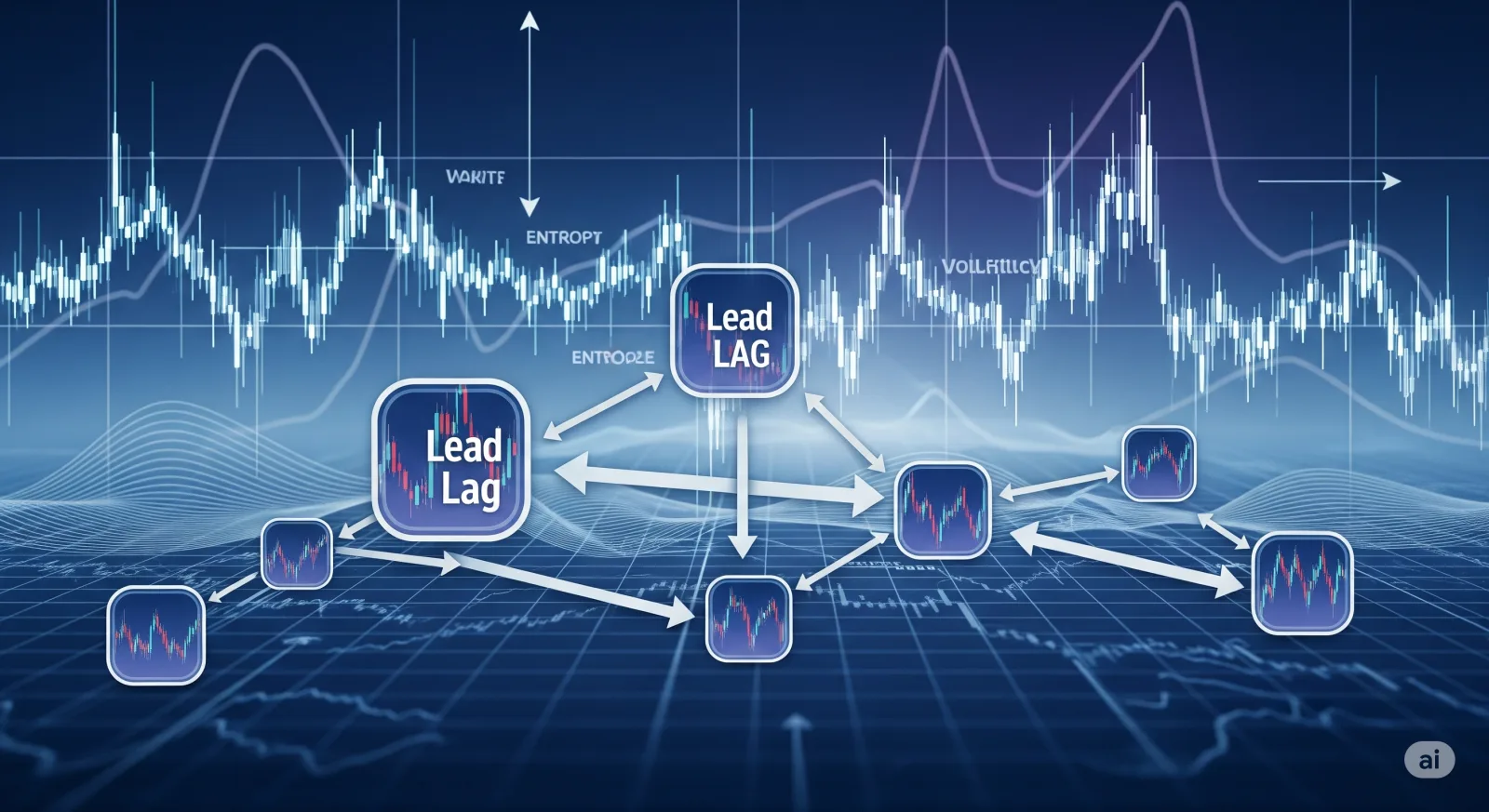
A mechanism-first reading of Vol-TS, a volatility-and-causal-inference trading framework that turns noisy stock movement into directional lead-lag signals.