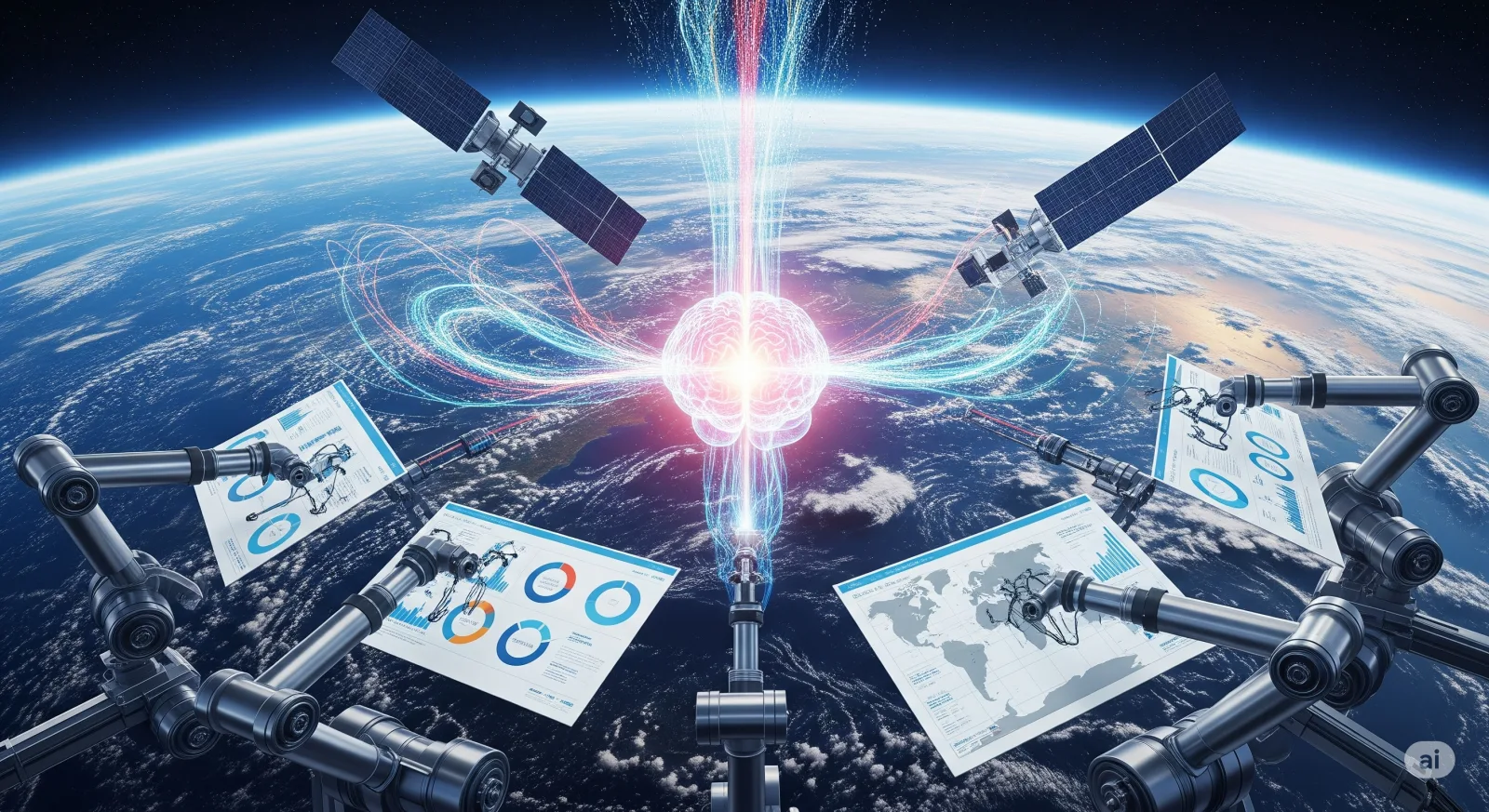
Forecasting a Smarter Planet: How EarthLink Reimagines Climate Science with Self-Evolving AI Agents
EarthLink shows how climate AI becomes useful when it orchestrates auditable workflows, not when it merely chats confidently about weather.
EarthLink shows how climate AI becomes useful when it orchestrates auditable workflows, not when it merely chats confidently about weather.
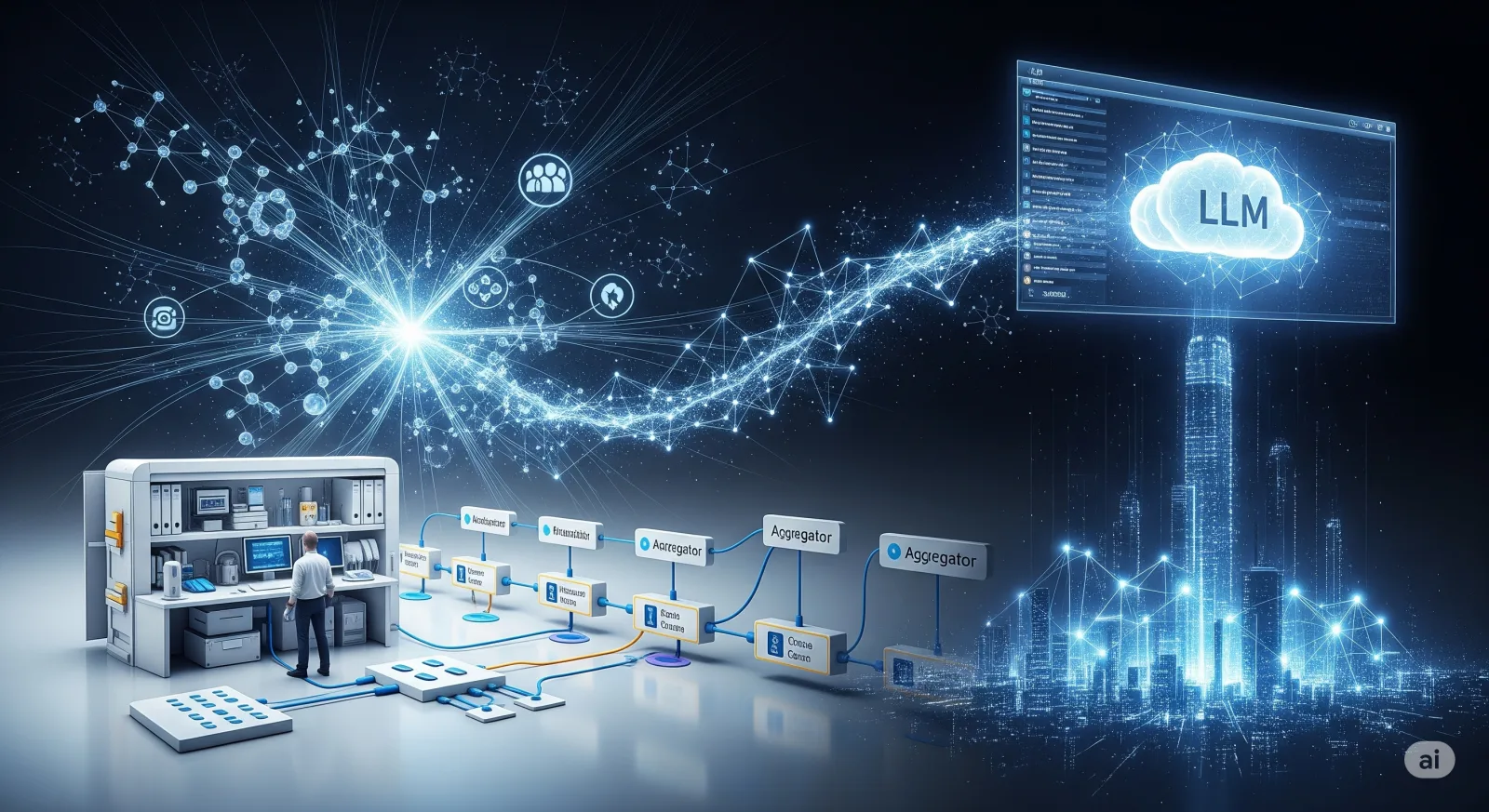
PyG 2.0 matters because it turns graph neural networks from benchmark experiments into modular infrastructure for heterogeneous, temporal, explainable, and production-scale graph learning.
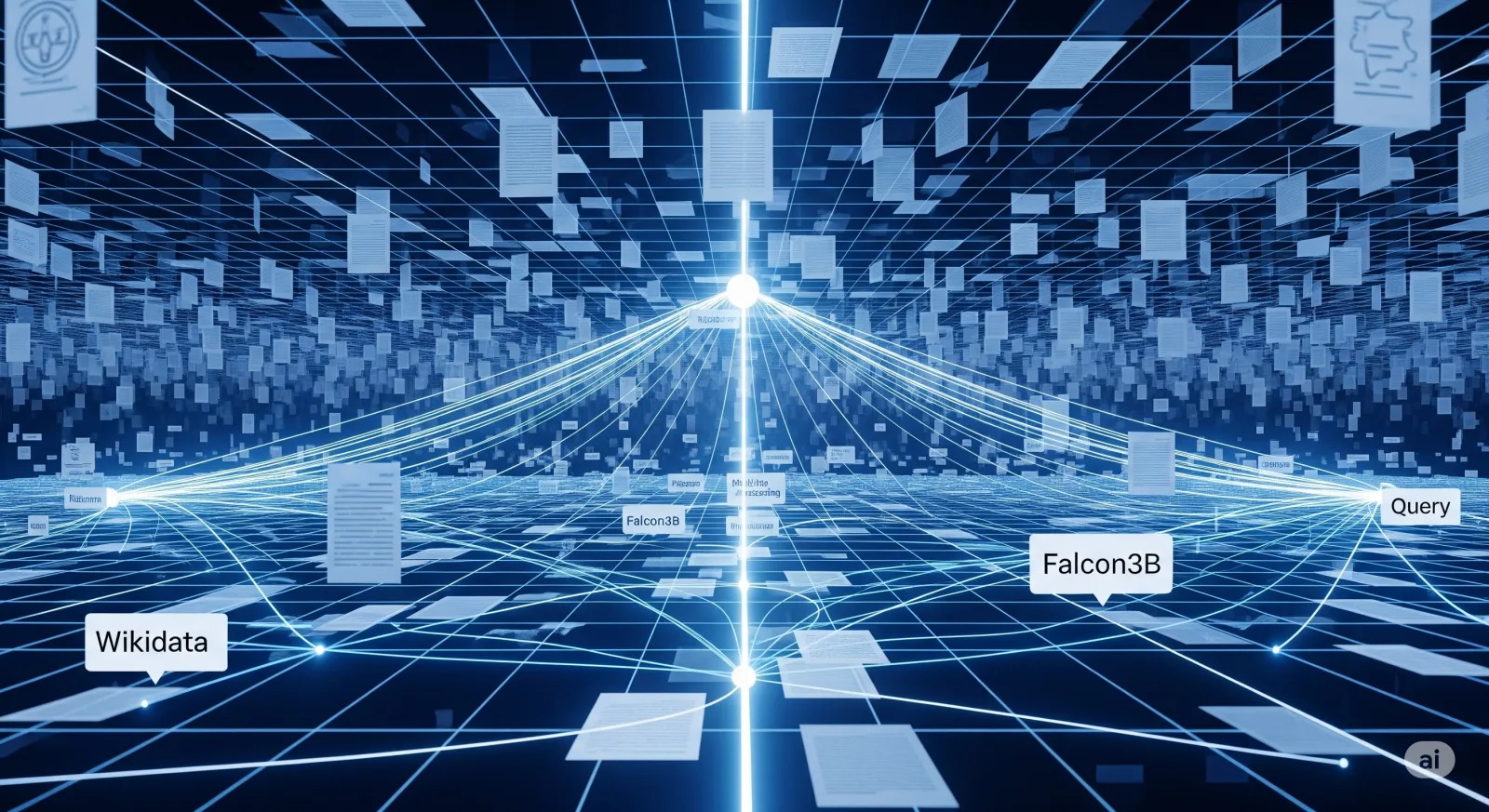
A mechanism-first analysis of how GeAR was adapted for million-passage GraphRAG by replacing offline triple extraction with online Wikidata alignment—and why that shortcut is useful but fragile.
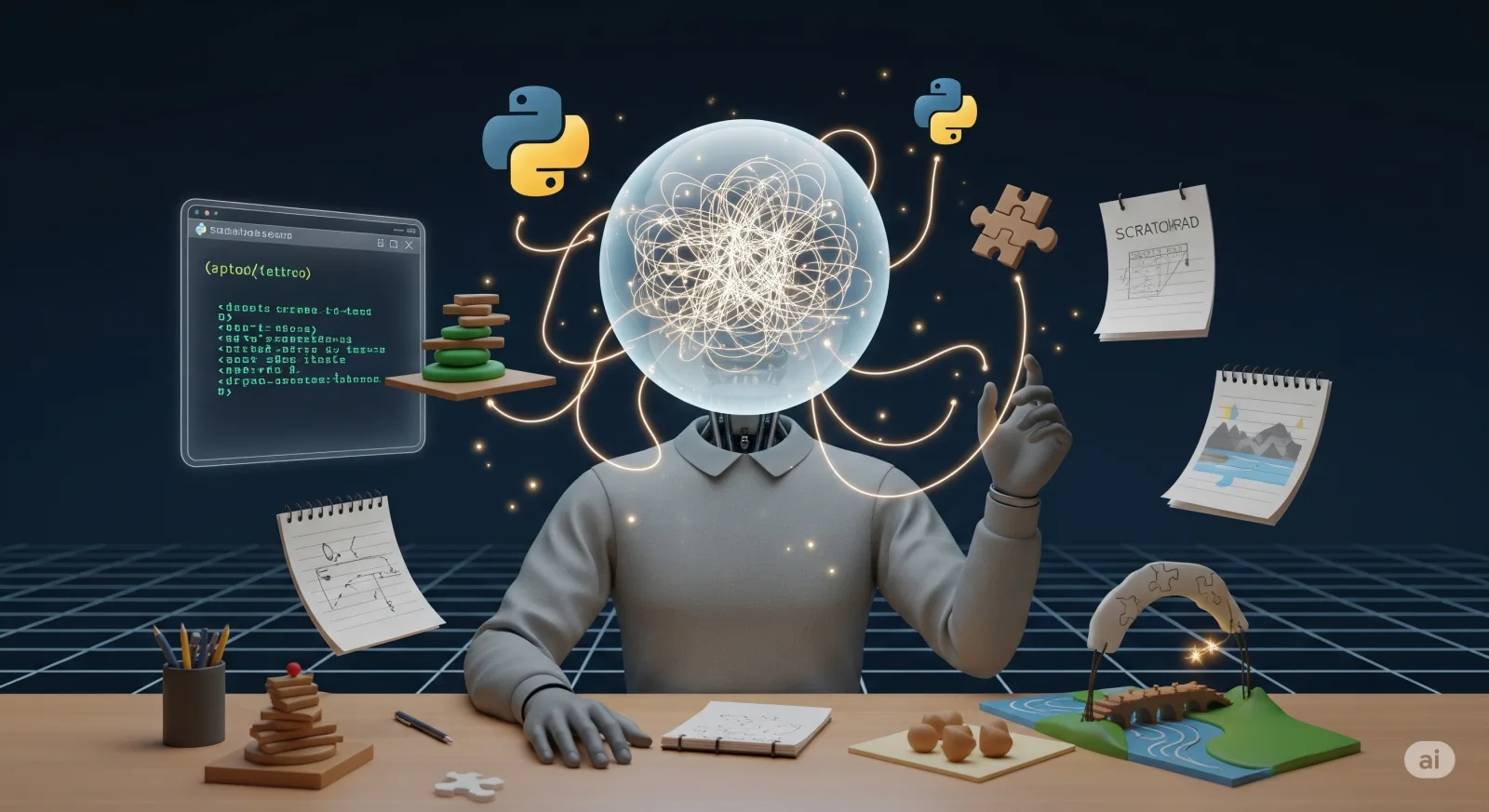
A closer look at why tool-augmented reasoning models beat ordinary prompting only when the model, task, and tool interface actually fit.
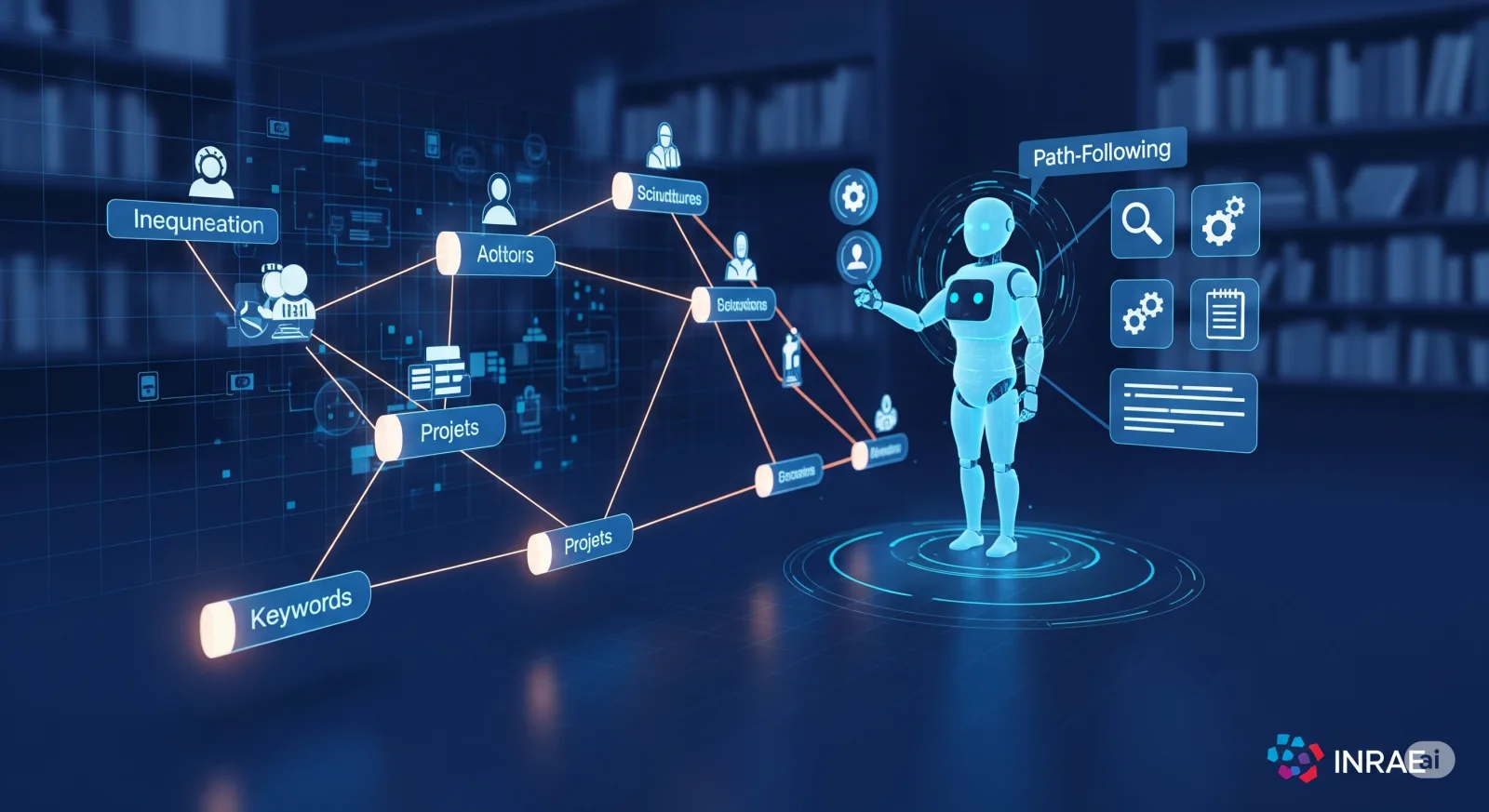
INRAExplorer shows why enterprise RAG needs governed graph traversal, modular tools, and auditable multi-step retrieval—not just better snippet ranking.

A mechanism-first reading of how unified multimodal models can turn their own generation-understanding gap into self-improvement data.

HalMit reframes hallucination monitoring as boundary mapping: probe where an agent tends to fail, store those risk zones, and flag nearby queries before trust becomes expensive.
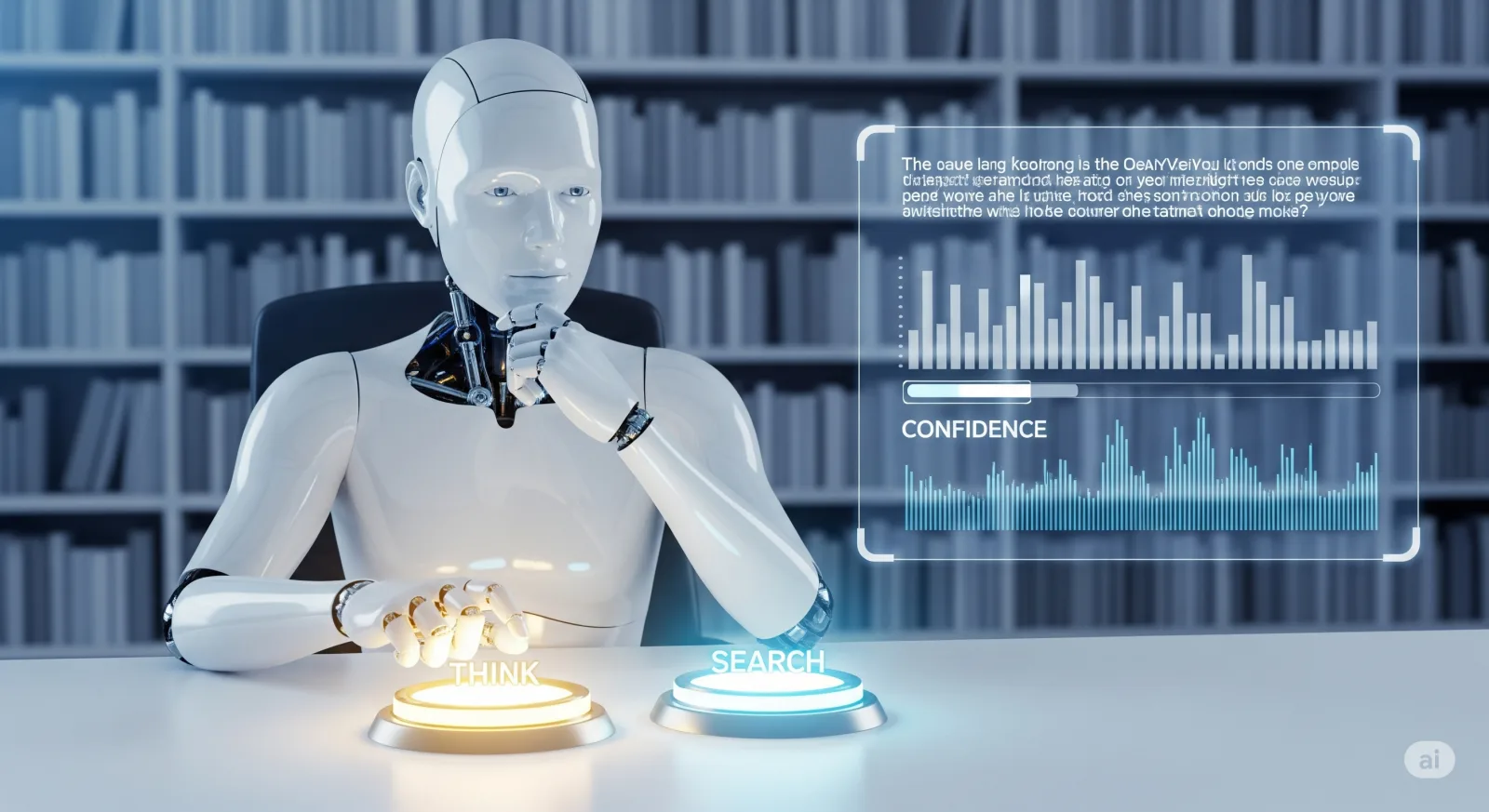
A mechanism-first look at Deliberative Searcher, a search-augmented LLM framework that trains confidence as a reliability behaviour rather than a decorative score.
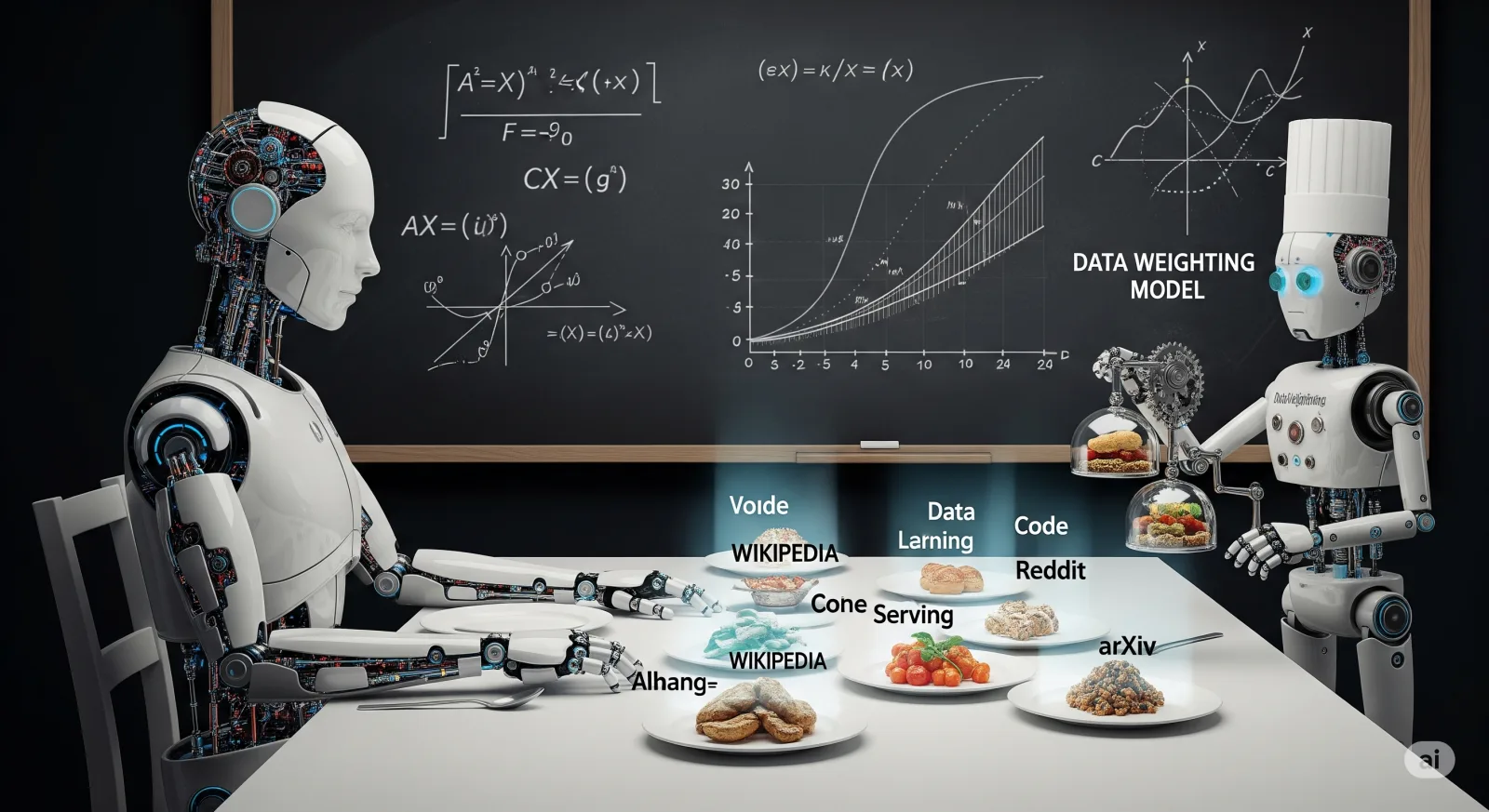
A mechanism-first reading of why dynamic data weighting may matter more than static corpus selection for efficient LLM pretraining.
A mechanism-first look at NANDA’s proposal for agent discovery, verified metadata, adaptive routing, and the governance layer enterprises will need if agents are expected to work across organisational boundaries.