Cover image

The Simulator Gets a Reality Check

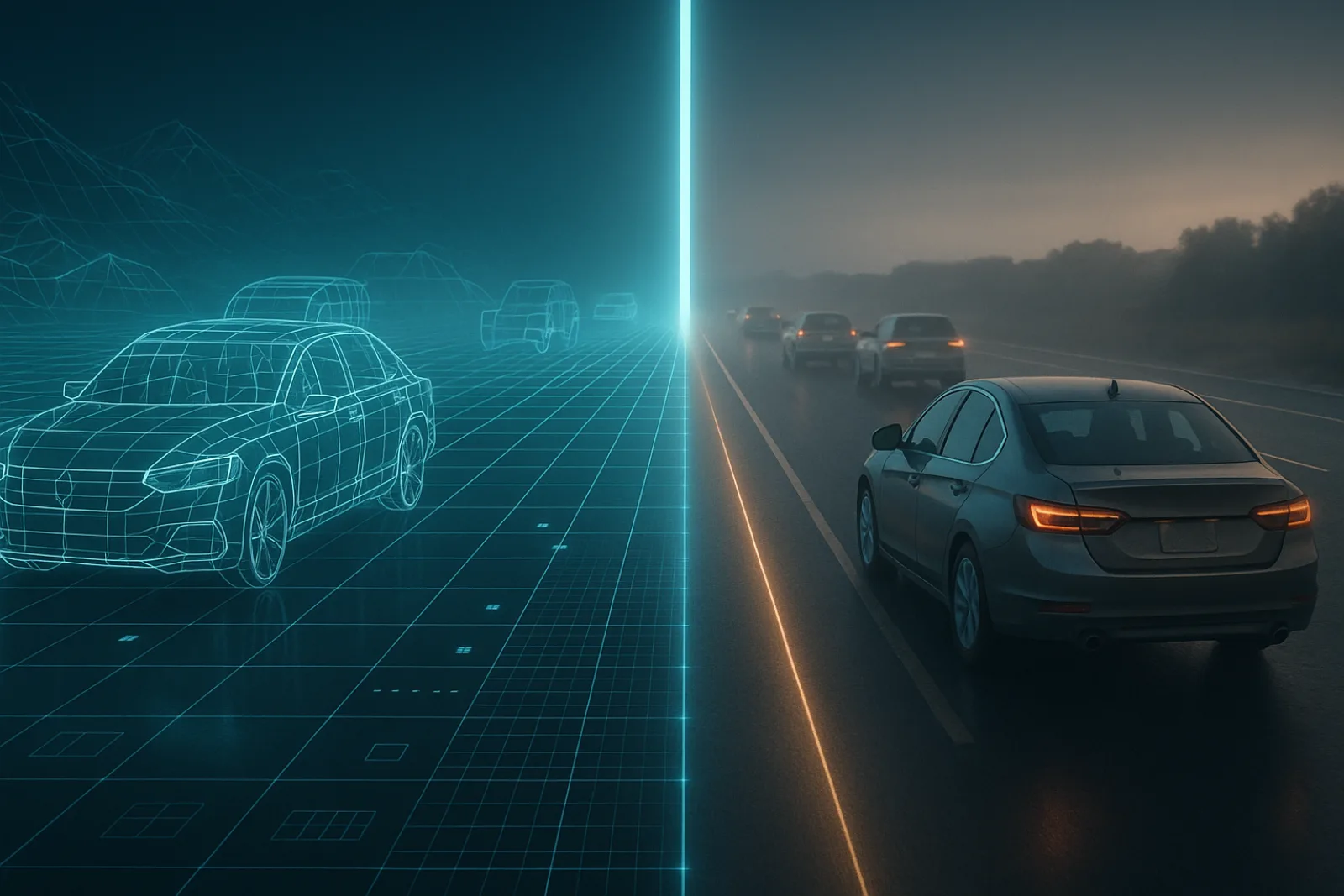
TL;DR for operators RealityBridge is a paper about a fairly unglamorous but commercially important problem: editable driving simulations are useful because they let teams stage rare, dangerous, and legally inconvenient scenarios, but the rendered videos often look wrong in exactly the places that matter. Blurry vehicles, mismatched lighting, weak shadows, floating artifacts, broken boundaries, flickering objects, and small hazards that quietly dissolve into the background are not just aesthetic defects. They are domain-gap leakage. ...

July 9, 2026 · 22 min · Zelina
Cover image

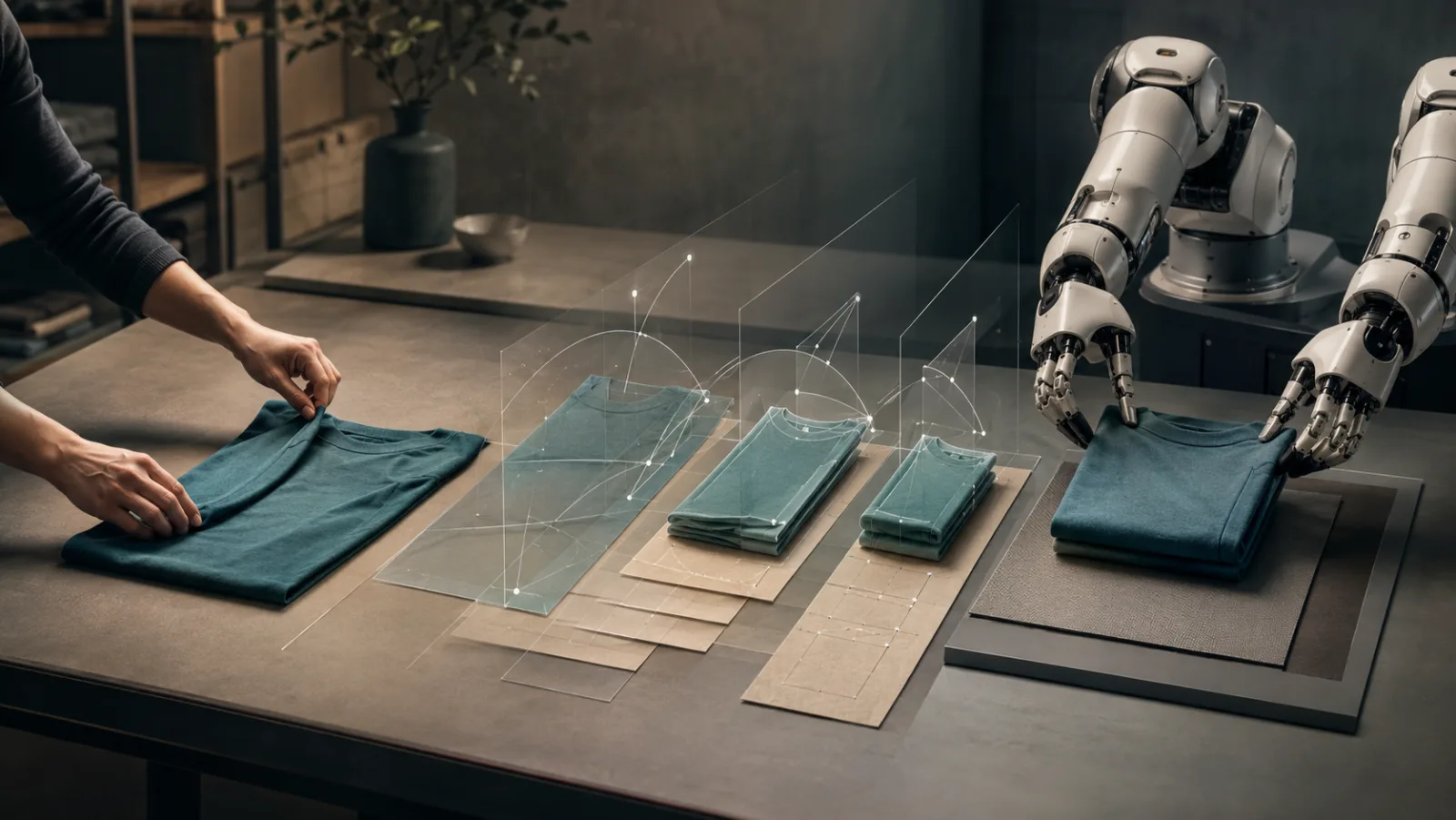
Fold Me Once: When the Demonstration Becomes the Robot Interface

TL;DR for operators Instant-Fold is not mainly a “robot folds shirts” paper. That is the demo-friendly surface layer, and robotics papers do need a surface layer. The more useful idea is that a single demonstration can work as an operational interface for deformable tasks where language is too thin, checklists are too brittle, and final-state labels hide the important part: how the object got there.1 ...

June 25, 2026 · 18 min · Zelina
Cover image

Walking the Line: When Robots Learn to Step Like Humans (Without the Drama)

Walking looks easy until you ask a robot to do it. For humans, stepping over a box or climbing a stair is usually not an executive decision. The body sees the surface, estimates where the foot should land, keeps rhythm, adjusts weight, and moves on. No committee meeting. No multi-stage training pipeline. No adversarial discriminator whispering, “that gait is not sufficiently human-like.” ...

March 22, 2026 · 18 min · Zelina
Cover image

Sim2Realpolitik: Why Your AI Needs a Twin Before It Faces Reality

Data is the part of AI that refuses to be motivational. A company can buy a larger model, rent more GPUs, and hire a cheerful consultant to say “agentic workflow” three times in a meeting. What it cannot easily buy is the exact operational data its AI needs: rare failures, unsafe edge cases, clean labels, sensitive medical records, multi-agent traffic chaos, robotic mistakes that do not injure anyone, and enough variation to make a deployed system less embarrassingly brittle. ...

February 18, 2026 · 20 min · Zelina
Cover image

When Videos Grow Hands: How PhysWorld Teaches Robots to Stop Hallucinating Physics

Robots are not impressed by nice videos. A generated clip can show a hand placing a book into a shelf, pouring tomatoes from a pan, or sweeping scraps into a dustpan. It can look coherent enough to fool a casual viewer and perhaps even a product demo audience, which is not exactly the highest bar in technology. But a robot does not execute “looks coherent.” It executes poses, contacts, forces, trajectories, collisions, and failures. ...

November 16, 2025 · 16 min · Zelina
Cover image

Scenes, Screens, and Sim-to-Real Dreams: Why Scenario Queries Matter

Road testing has one inconvenient flaw: reality insists on happening in real time. That is a problem for autonomous vehicles, robots, drones, and other cyber-physical systems whose failures are rare, contextual, and often expensive to reproduce. Simulation helps because it lets engineers manufacture awkward situations on demand: the pedestrian who appears at the worst possible moment, the parked car blocking the lane, the unprotected turn that requires social judgement rather than just geometry. Lovely. Except simulation has its own embarrassing little issue: a failure in simulation may be a real system weakness, or it may be an artefact of synthetic sensor data wearing a lab coat. ...

November 14, 2025 · 16 min · Zelina