Cover image

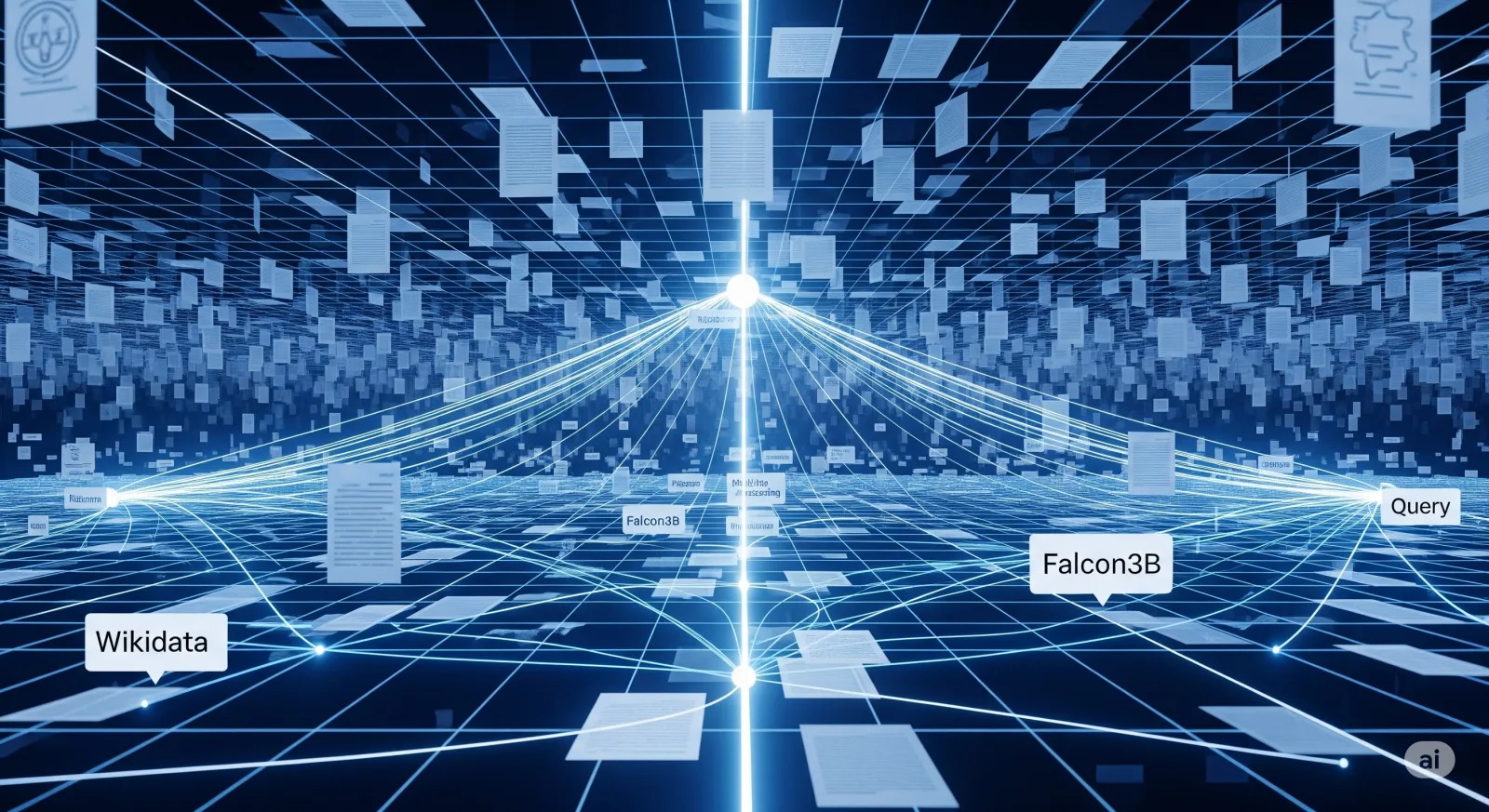
GraphRAG Without the Drag: Scaling Knowledge-Augmented LLMs to Web-Scale

TL;DR for operators GraphRAG usually sounds like a clean enterprise promise: put your knowledge into a graph, attach it to a language model, and enjoy more grounded answers. The less glamorous truth is that someone has to build the graph. At web scale, that “someone” is usually an LLM being asked to extract triples from millions or billions of passages, which is a fine idea if the procurement team has recently discovered oil under the server room. ...
July 24, 2025 · 15 min · Zelina
Cover image

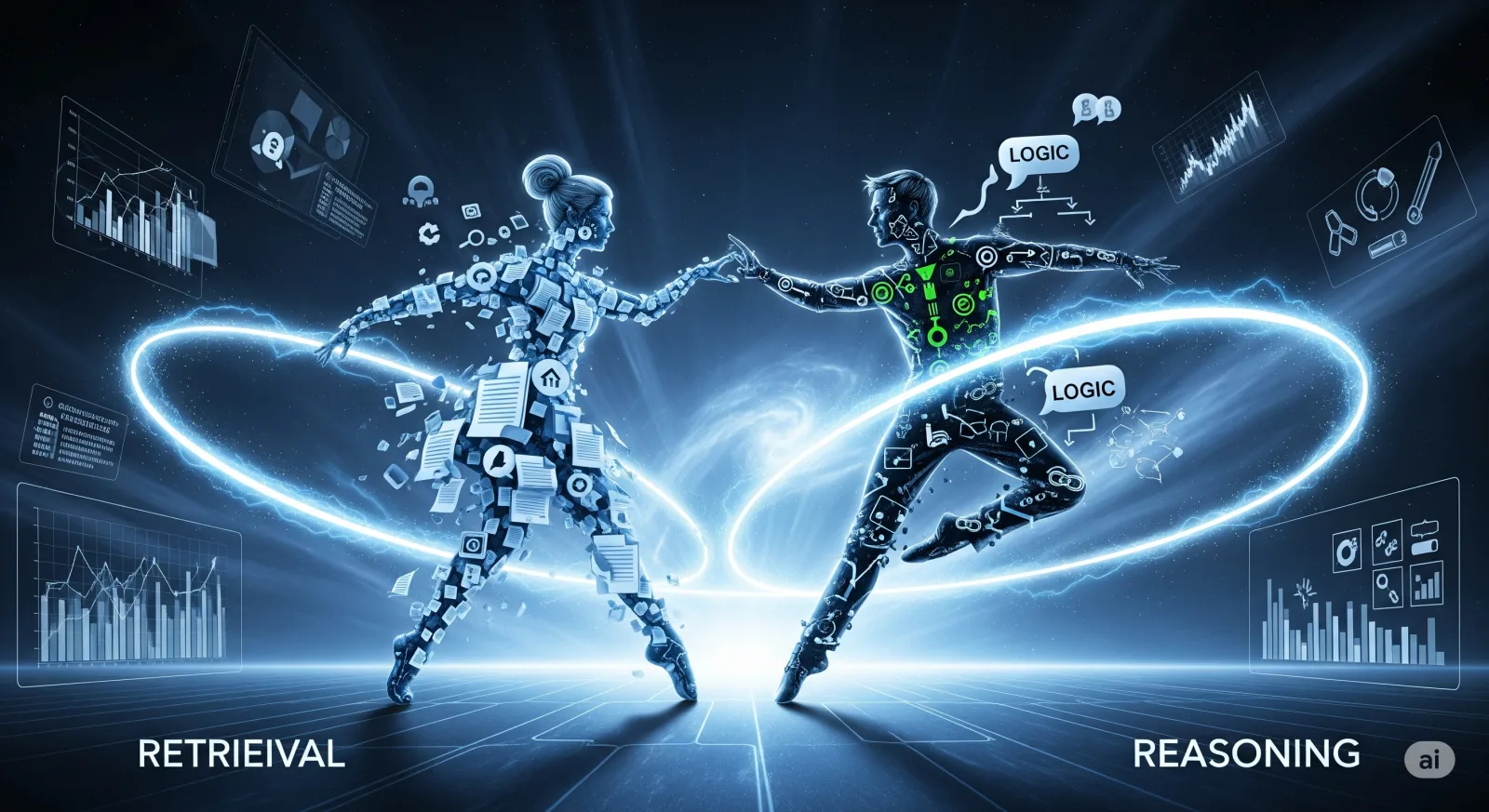
The Retrieval-Reasoning Tango: Charting the Rise of Agentic RAG

TL;DR for operators Static RAG is still useful. It is also no longer the whole game. The paper behind this article argues that retrieval and reasoning are converging into a more tightly coupled architecture: reasoning can improve retrieval, retrieval can improve reasoning, and agentic systems can interleave both over multiple steps.1 That sounds like a neat academic symmetry until you put it inside an enterprise workflow, where every extra retrieval call means latency, cost, permissions, ranking risk, and one more place for the machine to confidently ingest rubbish. ...

July 15, 2025 · 18 min · Zelina
Cover image

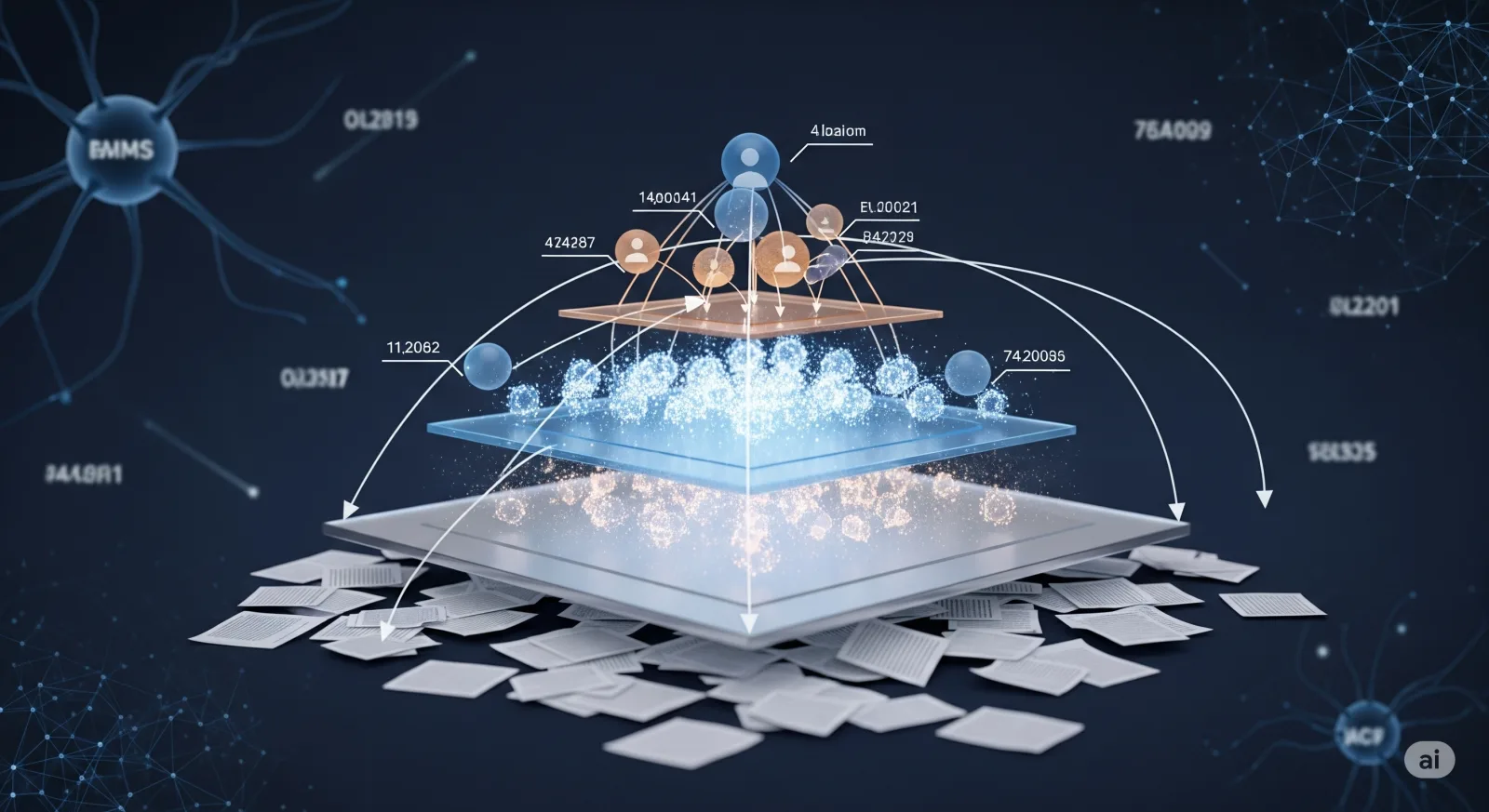
Chunks, Units, Entities: RAG Rewired by CUE-RAG

TL;DR for operators Enterprise RAG teams often treat retrieval quality as a graph-construction problem: extract more entities, more relationships, more summaries, and hope the answer appears somewhere in the resulting machinery. Clue-RAG suggests a more useful diagnosis: the failure is often not that the graph is too small, but that the system has chosen the wrong semantic unit for the job.1 ...

July 14, 2025 · 16 min · Zelina
Cover image

How Ultra-Large Context Windows Challenge RAG

TL;DR for operators Ultra-large context windows are not a ceremonial funeral for retrieval-augmented generation. They are a price renegotiation. If your task is to analyse a bounded, self-contained document set — a contract bundle, diligence folder, policy manual, code repository, or technical appendix — a long-context model may now be the cleaner first option. The main benefit is not that it “knows more”. It is that it can inspect more of the original evidence without depending on a retriever to guess which passages matter. ...

March 29, 2025 · 12 min · Zelina