Cover image

Forget Me Not: How RAG Turns Unlearning Into Precision Forgetting

A user asks to be forgotten. The recommender team opens the dashboard, sighs quietly, and faces the usual menu of unpleasant options. Retrain the model from scratch, which is clean in theory and expensive in practice. Partition the data so only part of the system needs rebuilding, which sounds elegant until collaborative signals leak across groups like gossip at a small wedding. Or approximate the user’s influence with gradients and influence functions, which is efficient until similar users get nudged around because the model learned their tastes together. ...

November 17, 2025 · 14 min · Zelina
Cover image

Bias on Demand: When Synthetic Data Exposes the Moral Logic of AI Fairness

The audit starts badly when everyone asks for “the fairness metric” Audit. That is where many AI fairness conversations become prematurely tidy. A model has produced uneven outcomes. Someone asks whether it is “fair.” Someone else proposes demographic parity, equal opportunity, calibration, predictive parity, or whatever metric most recently escaped from a conference paper into a compliance slide. The room nods gravely. A dashboard is born. Justice, apparently, has been converted into a ratio. ...

November 2, 2025 · 18 min · Zelina
Cover image

Titles, Not Tokens: Making Job Matching Explainable with STR + KGs

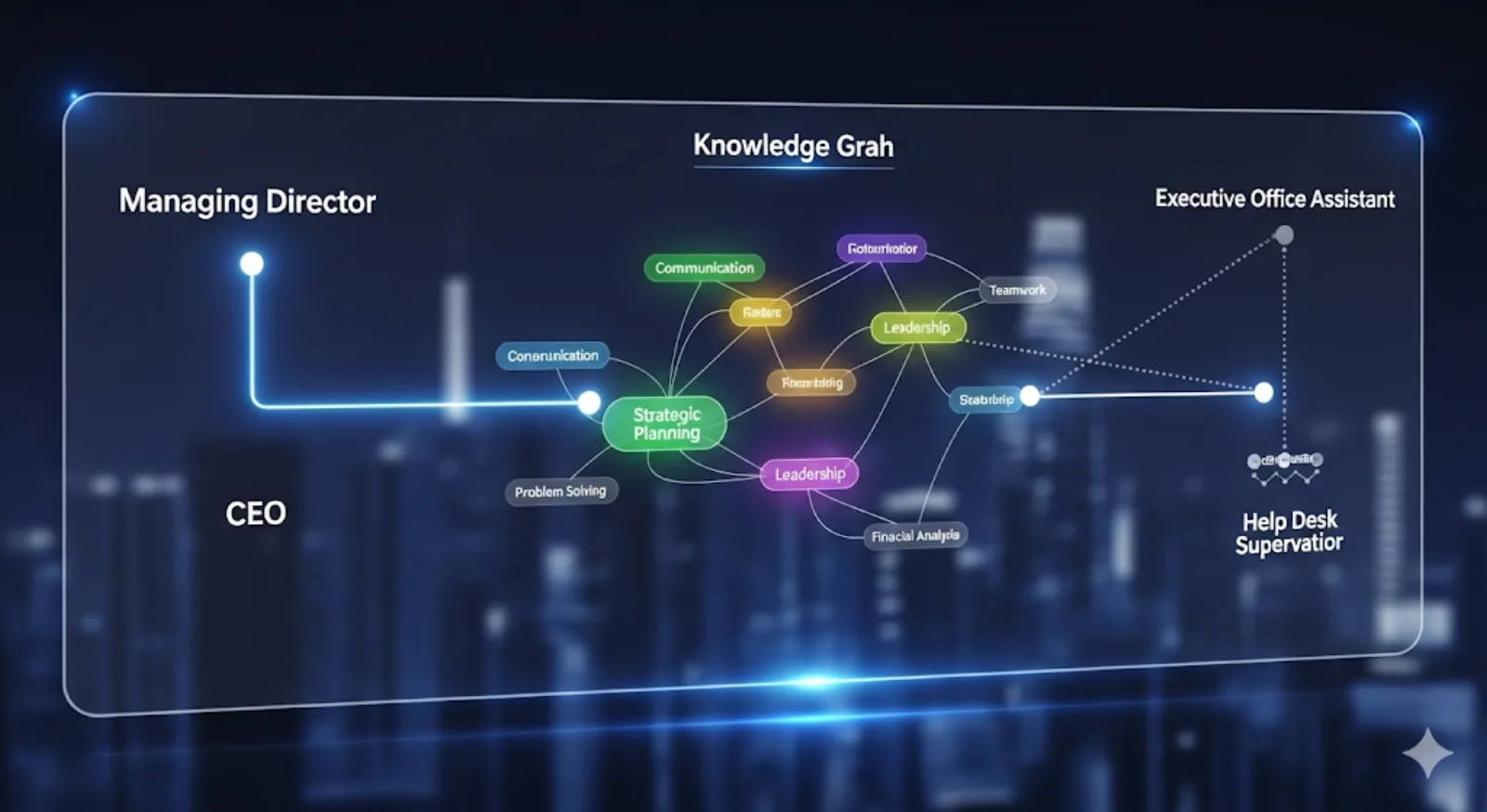
Recruiters do not match job titles the way search boxes do. A search box sees “Chief Executive Officer” and “Managing Director” and notices the obvious problem: almost no shared words. A recruiter sees the less obvious truth: these can be functionally close roles. Then the same recruiter sees “Director of Sales” and “Vice President, Marketing” and understands a different kind of relationship: not identical, but adjacent enough to matter. ...

September 17, 2025 · 13 min · Zelina
Cover image

Chatbot at the Table: Rethinking Group Recommendations with GenAI

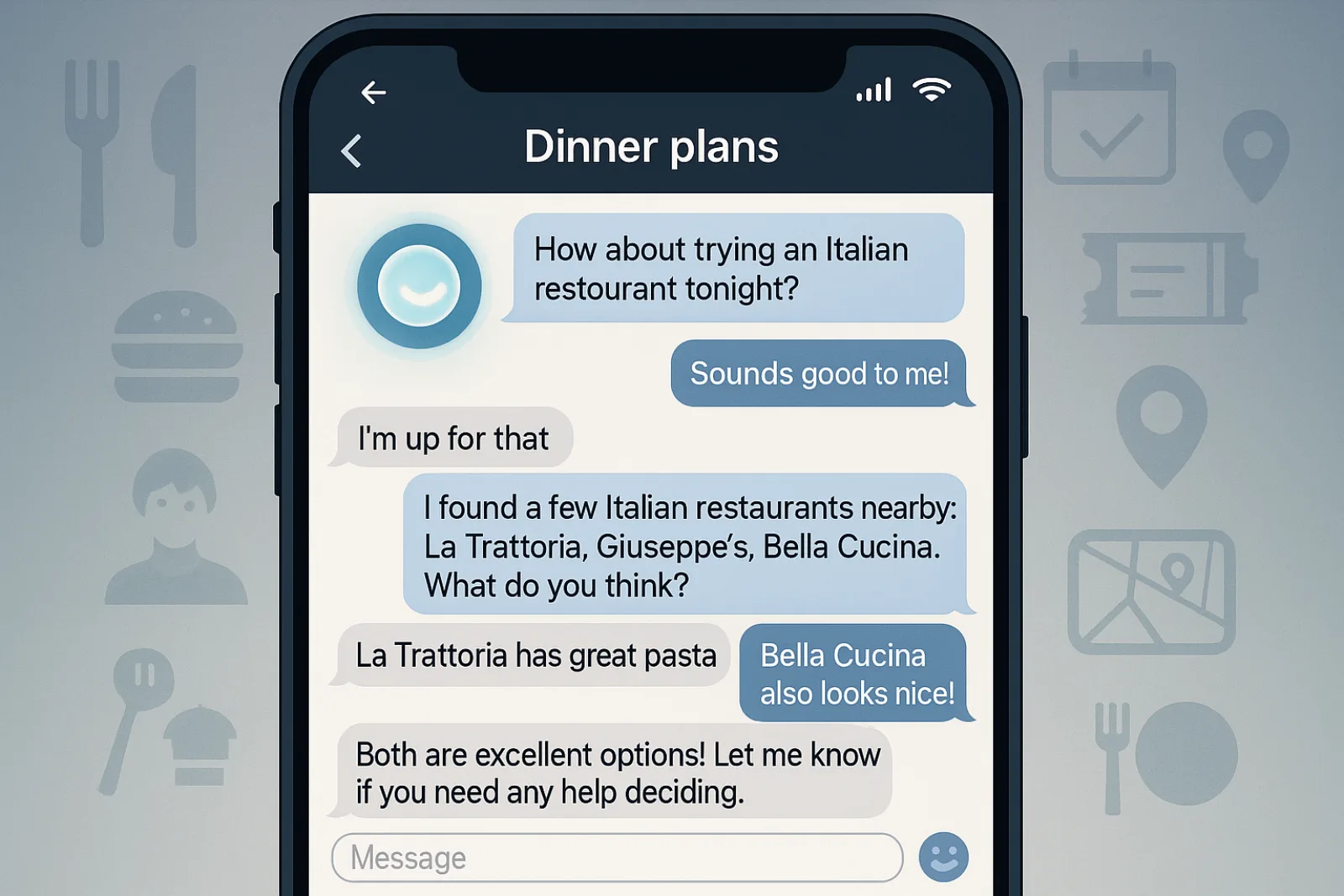
TL;DR for operators Dinner plans are where elegant recommender theory goes to be quietly embarrassed. Five people do not usually open a dedicated app, rate every restaurant, agree on a utility function, and wait for a ranked list to descend from the heavens. They argue in a chat. They change their minds. Someone forgets the budget. Someone says “anything is fine” while absolutely not meaning it. Someone else proposes a venue that is closed on Mondays. Humanity, as usual, remains a hostile runtime environment. ...

July 2, 2025 · 18 min · Zelina
Cover image

Urban Loops and Algorithmic Traps: How AI Shapes Where We Go

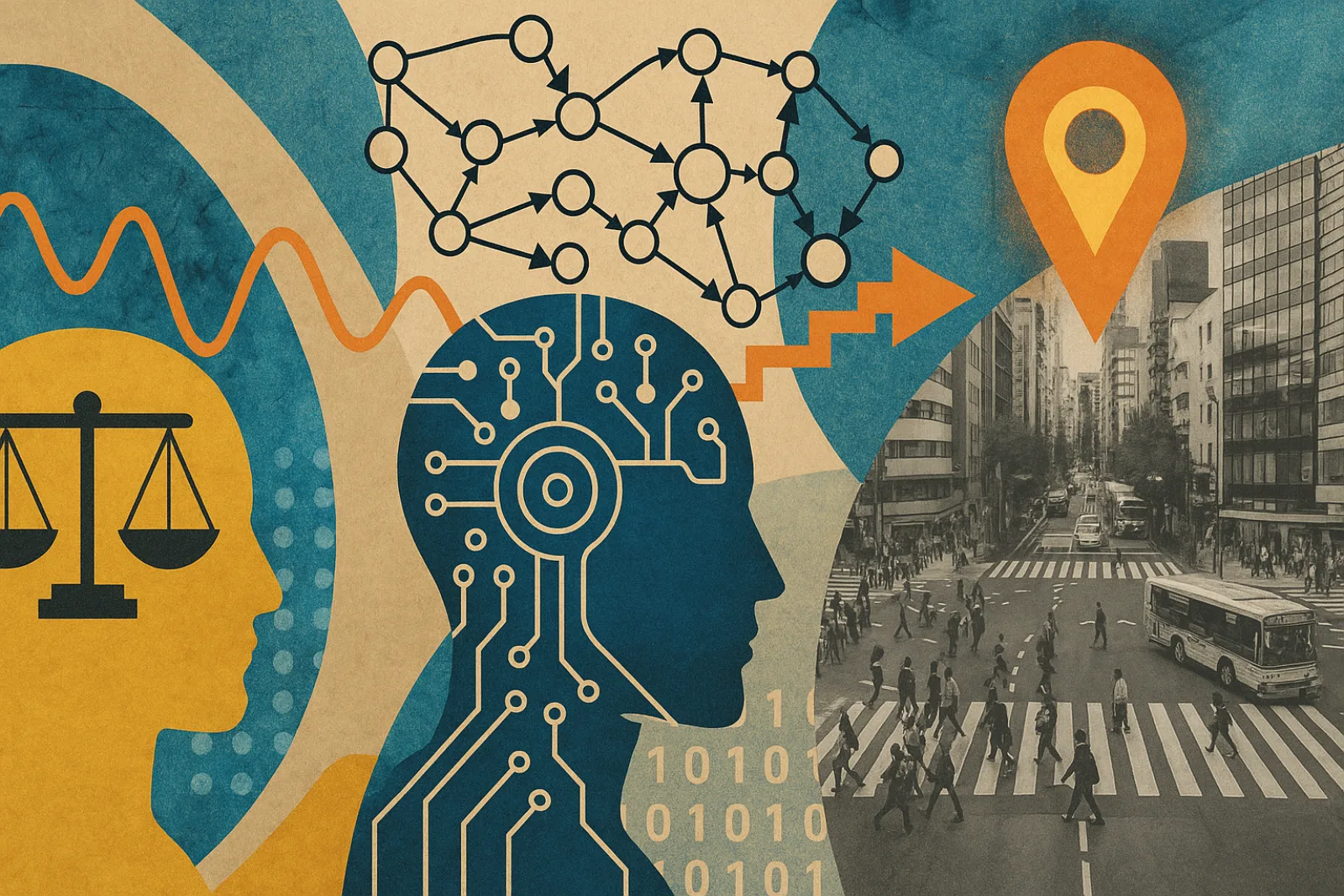
TL;DR for operators AI systems should not be judged only by whether they make each user happier, faster, or more “creative.” That is the easy dashboard. The harder question is whether millions of individually useful interactions reshape the whole market, city, or creative ecosystem in ways that concentrate attention and opportunity. Two recent arXiv papers form a useful chain. One models next-venue recommendation in cities and shows a sharp trade-off: recommenders can increase individual venue diversity while concentrating collective visits on already popular locations.1 The other argues that generative AI should be understood as an alternative form of cognition built from collective human knowledge, and that the practical path forward is human-AI synergy, broad access, and governance rather than endless trench warfare over authorship.2 ...

April 11, 2025 · 14 min · Zelina