Cover image

Measure for Measure: Why AI Evaluation Must Follow the Failure

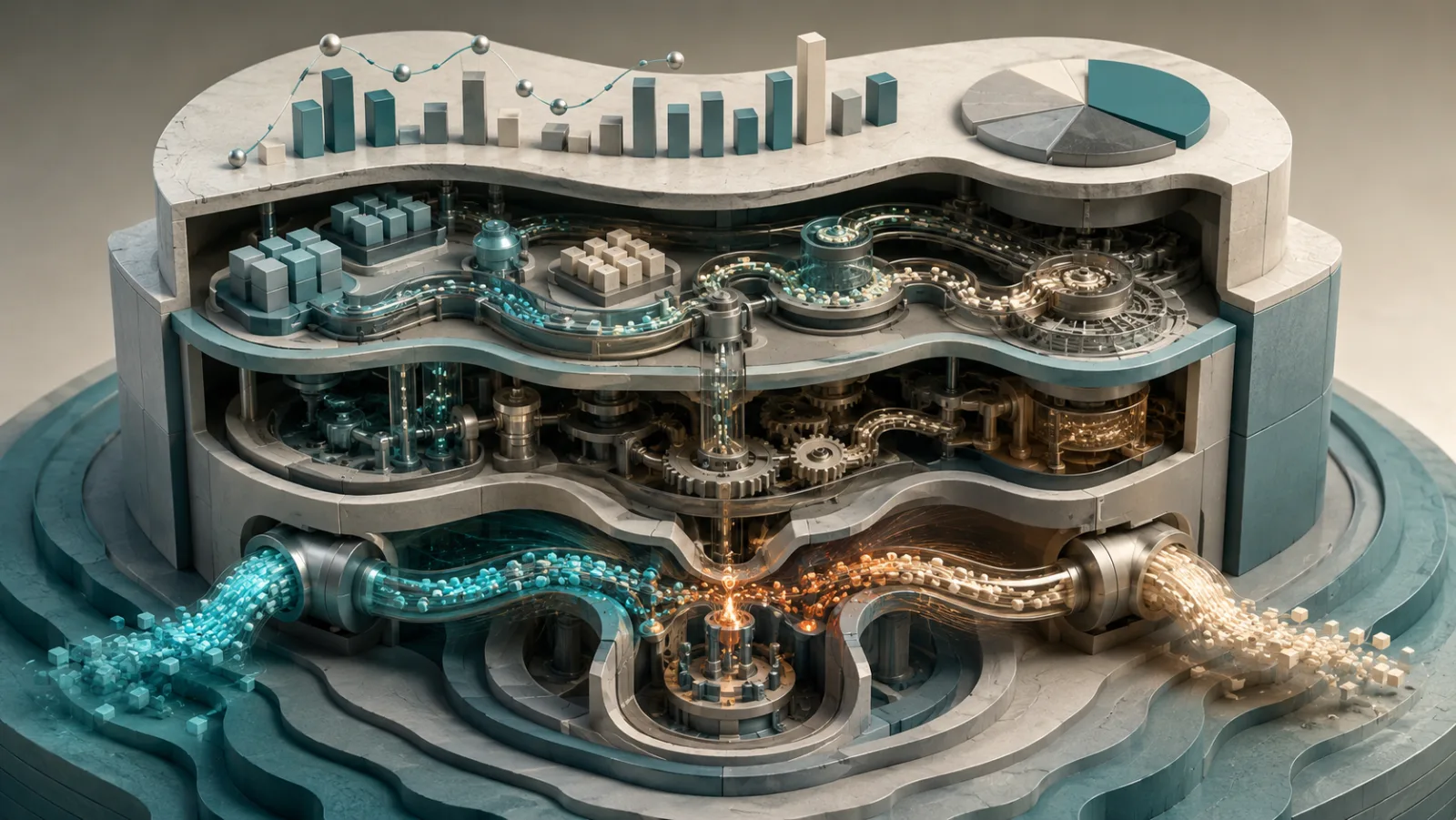
TL;DR for operators A lower model bit width is not automatically a speedup. A lower training loss is not automatically a reliable policy. GRINQH evaluates quantization through the mechanism it is meant to change: decoding-stage memory traffic, kernel throughput, end-to-end generation speed, and retained task accuracy.1 Kolmogorov regression evaluates diffusion policies through trajectory geometry, a PDE-based inference residual, rollout behavior, anomaly detection, and an external safety filter.2 The shared lesson is not that the two forms of “precision” are technically equivalent. They are not. The lesson is that fidelity and evidence should be allocated according to the actual failure structure of the system. A production evaluation should connect four things explicitly: the intervention, the mechanism it changes, the diagnostic that observes that change, and the operational outcome that justifies deployment. Composite scores are useful only when their weights reflect real business priorities and their components remain separately visible. Otherwise, they are merely spreadsheets wearing authority. The dashboard is not the system AI evaluation has developed an awkward habit: optimize a convenient number, improve that number, and declare the system improved. ...

July 22, 2026 · 16 min · Zelina
Cover image

Fast Forward, Reality Check: Video AI Needs Two Control Loops

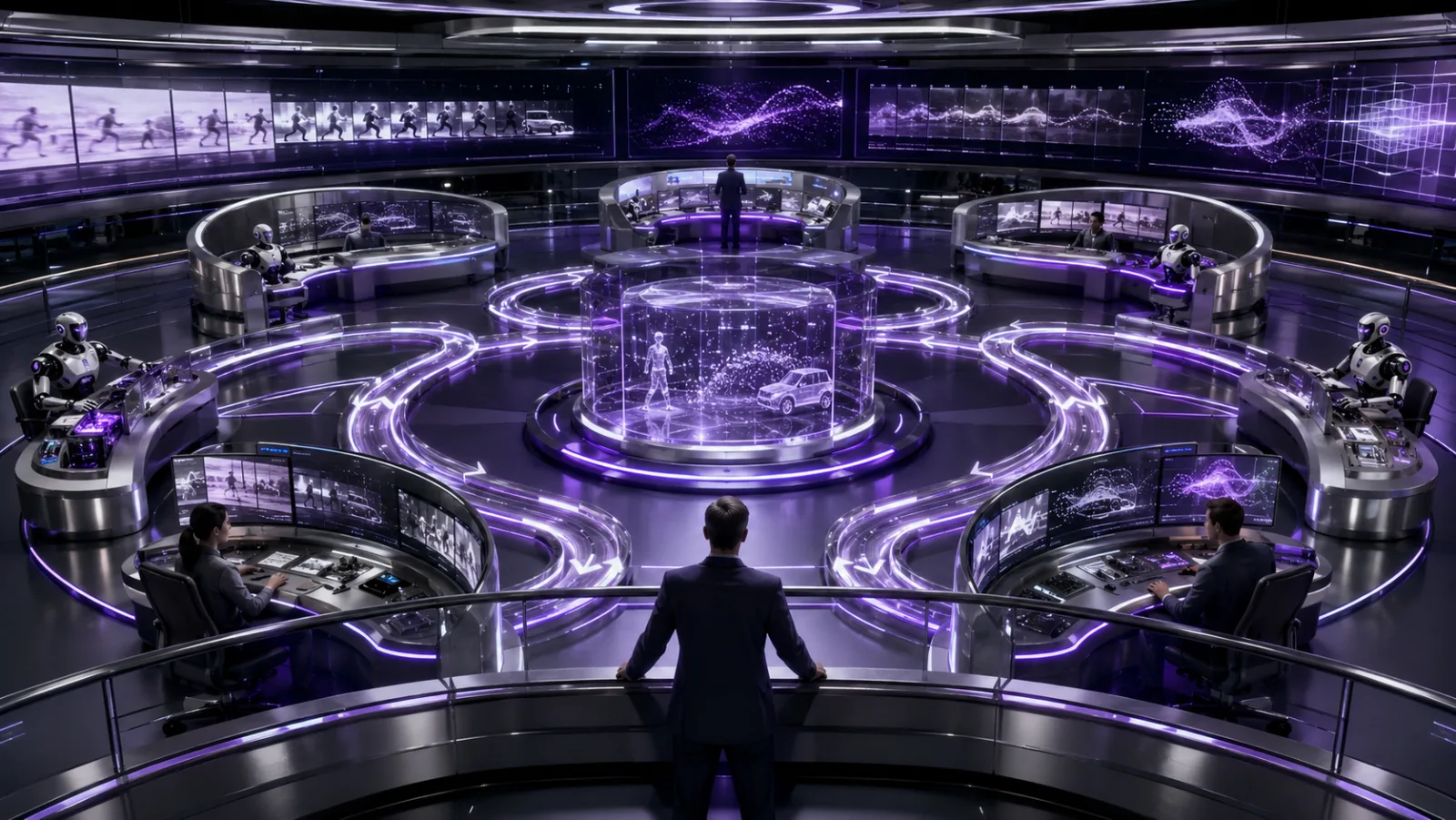
TL;DR for operators Video-generation systems are becoming expensive enough that inference optimization is no longer optional. But optimizing them is not a simple matter of switching on quantization, caching a few activations, and congratulating the infrastructure team. The safest acceleration recipe changes with the model, hardware, resolution, denoising schedule, precision format, and serving configuration. Sol Video Inference Engine addresses this problem by assigning different optimization techniques to specialized agents, then using an integrator to compose them into a deployment-specific stack. ...

July 21, 2026 · 17 min · Zelina
Cover image

Structure, Stress, and Secrets: The Three Tests Production AI Keeps Pretending Are One

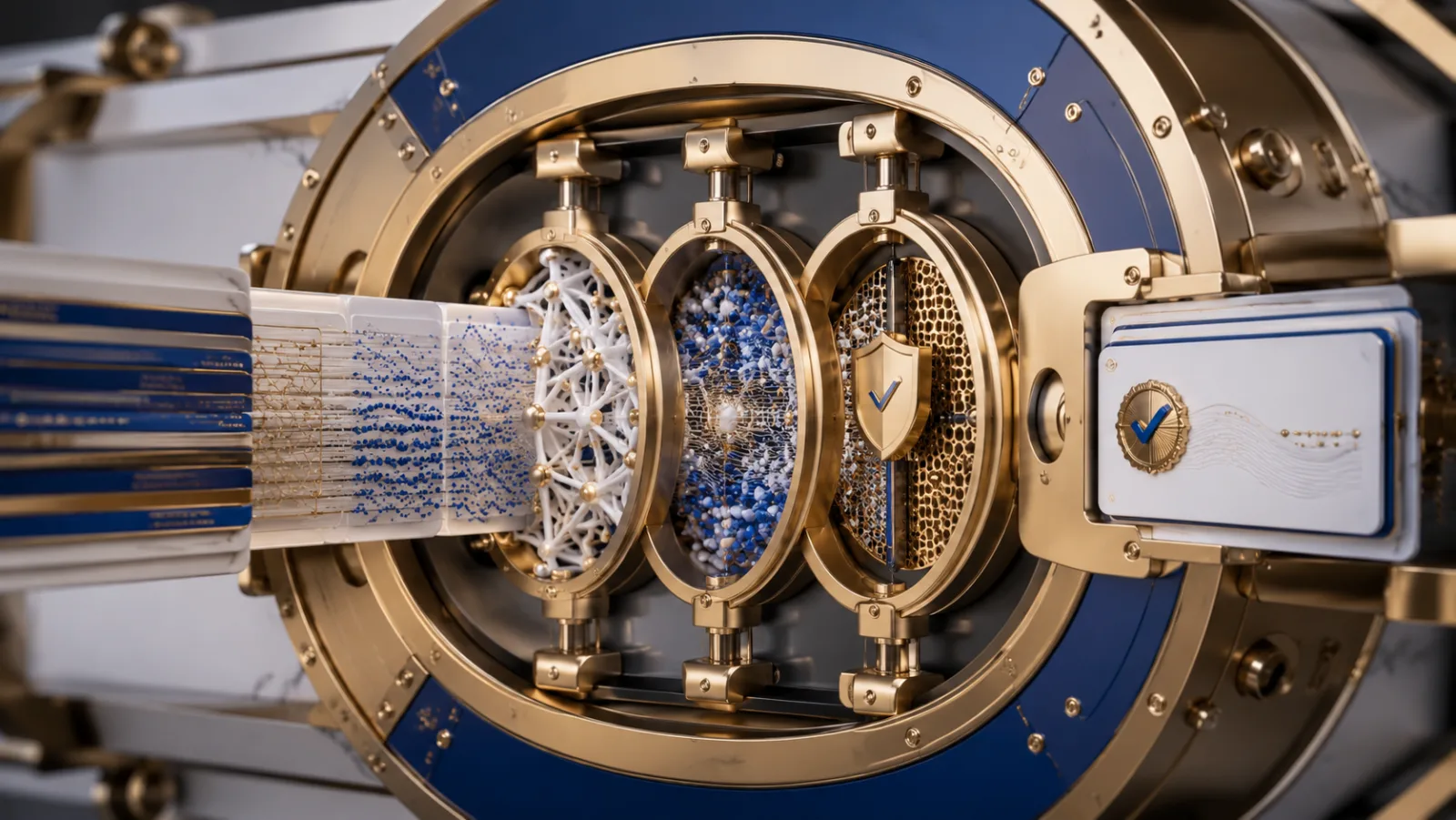
TL;DR for operators Production AI is usually evaluated as though one good model score can certify the entire system. It cannot. A model can be efficient because the task was structured intelligently, appear reliable because the test users were unusually cooperative, and still expose sensitive information through the infrastructure that serves it. ...

July 20, 2026 · 18 min · Zelina
Cover image

No Easy A: Why AI Training Needs Hard-Case Routing

No Easy A: Why AI Training Needs Hard-Case Routing AI teams like to say they are “improving the model.” Very noble. Also conveniently vague. In practice, “improvement” usually means one of three things: collect more data, buy a larger model, or run another round of fine-tuning and hope the loss curve behaves like a polite employee. The two papers in this cluster suggest a less glamorous, more useful idea: the scarce resource is not only data or parameters. It is learning pressure. ...

June 12, 2026 · 19 min · Zelina
Cover image

Storyboard, Not Slot Machine: Why AI Video Needs Control Infrastructure

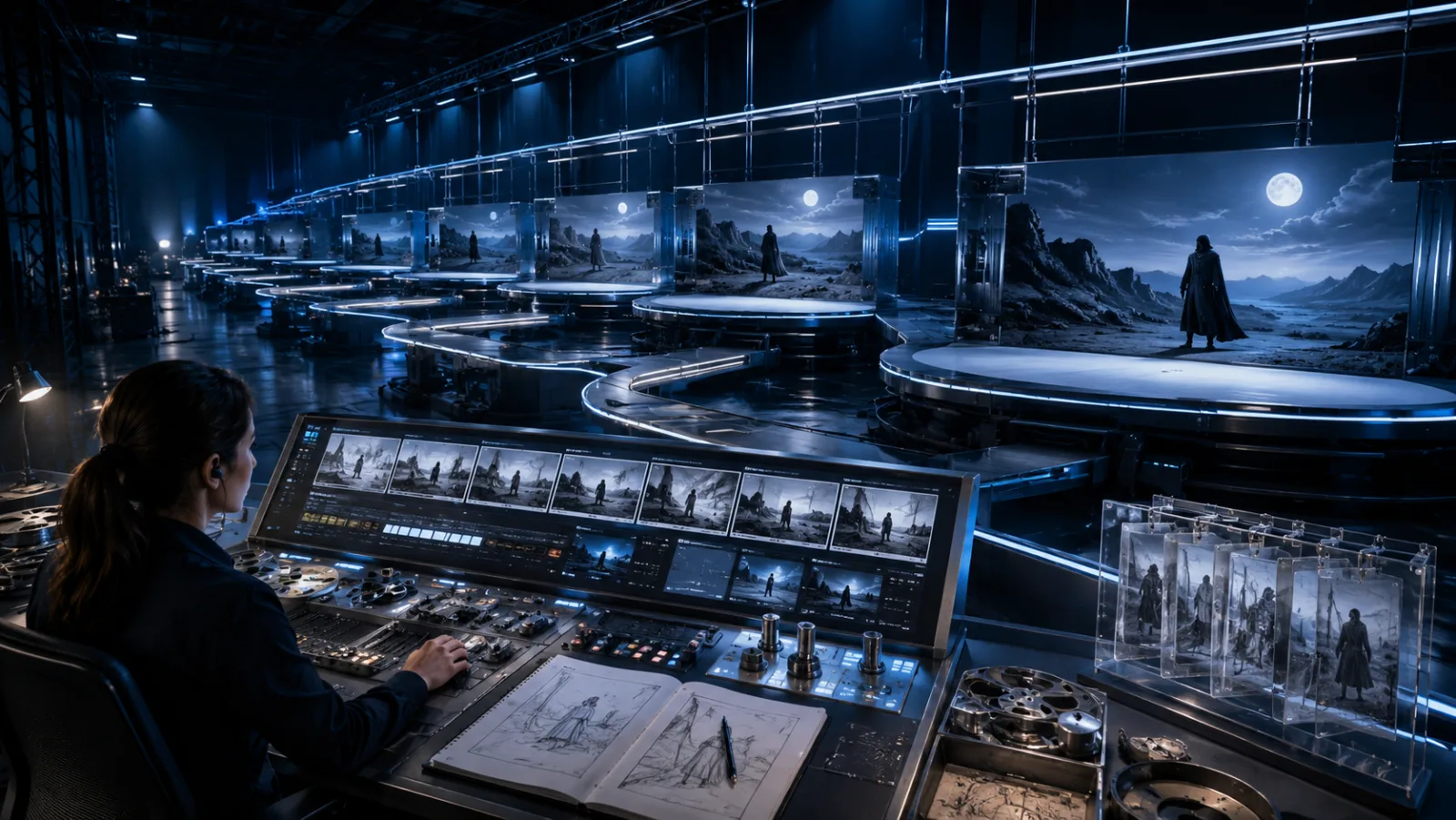
Storyboard, Not Slot Machine: Why AI Video Needs Control Infrastructure Storyboard. That is the easiest way to understand what SmartDirector is trying to bring into AI video generation. Not a better prompt box. Not a prettier demo reel. Not another mystical “cinematic” adjective sprinkled onto a text prompt like cheap paprika. In normal production, a storyboard does two things at once. It specifies visual anchors — who appears, where they stand, what the camera sees — and it controls pacing — when the story moves, when it cuts, when the viewer should notice a change. Current video generation systems are reasonably good at producing attractive short clips, but they are still awkward when a user wants to say: start here, pass through this middle beat, end there, and do not turn my cat into a different cat halfway through the scene. ...

June 11, 2026 · 18 min · Zelina