Cover image

Mirror, Mirror in the Model: How MLLMs Learn from Their Own Mistakes

TL;DR for operators Image generators fail in a familiar way: the output looks polished, but the prompt was quietly ignored. A product photo misses the specified texture. A campaign image reverses a spatial relation. A science illustration draws the visually plausible version, not the physically correct one. Everyone then discovers, with appropriate corporate surprise, that “high quality” and “correct” are not synonyms. ...

July 23, 2025 · 20 min · Zelina
Cover image

Bridges and Biases: How LLMs Are Learning to Inspect Infrastructure

TL;DR for operators Bridge teams do not usually lack data. They lack enough expert time to turn dense inspection data into clear, defensible decisions. That is the operational gap this paper tries to narrow: not by replacing bridge engineers with a chatbot in a hard hat, thankfully, but by using multimodal LLMs to translate non-destructive evaluation contour maps into structured condition assessments and maintenance recommendations.1 ...

July 21, 2025 · 16 min · Zelina
Cover image

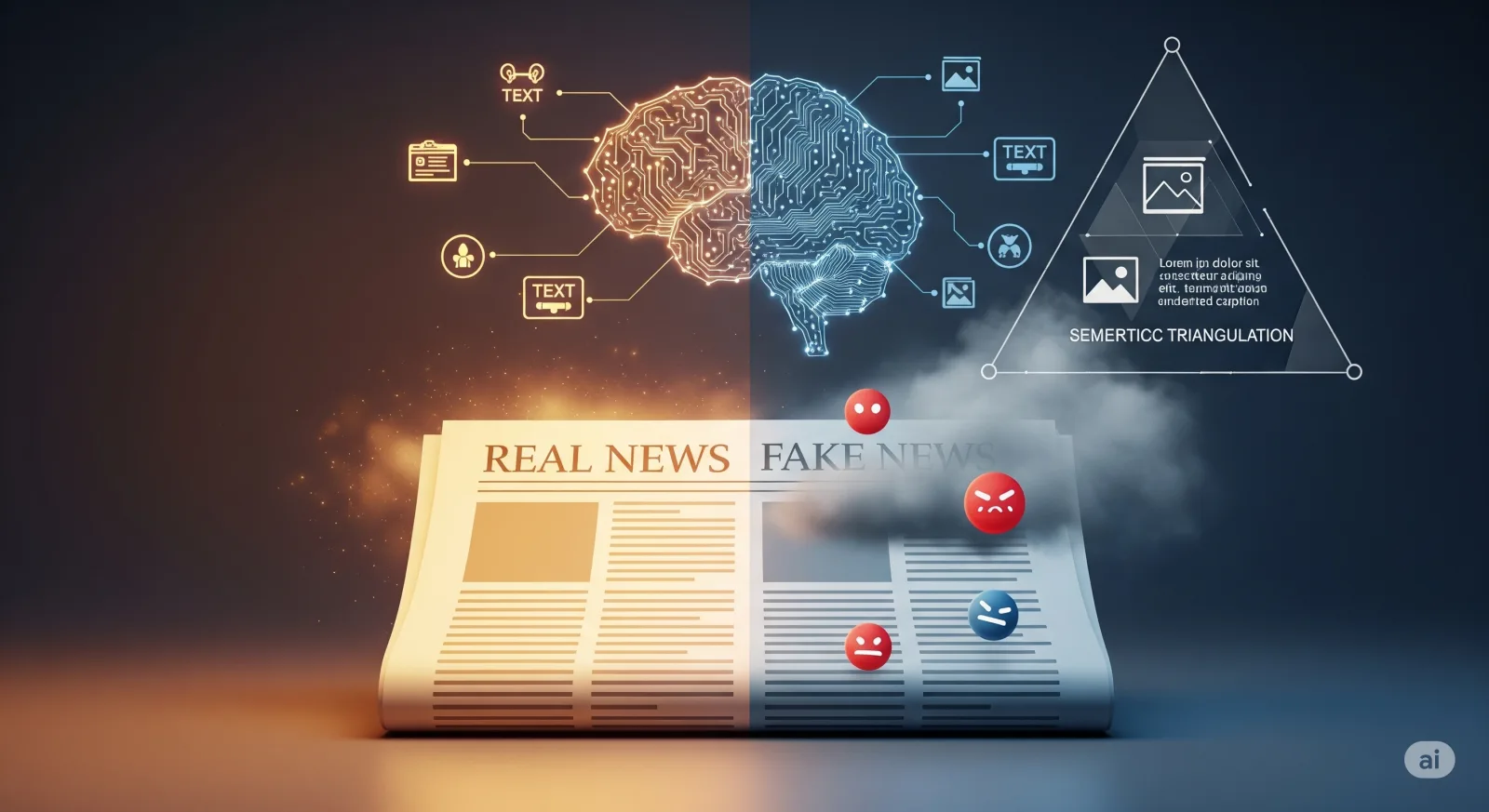
Fake News Feels Different: How SEER Uses Emotion and Semantics to Spot Deception

TL;DR for operators SEER is not a “sentiment detector for lies.” That would be wonderfully simple and operationally disastrous. It is a multimodal fake-news detection architecture that first tries to make images more semantically usable, then adds emotion as a probabilistic auxiliary signal rather than a moral verdict. The practical workflow is easy to understand: generate a caption for the image, align the text-image relationship using CLIP-style representations, fuse text, image, and caption features through attention, then use an expert emotional reasoning module to learn how emotional tone correlates with authenticity in the dataset. The paper reports accuracy of 0.929 on Weibo and 0.931 on Twitter, outperforming the tested baselines.1 ...

July 21, 2025 · 15 min · Zelina
Cover image

Tunnel Vision: Why Vision-Language Models Still Miss the Bigger Picture

TL;DR for operators A vision-language model can describe an image, answer a chart question, and still fail at the kind of seeing that a bored intern would perform before lunch. That is the operational lesson from Shmuel Berman and Jia Deng’s paper, VLMs have Tunnel Vision: Evaluating Nonlocal Visual Reasoning in Leading VLMs.1 The paper tests whether leading VLMs can do three basic things: compare two visual objects across an image, follow a sequence of visual clues, and trace a continuous line to its endpoint. Humans find these tasks trivial. Current VLMs do not. ...

July 21, 2025 · 18 min · Zelina
Cover image

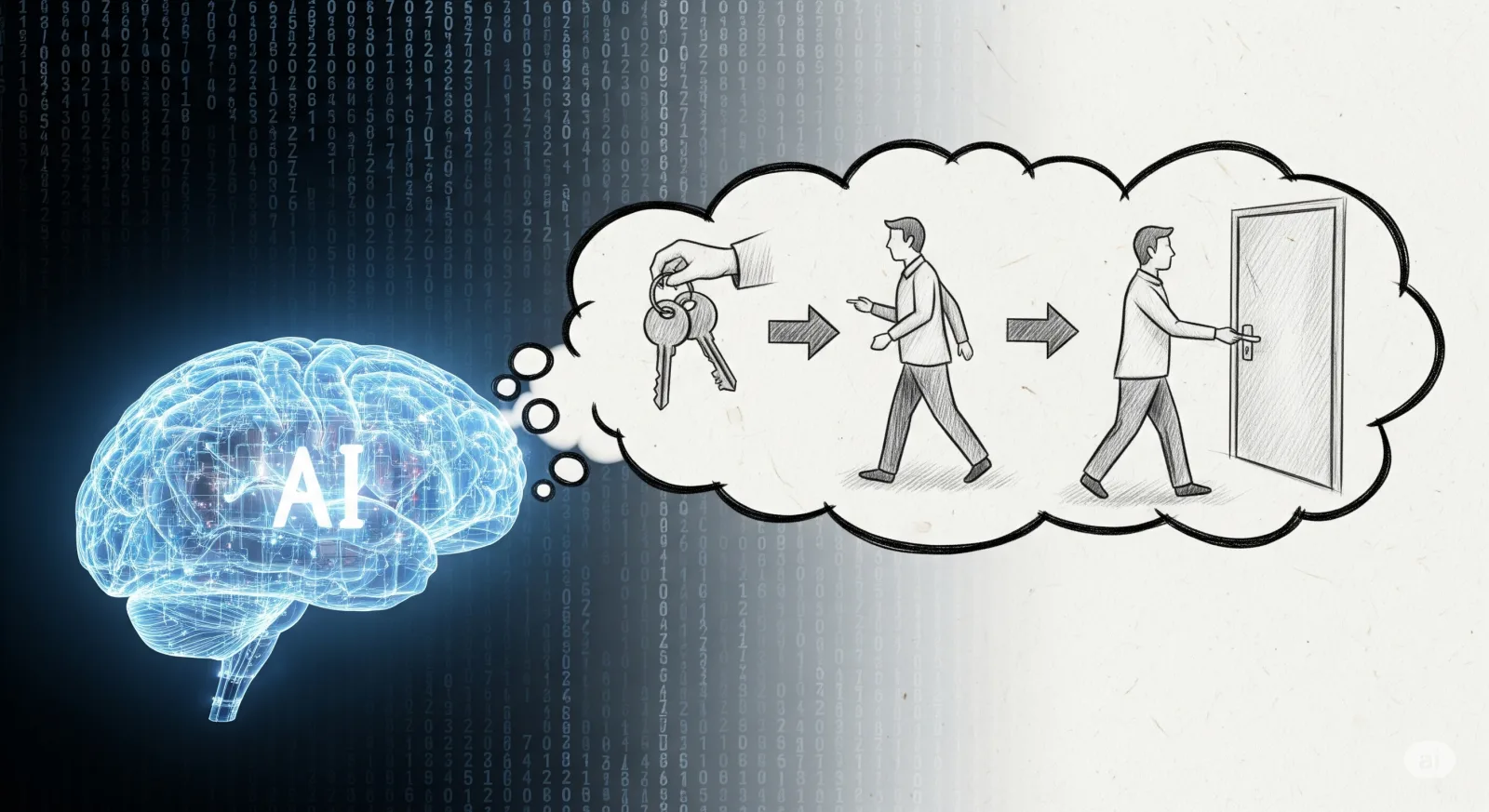
Sketching a Thought: How Mental Imagery Could Unlock Autonomous Machine Reasoning

TL;DR for operators A robot sees a desk. A camera detects a laptop, papers, a bottle of water, and keys. A goal says: “I need the keys to open the door and go out.” A conventional system can match the goal to the object and generate an action. The paper asks for something more ambitious: can the machine then imagine the action sequence as internal sketches, inspect those imagined scenes, and adjust its next steps? ...

July 18, 2025 · 23 min · Zelina
Cover image

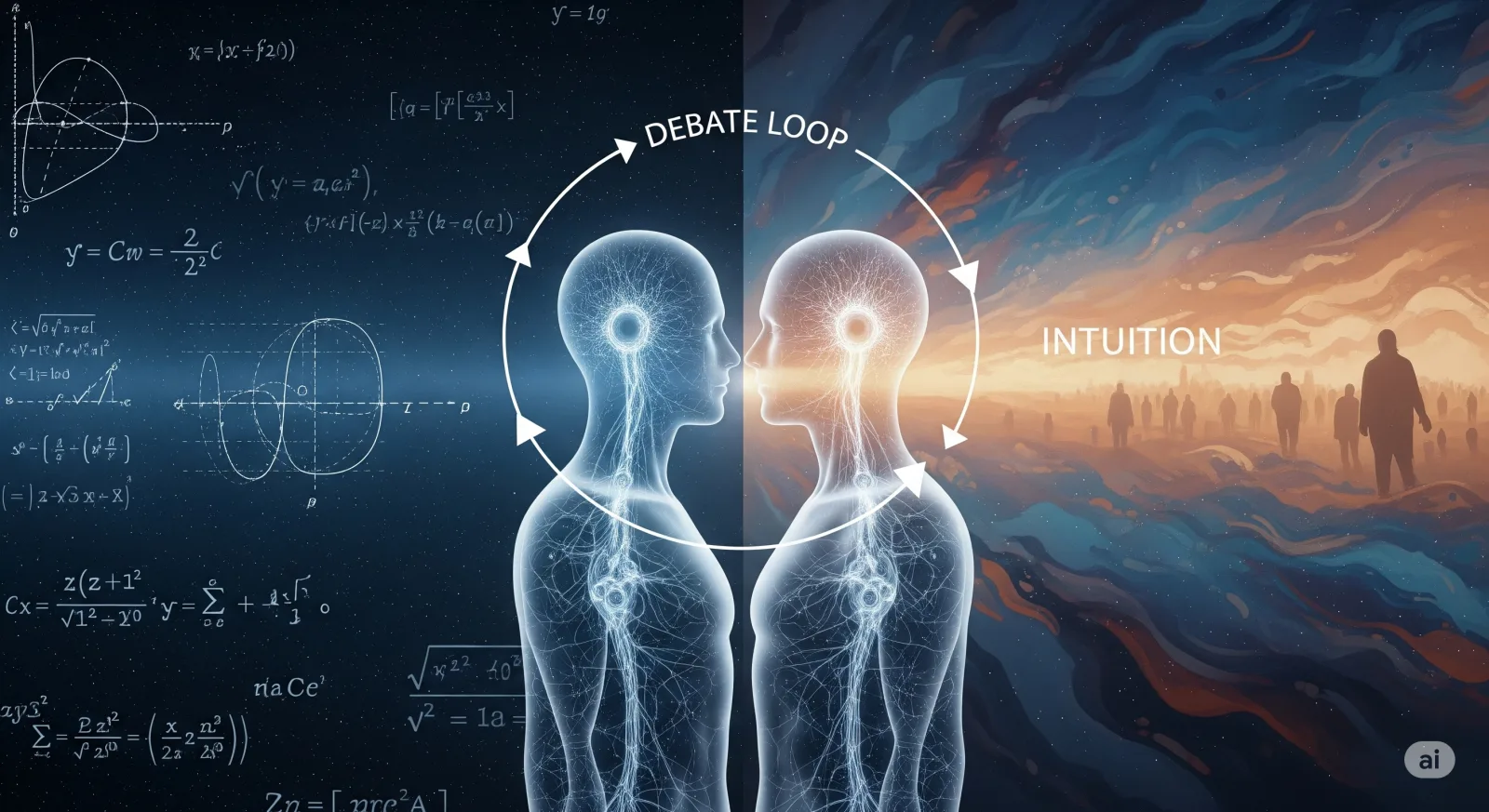
Inner Critics, Better Agents: The Rise of Introspective AI

TL;DR for operators If your agent stack is becoming expensive because every “reflection” step means another model call, this paper is worth reading. Its proposal, Introspection of Thought (INoT), tries to compress an external multi-agent debate loop into one structured prompt. The LLM is not literally running multiple agents. It is being instructed, through a hybrid Python-and-natural-language prompt called PromptCode, to simulate two internal debaters that reason, critique, rebut, revise, and then return an answer.1 ...

July 14, 2025 · 15 min · Zelina
Cover image

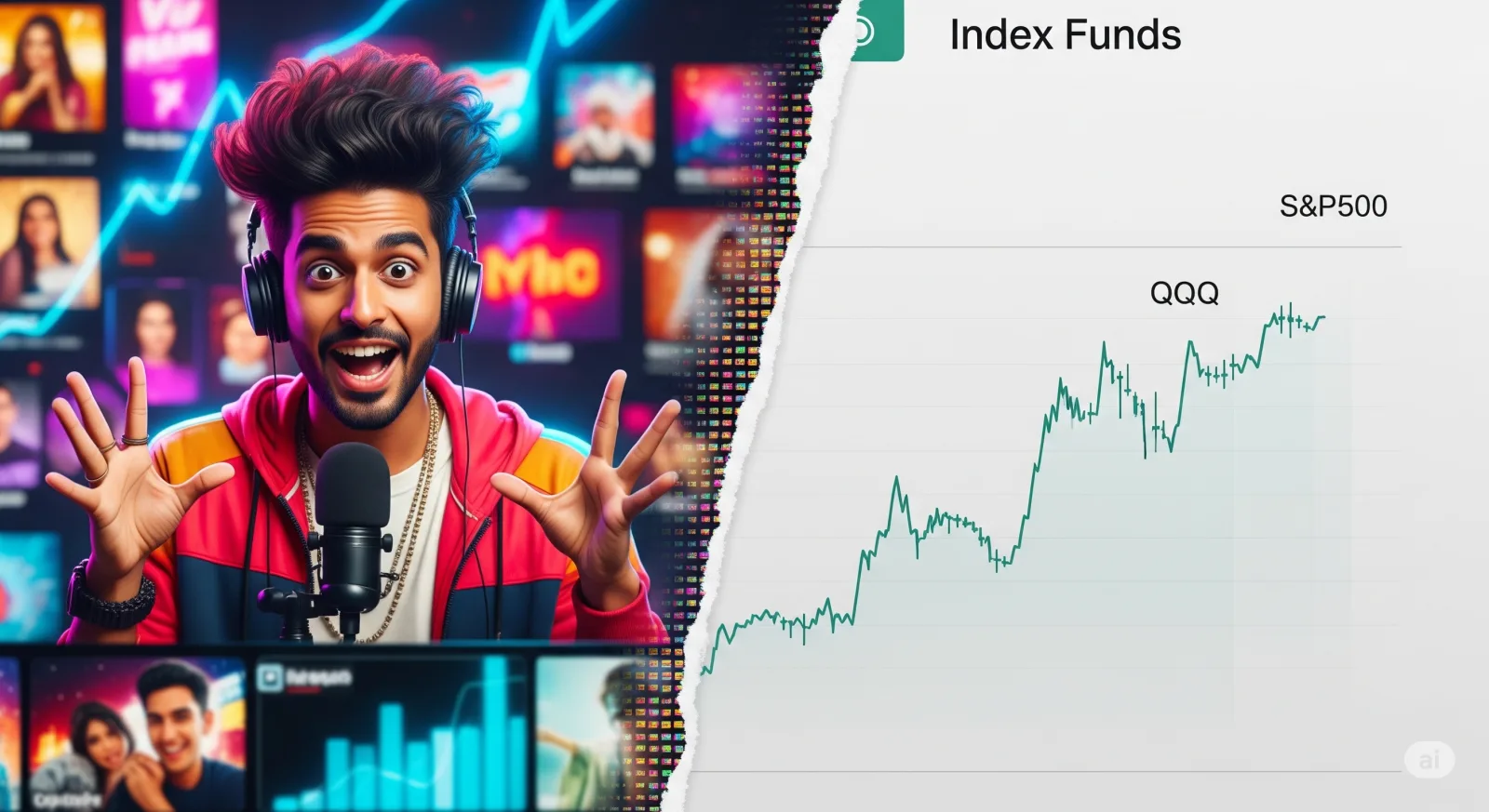
Sound and Fury Signifying Stock Picks

TL;DR for operators Finfluencer videos are not just “text with a face attached.” They contain ticker symbols on charts, spoken recommendations, gestures, confidence, hedging, hype, and the occasional performance of certainty. VideoConviction turns that mess into a benchmark: 288 YouTube videos from finance influencers, 687 stock recommendation segments, 6,063 expert annotations, transcripts, metadata, and a 1–3 conviction score grounded in tone, facial expression, delivery, and consistency between title and content.1 ...

July 14, 2025 · 15 min · Zelina
Cover image

Unchained Distortions: Why Step-by-Step Image Editing Breaks Down While Chain-of-Thought Shines

TL;DR for operators Image-editing demos are easy. Ask a model to remove one object, recolour a jacket, or add a tasteful lamp, and most modern systems can produce something impressive enough for a product page and a LinkedIn post. Ask it to perform eight connected edits while keeping the original subject, layout, texture, lighting, and realism intact, and the polite showroom smile begins to crack. ...

April 21, 2025 · 16 min · Zelina