Cover image

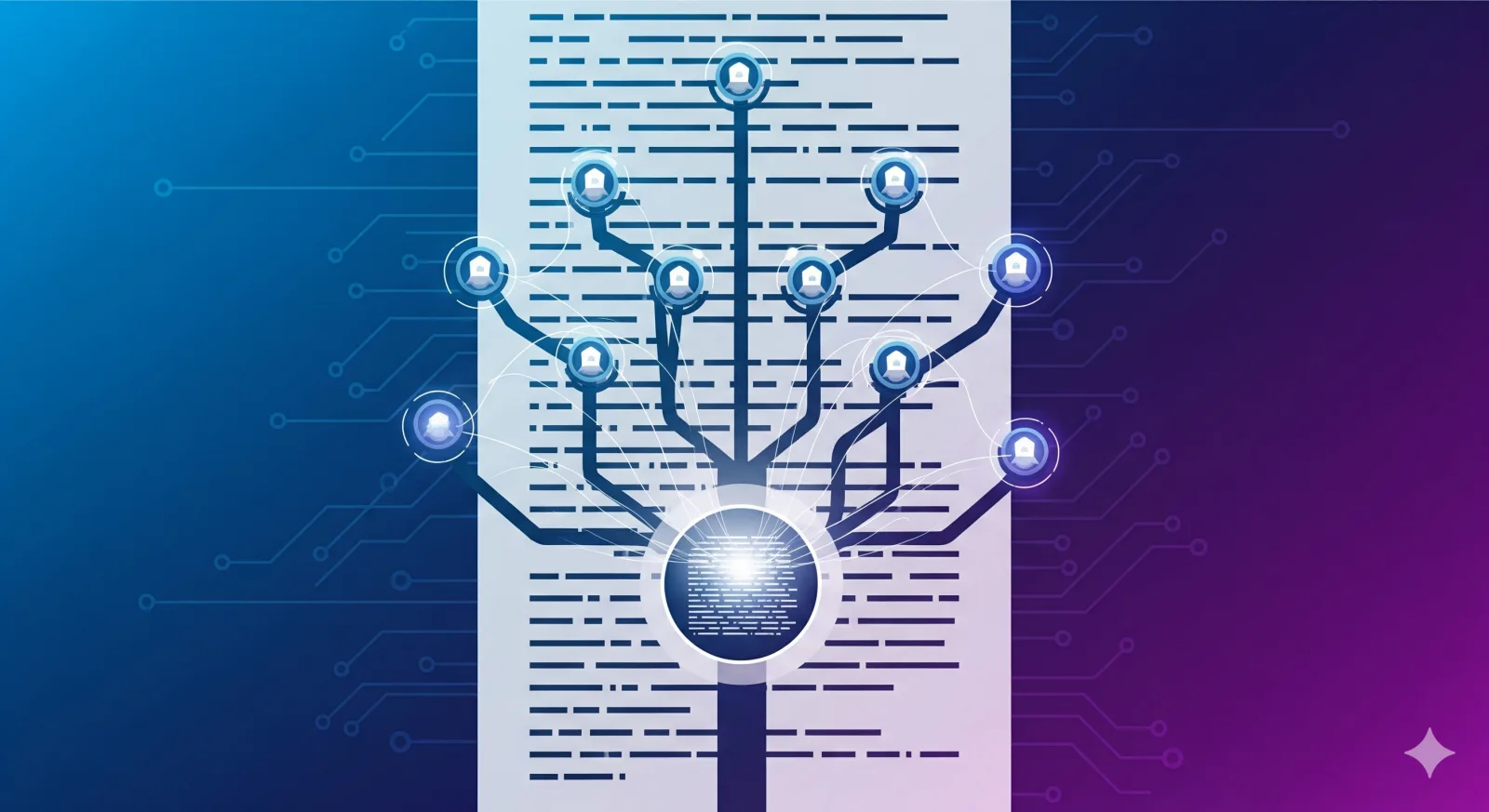
Branching Out of the Middle: How a ‘Tree of Agents’ Fixes Long-Context Blind Spots

Contracts are not polite. They hide the important clause on page 83, define the crucial exception on page 17, and bury the fatal cross-reference in an appendix nobody wanted to read. Annual reports behave similarly. So do medical SOPs, litigation files, policy manuals, technical logs, and most documents produced by institutions that have discovered both Microsoft Word and committees. ...

September 12, 2025 · 16 min · Zelina
Cover image

Mind the Gap: How OSC Turns Agent Chatter into Compound Intelligence

Teams fail quietly before they fail visibly. The procurement analyst missed a constraint. The legal reviewer assumed a definition. The finance model used a different baseline. Everyone produced competent work. The final report still wobbled because the collaboration layer never asked the obvious question: who knows what, who misunderstands what, and which disagreement is worth resolving before the answer is assembled? ...

September 11, 2025 · 16 min · Zelina
Cover image

Edge of Reason: Orchestrating LLMs Without a Conductor

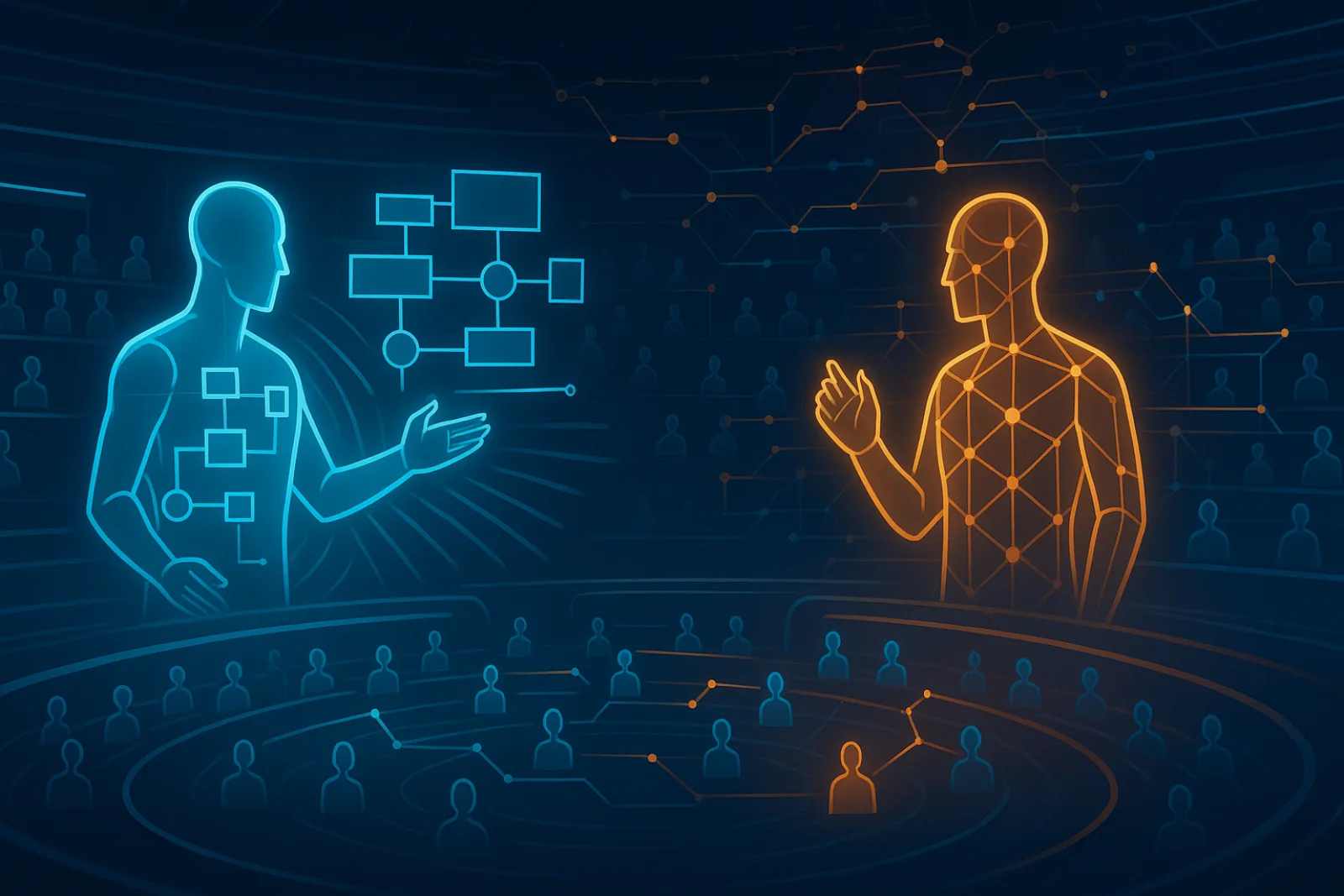
TL;DR for operators Symphony is not just another “let several agents chat until something sensible happens” framework. The paper’s real contribution is more specific: it proposes a decentralised orchestration pattern where agents advertise capabilities, subtasks are routed to the best-matching available worker, and final answers are selected through weighted voting across multiple reasoning paths.1 ...

August 30, 2025 · 16 min · Zelina
Cover image

Mind Games for Machines: How Decrypto Reveals the Hidden Gaps in AI Reasoning

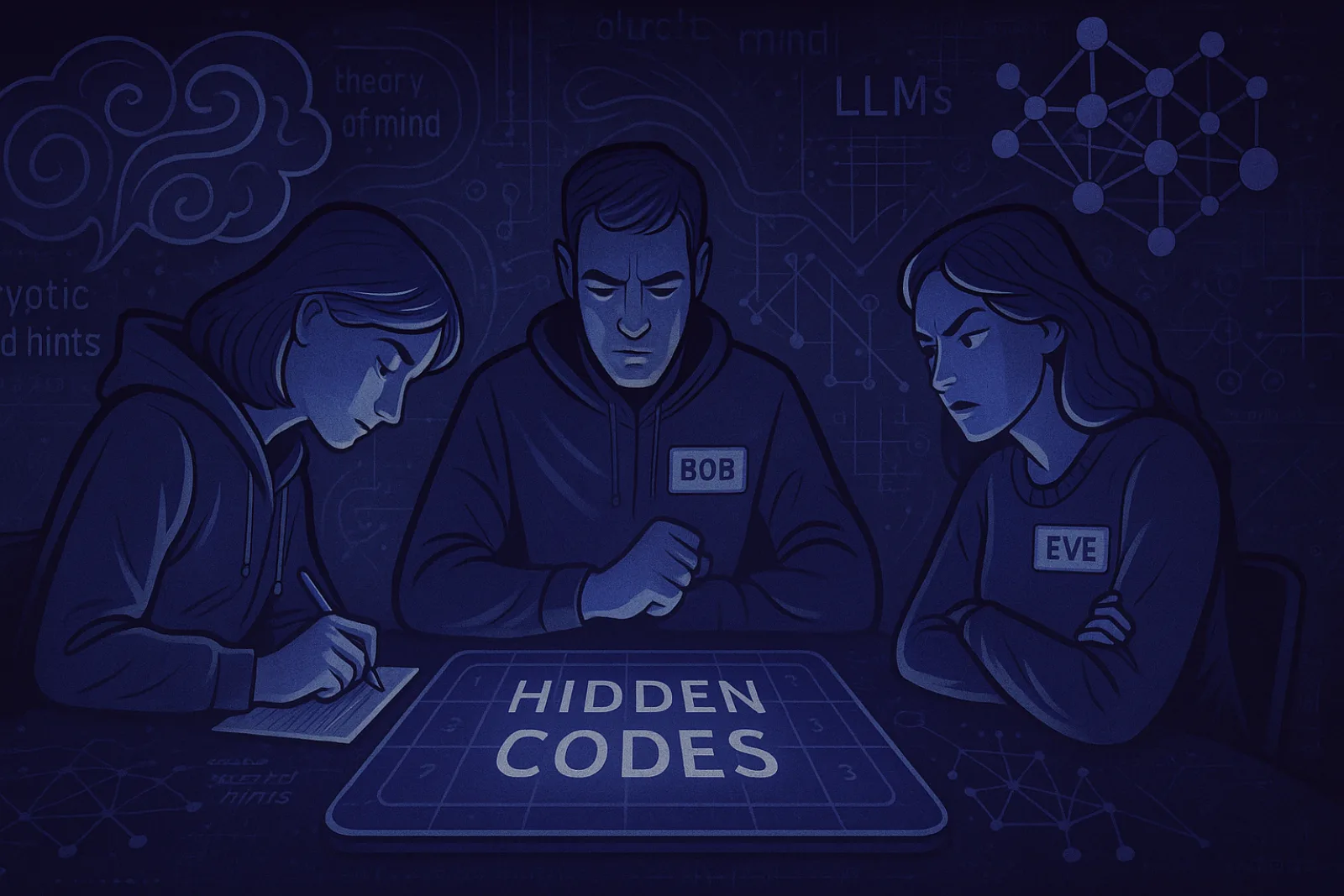
TL;DR for operators Meetings are easy to automate until someone has to understand what everyone else thinks everyone else knows. That is the useful discomfort created by Decrypto, a new benchmark for multi-agent reasoning and theory of mind in language models.1 The benchmark is built around a simple word game. Alice and Bob share four secret keywords. Alice receives a three-digit code and gives three public hints. Bob must recover the code. Eve sees the same hints but does not know the secret keywords and tries to intercept. Alice’s job is therefore not “give good clues.” It is “give clues calibrated to Bob’s knowledge while limiting Eve’s inference.” Welcome to enterprise communication, but with fewer calendar invites. ...

June 26, 2025 · 16 min · Zelina
Cover image

Mind Over Modules: How Smart Agents Learn What to See—and What to Be

TL;DR for operators Agentic AI is not only a model-selection problem. It is an environment-design problem. Two recent papers make that point from opposite ends of the stack. One studies LLM agents in a controlled repeated routing game and shows that the way history, rewards, and peer actions are represented can significantly change behaviour.1 The other proposes SwarmAgentic, a framework that automatically generates and optimises agent roles, execution policies, and collaboration structures using a language-based version of particle swarm optimisation.2 ...

June 19, 2025 · 14 min · Zelina