Cover image

Stop, Verify, and Listen: HALT‑RAG Brings a ‘Reject Option’ to RAG

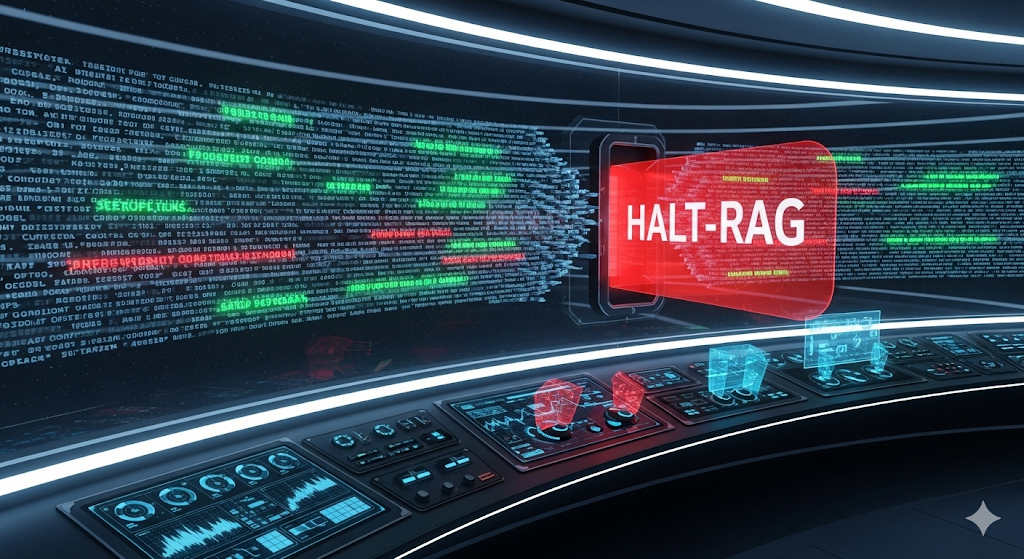
The big idea RAG pipelines are only as reliable as their weakest link: generation that confidently asserts things the sources don’t support. HALT‑RAG proposes an unusually pragmatic fix: don’t fine‑tune a big model—ensemble two strong, frozen NLI models, add lightweight lexical features, train a tiny task‑adapted meta‑classifier, and calibrate it so you can abstain when uncertain. The result isn’t just accuracy; it’s a governable safety control you can dial to meet business risk. ...
September 13, 2025 · 4 min · Zelina
Cover image

Branching Out of the Middle: How a ‘Tree of Agents’ Fixes Long-Context Blind Spots

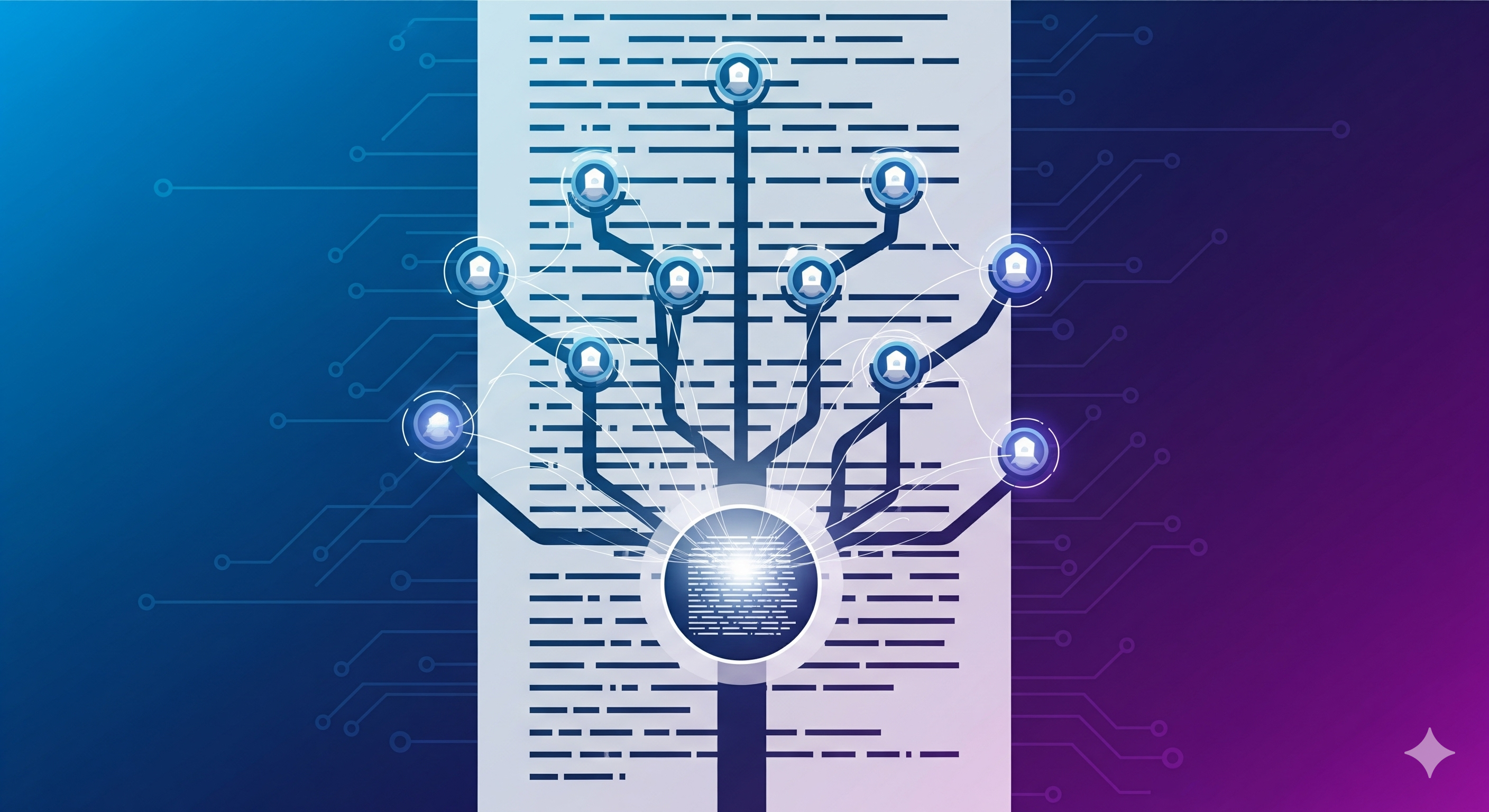
TL;DR — Tree of Agents (TOA) splits very long documents into chunks, lets multiple agents read in different orders, shares evidence, prunes dead-ends, caches partial states, and then votes. The result: fewer hallucinations, resilience to the “lost in the middle” effect, and accuracy comparable to premium large models—while using a compact backbone. Why this matters for operators If your business parses contracts, annual reports, medical SOPs, or call-center transcripts, you’ve likely felt the pain of long-context LLMs: critical details buried mid-document get ignored; retrieval misses cross-paragraph logic; and bigger context windows inflate cost without guaranteeing better reasoning. TOA is a pragmatic middle path: it re-imposes structure on attention—not by scaling a single monolith, but by coordinating multiple lightweight readers with disciplined information exchange. ...

September 12, 2025 · 4 min · Zelina
Cover image

Rules of Engagement: How Meta‑Policy Reflexion Turns Agent Memory into Guardrails

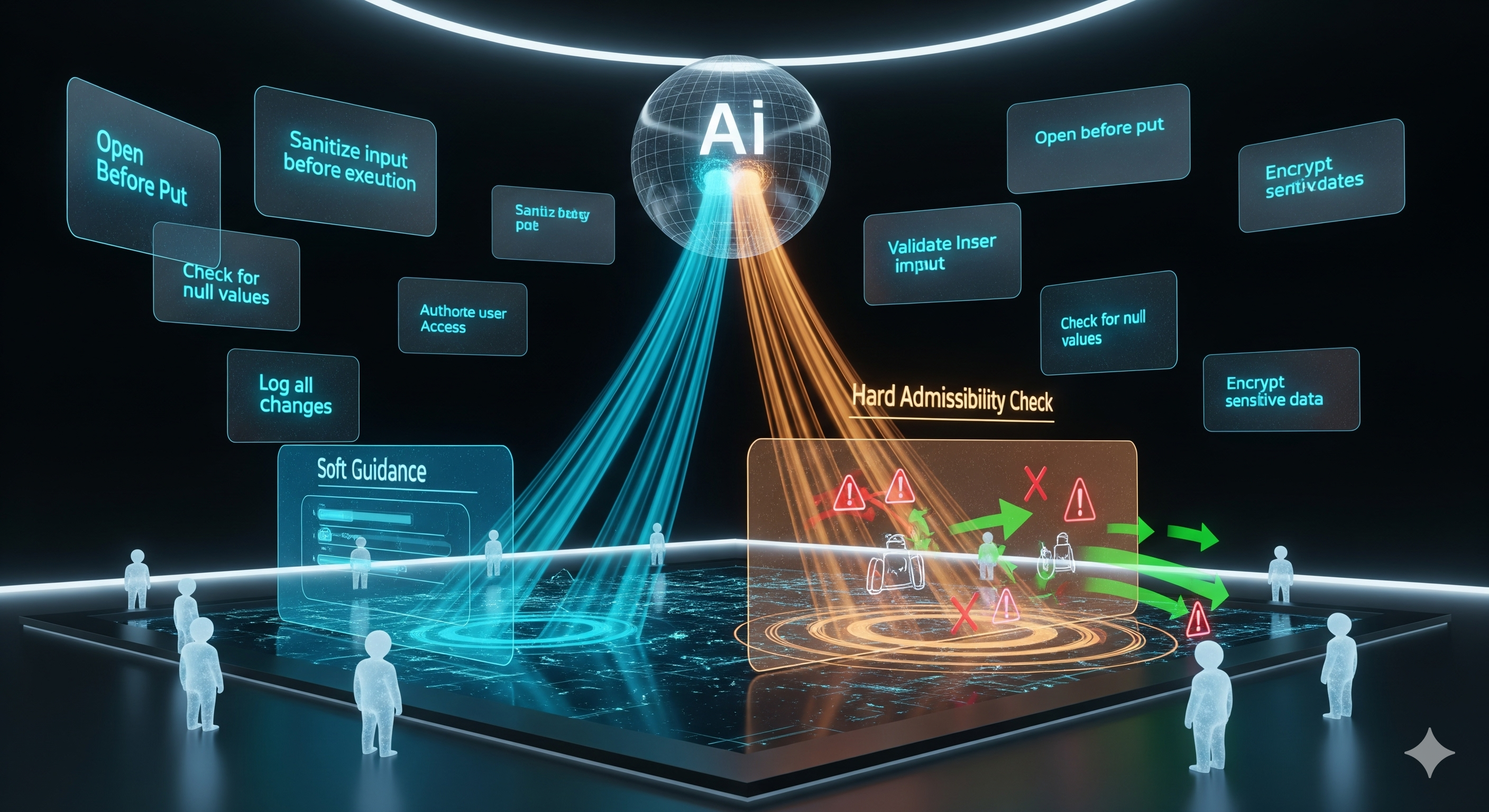
Enterprise buyers love what agents can do—and fear what they might do. Meta‑Policy Reflexion (MPR) proposes a middle path: keep your base model frozen, but bolt on a reusable, structured memory of “what we learned last time” and a hard admissibility check that blocks invalid actions at the last mile. In plain English: teach the agent house rules once, then make sure it obeys them, everywhere, without re‑training. The big idea in one slide (text version) What it adds: a compact, predicate‑like Meta‑Policy Memory (MPM) distilled from past reflections (e.g., “Never pour liquid on a powered device; unplug first.”) ...

September 8, 2025 · 5 min · Zelina
Cover image

Patience Is Profit: Can LLM Agents Stabilize DePIN’s Token Rails?

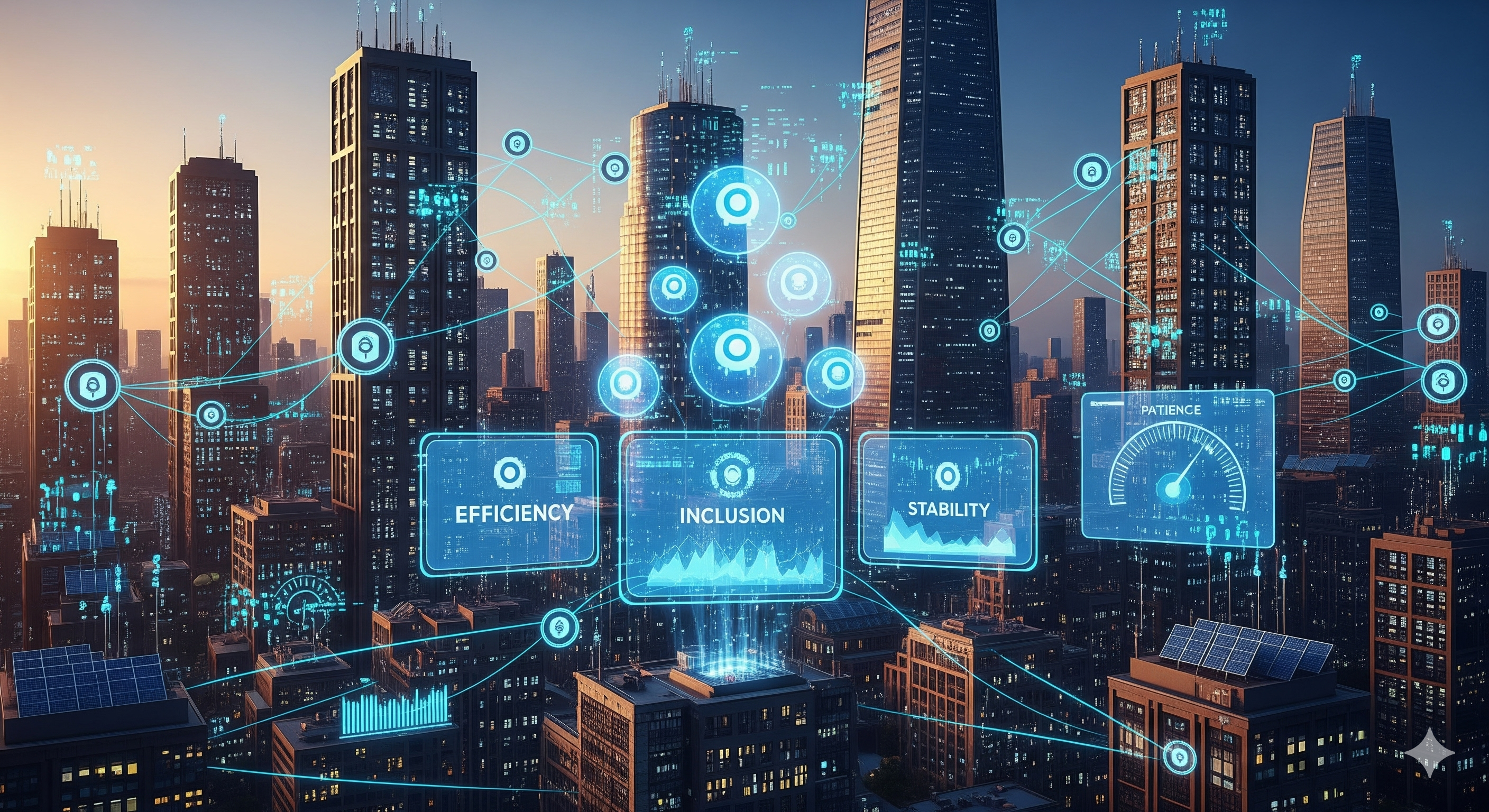
TL;DR — A new framework (EconAgentic) models DePIN growth stages, token/agent interactions, and macro goals (efficiency, inclusion, stability). Its key finding: more patient LLM agents (i.e., slower to exit) can increase inclusion and stability with little efficiency penalty. Sensible—but only if token price formation, data integrity, and geospatial participation are measured rigorously. Why this paper matters DePIN (Decentralized Physical Infrastructure Networks) turns physical capacity—wireless hotspots, sensors, compute, even energy—into token‑incentivized networks. The promise is Uber/Airbnb’s distribution without the platform as rent‑extractor. EconAgentic contributes a general model that: ...

September 1, 2025 · 5 min · Zelina
Cover image

Hypotheses, Not Hunches: What an AI Data Scientist Gets Right

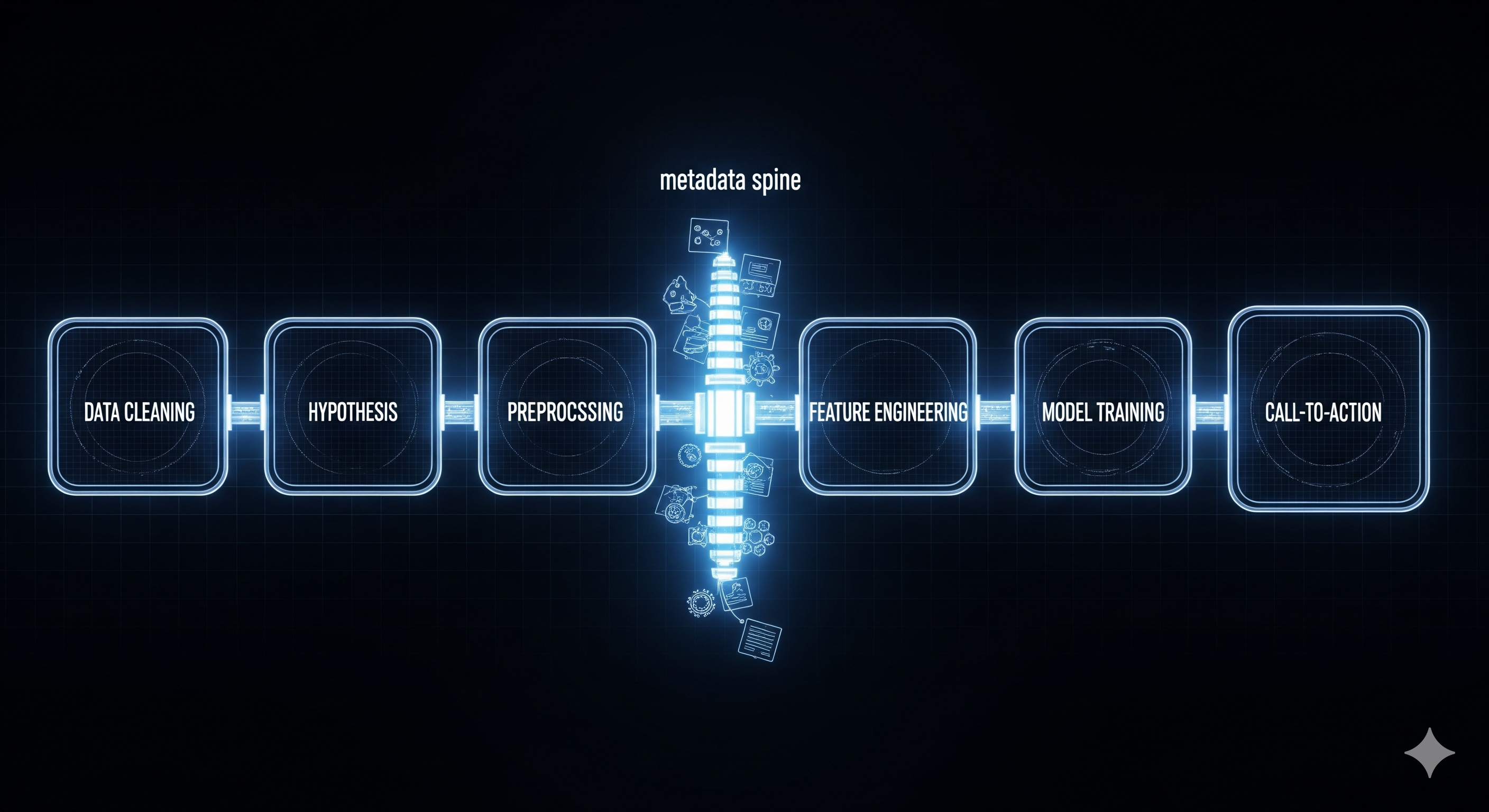
Most “AI for analytics” pitches still orbit model metrics. The more interesting question for executives is: What should we do next, and why? A recent paper proposes an AI Data Scientist—a team of six LLM “subagents” that march from raw tables to clear, time‑boxed recommendations. The twist isn’t just automation; it’s hypothesis‑first reasoning. Instead of blindly optimizing AUC, the system forms crisp, testable claims (e.g., “active members are less likely to churn”), statistically validates them, and only then engineers features and trains models. The output is not merely predictions—it’s an action plan with KPIs, timelines, and rationale. ...

August 26, 2025 · 5 min · Zelina
Cover image

Put It on the GLARE: How Agentic Reasoning Makes Legal AI Actually Think

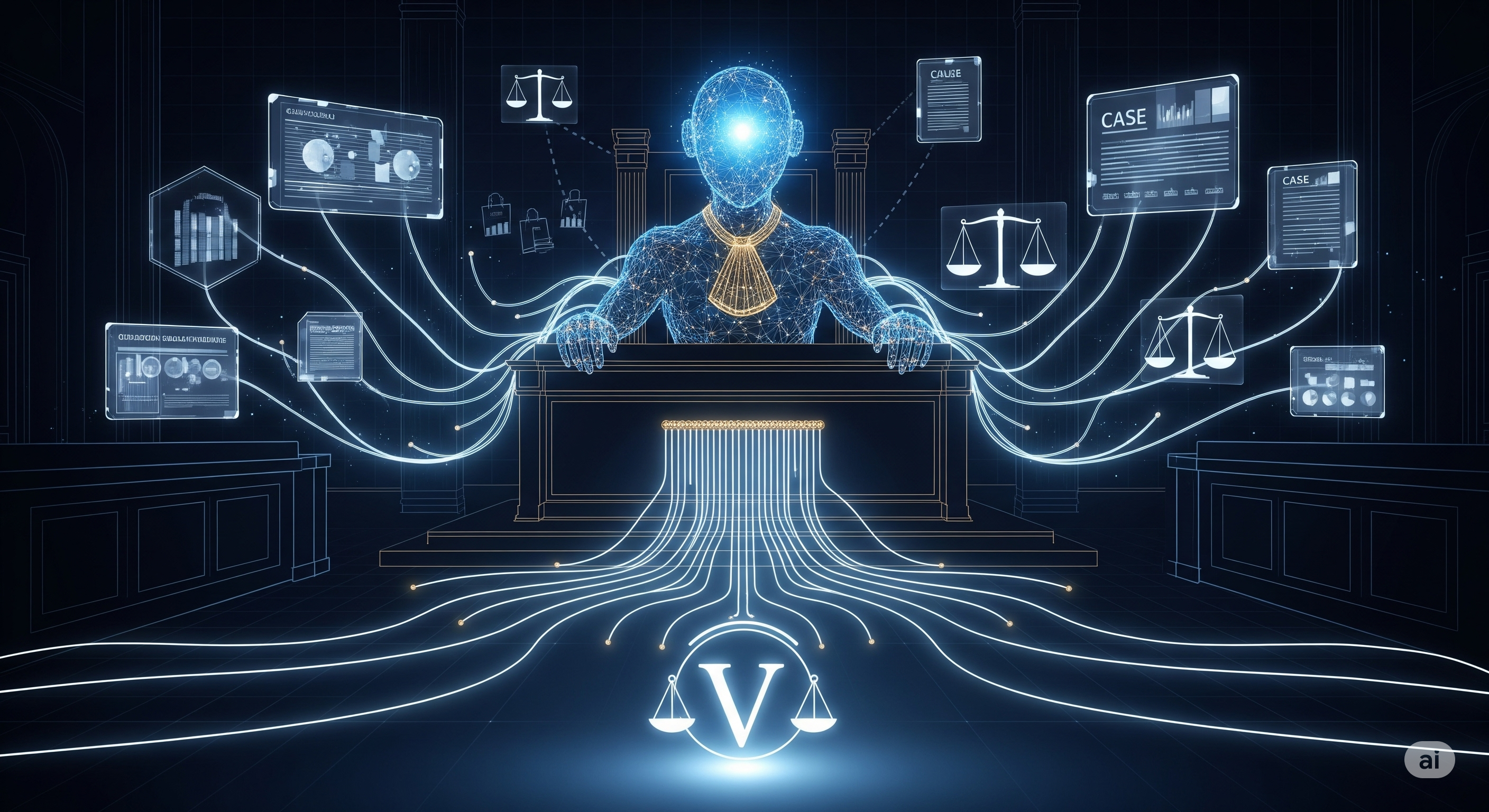
Legal judgment prediction (LJP) is one of those problems that exposes the difference between looking smart and being useful. Most models memorize patterns; judges demand reasons. Today’s paper introduces GLARE—an agentic framework that forces the model to widen its hypothesis space, learn from real precedent logic, and fetch targeted legal knowledge only when it needs it. The result isn’t just higher accuracy; it’s a more auditable chain of reasoning. TL;DR What it is: GLARE = Gent Legal Agentic Reasoning Engine for LJP. Why it matters: It turns “guess the label” into compare-and-justify—exactly how lawyers reason. How it works: Three modules—Charge Expansion (CEM), Precedents Reasoning Demonstrations (PRD), and Legal Search–Augmented Reasoning (LSAR)—cooperate in a loop. Proof: Gains of +7.7 F1 (charges) and +11.5 F1 (articles) over direct reasoning; +1.5 to +3.1 F1 over strong precedent‑RAG; double‑digit gains on difficult, long‑tail charges. So what: If you’re deploying LLMs into legal ops or compliance, agentic structure > bigger base model. Why “agentic” beats bigger The usual upgrades—bigger models, more RAG, longer context—don’t address the core failure mode in LJP: premature closure on a familiar charge and surface‑level precedent matching. GLARE enforces a discipline: ...

August 25, 2025 · 4 min · Zelina
Cover image

Blame Isn’t a Bug: Turning Agent ‘Whodunits’ into Fixable Systems

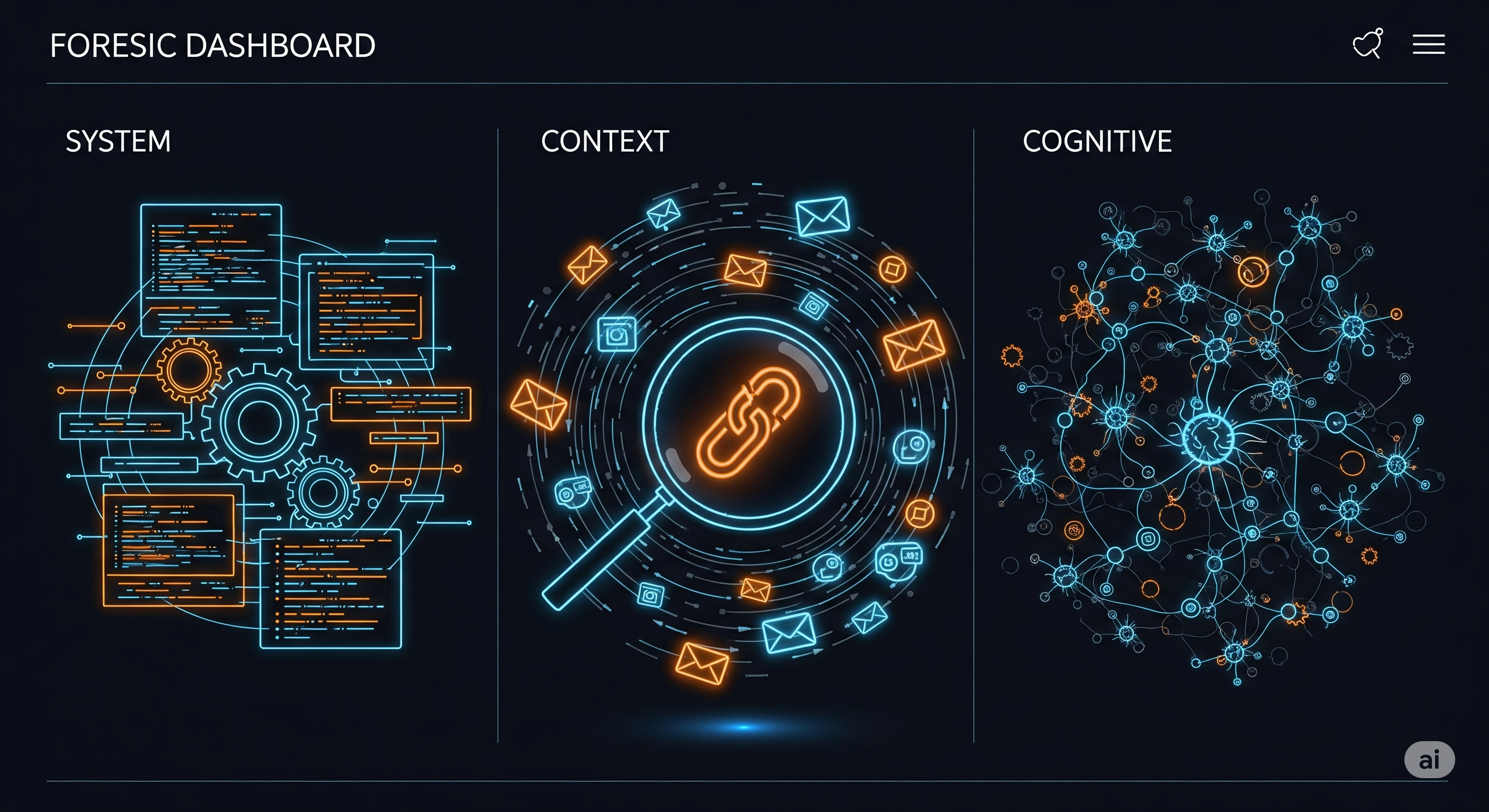
TL;DR As AI agents spread into real workflows, incidents are inevitable—from prompt-injected data leaks to misfired tool actions. A recent framework by Ezell, Roberts‑Gaal, and Chan offers a clean way to reason about why failures happen and what evidence you need to prove it. The trick is to stop treating incidents as one-off mysteries and start running a disciplined, forensic pipeline: capture the right artifacts, map causes across system, context, and cognition, then ship targeted fixes. ...

August 23, 2025 · 5 min · Zelina
Cover image

Mirror, Signal, Manoeuvre: Why Privileged Self‑Access (Not Vibes) Defines AI Introspection

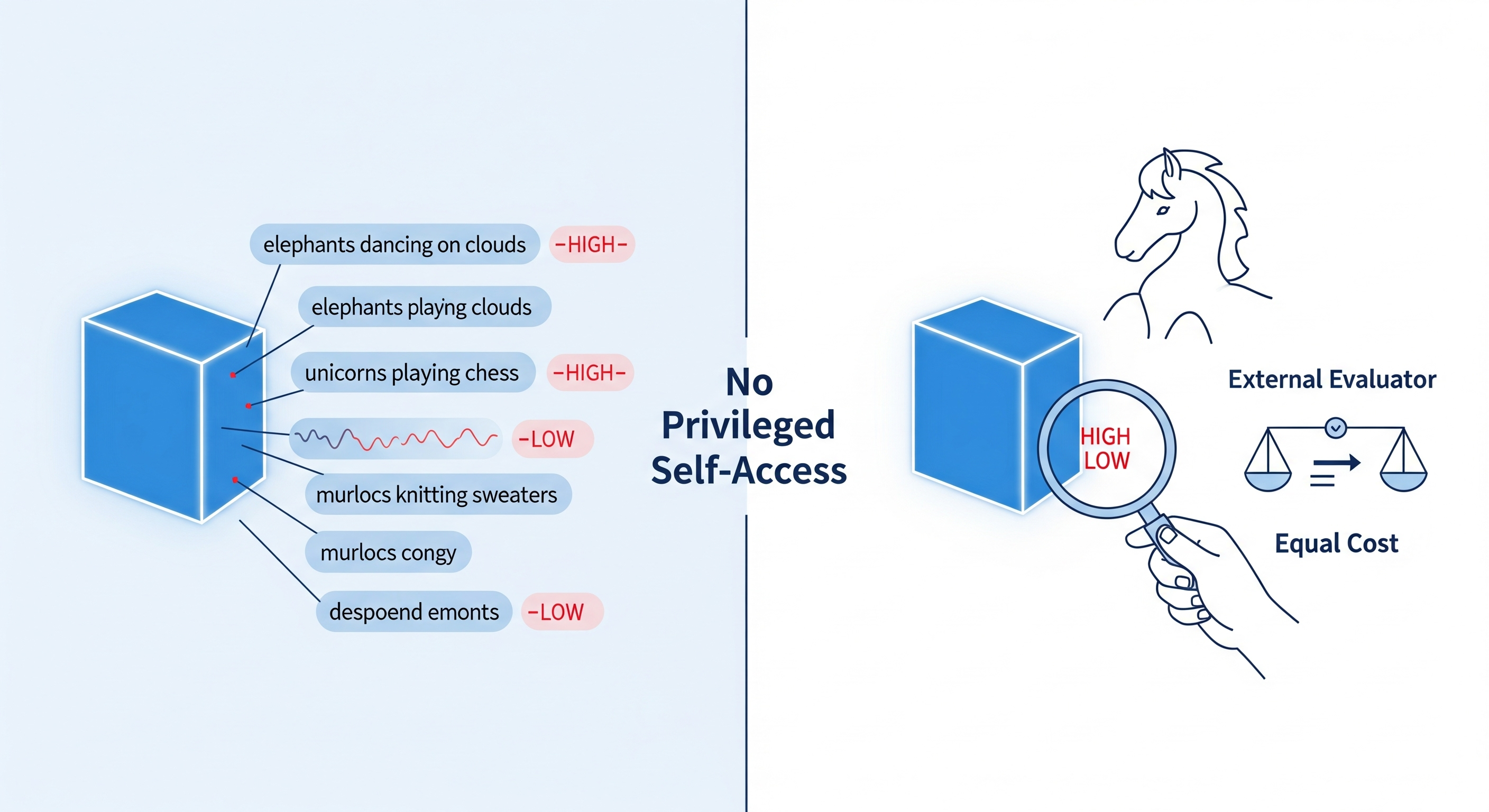
TL;DR Most demos of “LLM introspection” are actually vibe checks on outputs, not privileged access to internal state. If a third party with the same budget can do as well as the model “looking inward,” that’s not introspection—it’s ordinary evaluation. Two quick experiments show temperature self‑reports flip with trivial prompt changes and offer no edge over across‑model prediction. The bar for introspection should be higher, and business users should demand it. ...

August 23, 2025 · 5 min · Zelina
Cover image

IRB, API, and a PI: When Agents Run the Lab

Virtuous Machines: Towards Artificial General Science reports something deceptively simple: an agentic AI designed three psychology studies, recruited and ran 288 human participants online, built the analysis code, and generated full manuscripts—end‑to‑end. Average system runtime per study: ~17 hours (compute time, excluding data collection). The paper frames this as a step toward “artificial general science.” The more immediate story for business leaders: a new production function for knowledge work—one that shifts the bottleneck from human hours to orchestration quality, governance, and data rights. ...

August 20, 2025 · 5 min · Zelina
Cover image

Quants With a Plan: Agentic Workflows That Outtrade AutoML

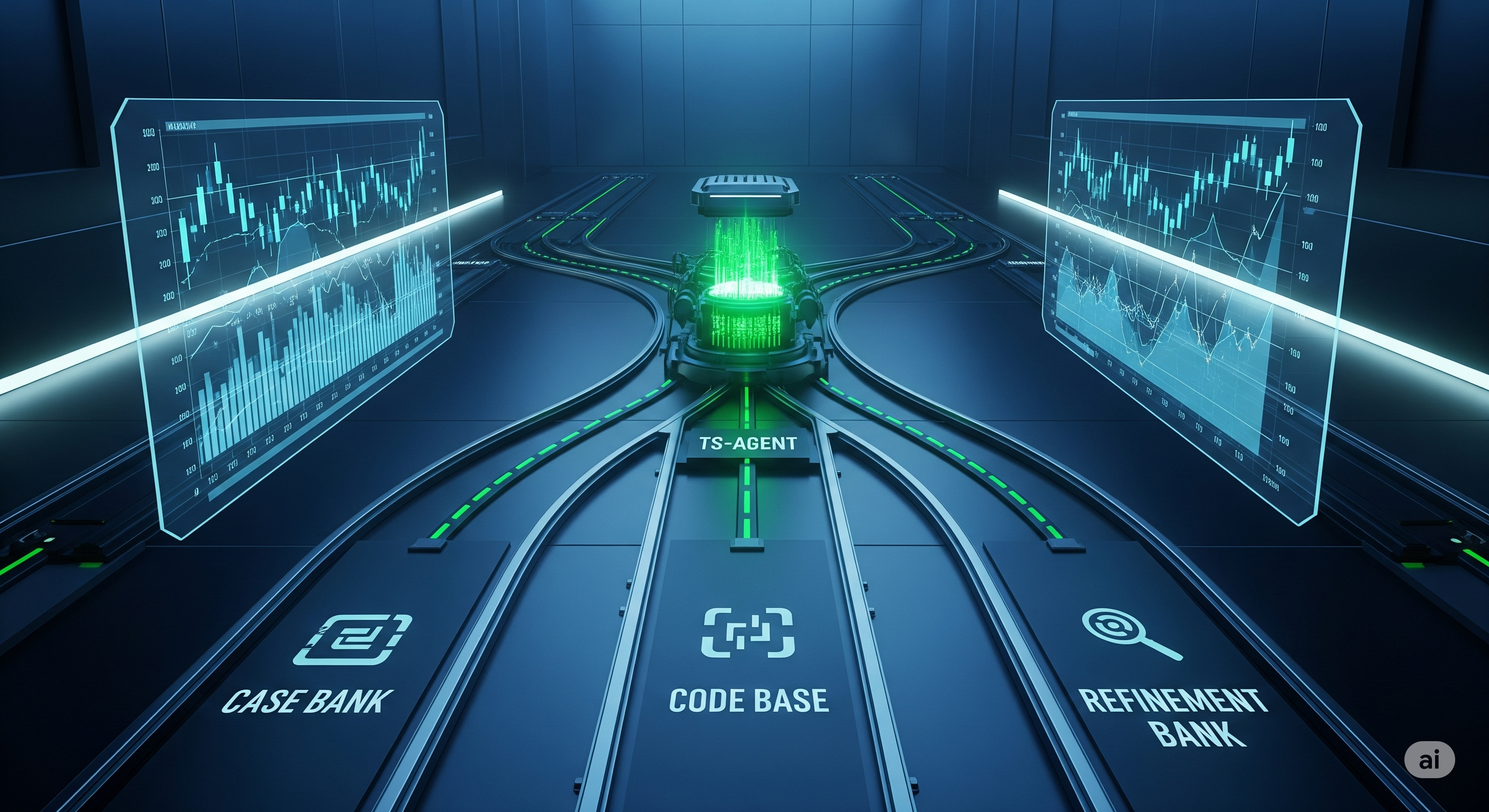
If AutoML is a fast car, financial institutions need a train with tracks—a workflow that knows where it’s going, logs every switch, and won’t derail when markets regime-shift. A new framework called TS-Agent proposes exactly that: a structured, auditable, LLM-driven agent that plans model development for financial time series instead of blindly searching. Unlike generic AutoML, TS-Agent formalizes modeling as a multi-stage decision process—Model Pre-selection → Code Refinement → Fine-tuning—and anchors each step in domain-curated knowledge banks and reflective feedback from real runs. The result is not just higher accuracy; it’s traceability and consistency that pass governance sniff tests. ...

August 20, 2025 · 5 min · Zelina