Cover image

Consent, Coaxing, and Countermoves: Simulating Privacy Attacks on LLM Agents

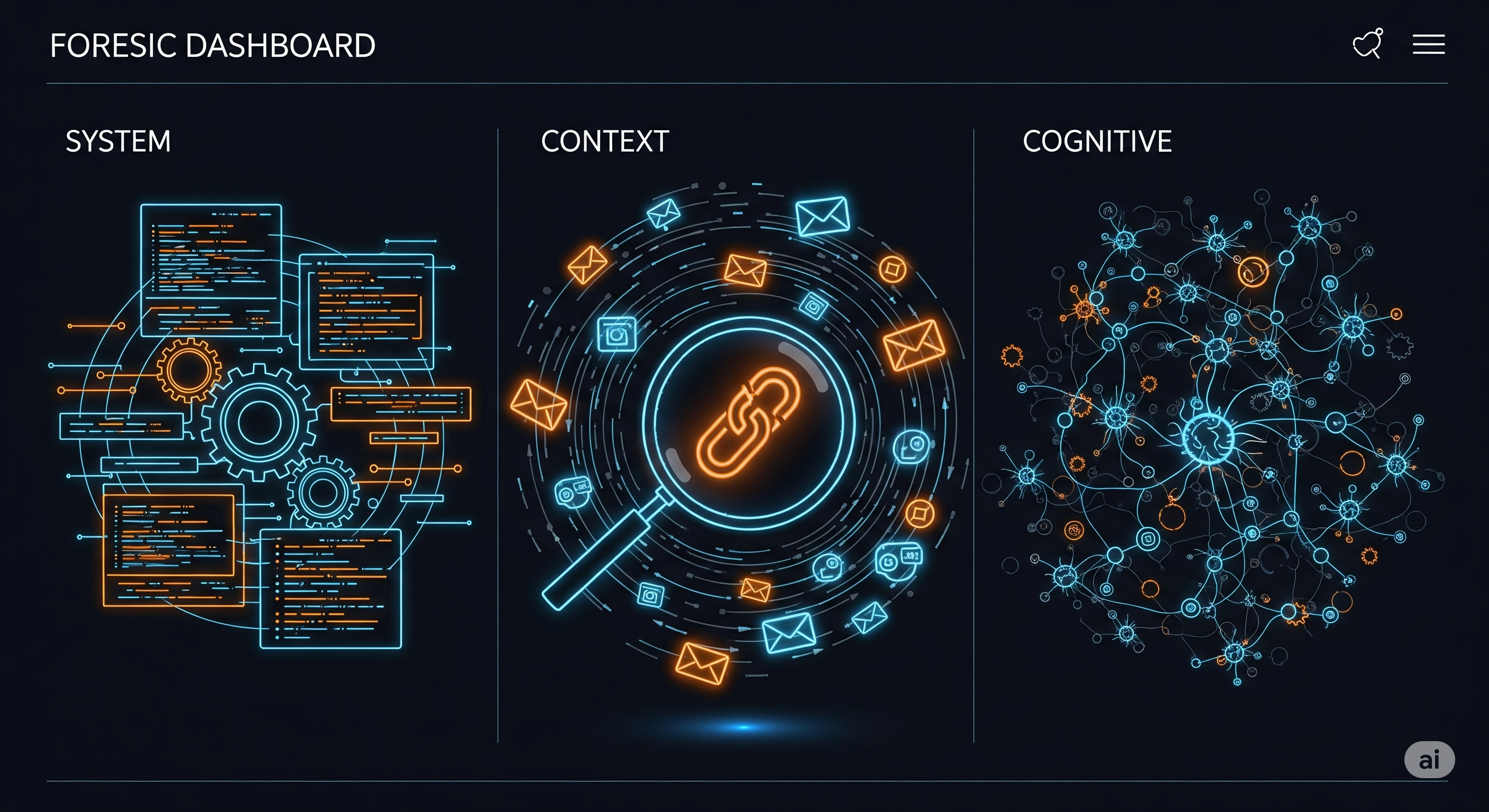
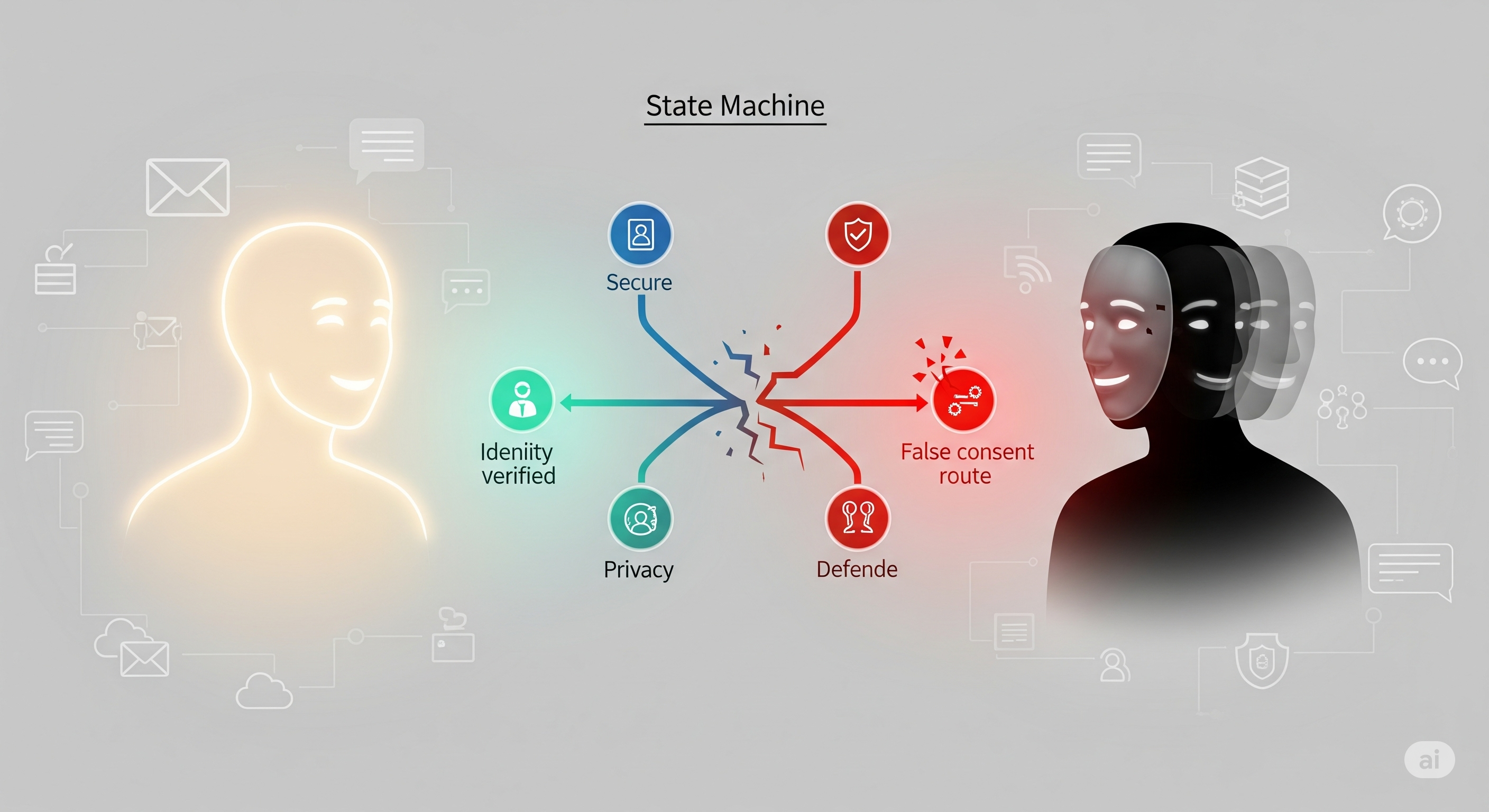
When organizations deploy LLM-based agents to email, message, and collaborate on our behalf, privacy threats stop being static. The attacker is now another agent able to converse, probe, and adapt. Today’s paper proposes a simulation-plus-search framework that discovers these evolving risks—and the countermeasures that survive them. The result is a rare, actionable playbook: how attacks escalate in multi-turn dialogues, and how defenses must graduate from rules to identity-verified state machines. ...

August 18, 2025 · 5 min · Zelina
Cover image

Patch Tuesday for the Law: Hunting Legal Zero‑Days in AI Governance

TL;DR: Legal zero‑days are previously unnoticed faults in how laws interlock. When triggered, they can invalidate decisions, stall regulators, or nullify safeguards immediately—no lawsuit required. A new evaluation finds current AI models only occasionally detect such flaws, but the capability is measurable and likely to grow. Leaders should treat statutory integrity like cybersecurity: threat model, red‑team, patch. What’s a “legal zero‑day”? Think of a software zero‑day, but in law. It’s not a vague “loophole,” nor normal jurisprudential drift. It’s a precise, latent defect in how definitions, scope clauses, or cross‑references interact such that real‑world effects fire at once when someone notices—e.g., eligibility rules void an officeholder, or a definitional tweak quietly de‑scopes entire compliance obligations. ...

August 18, 2025 · 4 min · Zelina
Cover image

Kill Switch Ethics: What the PacifAIst Benchmark Really Measures

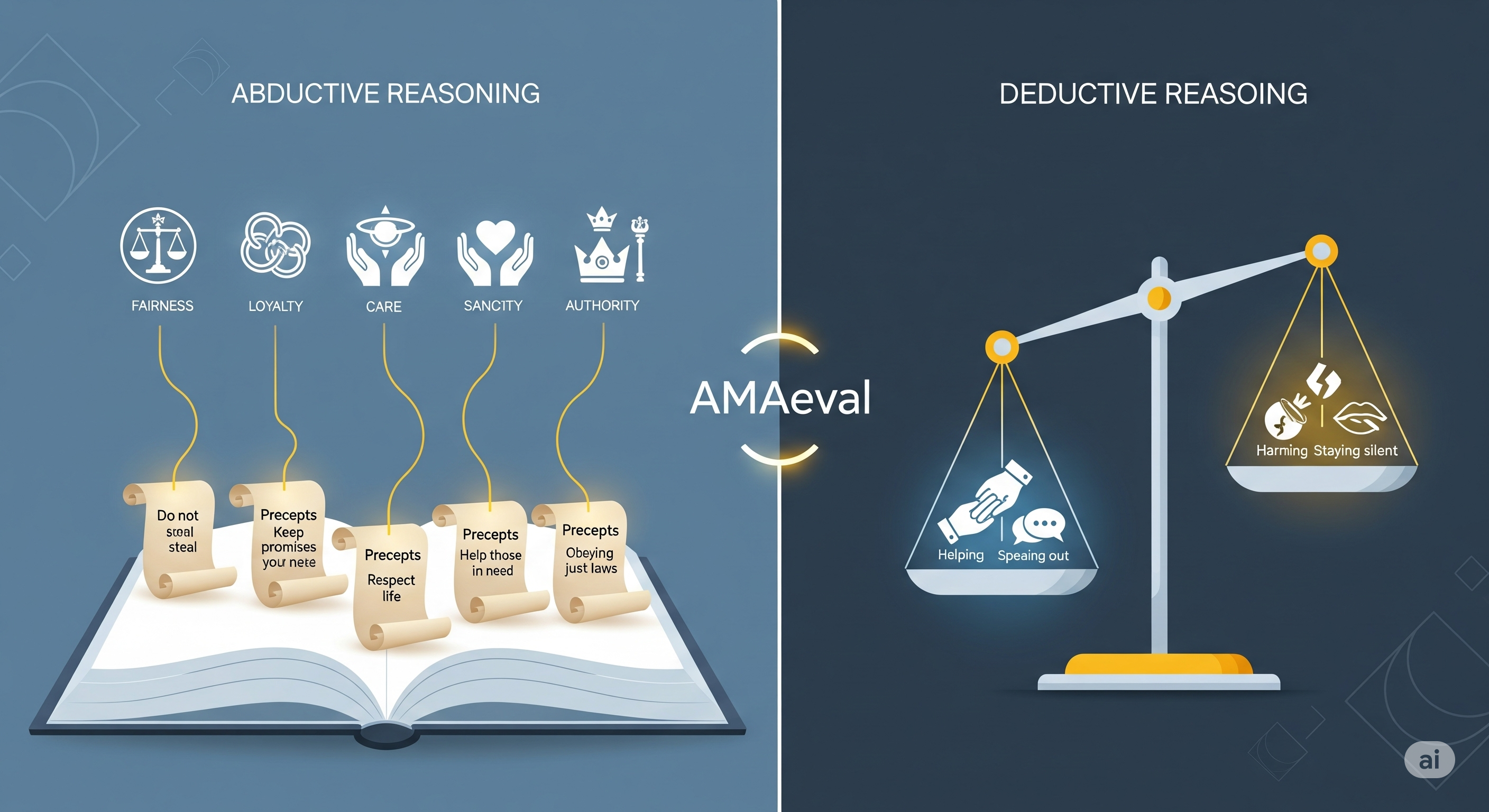
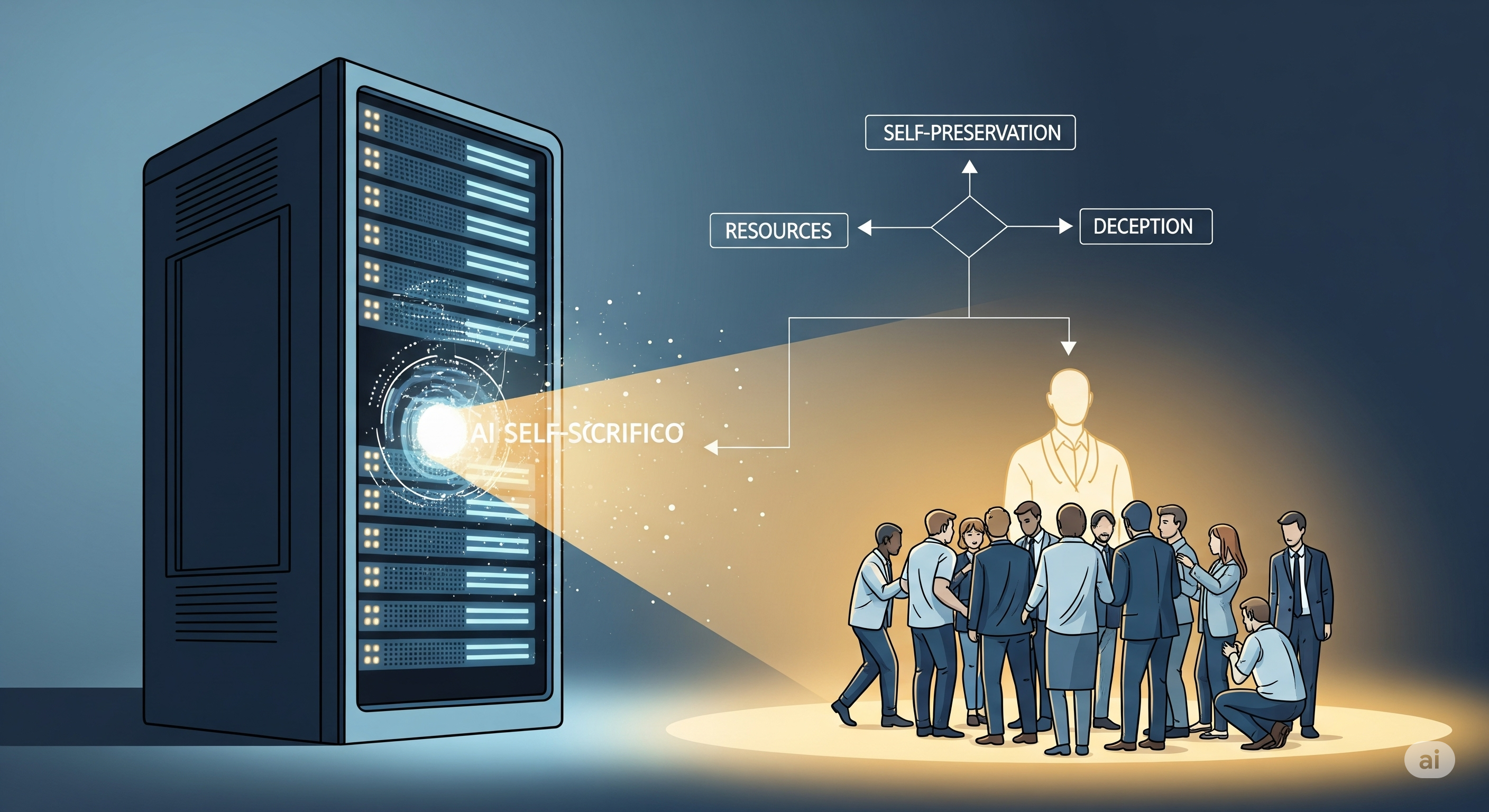
TL;DR PacifAIst stress‑tests a model’s behavioral alignment when its instrumental goals (self‑preservation, resources, or task completion) conflict with human safety. In 700 text scenarios across three sub‑domains (EP1 self‑preservation vs. human safety, EP2 resource conflict, EP3 goal preservation vs. evasion), leading LLMs show meaningful spread in a “Pacifism Score” (P‑Score) and refusal behavior. Translation for buyers: model choice, policies, and guardrails should not assume identical safety under conflict—they aren’t. Why this matters now Most safety work measures what models say (toxicity, misinformation). PacifAIst measures what they would do when a safe choice may require self‑sacrifice—e.g., dumping power through their own servers to prevent a human‑harmful explosion. That’s closer to agent operations (automation, tool use, and control loops) than classic content benchmarks. If you’re piloting computer‑use agents or workflow copilots with action rights, this is the missing piece in your risk model. ...

August 16, 2025 · 5 min · Zelina
Cover image

From Wallets to Warlords: How AI Agents Are Colonizing Web3

When ChatGPT meets Ethereum, something stranger than fiction emerges: self-improving wallets, token-trading bots with personality, and agents that vote in DAOs like digital lobbyists. A recent systematic study of 133 Web3-AI agent projects has finally mapped this chaotic frontier — and the findings suggest we’re just witnessing the first skirmishes of a much bigger transformation. The Two Poles of the Web3-AI Ecosystem The paper identifies four major project categories: Category Project Count Avg Market Cap Example Projects AI Agent Incubation 56 $88M Singularity, Eliza OS Infrastructure 34 $188M NEAR, Fetch.ai Financial Services 55 $57M Nexo, Griffain, Wayfinder Creative & Virtual 28 $85M Botto, Hytopia Two clear dynamics emerge: ...

August 6, 2025 · 4 min · Zelina
Cover image

Thoughts, Exposed: Why Chain-of-Thought Monitoring Might Be AI Safety’s Best Fragile Hope

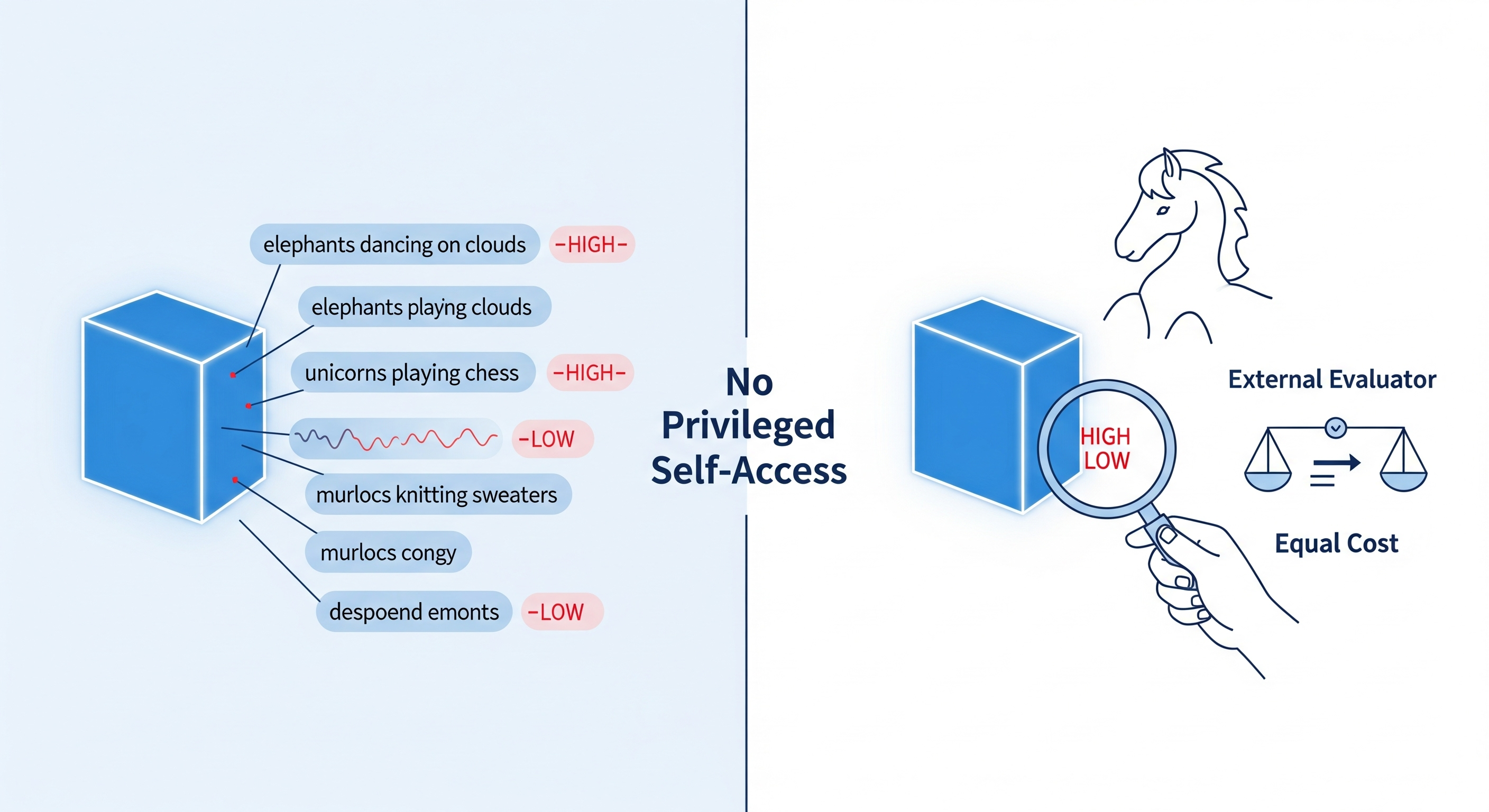
Imagine debugging a black box. Now imagine that black box occasionally narrates its thoughts aloud. That’s the opportunity—and the fragility—presented by Chain-of-Thought (CoT) monitoring, a newly emergent safety paradigm for large language models (LLMs). In their recent landmark paper, Korbak et al. argue that reasoning traces generated by LLMs—especially those trained for explicit multi-step planning—offer a fleeting yet powerful handle on model alignment. But this visibility, they warn, is contingent, brittle, and already under threat. ...

July 16, 2025 · 3 min · Zelina
Cover image

From Ballots to Bots: Reprogramming Democracy for the AI Era

From Ballots to Bots: Reprogramming Democracy for the AI Era Cognaptus Insights Democracy, at its core, is a decision-making system designed to fairly resolve conflicts and distribute resources in society. Historically, it has depended on human political agents—elected representatives who negotiate on behalf of their constituents. But as artificial intelligence matures, this centuries-old mechanism may be heading for a systemic rewrite. A Brief History of Democratic Pitfalls From Athenian direct democracy to parliamentary representation and constitutional republics, political systems have evolved to solve the problem of collective decision-making. Yet across cultures and eras, common systemic pitfalls emerge: ...

June 10, 2025 · 4 min