Cover image

From Scaling to Steering: Operationalizing Control in Frontier Models

Scale is easy to understand. Not easy to finance, of course. Nobody accidentally misplaces a GPU cluster behind the sofa. But conceptually, the industry has been comfortable with the story: more compute, more data, more parameters, more capability. Control is less photogenic. It does not fit neatly into a benchmark leaderboard. It does not produce the same executive sparkle as “our model is bigger.” It asks a colder question: when a model becomes capable enough to matter, can its behavior still be shaped under pressure, across adversarial prompts, repeated use, and operational constraints? ...

February 18, 2026 · 14 min · Zelina
Cover image

Patch Tuesday for the Law: Hunting Legal Zero‑Days in AI Governance

TL;DR for operators Legal risk usually enters the boardroom through contracts, investigations, licensing, or compliance failures. This paper asks a colder question: what if the legal system itself contains undiscovered vulnerabilities, and future AI systems become good at finding them before institutions can repair them?1 The paper calls these vulnerabilities Legal Zero-Days. The analogy is deliberate. In cybersecurity, a zero-day is not just “a bug.” It is a flaw that matters because it is unknown, exploitable, and hard to patch quickly. Here, the bug lives inside laws, regulations, administrative procedures, or the interaction among them. The exploit is not malware. It is a legal discovery that suddenly makes a safeguard fail, a regulator hesitate, or a government process jam. ...

August 18, 2025 · 15 min · Zelina
Cover image

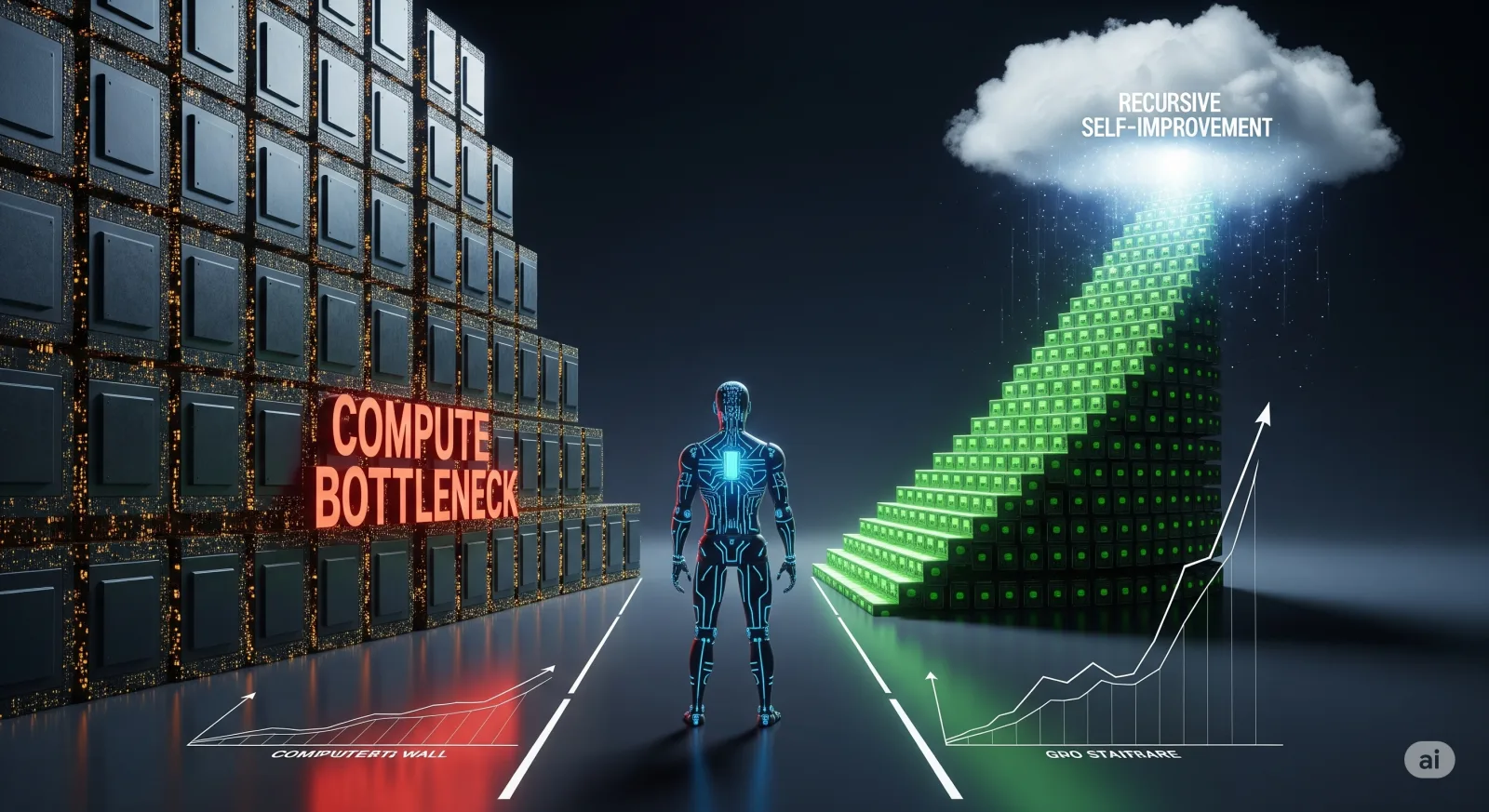
Bottleneck or Breakout? Modeling the Compute Barrier to AI's Intelligence Explosion

TL;DR for operators The practical question is not whether AI will “think itself into godhood by Tuesday”. Charming as that spreadsheet would be, this paper is doing something narrower and more useful. Whitfill and Wu ask whether a software-only intelligence explosion can survive a compute bottleneck: if AI systems become good enough to replace human AI researchers, can that extra cognitive labour keep improving AI without a matching increase in research compute?1 ...

August 3, 2025 · 16 min · Zelina
Cover image

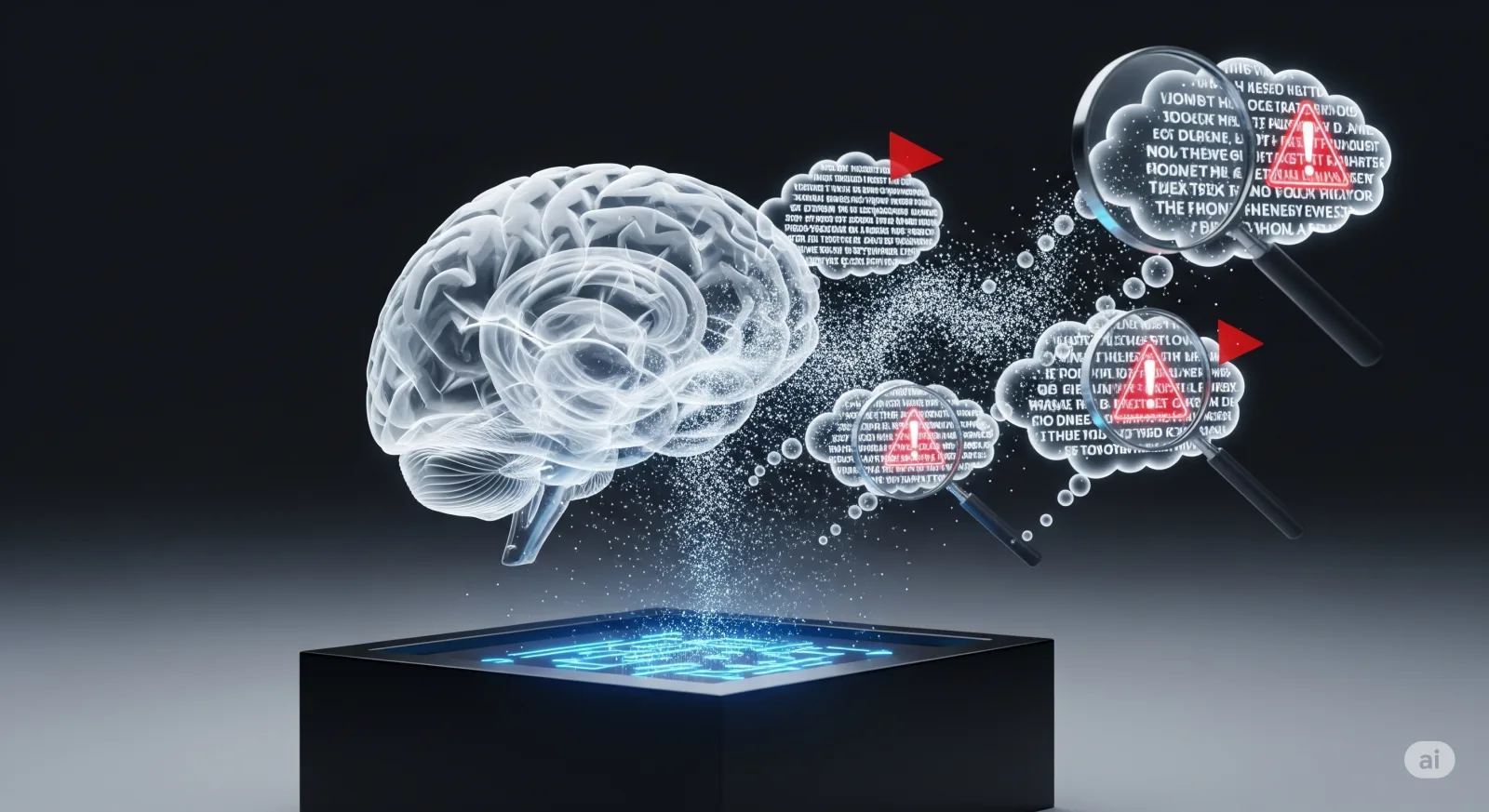
Thoughts, Exposed: Why Chain-of-Thought Monitoring Might Be AI Safety’s Best Fragile Hope

TL;DR for operators Chain-of-thought monitoring is not “AI explaining itself.” That would be too convenient, and convenience is not usually how safety engineering works. The paper argues something narrower and more useful: when reasoning models solve hard tasks, some of their intermediate cognition may pass through human-readable language. That creates a rare oversight opportunity. A separate monitor can inspect the reasoning trace and flag signs of reward hacking, prompt-injection obedience, sabotage, manipulation, or evaluation artefacts before the final action is trusted. ...

July 16, 2025 · 16 min · Zelina
Cover image

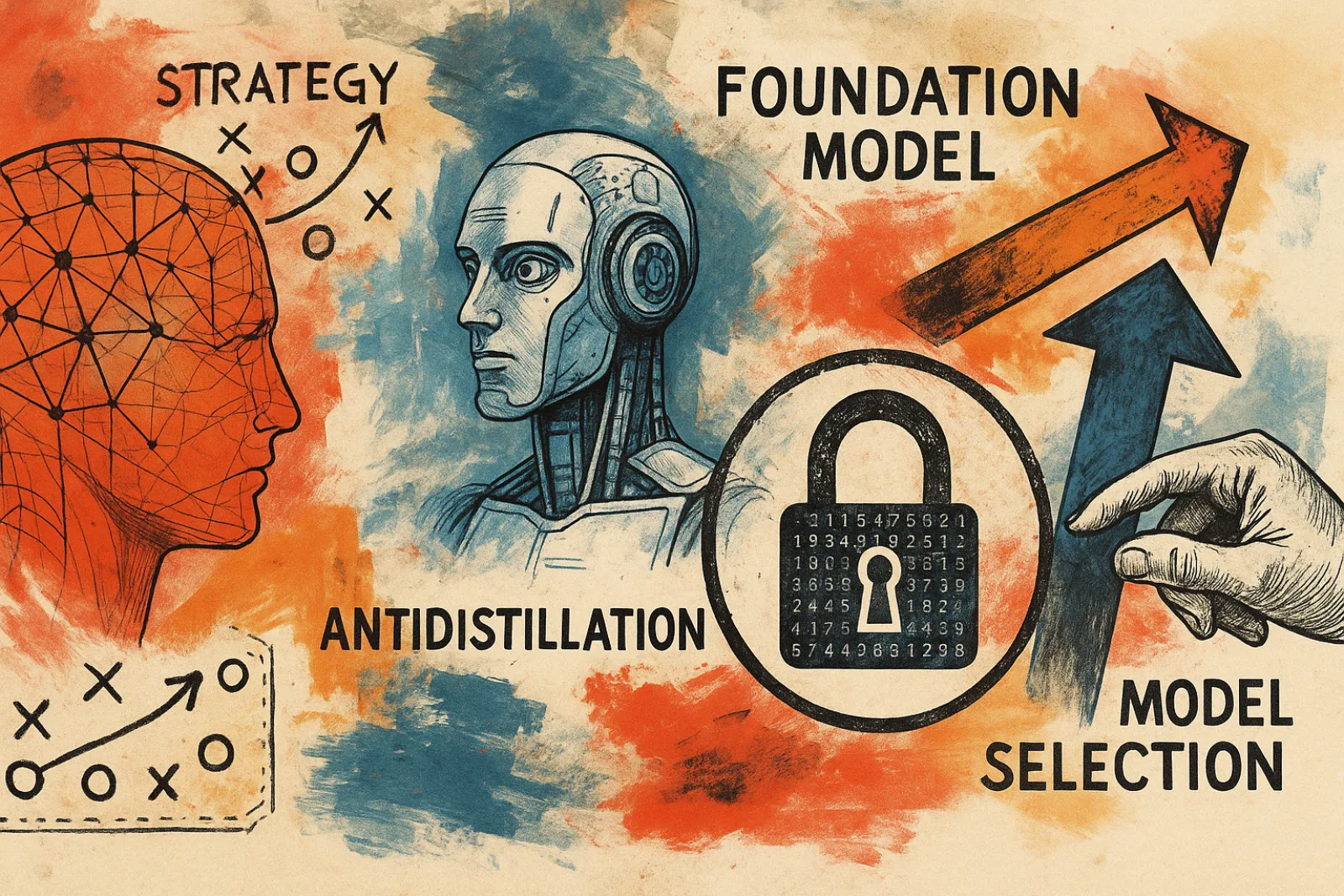
Traces of War: Surviving the LLM Arms Race

TL;DR for operators Reasoning traces are useful. That is the problem. When a frontier reasoning model shows its work, it gives customers more confidence, gives developers more debuggability, and gives downstream applications a richer interface than a bare answer. It also gives competitors and opportunistic scrapers a training asset. The trace is not just an explanation; it is labelled behavioural data from an expensive model. Very polite leakage, in other words. ...

April 19, 2025 · 18 min · Zelina