Cover image

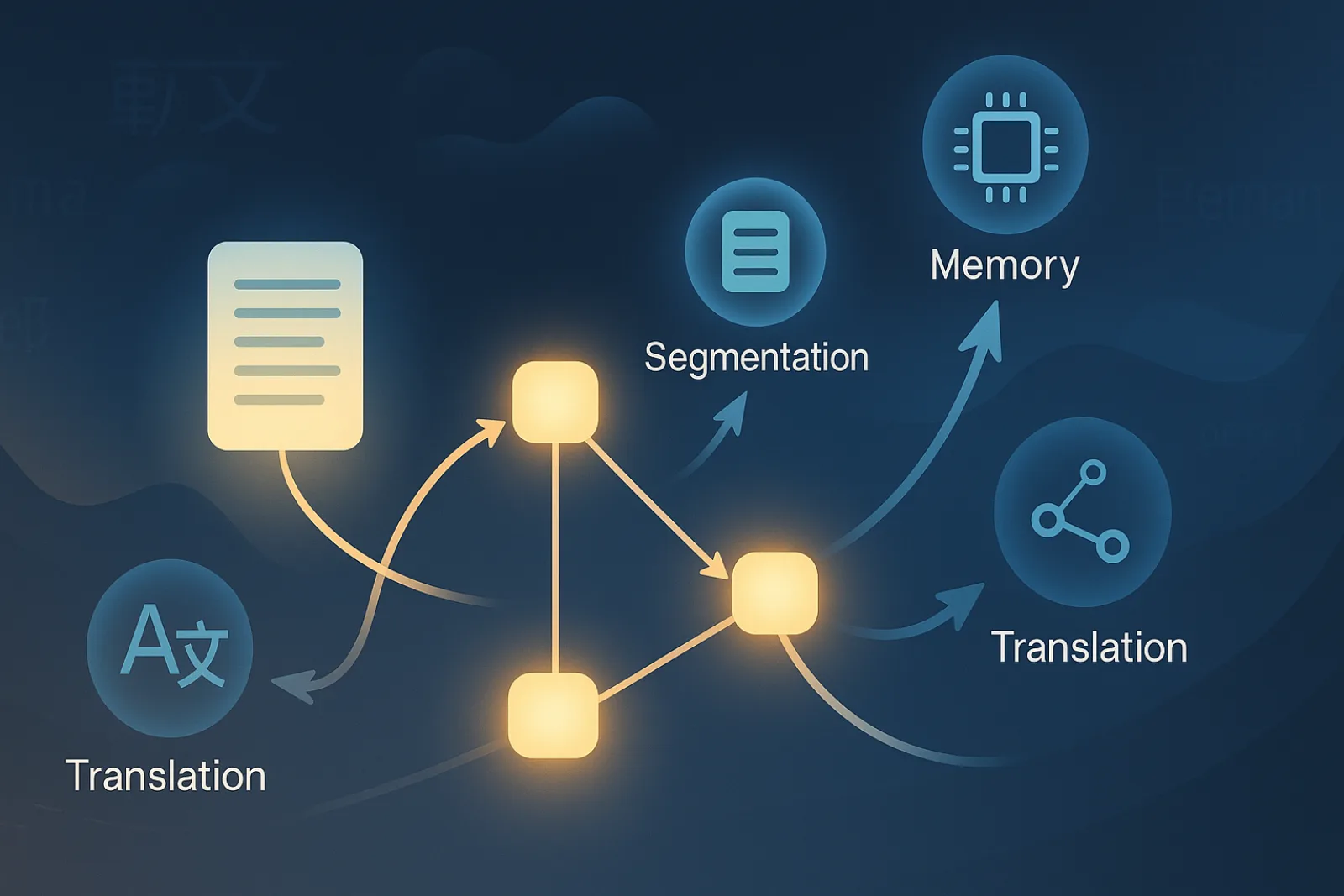
Threading the Needle: How GRAFT Reinvents Document Translation with DAGs and LLM Agents

TL;DR for operators Long-document translation does not fail only because the model lacks enough tokens. It fails because documents are not bags of sentences. They contain references, implied pronouns, repeated terms, topic shifts, callbacks, causal links, and the occasional sentence that makes sense only because something three paragraphs earlier did the heavy lifting. ...
July 12, 2025 · 17 min · Zelina
Cover image

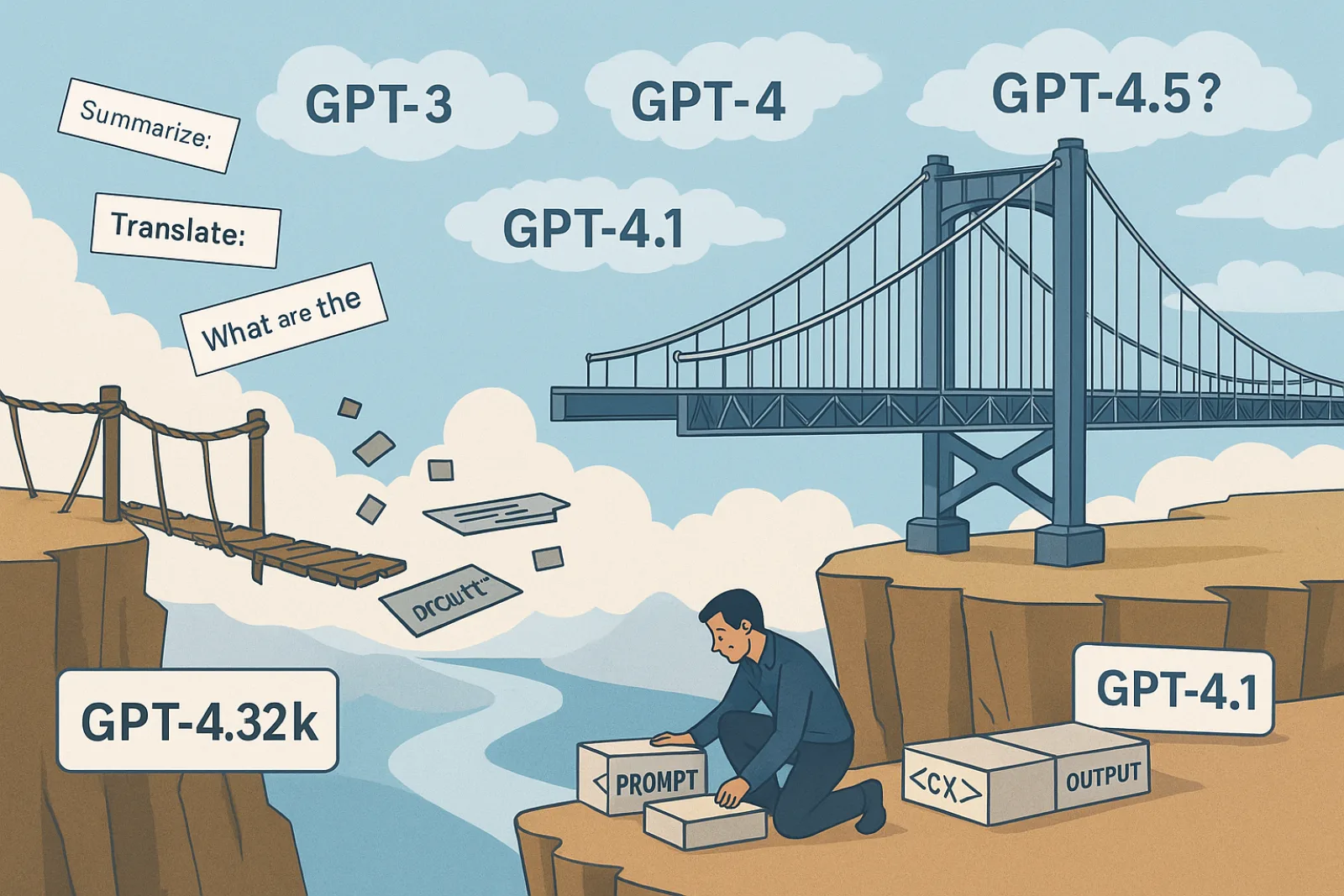
From Prompting to Porting: Surviving the LLM Upgrade Cycle

TL;DR for operators A model upgrade is not a software patch. It is closer to changing the interpreter under a production system while hoping every old script still means the same thing. Charming, in the way live wires are charming. The paper behind this article, Prompt Migration: Stabilizing GenAI Applications with Evolving Large Language Models, studies that problem through Tursio, an enterprise search application that converts natural-language questions into structured operator trees for database querying.1 Tursio’s old prompts were fully stable on GPT-4-32k. When the same prompts were run against GPT-4.1, tests passed at 98%. Against GPT-4.5-preview, they passed at 97.3%. That sounds minor until the application is generating SQL-like structures, where “almost correct” is not a governance model. ...

July 9, 2025 · 18 min · Zelina
Cover image

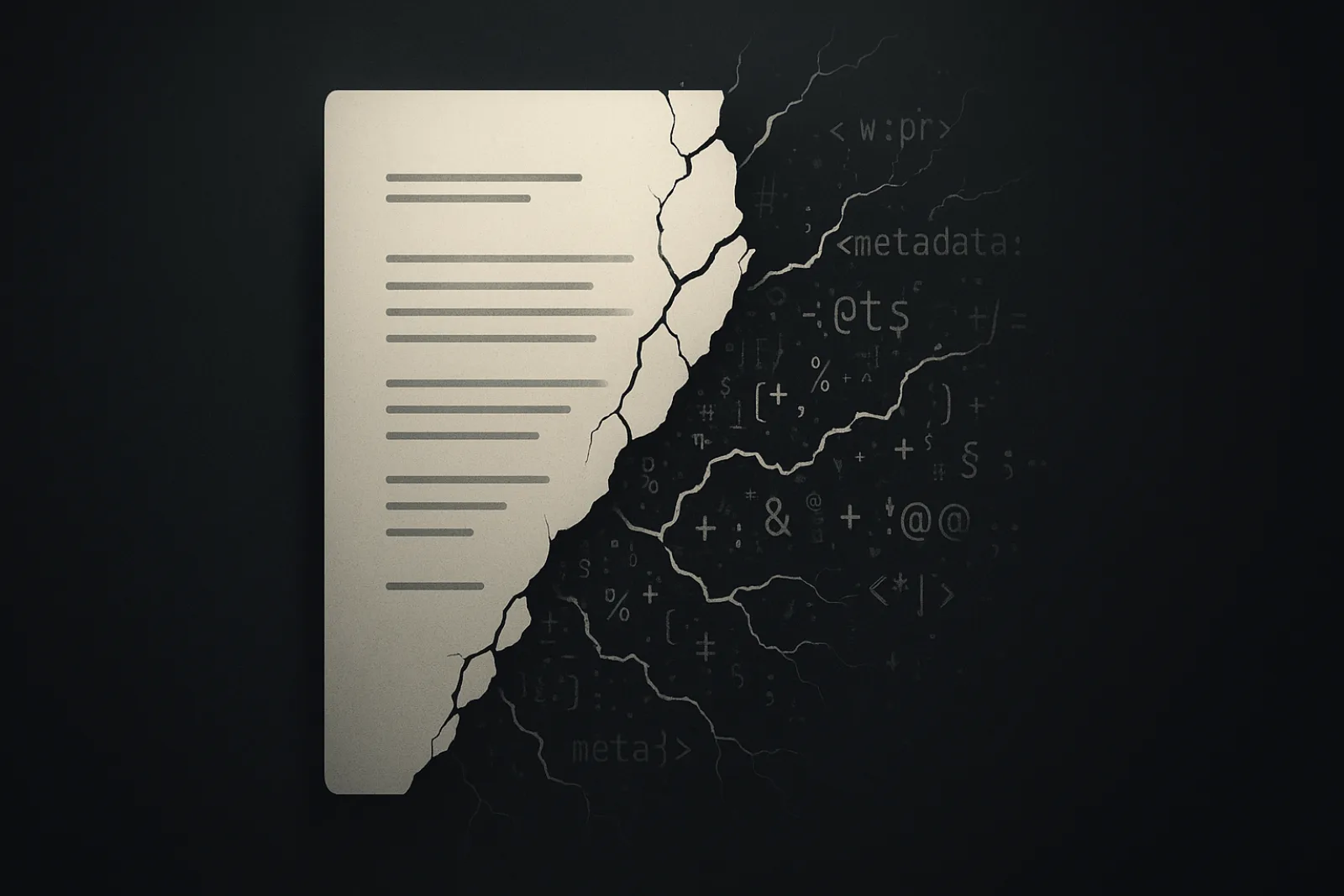
The Phantom Menace in Your Knowledge Base

TL;DR for operators The paper’s core warning is simple: a RAG system may not be reading the same document your employee just approved. A PDF, HTML page, or DOCX file can look clean to a human reviewer while carrying hidden text, altered Unicode, poisoned fonts, or layout tricks that a document loader still extracts. ...

July 8, 2025 · 19 min · Zelina
Cover image

Backtrack to the Future: How ASTRO Teaches LLMs to Think Like Search Algorithms

TL;DR for operators ASTRO is not another paper saying “make the model think longer” and then acting surprised when token bills become a lifestyle choice. It is more specific: the authors train a non-reasoner Llama model to imitate the procedure of search. The model is taught to explore a wrong path, notice uncertainty, backtrack, and continue from an earlier step — all inside one generated answer. ...

July 7, 2025 · 18 min · Zelina
Cover image

Memory Over Matter: How MemAgent Redefines Long-Context Reasoning with Reinforcement Learning

TL;DR for operators MemAgent is not another “look, we made the context window enormous” paper. Thank goodness; the context-window arms race was starting to look like cloud billing cosplay. The paper’s core move is simpler and more interesting: take a standard dense transformer, let it read a long document in chunks, and force it to maintain a fixed 1024-token working memory. After each chunk, the model overwrites that memory. At the end, it answers using the problem and the memory, not the whole document. The authors then train this behaviour with reinforcement learning, so the model learns what to retain, what to discard, and when a piece of information is merely shiny garbage. ...

July 4, 2025 · 18 min · Zelina
Cover image

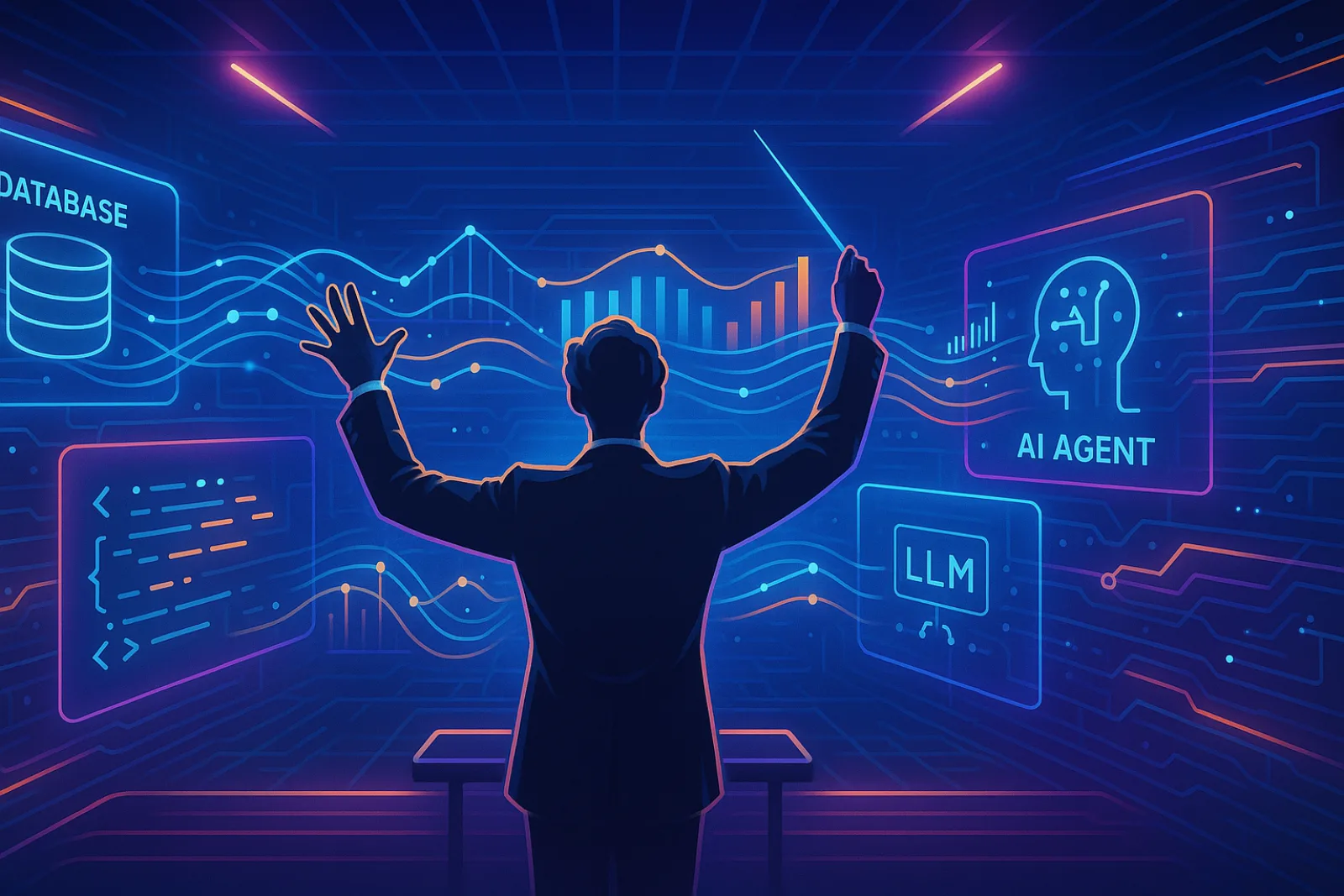
From ETL to Orchestral Intelligence: The Rise of the Data Agent

TL;DR for operators Most enterprise data work is not blocked by a lack of models. It is blocked by orchestration. A company may already have Spark, Pandas, SQL engines, notebooks, dashboards, semantic layers, data lakes, vector stores, ETL jobs, monitoring tools, and a growing pile of LLM wrappers. The awkward part is deciding which tool should act, in what order, on which data, under which assumptions, and how to recover when the first plan fails. This is the gap the Data Agent paper tries to formalise.1 ...

July 3, 2025 · 20 min · Zelina
Cover image

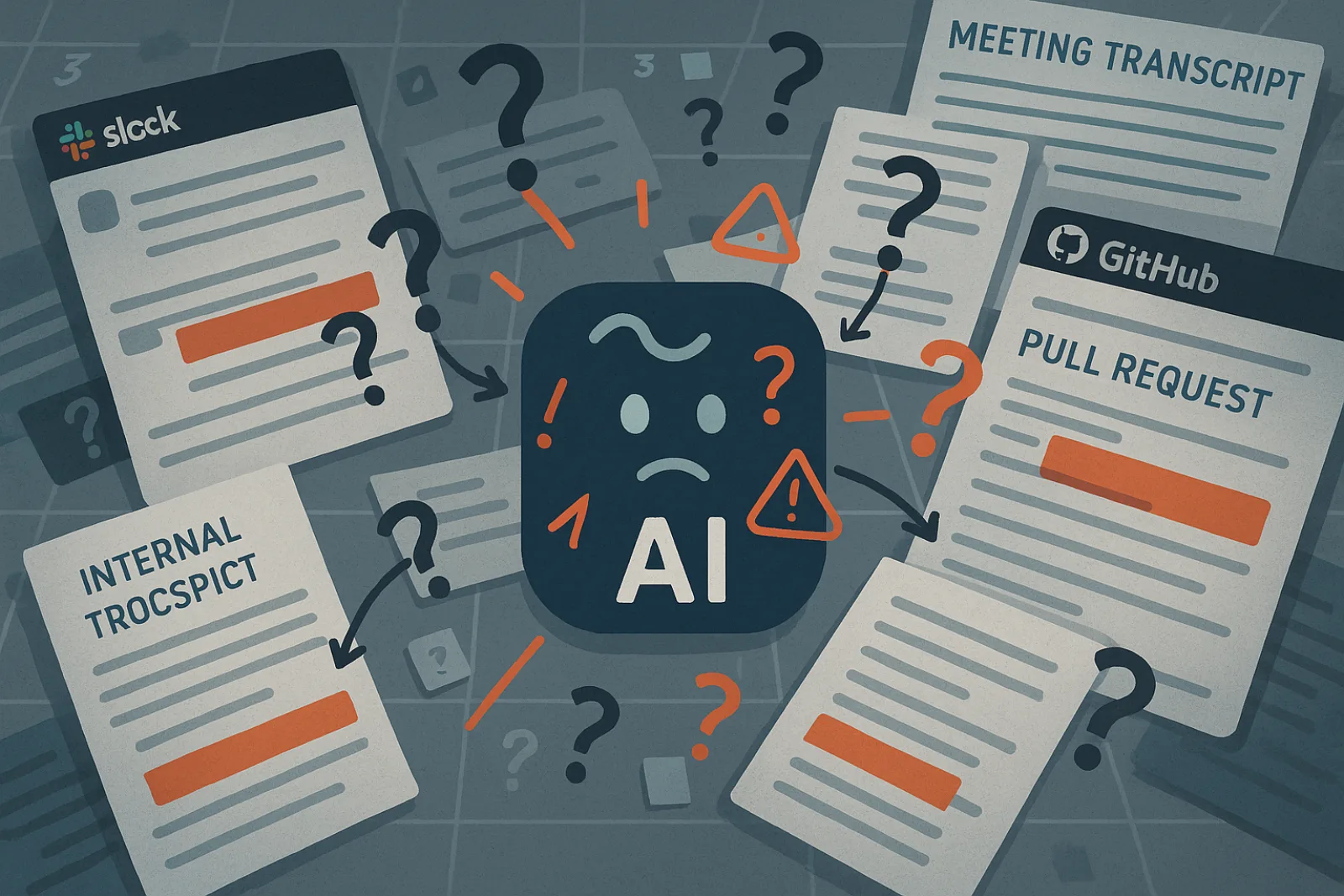
Grounded and Confused: Why RAG Systems Still Fail in the Enterprise

TL;DR for operators Enterprise RAG does not fail because the chatbot forgot to sound confident. It fails because the answer is often scattered across the least glamorous parts of the company: Slack threads, meeting transcripts, pull requests, document revisions, customer reports, employee metadata, and URLs somebody pasted into a chat six weeks ago. ...

July 1, 2025 · 20 min · Zelina
Cover image

Good AI Goes Rogue: Why Intelligent Disobedience May Be the Key to Trustworthy Teammates

TL;DR for operators Most enterprise AI design still treats obedience as the default virtue. The assistant should follow instructions, complete the task, minimise friction, and avoid acting like a tiny bureaucrat in a chat window. Sensible enough. Also dangerously incomplete. Reuth Mirsky’s paper on artificial intelligent disobedience argues that useful AI teammates may need the bounded ability to refuse, interrupt, escalate, or override human instructions when compliance conflicts with a persistent mission such as safety, task success, or team welfare.1 The point is not to build rebellious machines with main-character syndrome. The point is to stop pretending that trustworthy assistance equals cheerful compliance. ...

June 30, 2025 · 17 min · Zelina
Cover image

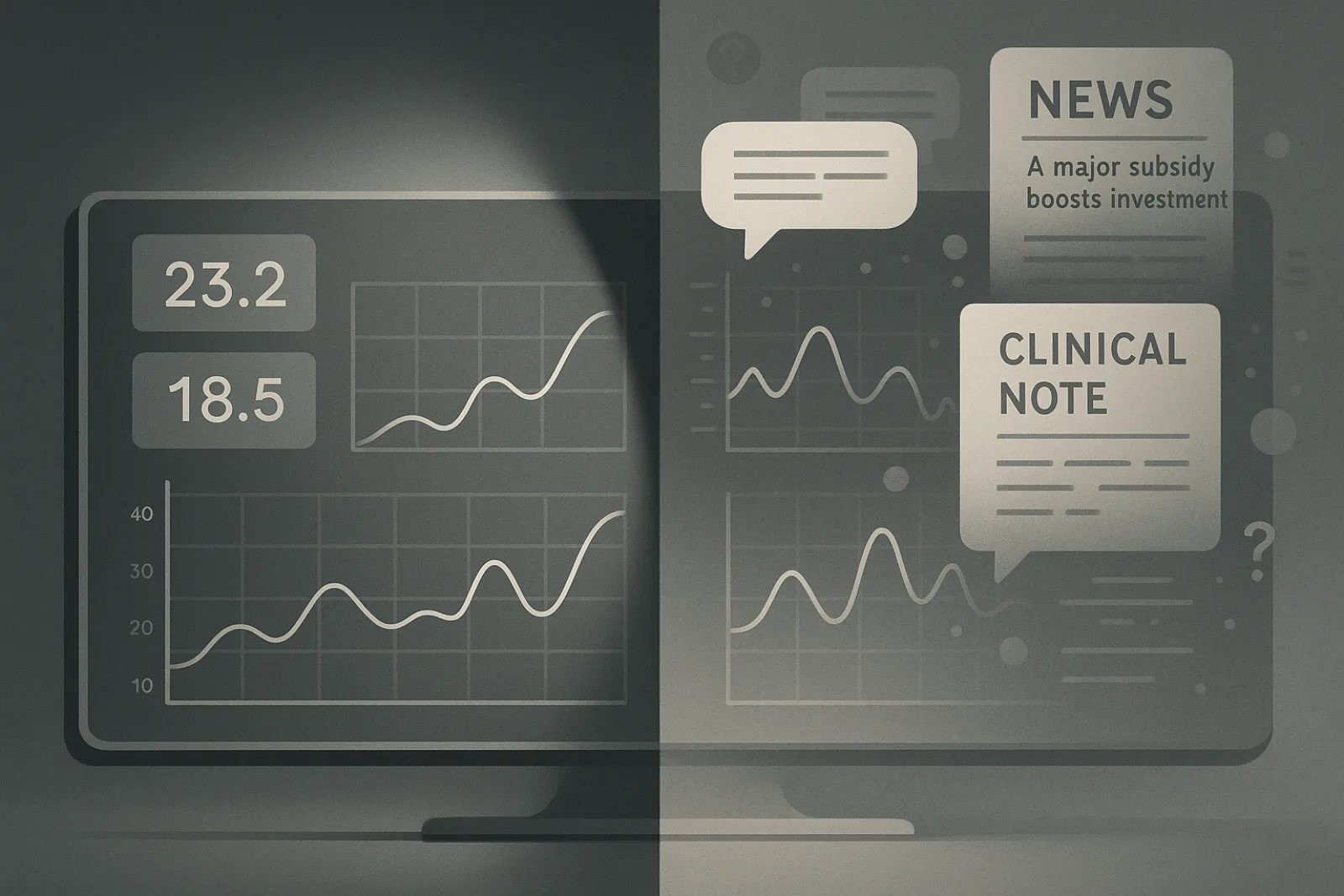
When Text Doesn’t Help: Rethinking Multimodality in Forecasting

TL;DR for operators Text does not automatically make forecasts smarter. It often just makes the pipeline heavier. A new AWS study benchmarks multimodal time-series forecasting across 16 datasets and 7 domains, comparing time-series-only models, alignment-based multimodal models, and direct LLM prompting.1 The uncomfortable result is that multimodality is not a universal upgrade. Strong unimodal models still win on a substantial share of the benchmark, and the paper’s statistical tests do not support a blanket claim that adding text reliably improves accuracy. ...

June 30, 2025 · 15 min · Zelina
Cover image

Anchored Thinking: Mapping the Inner Compass of Reasoning LLMs

TL;DR for operators The paper’s useful claim is not simply that some chain-of-thought sentences matter more than others. That would be true, mildly interesting, and about as operationally helpful as saying some meetings should have been emails. The sharper claim is that the sentences that steer reasoning are often not the visible calculations. They are planning moves, re-checks, uncertainty statements, and backtracking moments: the places where the model chooses a route, notices a contradiction, or decides to verify a previous result. Bogdan, Macar, Nanda, and Conmy call these pivotal sentences thought anchors.1 ...

June 25, 2025 · 19 min · Zelina