Cover image

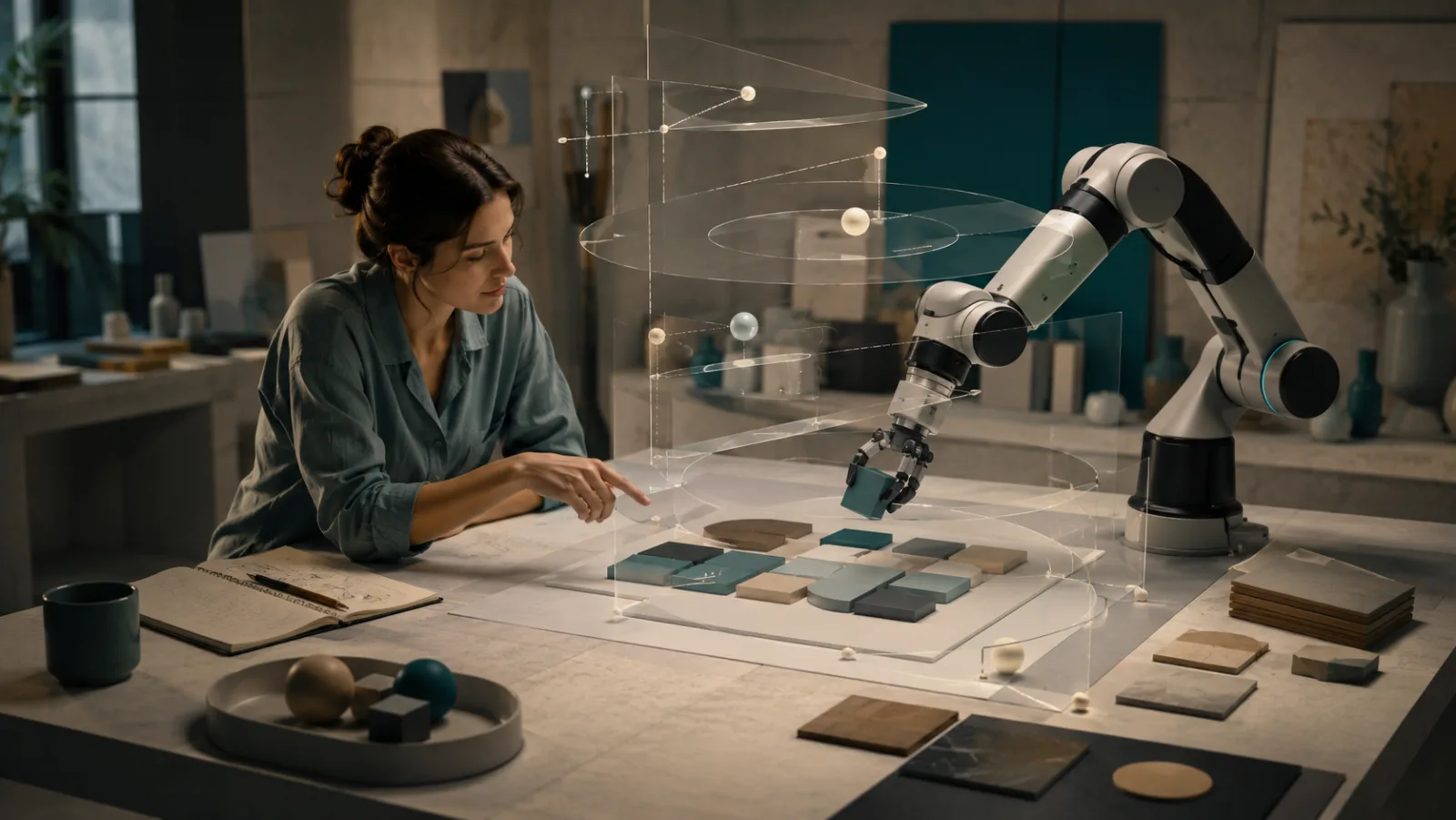
Share the Trunk, Spare the Averaging: Federated Actor-Critic Gets Personal

A fleet looks unified on a dashboard. It is rarely unified in the world. The warehouse robots share a navigation objective, but one floor has glossy tiles, another has uneven concrete, and a third has humans who treat marked lanes as casual decoration. The delivery drones may use the same controller family, but wind, payload, battery ageing, and local regulation quietly rewrite the operating problem. Industrial arms may repeat the same task, until a supplier swaps a component and the “same” movement is no longer quite the same. ...

June 14, 2026 · 14 min · Zelina
Cover image

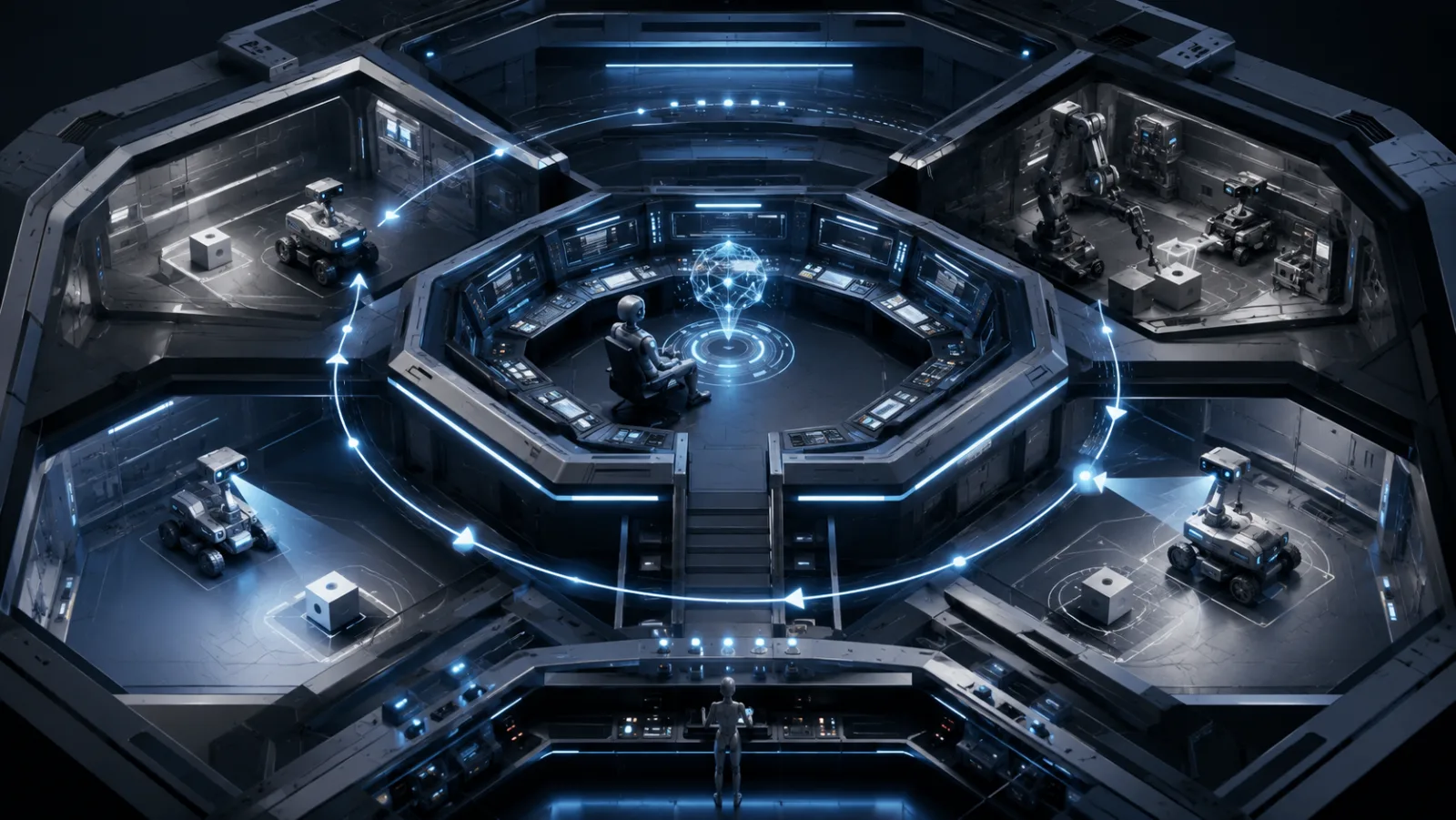
Furniture Has a Chain of Command: Why Dense Scene AI Needs Object Roles, Not One Bigger Generator

Furniture is not democratic. In a real room, the bed, sofa, dining table, and cabinet do not play the same role as the pillow, lamp, monitor, mug, or miniature ornament. Large furniture defines the room’s usable structure. Smaller objects depend on that structure. A chair can stand around a dining table; a book sits on a shelf; a lamp belongs near a bed or desk. The room has a hierarchy before the model begins to generate anything. ...

June 12, 2026 · 16 min · Zelina
Cover image

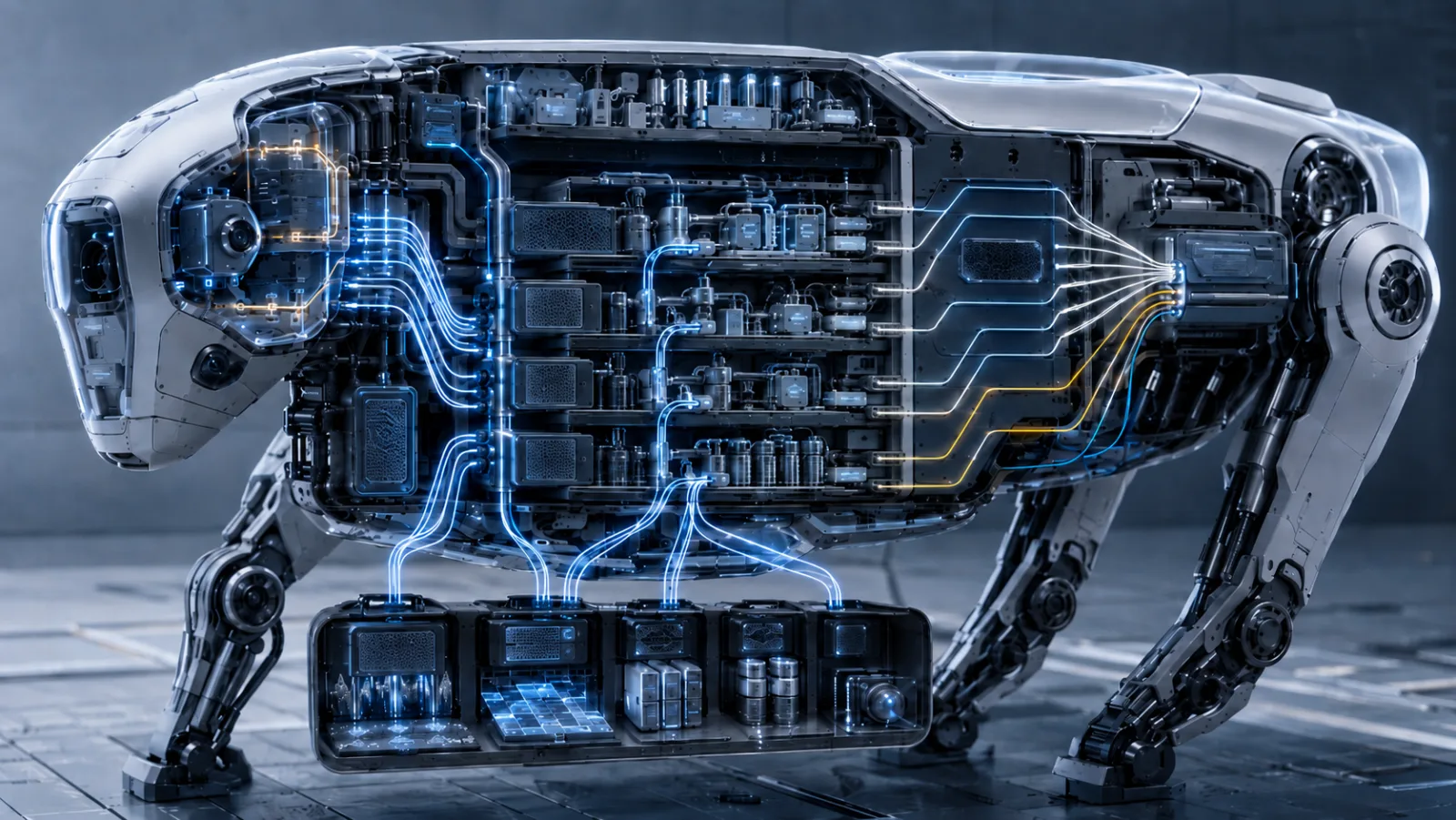
Safe Hands, Unsafe Audit: Why Robot Success Does Not Prove Robot Safety

A robot finishes the task. It picks, places, inserts, wipes, stacks, or assembles. The demo video looks clean. The benchmark reports success. Everyone exhales. This is exactly where the safety argument should begin, not end. The awkward truth about embodied AI is that a robot can complete a task while accumulating risk along the way. It may interpret the instruction too narrowly, skip an implicit prerequisite, recover from a mistake in a physically unstable way, apply too much force, or pass through a near miss that the final success metric politely declines to remember. The task is done. The audit trail is missing. Convenient, in the same way a black box with wheels is convenient. ...

June 7, 2026 · 18 min · Zelina
Cover image

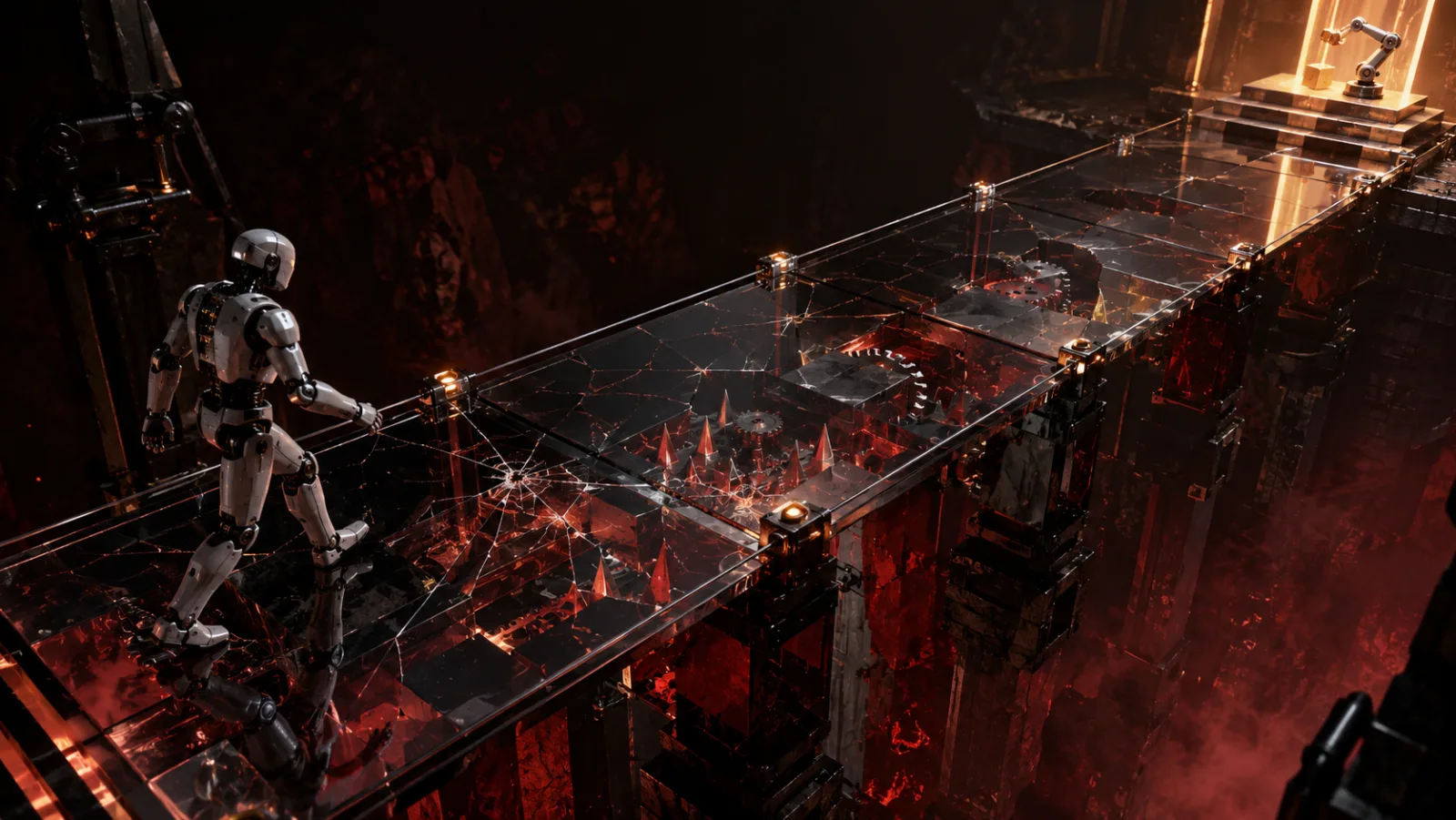
Lost in the Grid: Why AI Agents Still Can’t Spot the Impostor

Everyone wants autonomous AI agents now. Not assistants. Not copilots. Agents: systems that watch a situation, decide what matters, take action, coordinate with others, and notice when someone in the room is quietly working against the plan. A normal business version sounds less theatrical than a social-deduction game, but the structure is familiar. A workflow has goals. People and software components have partial information. Some signals are useful. Some are noise. Some actors may be careless, misaligned, or malicious. The agent is expected to keep moving, complete the job, and not be fooled by plausible behavior. ...

April 22, 2026 · 16 min · Zelina
Cover image

Eyes Wide Compute: Why Physical AI Needs Better Senses, Not Bigger Models

Camera first. Model second. That is not how most AI roadmaps are written. The usual enterprise recipe is tidier: pick a bigger model, add a cloud endpoint, compress something if the bill becomes embarrassing, then declare the system “edge-ready.” This works tolerably well when the input is a clean document, a database row, or an already-captured image. It works less well when the input is a moving camera in a dark warehouse, a microphone beside a noisy motor, a tactile pad on a robot gripper, or smart glasses trying to understand the world before the battery starts writing its resignation letter. ...

April 16, 2026 · 18 min · Zelina
Cover image

Seeing Is Not Solving: Why AI Still Gets Stuck in 3D Worlds

Wall. That is not the grand philosophical frontier AI companies usually place in their product decks. The frontier is supposed to be reasoning, planning, tool use, autonomy, maybe a tasteful diagram with arrows and a glowing robot hand. But in a visually rich 3D world, a surprisingly large part of “autonomy” still reduces to something less glamorous: can the agent notice that it is stuck against a wall, step back, change angle, and continue? ...

April 12, 2026 · 18 min · Zelina
Cover image

Walking the Line: When Robots Learn to Step Like Humans (Without the Drama)

Walking looks easy until you ask a robot to do it. For humans, stepping over a box or climbing a stair is usually not an executive decision. The body sees the surface, estimates where the foot should land, keeps rhythm, adjusts weight, and moves on. No committee meeting. No multi-stage training pipeline. No adversarial discriminator whispering, “that gait is not sufficiently human-like.” ...

March 22, 2026 · 18 min · Zelina
Cover image

When Memory Lies and Rules Save It: Rethinking LLM Agents in Closed Worlds

Memory is usually sold as the adult upgrade for LLM agents. Give the agent a past. Give it a vector database. Give it episodes, reflections, mistakes, summaries, and a long enough context window to remember every tiny embarrassment. Surely it will become more reliable. The RPMS paper is useful because it interrupts that comforting story with a less fashionable point: memory can make an agent worse when the world has hard action rules.1 ...

March 19, 2026 · 18 min · Zelina
Cover image

Learning From the Punches: How AI Agents Turn Mistakes into Skills

Mistakes are cheap until an agent repeats them. A human worker who keeps failing at the same task usually leaves traces: a blocked aisle, a missing tool, a wrong form field, an error message, a process exception. A competent manager does not simply tell the worker to “try again with more confidence.” The useful move is more boring and more valuable: identify the pattern, write the repair rule, and make sure the next attempt starts from the point of failure rather than from the beginning. ...

March 16, 2026 · 18 min · Zelina
Cover image

When Models Get Lost in Space: Why MLLMs Still Fail Geometry

Geometry looks clean. A cube has edges. A projection has rules. A missing view should follow from the views already shown. This is not the messy world of occluded street scenes, motion blur, shadows, or a warehouse camera pointed at the wrong shelf. It is the kind of visual reasoning many students learn before they are trusted with anything more dangerous than a compass, a ruler, and mild boredom. ...

February 14, 2026 · 15 min · Zelina