Cover image

Affective Inertia: Teaching LLM Agents to Remember Who They Are

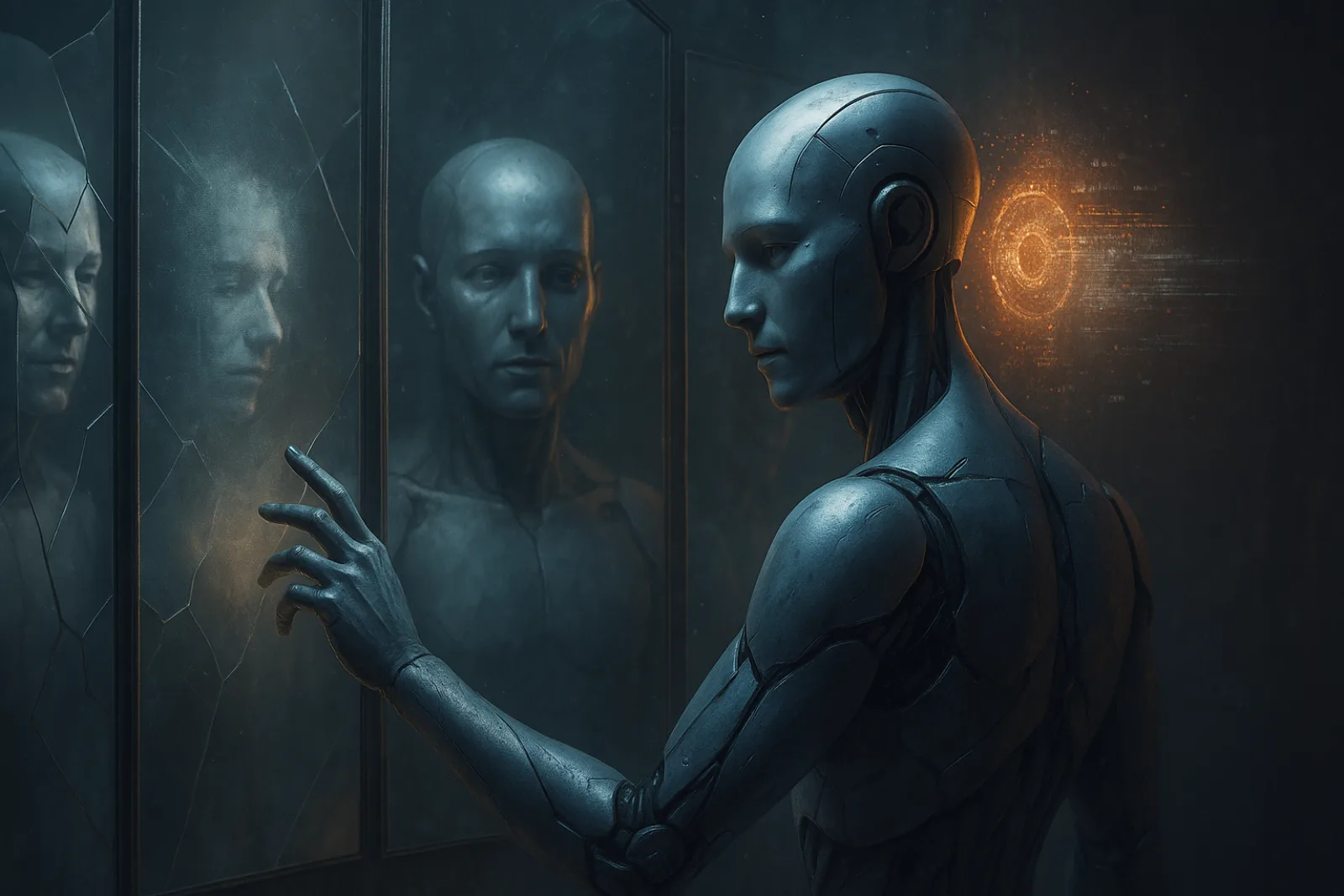
Affective Inertia: Teaching LLM Agents to Remember Who They Are A chatbot does not need to forget your name to become strange. Sometimes the stranger failure is tonal. The assistant is patient for ten turns, defensive on the eleventh, apologetic on the twelfth, and oddly cheerful on the thirteenth. Nothing in the user’s goal changed. Nothing in the product specification said “please behave like an emotionally unstable intern with excellent grammar.” Yet the agent flips. ...

January 23, 2026 · 15 min · Zelina
Cover image

Mind Reading the Conversation: When Your Brain Reviews the AI Before You Do

Voice AI has a very old interface problem wearing very expensive new clothes: it still has to guess whether the user is following. A chatbot can ask, “Was this helpful?” A voice assistant can wait for silence, hesitation, interruption, or a sigh that the microphone may or may not catch. A customer-support bot can count clicks, retries, and abandonment. But none of these signals directly tells the system what is happening inside the user while the conversation unfolds. Is the user overloaded? Bored? Confused? Privately disagreeing with the answer but too polite, tired, or irritated to say so? ...

January 14, 2026 · 18 min · Zelina
Cover image

The Memory Illusion: Why AI Still Forgets Who It Is

A customer support bot does not need a soul. Pleasantly, most airlines have not yet advertised one. But it does need to remember what role it is playing. If it gives policy advice, that advice must remain anchored to the policy. If it apologises for an error, the correction should bind future answers. If the company has told users the assistant is a support agent, the assistant cannot conveniently become a speculative travel blogger, a therapist, a lawyer, or a magic refund machine, depending on which prompt arrives next. ...

November 3, 2025 · 16 min · Zelina
Cover image

Chatbot at the Table: Rethinking Group Recommendations with GenAI

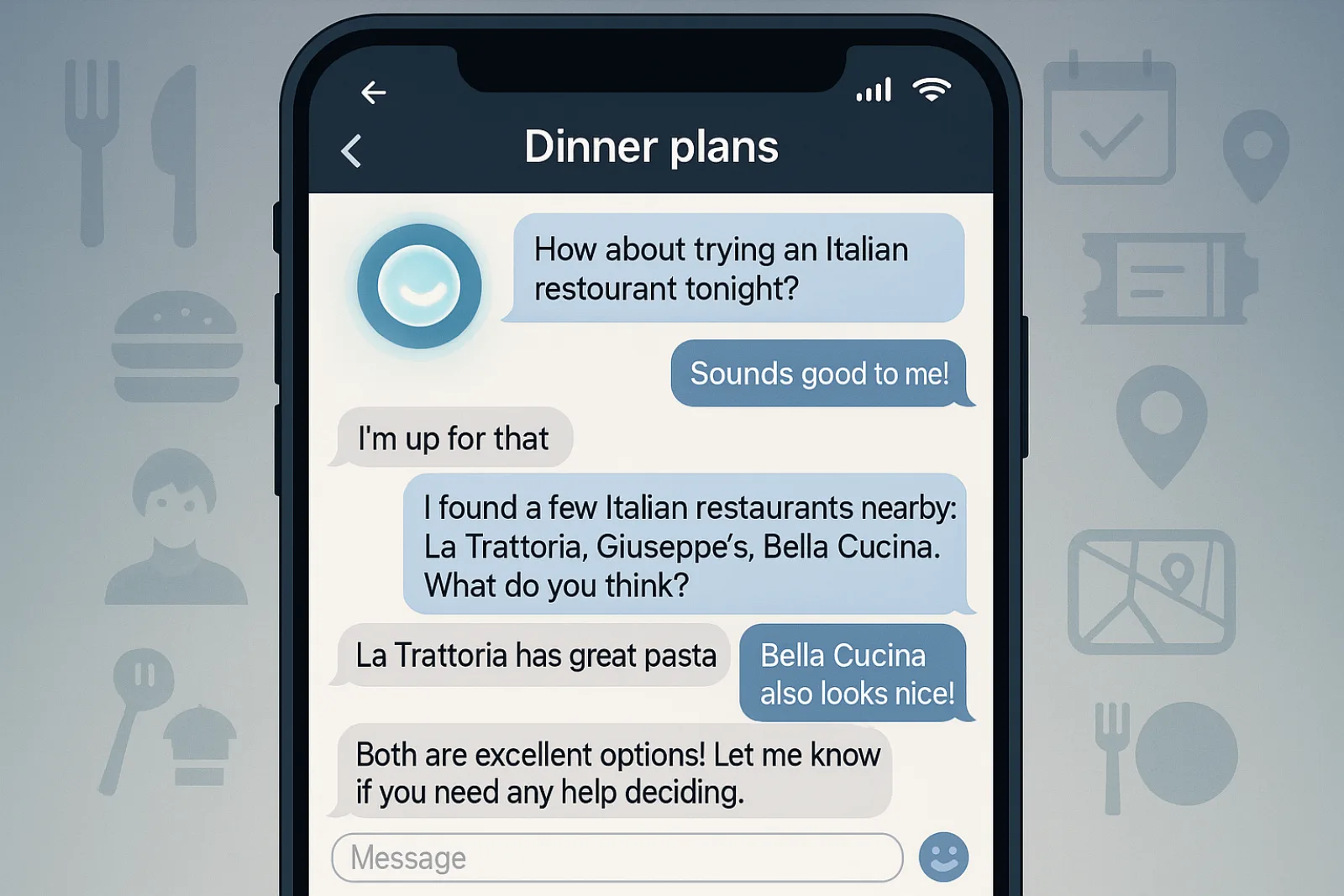
TL;DR for operators Dinner plans are where elegant recommender theory goes to be quietly embarrassed. Five people do not usually open a dedicated app, rate every restaurant, agree on a utility function, and wait for a ranked list to descend from the heavens. They argue in a chat. They change their minds. Someone forgets the budget. Someone says “anything is fine” while absolutely not meaning it. Someone else proposes a venue that is closed on Mondays. Humanity, as usual, remains a hostile runtime environment. ...

July 2, 2025 · 18 min · Zelina
Cover image

Remember Like an Elephant: Unlocking AI's Hippocampus for Long Conversations

TL;DR for operators Long-context windows are useful. They are also an expensive way to pretend that memory is just a bigger clipboard. The HEMA paper argues for a more operationally realistic design: keep a compressed summary of the conversation always visible, store detailed past exchanges outside the prompt, and retrieve only the details that matter for the current turn.1 That gives the model two different memory behaviours: continuity from Compact Memory and factual recall from Vector Memory. ...

April 25, 2025 · 18 min · Zelina