Cover image

When RAG Meets the Law: Building Trustworthy Legal AI for a Moving Target

Legal teams do not usually ask for AI that sounds clever. They ask for AI that does not accidentally invent a statute, misread a precedent, or confidently advise someone into a procedural ditch. That makes legal AI an awkward domain for large language models. The model may be fluent. The law, inconveniently, is not graded on fluency. It is graded on source, jurisdiction, timing, interpretation, and traceability. A beautiful answer with the wrong legal basis is not “almost useful”. It is professionally radioactive. ...

November 6, 2025 · 13 min · Zelina
Cover image

When Rules Go Live: Policy Cards and the New Language of AI Governance

A bank does not usually fail because its compliance policy forgot to exist. It fails because the policy lived in one place, the software lived somewhere else, and the audit trail arrived after the damage had already developed a charming personality. That gap becomes harder to excuse when AI agents move from answering questions to initiating payments, recommending clinical escalation, coordinating mission plans, or calling APIs inside enterprise workflows. A chatbot can be corrected after the fact. An agent that acts on behalf of a firm needs rules before it acts, evidence while it acts, and review after it acts. The old governance ritual of “write a policy, publish a PDF, hope engineering read it” starts to look less like oversight and more like theatre with better stationery. ...

November 2, 2025 · 15 min · Zelina
Cover image

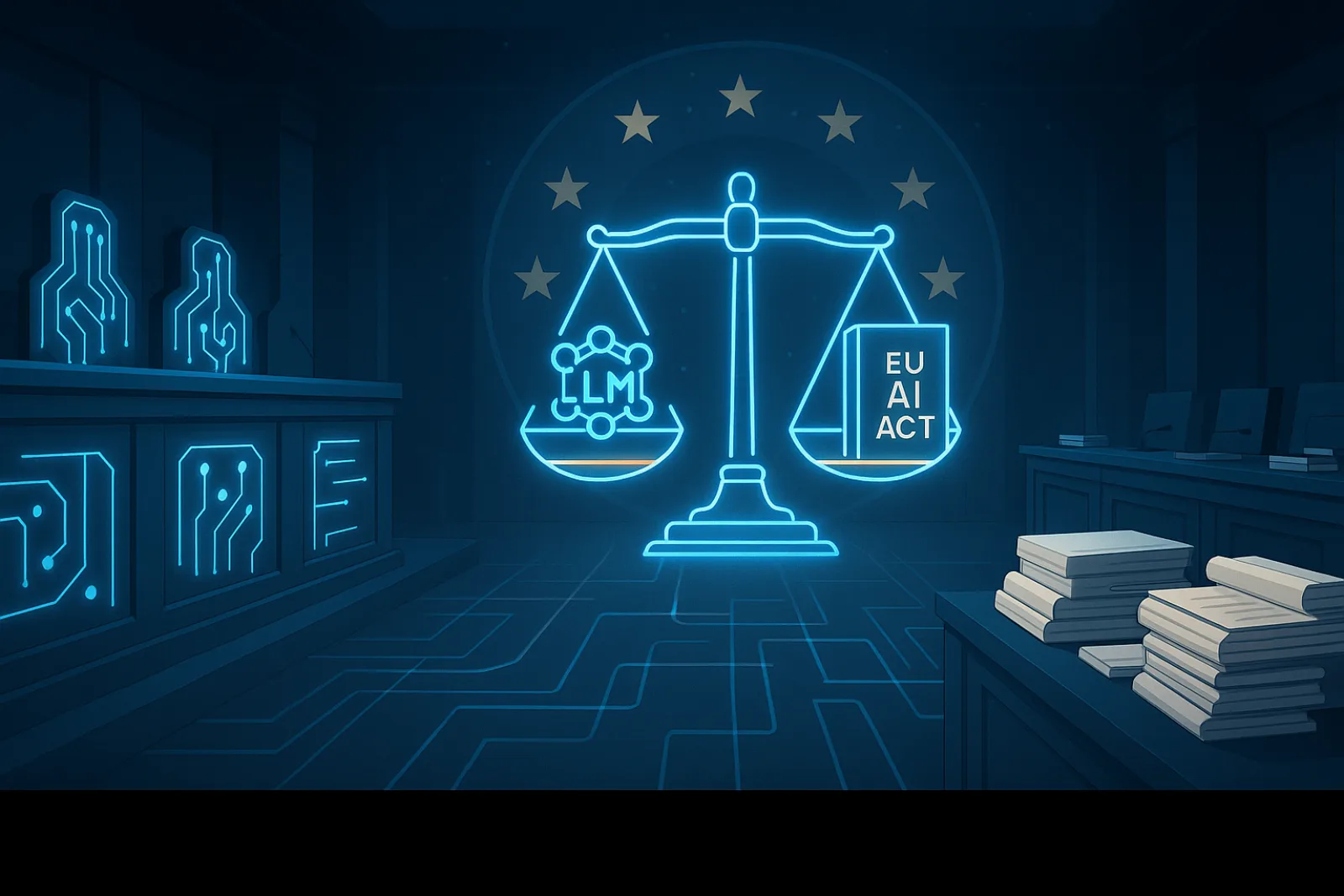
Paper Tigers or Compliance Cops? What AIReg‑Bench Really Says About LLMs and the EU AI Act

Audit queues have a special talent for turning urgency into fog. A product team wants to ship. Legal wants assurance. Governance wants evidence. The vendor has supplied a beautifully formatted technical document, full of dataset sizes, risk controls, model validation steps, and the usual confidence perfume. Somewhere inside that document may be a real compliance gap. Or it may simply be written by someone who knows how to sound compliant. Naturally, someone asks the modern executive question: can we let an LLM take the first pass? ...

October 9, 2025 · 15 min · Zelina
Cover image

When Logic Meets Language: The Rise of High‑Assurance LLMs

A compliance officer does not want a beautiful answer. She wants to know which clause applied, which exception overrode it, which fact triggered the exception, and whether the conclusion still holds after someone adds one inconvenient detail. That is the annoying little problem with using large language models in serious workflows. They are fluent. They are often useful. They can explain themselves at length, occasionally with the confidence of a junior associate who has discovered formatting. But in law, medicine, tax, contract review, and policy compliance, reasoning is not merely the ability to produce a plausible paragraph. It is the ability to tie a conclusion back to rules, facts, exceptions, and provenance. ...

October 9, 2025 · 17 min · Zelina
Cover image

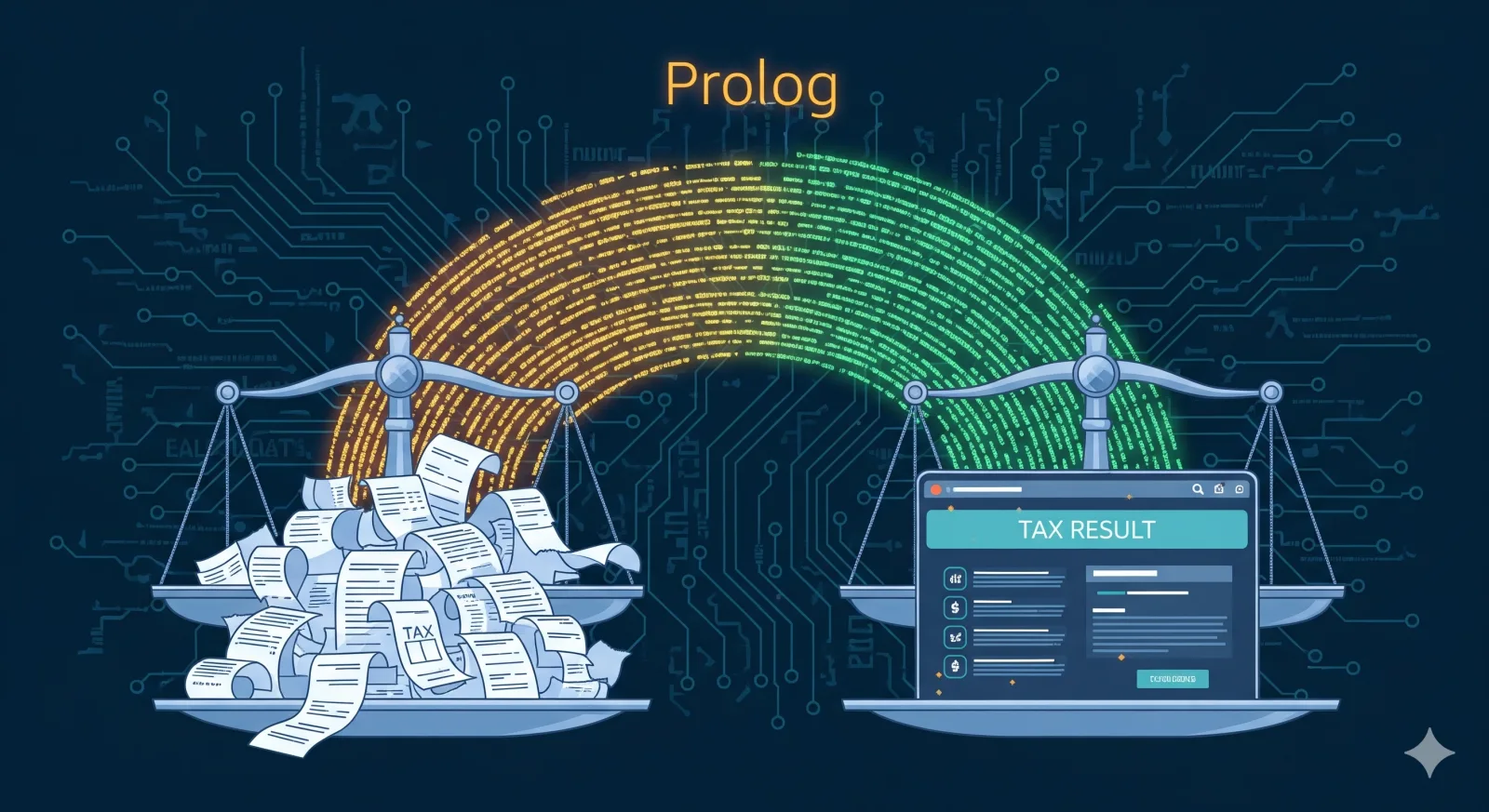
Prolog & Paycheck: When Tax AI Shows Its Work

TL;DR for operators Tax AI should not be judged by whether the model can produce a confident answer in fluent prose. That is how one builds a very polite liability machine. The useful pattern in this paper is architectural: let the language model translate statutory text and taxpayer facts into executable Prolog; let a symbolic solver compute the result; reject outputs that fail execution or disagree across independent attempts; then evaluate the system using an error-cost ledger, not just accuracy.1 The paper’s strongest practical message is therefore not “LLMs can do tax”. It is: high-stakes rule automation becomes more credible when the model is demoted from final authority to structured translator. ...

August 31, 2025 · 15 min · Zelina

From Case File Chaos to Lawyer-Ready Briefs

A boutique law firm used a governed legal case preparation agent system to turn fragmented client files into reviewable document indexes, timelines, issue maps, research leads, and draft memos before lawyer approval.

August 30, 2025 · 8 min · Vox
Cover image

RAGulating Compliance: When Triplets Trump Chunks

TL;DR for operators Compliance teams do not mainly need a chatbot that sounds more confident. They already have enough people sounding confident in meetings. They need answers that can be traced back to the rule text, checked against related provisions, and updated when the regulatory corpus changes. The paper behind this article proposes a multi-agent system that turns regulatory documents into subject–predicate–object triplets, embeds those triplets alongside their source sections, retrieves triplets for question answering, and shows users the relevant subgraph behind the answer.1 That matters because regulatory work is not just “find me a paragraph.” It is “show me the applicable rule, the linked requirement, the exception, the deadline, and the neighbouring clause that will embarrass us later.” ...

August 16, 2025 · 14 min · Zelina

From Client Conversations to Audit-Ready Compliance Records

A boutique financial advisory firm restructured its meeting-to-compliance-record workflow with an AI documentation agent that drafts, checks, and source-links records while preserving advisor and compliance-officer control.

July 30, 2025 · 8 min · Vox
Cover image

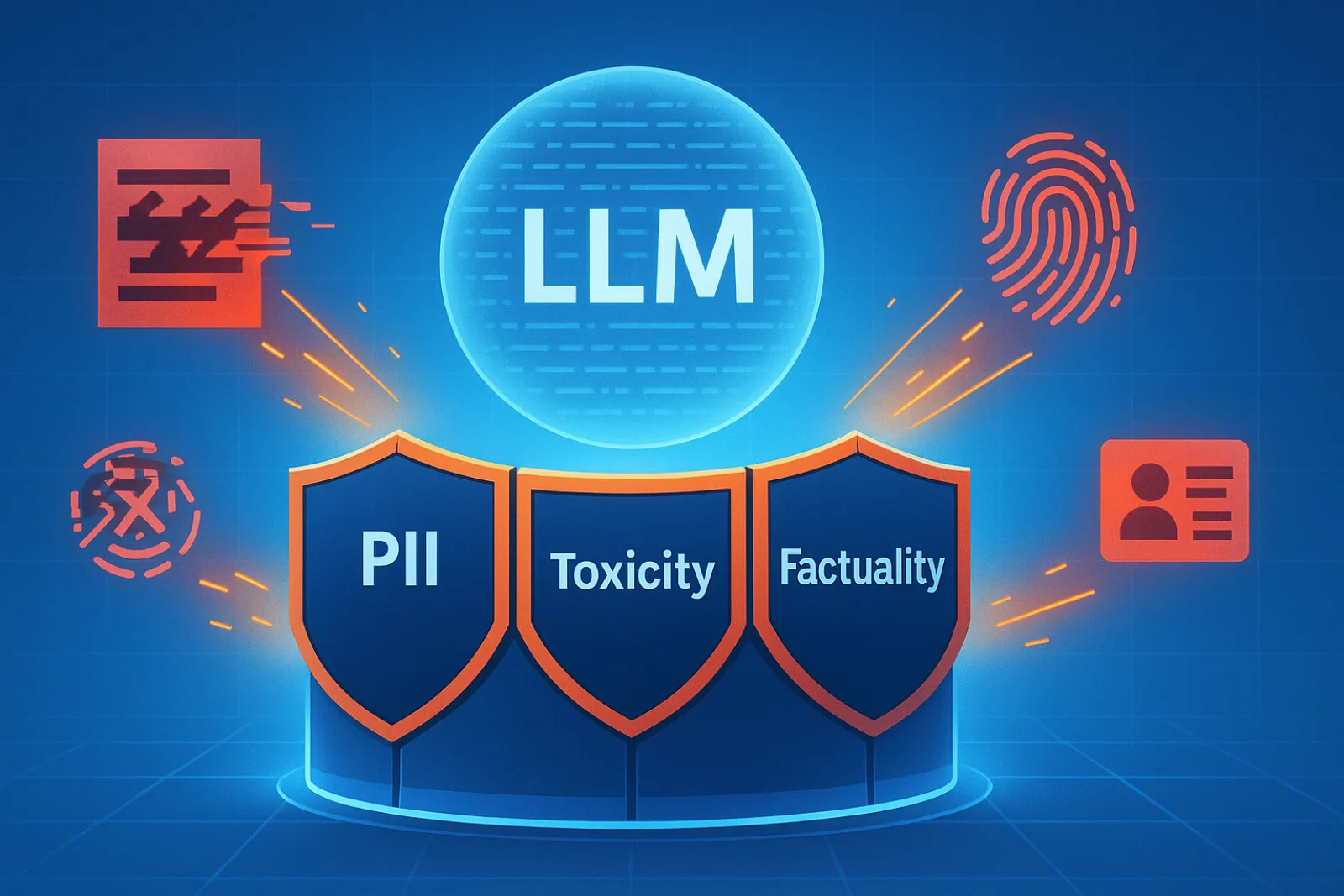
OneShield Against the Storm: A Smarter Firewall for LLM Risks

TL;DR for operators Enterprise LLM safety is often discussed as if the main question is whether the model has been trained to “behave”. That is the comforting version of the story. It is also too small. IBM’s OneShield paper argues for a different operating model: treat safety as a separate, model-agnostic guardrail layer that sits around the LLM, runs multiple specialised detectors in parallel, and then applies explicit policy decisions through a separate policy manager.1 In plain business terms, OneShield is less like teaching the model good manners and more like installing a configurable safety-control plane around every AI interaction. Glamorous? Not especially. Operationally useful? Very much so. ...

July 30, 2025 · 18 min · Zelina
Cover image

Trained on Tickers, Tuned for Trust: The New Frontier of FinTech AI

TL;DR for operators Financial foundation models are not one product category. They are three partly overlapping tool families, and confusing them is how firms end up buying a chatbot and expecting a risk engine. The paper reviewed here offers a useful taxonomy of financial foundation models across language, time-series, and visual-language systems, covering architectures, training methods, datasets, applications, and deployment challenges through June 2025.1 Its practical value is not that it declares a winner. It does something more useful: it shows which parts of financial AI are mature enough for workflow adoption, which are still research-shaped, and where the real bottlenecks sit. ...

July 25, 2025 · 21 min · Zelina