Cover image

The Memory Isn’t Broken — It’s Flat: Why LLMs Need to ‘Draw’ to Remember

Memory is usually sold as a storage problem. Give the agent a vector database. Add a recall layer. Save summaries. Search harder. Expand the context window until the budget department starts making eye contact. Then ask the agent a simple question: what changed after the earlier conversation? That is where the polite demo often turns into a fog machine. ...


April 15, 2026 · 15 min · Zelina
Cover image

Mind Over Machine: When AGI Starts Thinking in Needs

A factory line does not need a chatbot with feelings. It needs a control system that can tell the difference between a harmless deviation, a costly delay, and a situation that deserves to interrupt a human operator before the machine becomes expensive sculpture. That is the useful way to read Computational Concept of the Psyche by Anton Kolonin and Vladimir Krykov.1 The paper’s title sounds as if we are about to attach a synthetic soul to a machine, perhaps with a dashboard of emotions and a tasteful blue glow. Fortunately, the core argument is more operational than theatrical: an intelligent agent should not only predict the next state of the world; it should manage its own state of needs while acting under uncertainty, risk, and resource limits. ...

March 17, 2026 · 16 min · Zelina
Cover image

Model First, Think Later: Why LLMs Fail Before They Reason

The schedule looked reasonable. That was the problem. Imagine asking an AI agent to build a weekly medical schedule. It produces a neat plan. The steps are numbered. The tone is confident. The explanation is calm enough to sedate a committee. Then someone checks the details. A medication interval is violated. A resource is assigned twice. A prerequisite appears after the action that depends on it. Nothing looks absurd sentence by sentence, but the plan is broken as a system. ...

December 17, 2025 · 12 min · Zelina
Cover image

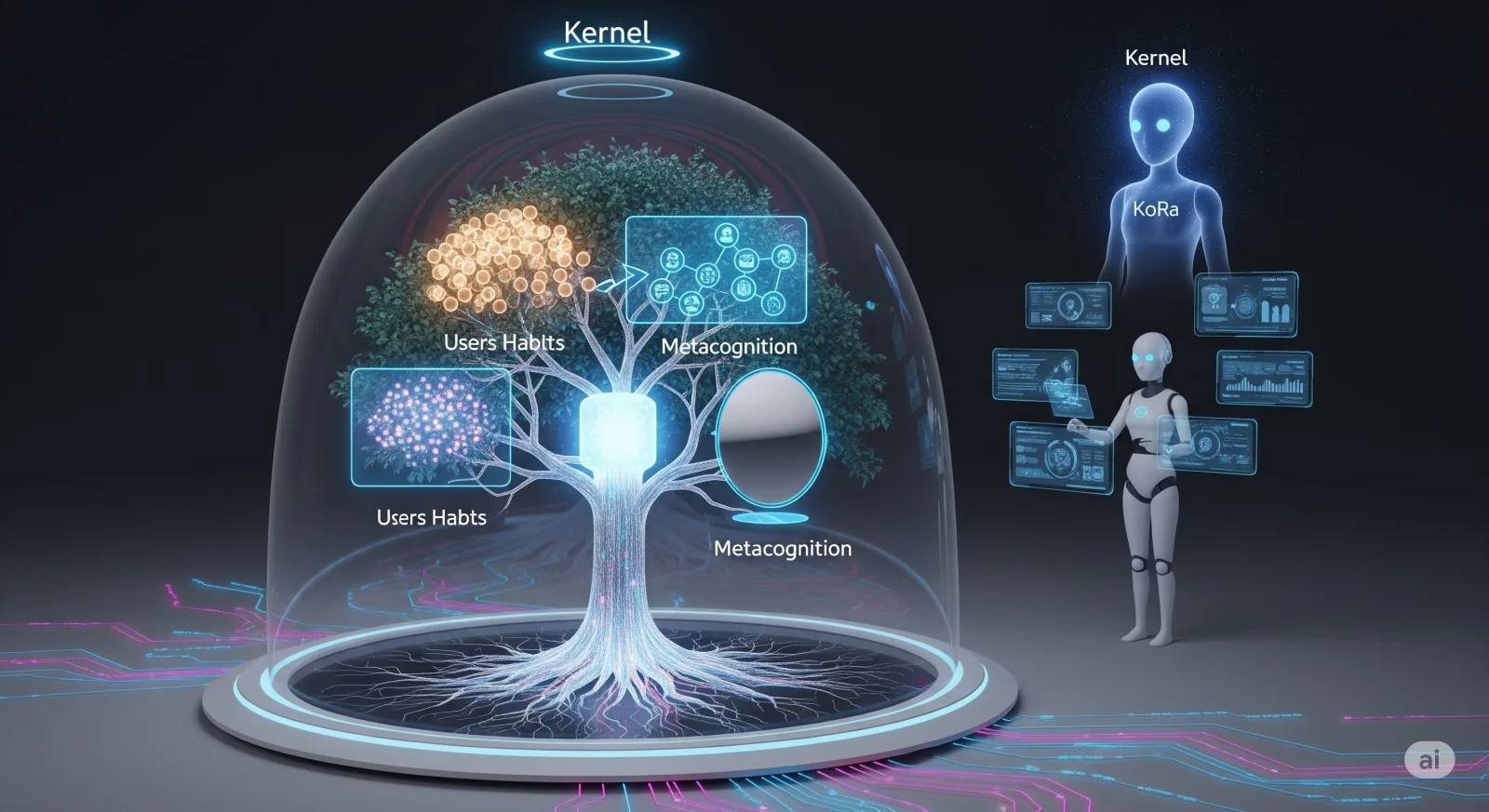
The Forest Within: How Galaxy Reinvents LLM Agents with Self-Evolving Cognition

TL;DR for operators Galaxy is best read as a design argument, not merely a new agent benchmark entry. The paper says personal agents cannot become genuinely useful by stacking tools under a chat window. They need a structured internal map of the user, their own capabilities, available environments, and the system logic behind those capabilities.1 ...

August 7, 2025 · 20 min · Zelina
Cover image

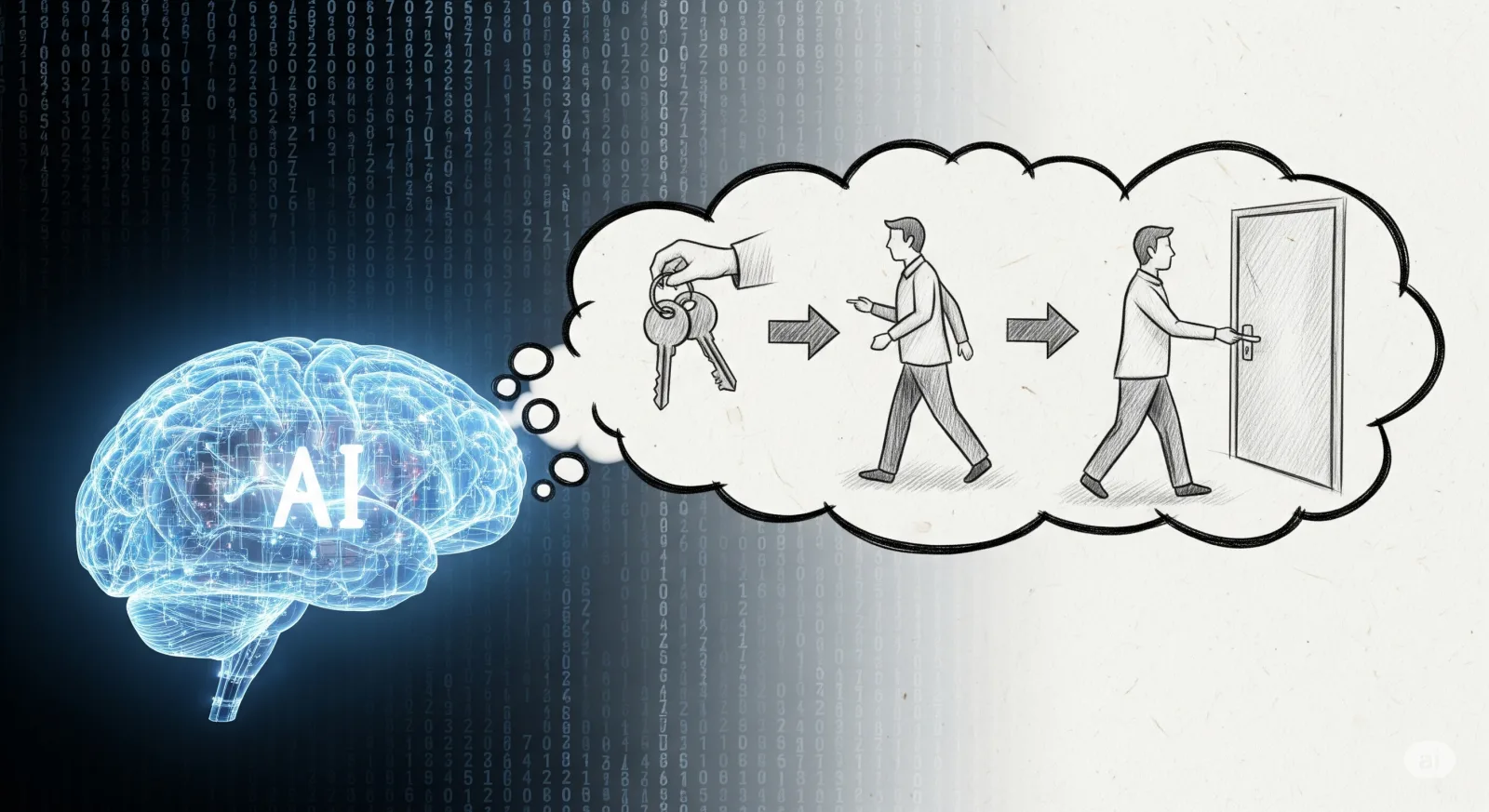
Sketching a Thought: How Mental Imagery Could Unlock Autonomous Machine Reasoning

TL;DR for operators A robot sees a desk. A camera detects a laptop, papers, a bottle of water, and keys. A goal says: “I need the keys to open the door and go out.” A conventional system can match the goal to the object and generate an action. The paper asks for something more ambitious: can the machine then imagine the action sequence as internal sketches, inspect those imagined scenes, and adjust its next steps? ...

July 18, 2025 · 23 min · Zelina