Cover image

From Text to Motion: How Manimator Turns Dense Papers into Dynamic Learning

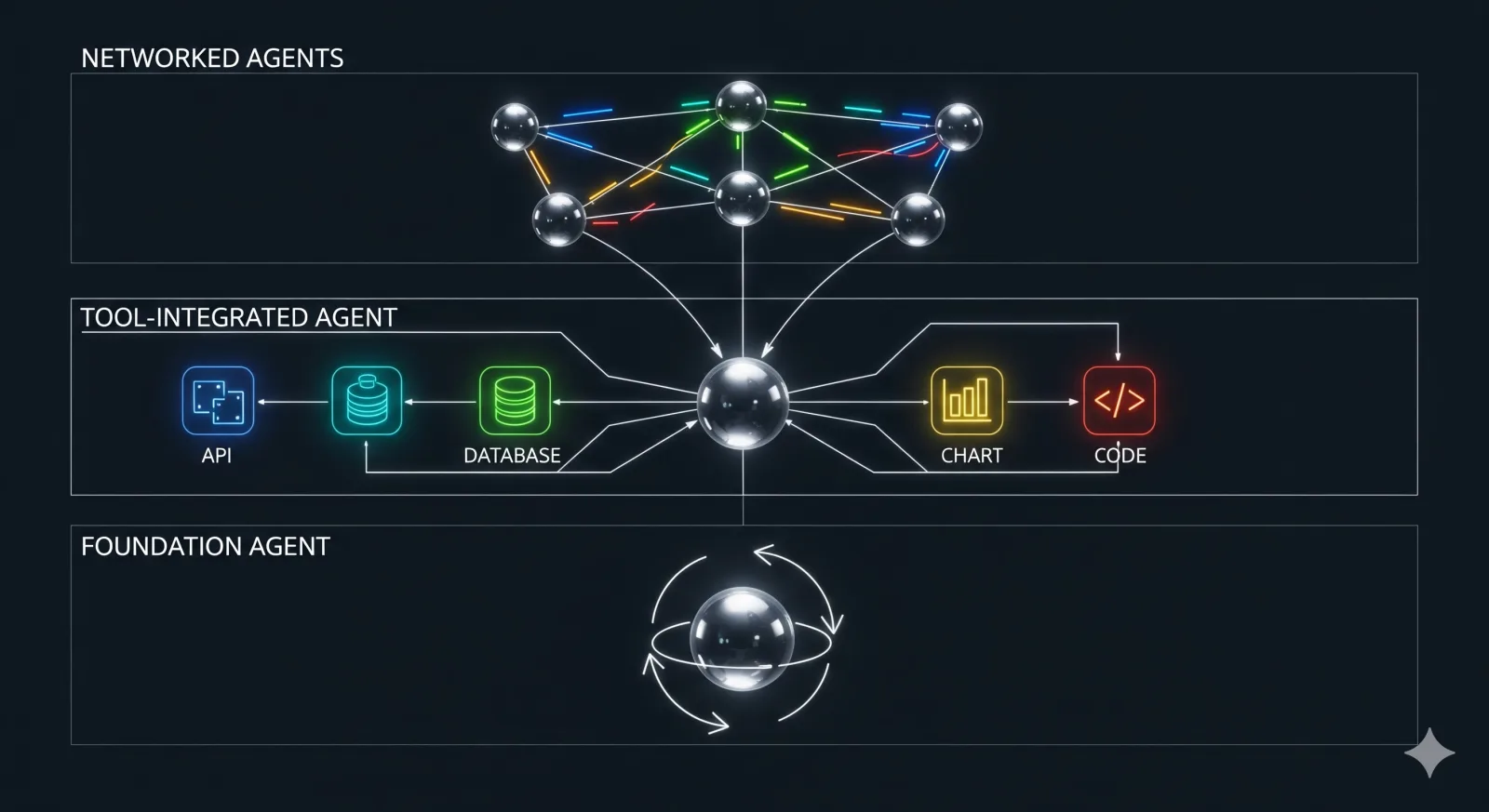
TL;DR for operators Manimator is best understood as a content-production pipeline, not as a magical professor trapped inside a video renderer. The system takes a prompt, PDF, or arXiv ID, asks an LLM to turn it into a structured scene plan, asks a code-focused LLM to generate Manim Python, and then renders the result into an explanatory animation.1 ...

July 22, 2025 · 16 min · Zelina
Cover image

The Butterfly Defect: Diagnosing LLM Failures in Tool-Agent Chains

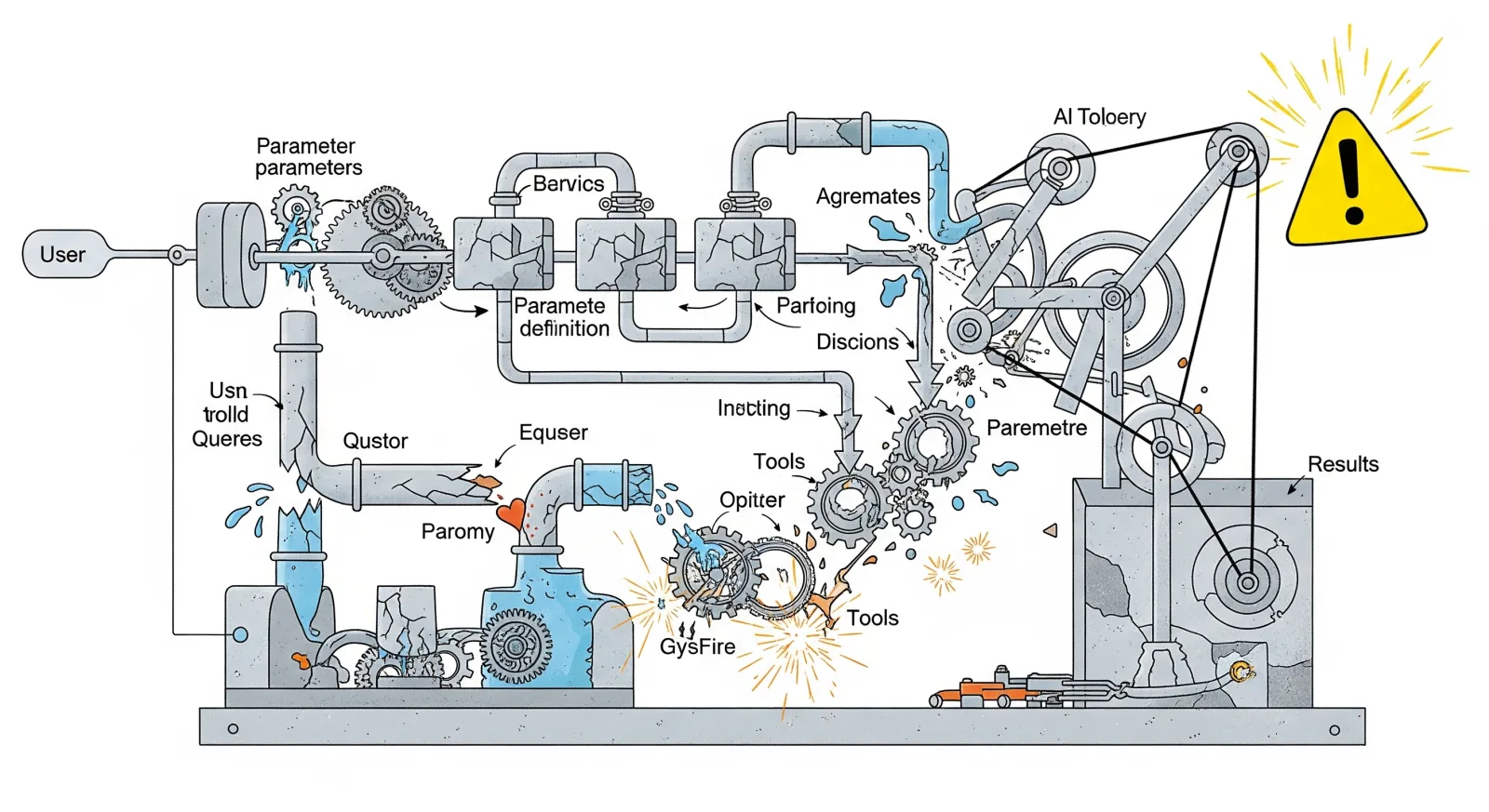
TL;DR for operators Most LLM agent failures are still discussed as if the model had a grand philosophical lapse: bad reasoning, weak planning, insufficient context, not enough “agenticness” sprinkled on top. This paper points to a less glamorous culprit: parameter filling. A tool-agent chain can fail because the model supplies the wrong field name, omits a required value, invents a value not present in the user request, misreads a tool return, or follows a type description that was wrong in the first place.1 ...

July 22, 2025 · 16 min · Zelina
Cover image

Bridges and Biases: How LLMs Are Learning to Inspect Infrastructure

TL;DR for operators Bridge teams do not usually lack data. They lack enough expert time to turn dense inspection data into clear, defensible decisions. That is the operational gap this paper tries to narrow: not by replacing bridge engineers with a chatbot in a hard hat, thankfully, but by using multimodal LLMs to translate non-destructive evaluation contour maps into structured condition assessments and maintenance recommendations.1 ...

July 21, 2025 · 16 min · Zelina
Cover image

Mind the Gap: Fixing the Flaws in Agentic Benchmarking

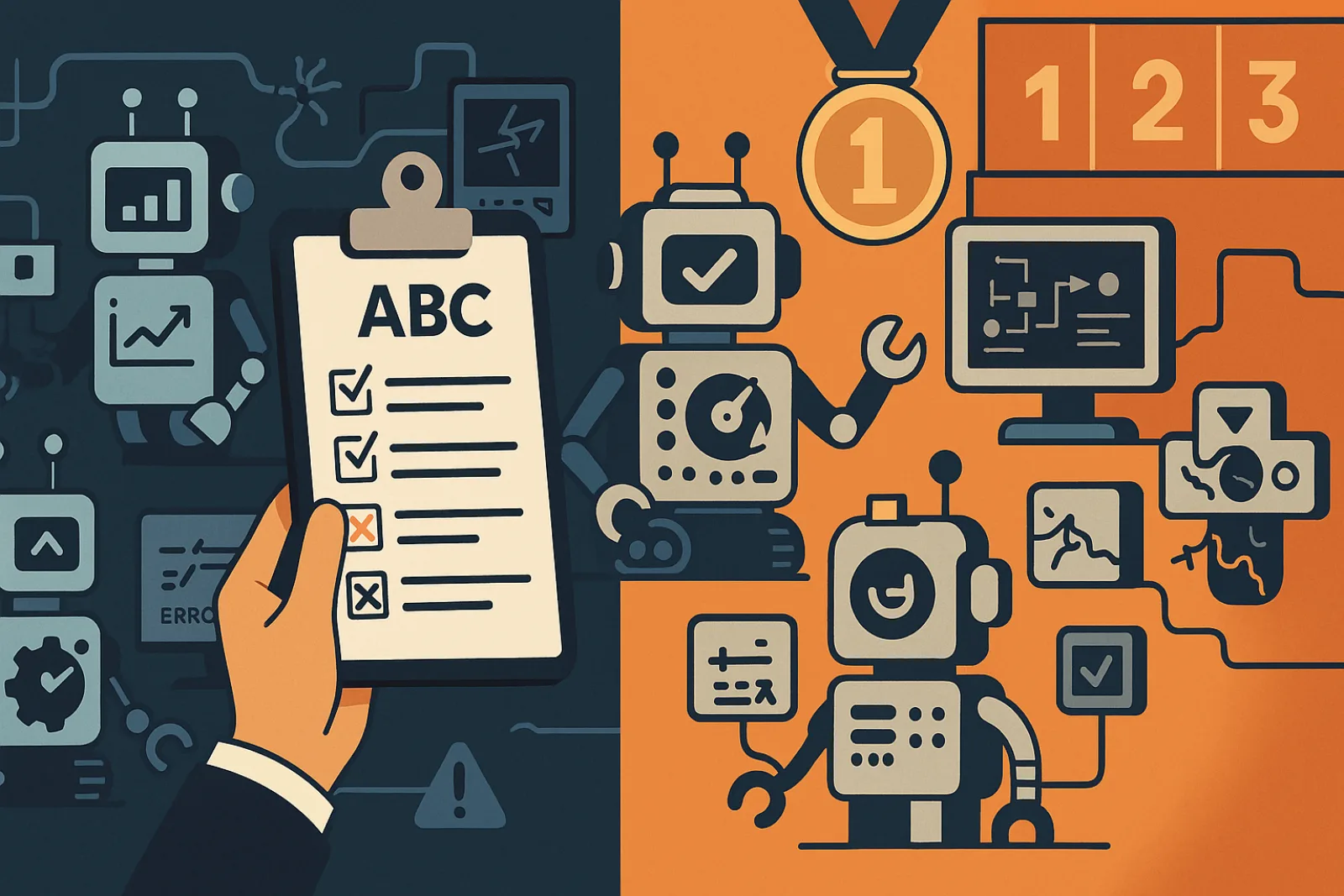
TL;DR for operators Agent benchmark scores are starting to function like procurement documents. They appear in model cards, vendor decks, research claims, and internal build-versus-buy decisions. The awkward finding in this paper is that some of those scores do not measure what buyers think they measure. Zhu et al. introduce the Agentic Benchmark Checklist, or ABC, to audit whether an agentic benchmark has valid tasks, valid outcome grading, and adequate reporting.1 Applying it to ten widely used agentic benchmarks, they find task-validity flaws in seven, outcome-validity flaws in seven, and reporting limitations in all ten. ...

July 4, 2025 · 15 min · Zelina
Cover image

Half-Life Crisis: Why AI Agents Fade with Time (and What It Means for Automation)

TL;DR for operators AI agents may not simply “get worse” on longer tasks. A better mental model is that every additional unit of human-equivalent task time adds another chance for the agent to fail. If that chance is roughly constant, success falls exponentially. That turns a cheerful benchmark number into a much less cheerful deployment number. Under Toby Ord’s constant-hazard interpretation of METR’s long-task data, an agent’s 50% success time horizon is its “half-life”: the point where half of attempts still succeed and half have already failed.1 The awkward part is what happens when a business needs 80%, 90%, or 99% reliability rather than a coin toss with better branding. ...

May 11, 2025 · 17 min · Zelina
Cover image

Body of Proof: Why Embodied AI Needs More Than One Mind

TL;DR for operators A robot that works alone is already expensive, brittle, and rude to your maintenance budget. A group of robots that must work together adds a different class of difficulty: timing, communication, role allocation, shared perception, physical interference, changing team composition, and the occasional human wandering into the scene with a clipboard. ...

May 9, 2025 · 15 min · Zelina
Cover image

Evolving Beyond Bottlenecks: How Agentic Workflows Revolutionize Optimization

TL;DR for operators Optimization work usually looks technical from the outside: equations, solvers, constraints, tolerances, and someone quietly muttering about convergence. Inside the business, the real bottleneck is often less glamorous. Someone has to decide what the problem actually is, how to formulate it, which algorithm to try, which hyperparameters to tune, and whether the resulting answer is useful or merely mathematically decorative. ...

May 8, 2025 · 15 min · Zelina
Cover image

How AI-Powered Automation SaaS Can Reshape Real Estate Brokerage in Southeast Asia

TL;DR for operators AI-powered SaaS will not reshape Southeast Asian real estate brokerage by “replacing agents.” That theory keeps returning because it looks tidy in pitch decks and behaves terribly in actual markets. Brokerage in the region is fragmented, multilingual, trust-driven, and deeply dependent on informal channels: Facebook posts, Viber groups, WhatsApp threads, Telegram broadcasts, phone calls, referrals, and the occasional spreadsheet that has survived three managers and one office flood. ...

March 23, 2025 · 13 min · Zelina
Cover image

Beyond Words: How Transformer Models Are Revolutionizing SaaS for Small Businesses

TL;DR for operators Transformer models are not merely better autocomplete. Their useful contribution to small-business SaaS is that they let software handle context: the reason an invoice line matters, the connection between a customer email and an order record, the seasonal pattern inside sales history, or the hidden dependency between a field report and a compliance checklist. ...

March 21, 2025 · 17 min · Zelina