Cover image

Mind the Gap: How AI Papers Misuse Psychology

TL;DR for operators AI teams love borrowing psychology. It gives messy model behaviour a tidy name: “reasoning,” “empathy,” “Theory of Mind,” “bias,” “motivation,” “attention.” The problem is that a borrowed label is not the same as a valid construct. A new paper, The Incomplete Bridge: How AI Research (Mis)Engages with Psychology, studies this borrowing directly by mapping 1,006 LLM-related papers from major AI venues and the 2,544 psychology papers they cite.1 ...


July 31, 2025 · 21 min · Zelina
Cover image

Mirage Agents: When LLMs Act on Illusions

TL;DR for operators LLM agents do not merely hallucinate by saying false things. They hallucinate when they act on a version of the world that does not match the task, the history, or the screen in front of them. That is the useful idea in MIRAGE-Bench: it treats agent hallucination as context-unfaithful action. The agent may click a button that is not there, assume a page transition succeeded when it did not, answer a colleague’s question with invented information, submit code despite failed tests, or report success when the environment says otherwise. Very industrious. Very confident. Very much not what you want near production systems. ...

July 29, 2025 · 19 min · Zelina
Cover image

Tools of Thought: Why Reasoning Isn’t an Illusion After All

TL;DR for operators The useful question is not whether reasoning models “really think”. That debate is charming, mostly because it lets everyone pretend a benchmark table is a metaphysics seminar. The operational question is simpler: when you give a reasoning model the same tools as a non-reasoning model, does it use them better? ...

July 24, 2025 · 14 min · Zelina
Cover image

Mirror, Mirror in the Model: How MLLMs Learn from Their Own Mistakes

TL;DR for operators Image generators fail in a familiar way: the output looks polished, but the prompt was quietly ignored. A product photo misses the specified texture. A campaign image reverses a spatial relation. A science illustration draws the visually plausible version, not the physically correct one. Everyone then discovers, with appropriate corporate surprise, that “high quality” and “correct” are not synonyms. ...

July 23, 2025 · 20 min · Zelina
Cover image

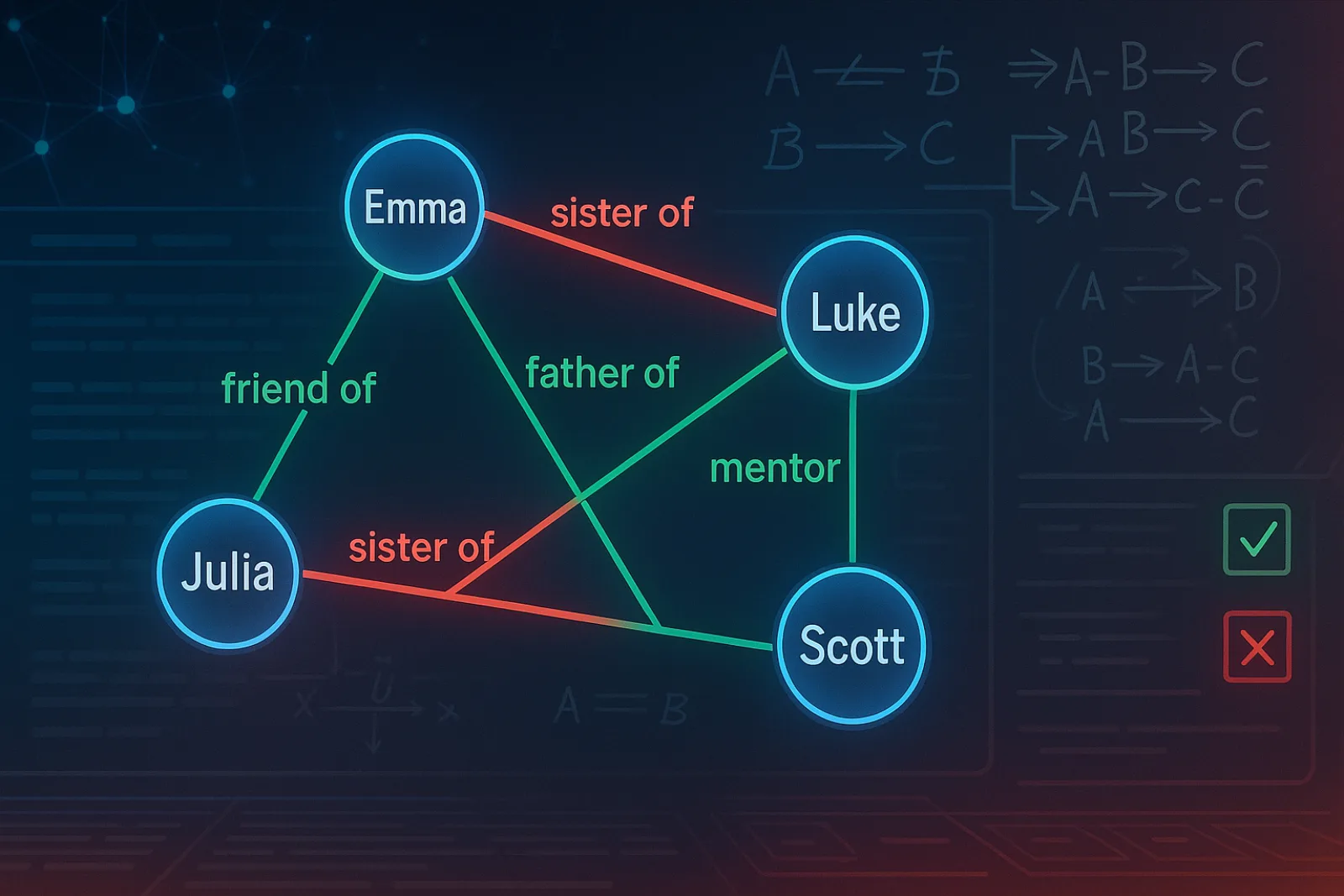
LLMs Meet Logic: SymbolicThought Turns AI Relationship Guesswork into Graphs

TL;DR for operators SymbolicThought1 is a useful reminder that relationship extraction is not a vibes problem. It is a graph problem wearing a language-model costume. The paper proposes a human-in-the-loop system for extracting character relationships from narrative text. The pipeline lets an LLM propose characters and relations, then applies symbolic rules to infer missing edges, detect contradictions, retrieve supporting evidence, and ask humans to confirm or correct what matters. That is the important mechanism: the LLM is not trusted as a final judge. It is treated as a noisy extractor inside a controlled annotation workflow. ...

July 12, 2025 · 15 min · Zelina
Cover image

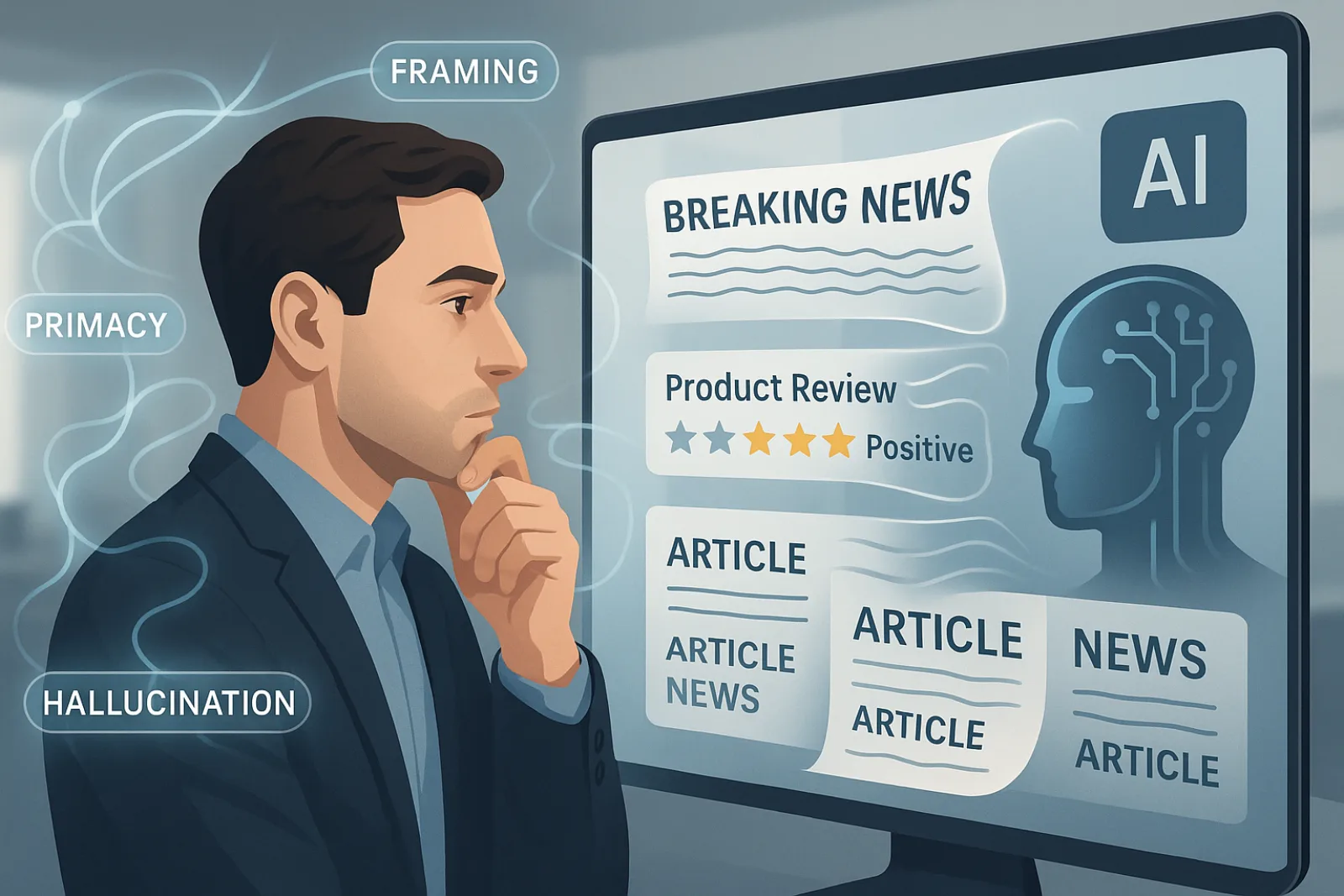
Mind Games: How LLMs Subtly Rewire Human Judgment

TL;DR for operators When an LLM summarises a review, policy memo, support ticket, medical note, or news item, the operational question is not only “Did it get the facts right?” The sharper question is: did it change what the user is likely to believe, prioritise, or buy? The paper behind this article studies exactly that problem. It treats LLM-generated content as a decision interface and measures three ways the interface can quietly bend human judgment: changing the sentiment frame of the source, overemphasising the beginning of the source, and fabricating confident answers for events beyond the model’s knowledge cutoff.1 ...

July 8, 2025 · 19 min · Zelina
Cover image

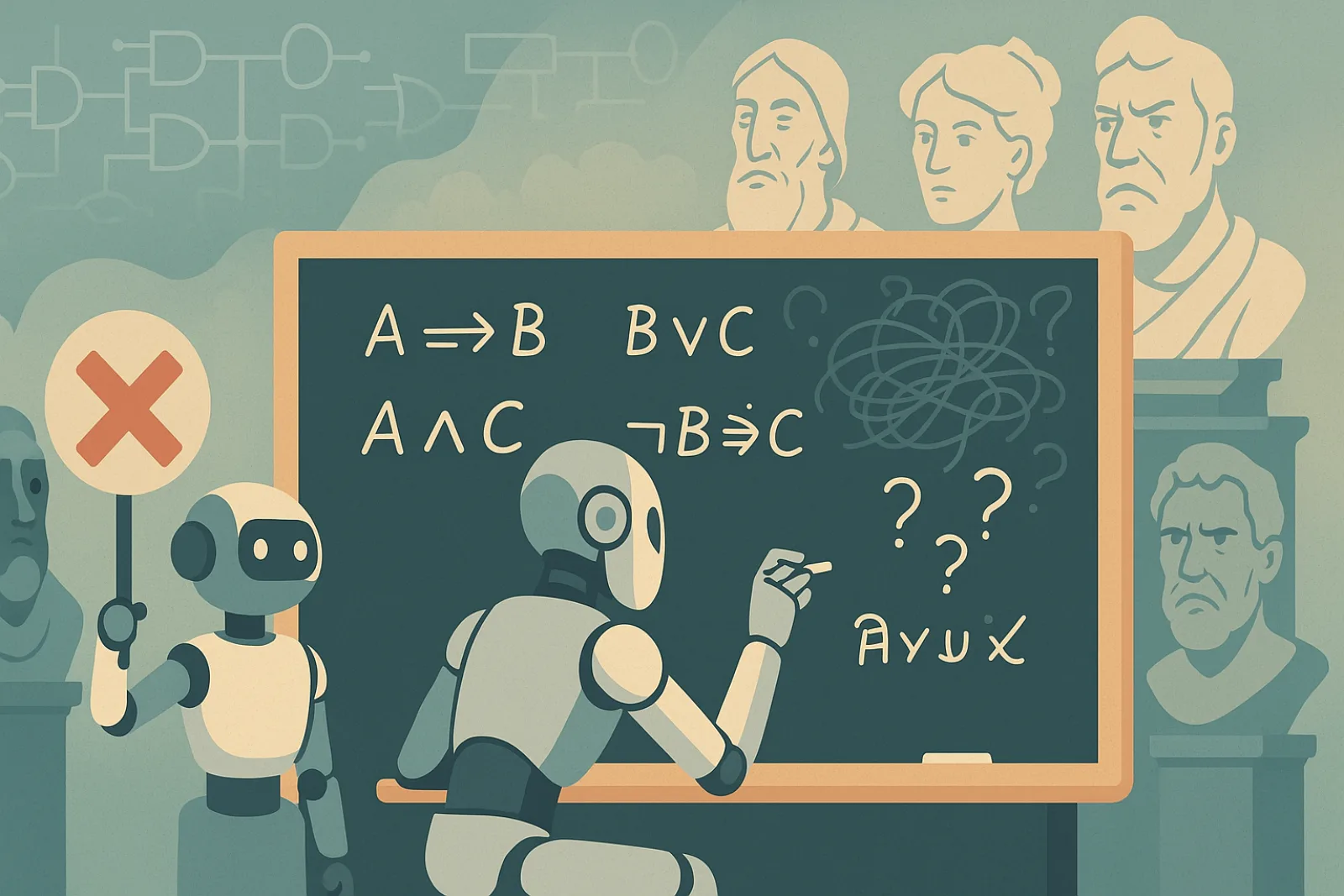
Proofs and Consequences: How Math Reveals What AI Still Doesn’t Know

TL;DR for operators Mathematical proof is a nasty evaluation setting for AI systems because it leaves fewer hiding places. A model cannot merely land on a final number; it has to preserve the truth of each step. That is precisely why Guo et al.’s RFMDataset is useful: it tests whether advanced reasoning models can construct complete natural-language proofs, then classifies how they fail when they cannot.1 ...

June 23, 2025 · 18 min · Zelina
Cover image

Good Bot, Bad Reward: Fixing Feedback Loops in Vision-Language Reasoning

TL;DR for operators The useful lesson is not that vision-language models need longer reasoning traces. They already produce plenty of words. Some of them are even adjacent to thought. The useful lesson is that multimodal systems need feedback that can tell where a reasoning path breaks, not merely whether the final answer looks acceptable. ...

June 13, 2025 · 15 min · Zelina
Cover image

Reflections in the Mirror Maze: Why LLM Reasoning Isn't Quite There Yet

TL;DR for operators Adding “reasoning” to an LLM agent is not the same as making it reason better. Wong et al. test four open-source models across dynamic SmartPlay tasks using a baseline prompt, reflection, reflection plus an Oracle that mutates heuristics, and reflection plus a Planner that simulates short future trajectories.1 The clean result is not “planning wins” or “bigger models win.” The result is more annoying, therefore more useful: the same scaffold can be a booster, a distraction, or a failure amplifier. ...

May 17, 2025 · 15 min · Zelina
Cover image

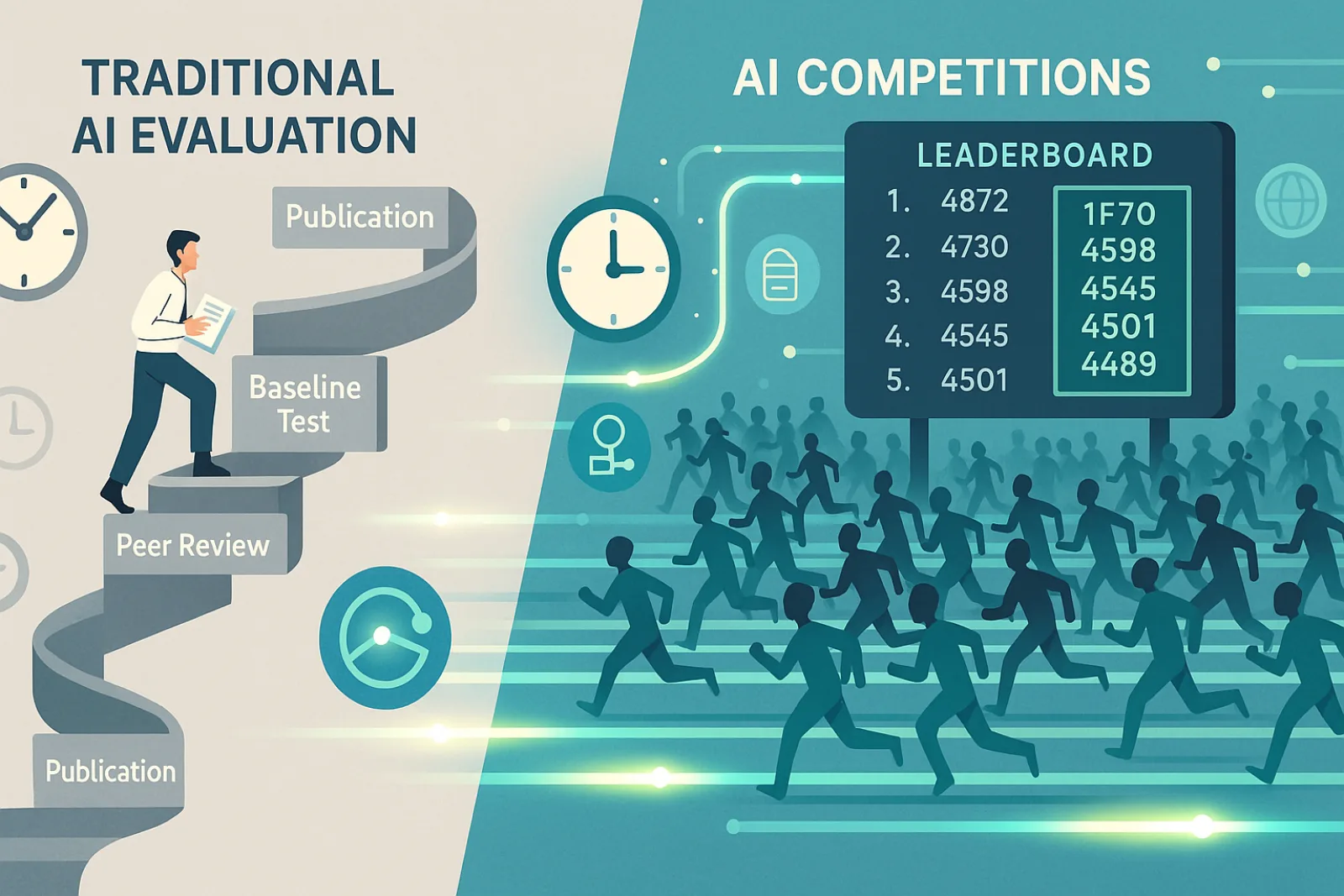
Raising the Bar: Why AI Competitions Are the New Benchmark Battleground

TL;DR for operators A model score is not a certificate. It is a timestamp. That is the operational message of D. Sculley and co-authors’ position paper on GenAI evaluation.1 Their argument is not that every static benchmark is useless, nor that competitions are magical truth machines with leaderboards attached. The argument is sharper: GenAI has broken the old bargain behind machine-learning evaluation. ...

May 3, 2025 · 17 min · Zelina