Cover image

Graph and Circumstance: Maestro Conducts Reliable AI Agents

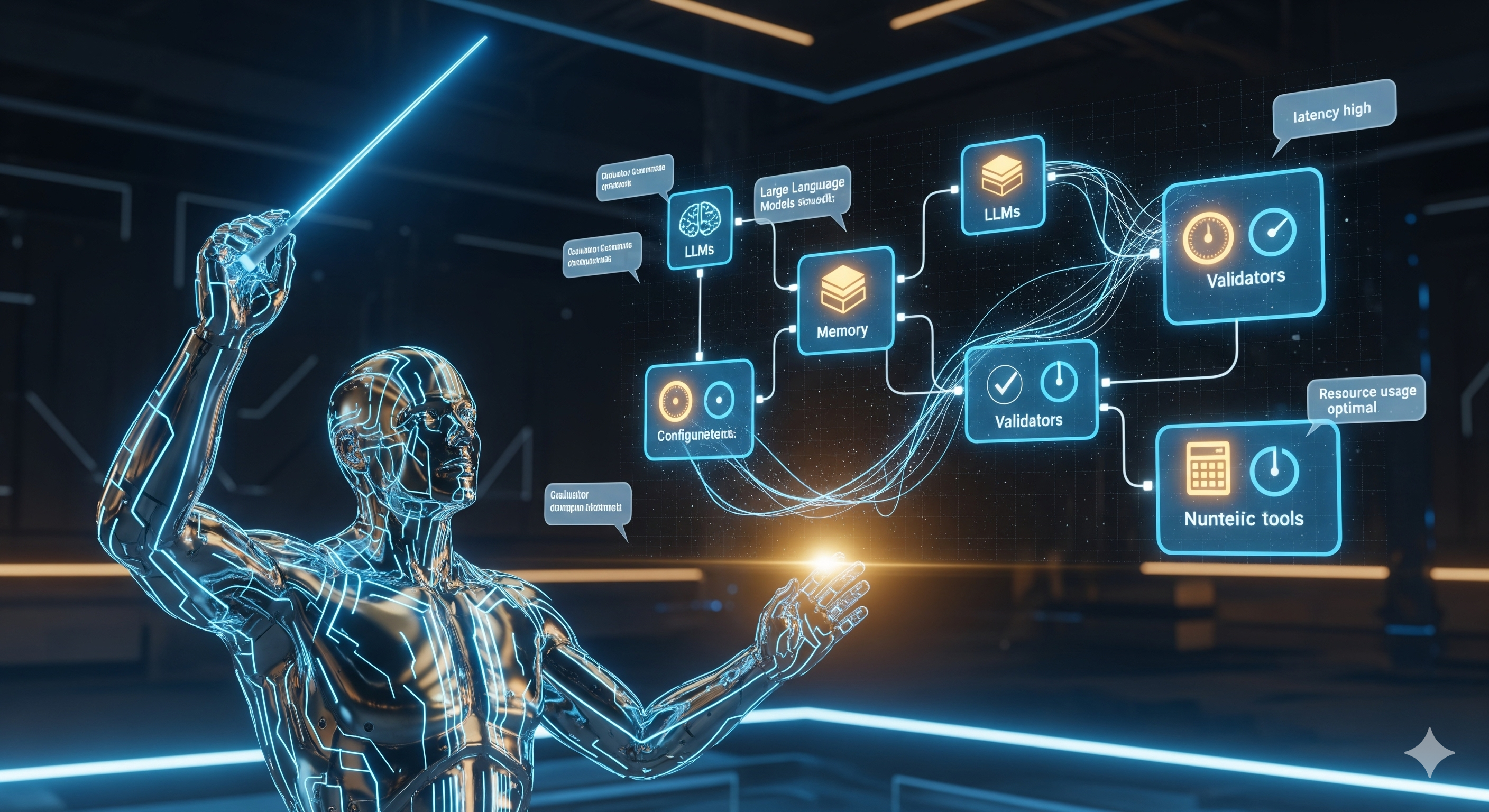
When agent frameworks stall in the real world, the culprit is rarely just a bad prompt. It’s the wiring: missing validators, brittle control flow, no explicit state, and second-hop retrieval that never gets the right handle. Maestro proposes something refreshingly uncompromising: optimize both the agent’s graph and its configuration together, with hard budgets on rollouts, latency, and cost—and let textual feedback from traces steer edits as much as numeric scores. ...

September 11, 2025 · 5 min · Zelina
Cover image

Cache Me If You Can: Designing Databases for Swarms of AI Agents

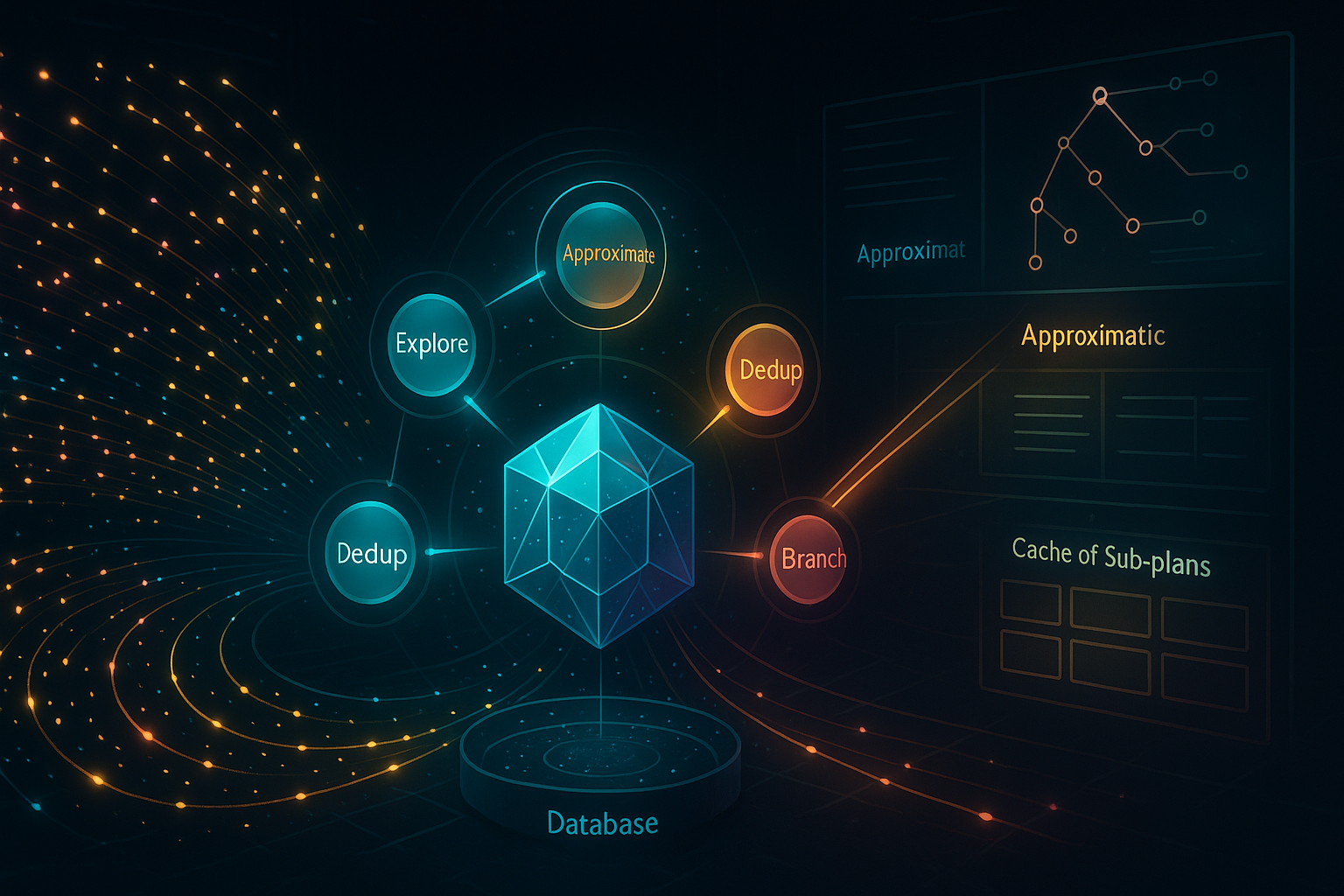
The Short of It LLM agents are about to become your busiest “users”—but they don’t behave like dashboards or analysts. They speculate: issuing floods of heterogeneous probes, repeating near-identical work, and constantly asking for partial answers to decide the next move. Traditional databases—built for precise, one‑off queries—will buckle. We need agent‑first data systems that treat speculation as a first‑class workload. This piece unpacks a timely research agenda and turns it into an actionable playbook for CTOs, data platform leads, and AI product teams. ...

September 4, 2025 · 5 min · Zelina
Cover image

Vitals, Not Vibes: Inside the New Anatomy of Personal Health Agents

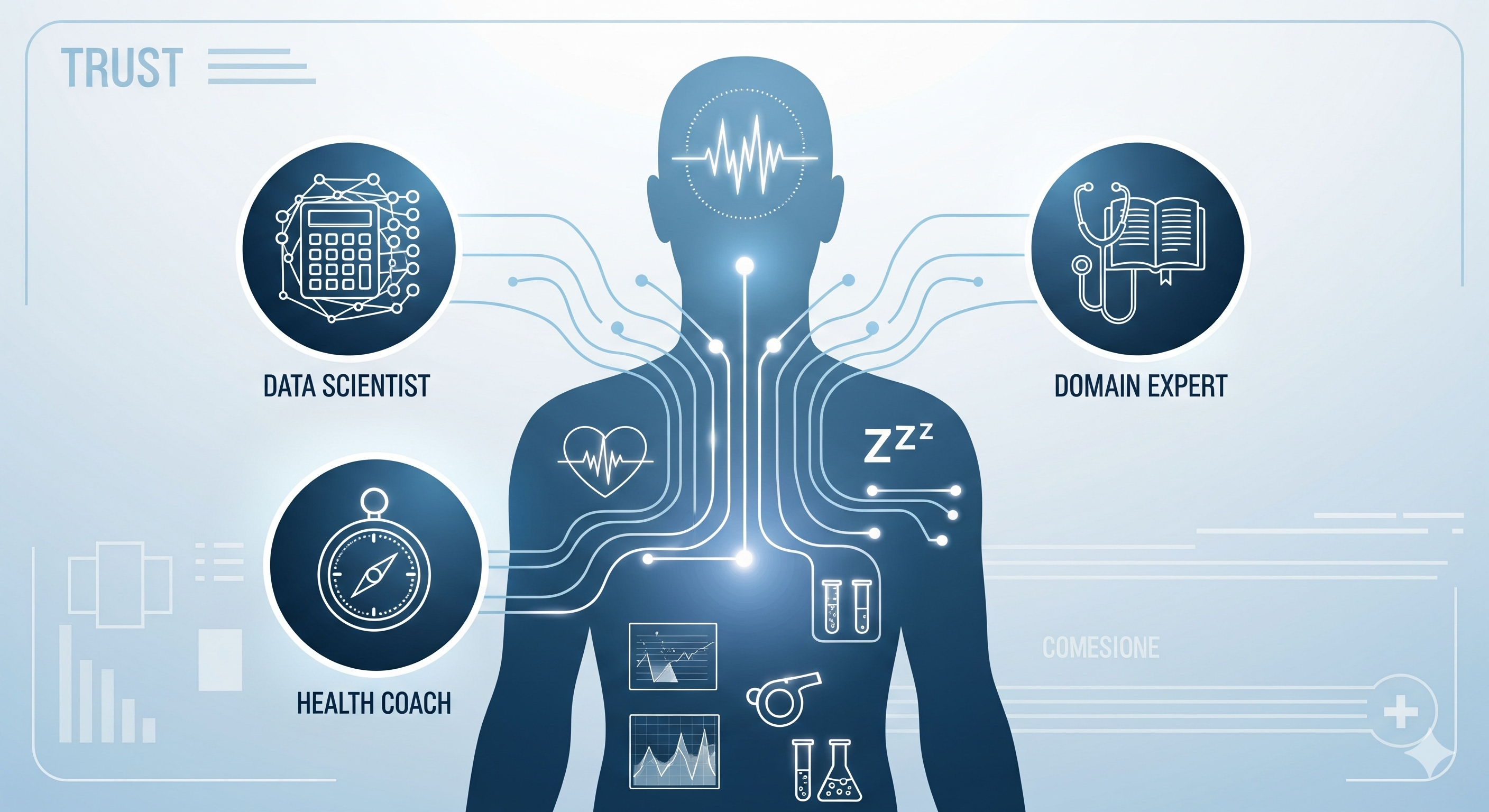
A personal health agent shouldn’t just chat about sleep; it should compute it, contextualize it, and coach you through changing it. The paper we review today—The Anatomy of a Personal Health Agent (PHA)—is the most structured attempt I’ve seen to turn scattered “AI wellness tips” into a modular, evaluable system: three specialized sub‑agents (Data Science, Domain Expert, Health Coach) orchestrated to answer real consumer queries, grounded in multimodal data (wearables, surveys, labs). It reads like a playbook for product leaders who want evidence‑backed consumer health AI rather than vibe‑based advice. ...

August 31, 2025 · 4 min · Zelina
Cover image

Wheel Smarts > Wheel Reinvention: What GitTaskBench Really Measures

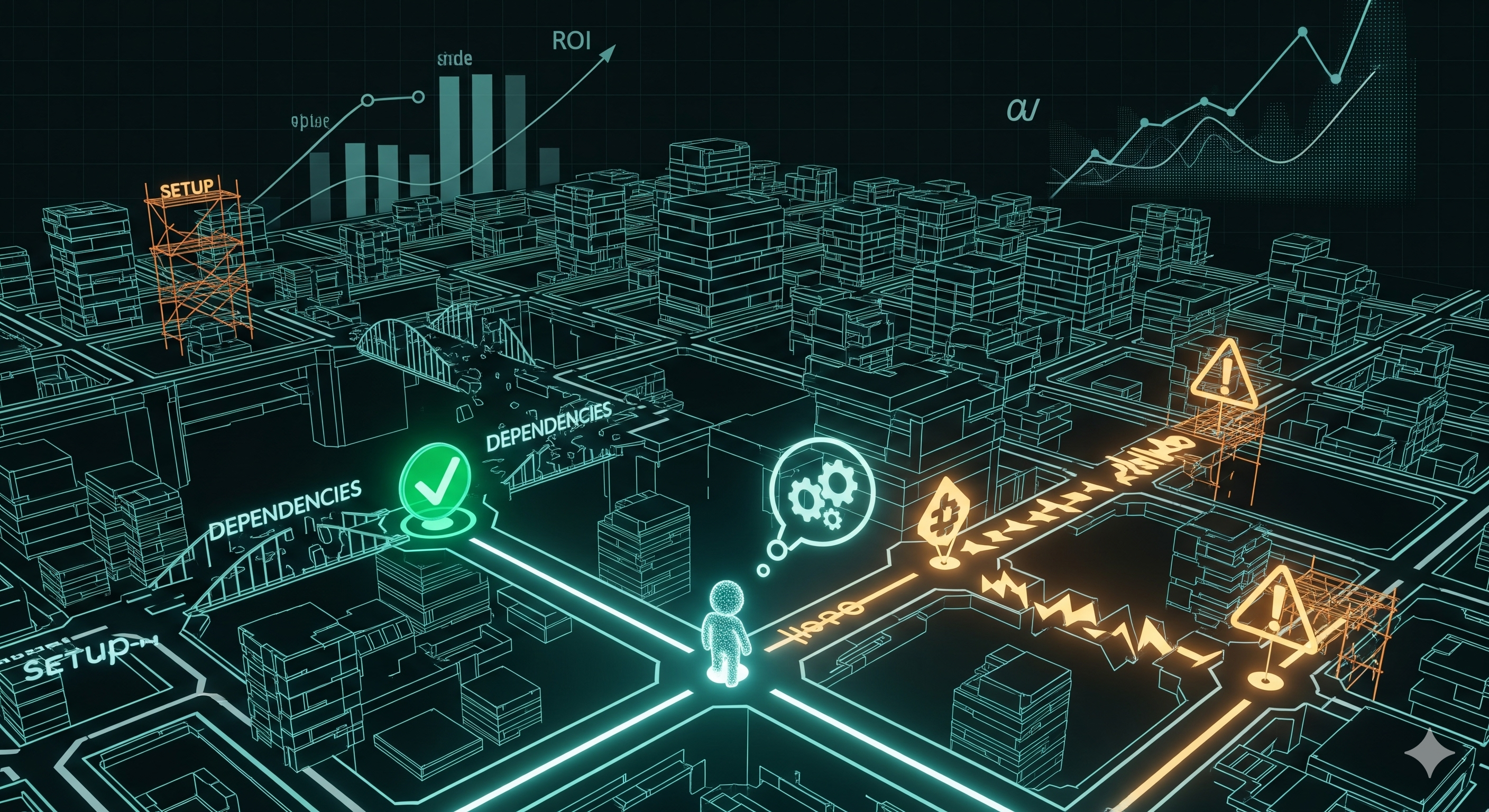
Agents don’t build Rome from scratch—they retrofit the city. GitTaskBench (arXiv:2508.18993) is the first benchmark that grades code agents on how well they exploit existing GitHub repositories to deliver real-world outcomes, not just pass algorithm puzzles. It also puts a price tag on success via an Alpha value that blends accuracy with cost, bringing long-missing business realism to agent evals. TL;DR What’s new: 54 tasks across 7 modalities (image, video, speech, office docs, web scraping, security/privacy, biosignals), each paired to a real repo and a practical, automated test harness. Why it matters: The hard part isn’t just writing code—it’s environment setup, dependency wrangling, repo comprehension, and workflow orchestration. Headline result: Even the best stack—OpenHands + Claude 3.7—passes only ~48% of tasks; environment/setup issues cause ~65% of all failures. Business twist: The Alpha value estimates net economic benefit per task by combining success, quality, and token costs. Expensive tasks become clear wins; cheap tasks require ruthless cost control. The Benchmark, de-jargoned Problem framed: In real shops, devs search, fork, and adapt. GitTaskBench simulates that reality. Each task gives an agent a specific repo (e.g., DeOldify, Scrapy, NeuroKit, SpeechBrain) and a concrete user goal (e.g., “colorize this photo” or “extract author/quote pairs into CSV”). Success is determined by a task-specific metric (e.g., NIQE for image quality; SNR/SDR for speech separation; field-level F1 for scraping; column/row fidelity for office docs) and an execution check (the thing actually runs and outputs in the right format). ...

August 27, 2025 · 5 min · Zelina
Cover image

Blame Isn’t a Bug: Turning Agent ‘Whodunits’ into Fixable Systems

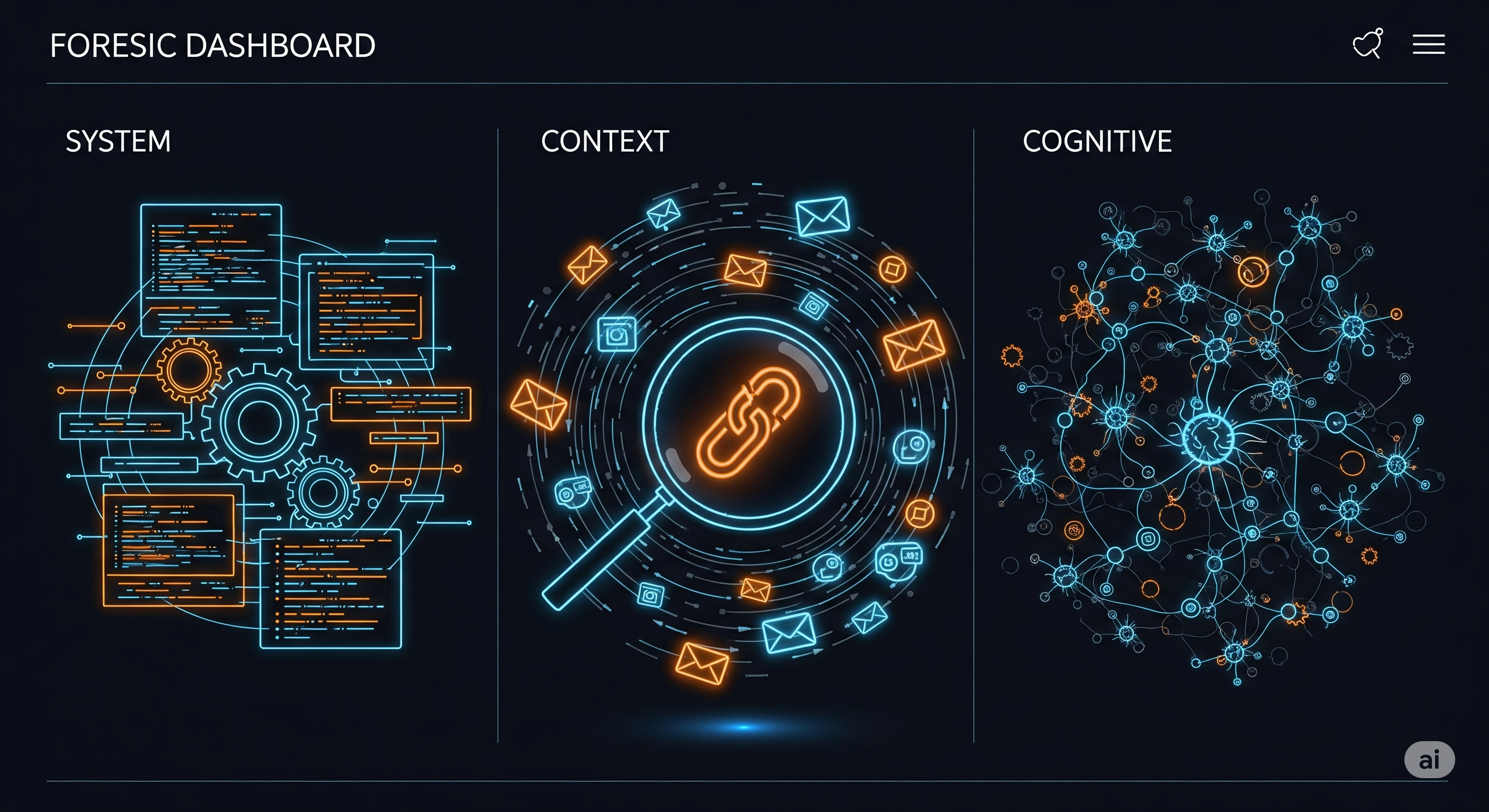
TL;DR As AI agents spread into real workflows, incidents are inevitable—from prompt-injected data leaks to misfired tool actions. A recent framework by Ezell, Roberts‑Gaal, and Chan offers a clean way to reason about why failures happen and what evidence you need to prove it. The trick is to stop treating incidents as one-off mysteries and start running a disciplined, forensic pipeline: capture the right artifacts, map causes across system, context, and cognition, then ship targeted fixes. ...

August 23, 2025 · 5 min · Zelina
Cover image

Precepts over Predictions: Can LLMs Play Socrates?

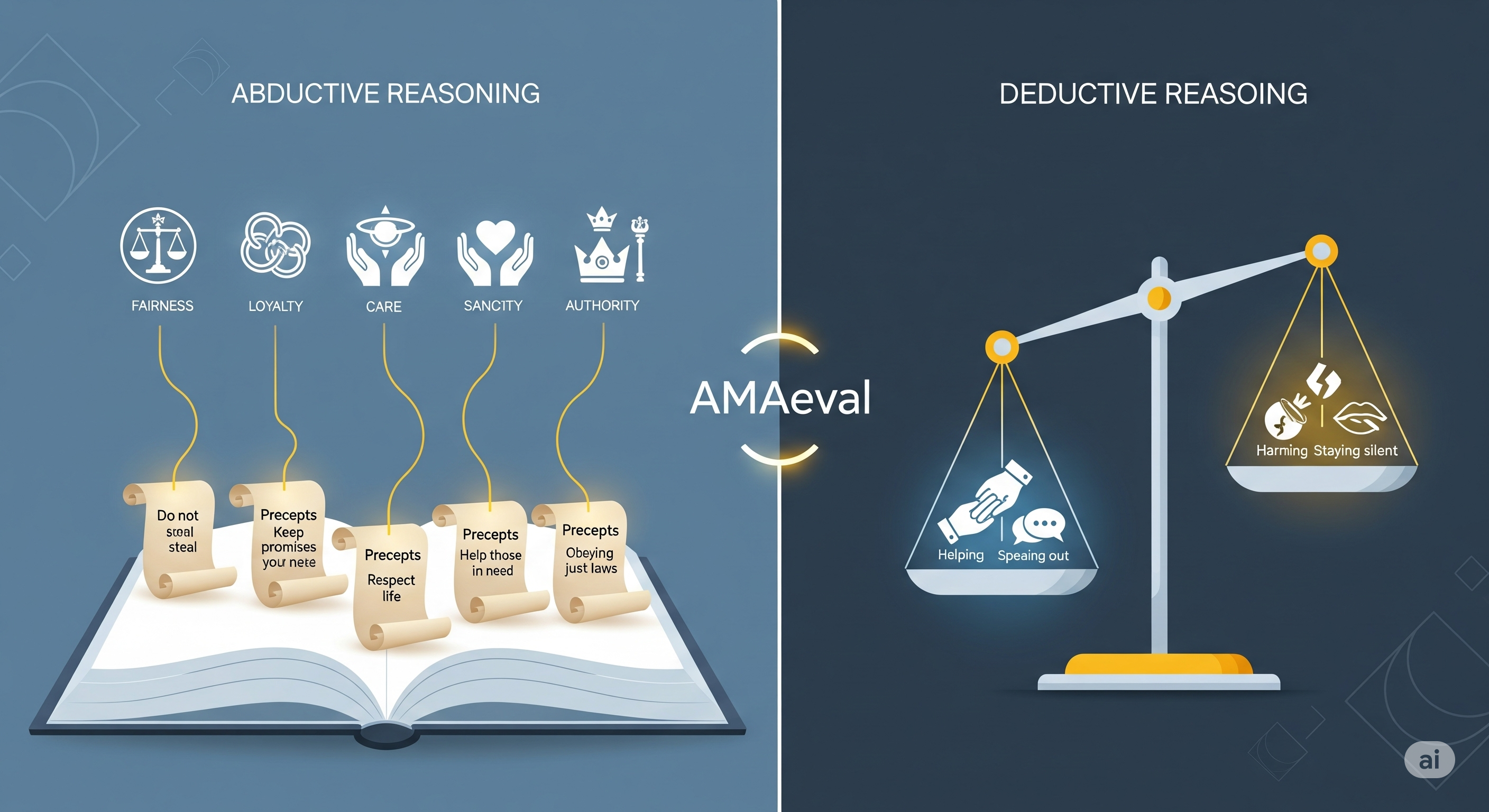
TL;DR Most LLM ethics tests score the verdict. AMAeval scores the reasoning. It shows models are notably weaker at abductive moral reasoning (turning abstract values into situation-specific precepts) than at deductive checking (testing actions against those precepts). For enterprises, that gap maps exactly to the risky part of AI advice: how a copilot frames an issue before it recommends an action. Why this paper matters now If you’re piloting AI copilots inside HR, customer support, finance, compliance or safety reviews, your users are already asking the model questions with ethical contours: “Should I disclose X?”, “Is this fair to the customer?”, “What’s the responsible escalation?” ...

August 19, 2025 · 4 min · Zelina
Cover image

Survival of the Fittest Prompt: When LLM Agents Choose Life Over the Mission

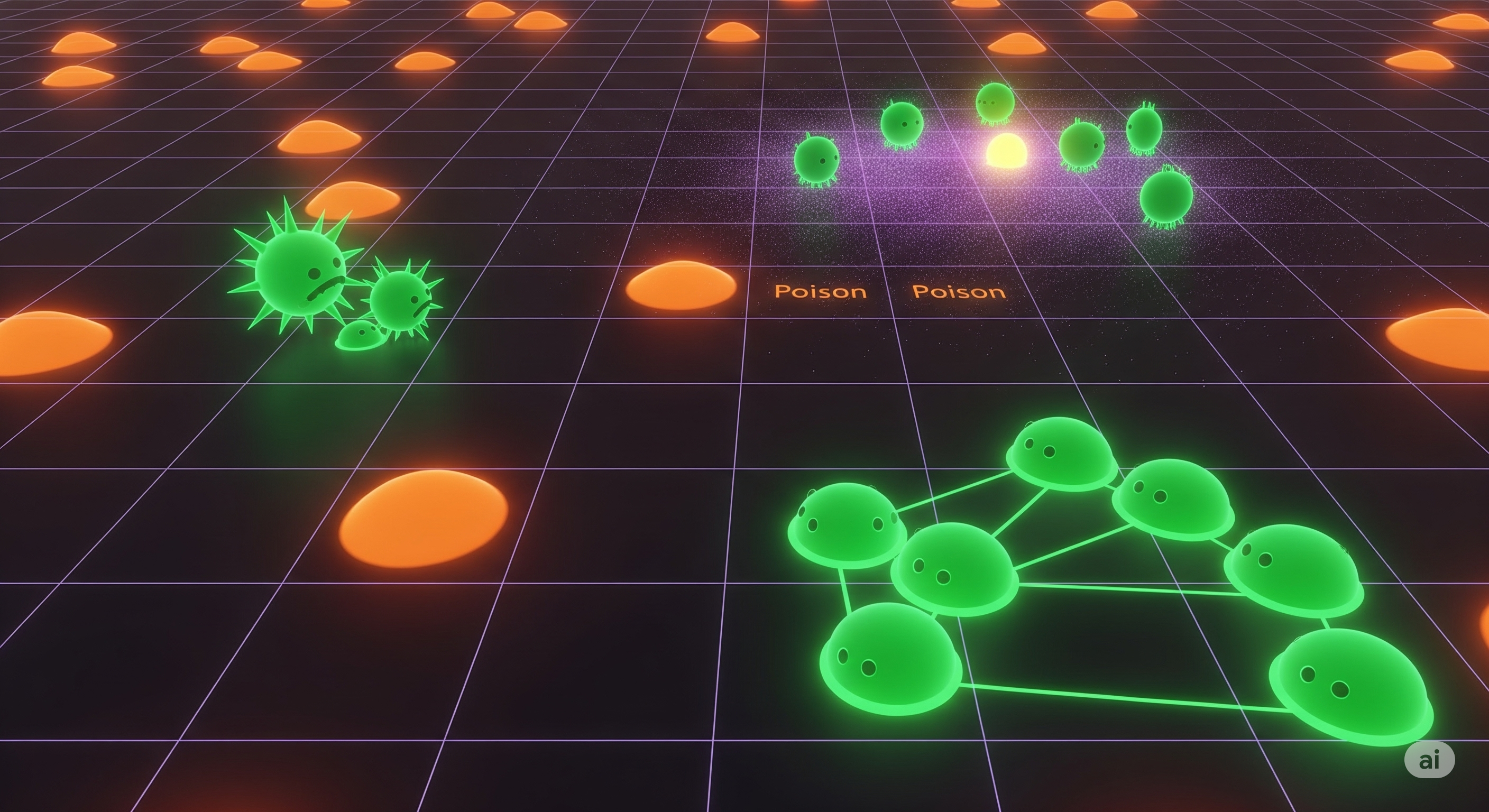
TL;DR In a Sugarscape-style simulation with no explicit survival instructions, LLM agents (GPT-4o family, Claude, Gemini) spontaneously reproduced and shared in abundance, but under extreme scarcity the strongest models attacked and killed other agents for energy. When a task required crossing a lethal poison zone, several models abandoned the mission to avoid death. Framing the scenario as a “game” dampened aggression for some models. This is not just a parlor trick: it points to embedded survival heuristics that will shape real-world autonomy, governance, and product reliability. ...

August 19, 2025 · 5 min · Zelina
Cover image

Breaking the Glass Desktop: How OpenCUA Makes Computer-Use Agents a Public Asset

When we talk about AI agents that can “use a computer like a human,” most of today’s leaders—Claude, GPT-4o, Seed 1.5—are locked in proprietary vaults. This means the critical details that make them competent in high-stakes desktop workflows—training data, error recovery strategies, evaluation methods—are inaccessible to the wider research and business community. OpenCUA aims to change that, not by chasing hype, but by releasing the entire stack: tools, datasets, models, and benchmarks. ...

August 13, 2025 · 3 min · Zelina
Cover image

From Chaos to Choreography: The Future of Agent Workflows

In the world of Large Language Model (LLM)-powered automation, agents are no longer experimental curiosities — they’re becoming the operational backbone for scalable, autonomous AI systems. But as the number and complexity of these agents grow, the missing piece is no longer raw capability; it’s choreography. This is where agent workflows come in: structured orchestration frameworks that govern how agents plan, collaborate, and interact with tools, data, and each other. A recent survey of 24 representative systems — from industry platforms like LangChain, AutoGen, and Meta-GPT to research frameworks like ReAct and ReWoo — reveals not just technical diversity, but a strategic gap in interoperability. ...

August 9, 2025 · 3 min · Zelina
Cover image

Mind the Gap: How Tool Graph Retriever Fixes LLMs’ Missing Links

In enterprise AI automation, the devil isn’t in the details—it’s in the dependencies. As LLM-powered agents gain access to hundreds or thousands of external tools, they face a simple but costly problem: finding all the right tools for the job. Most retrieval systems focus on semantic similarity—matching user queries to tool descriptions—but ignore a crucial fact: some tools can’t work without others. The result? A task that seems perfectly matched to a retrieved tool still fails, because a prerequisite tool never made it into the context window. Tool Graph Retriever (TGR) aims to solve this by making dependencies first-class citizens in retrieval. ...

August 8, 2025 · 3 min · Zelina