Cover image

When More Becomes Smarter: The Unreasonable Effectiveness of Scaling Agents

Desktops are where AI ambition goes to discover gravity. A chatbot can sound competent in one turn. A coding assistant can look brilliant inside a bounded file. But ask an agent to use a real computer for a long task — open the right app, edit the right file, preserve formatting, notice a pop-up, verify the final state, and not confidently click itself into a small administrative tragedy — and the problem changes. Intelligence is no longer a single answer. It is a chain of actions, each one able to quietly poison the next. ...

October 9, 2025 · 15 min · Zelina
Cover image

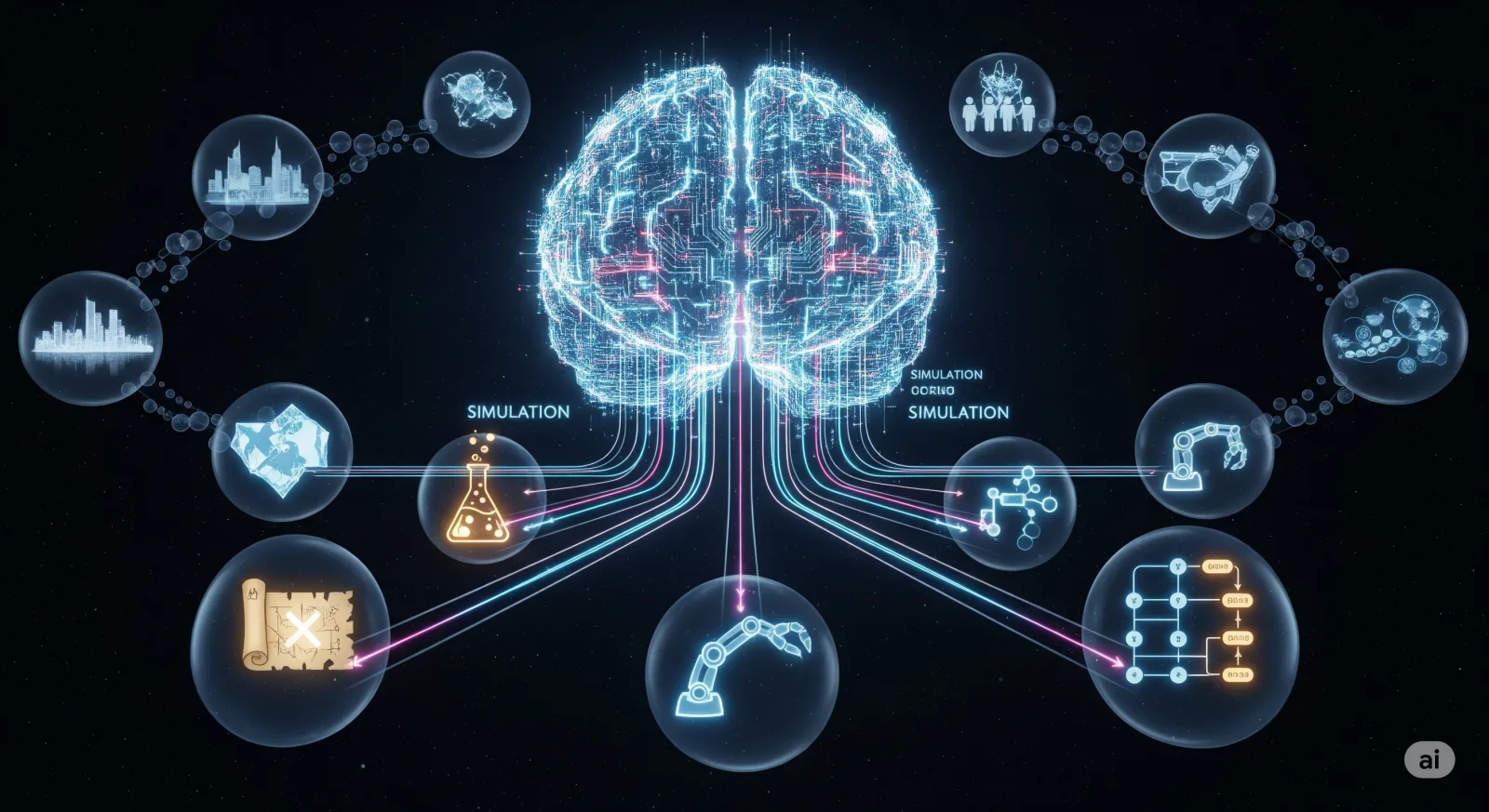
Mind's Eye for Machines: How SimuRA Teaches AI to Think Before Acting

TL;DR for operators SimuRA is an agent architecture that asks a simple operational question: before an AI agent clicks, searches, filters, submits, or replies, can it cheaply rehearse what might happen next?1 Not in a poetic “the machine imagines” sense, please calm down. In a practical sense: generate candidate actions, simulate their likely outcomes in a compact internal state, score those futures against the goal, and only then execute the first concrete action. ...

August 2, 2025 · 15 min · Zelina
Cover image

Mirage Agents: When LLMs Act on Illusions

TL;DR for operators LLM agents do not merely hallucinate by saying false things. They hallucinate when they act on a version of the world that does not match the task, the history, or the screen in front of them. That is the useful idea in MIRAGE-Bench: it treats agent hallucination as context-unfaithful action. The agent may click a button that is not there, assume a page transition succeeded when it did not, answer a colleague’s question with invented information, submit code despite failed tests, or report success when the environment says otherwise. Very industrious. Very confident. Very much not what you want near production systems. ...

July 29, 2025 · 19 min · Zelina