Cover image

Forgetting by Remembering: A Smarter Path to Machine Unlearning

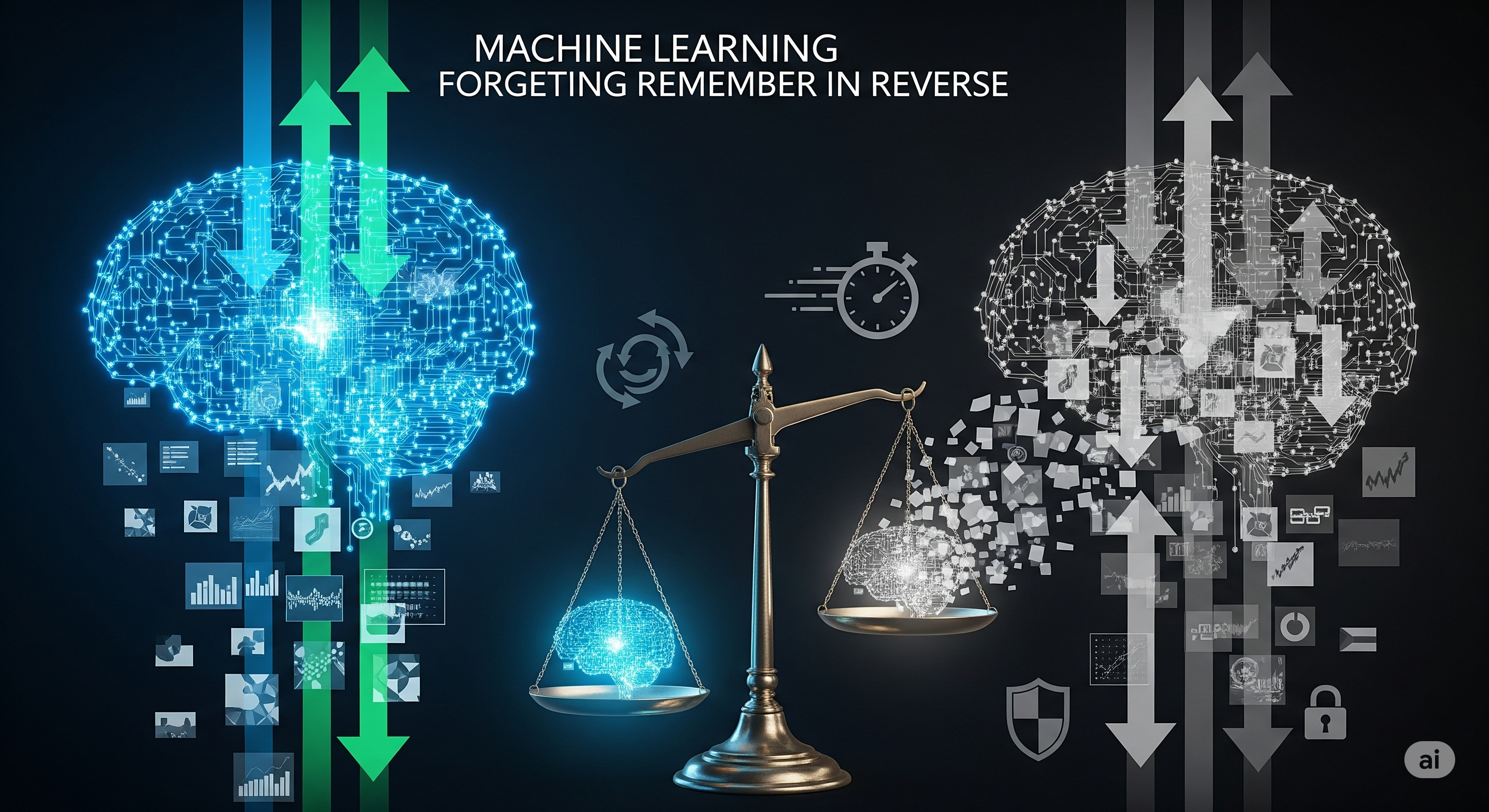
Why is forgetting in machine learning harder than learning? A new paper offers a surprisingly elegant answer: it doesn’t have to be — if you rethink forgetting as a form of remembering in reverse. In “Efficient Machine Unlearning via Influence Approximation,” Liu et al. turn a long-standing problem — how to make a machine learning model forget specific training data — into a tractable and efficient task by reframing it through the lens of incremental learning. The result is IAU, or Influence Approximation Unlearning: a method that replaces costly second-order computations with a clever gradient-based proxy inspired by cognitive science. ...
August 1, 2025 · 3 min · Zelina
Cover image

How Sparse is Your Thought? Cracking the Inner Logic of Chain-of-Thought Prompts

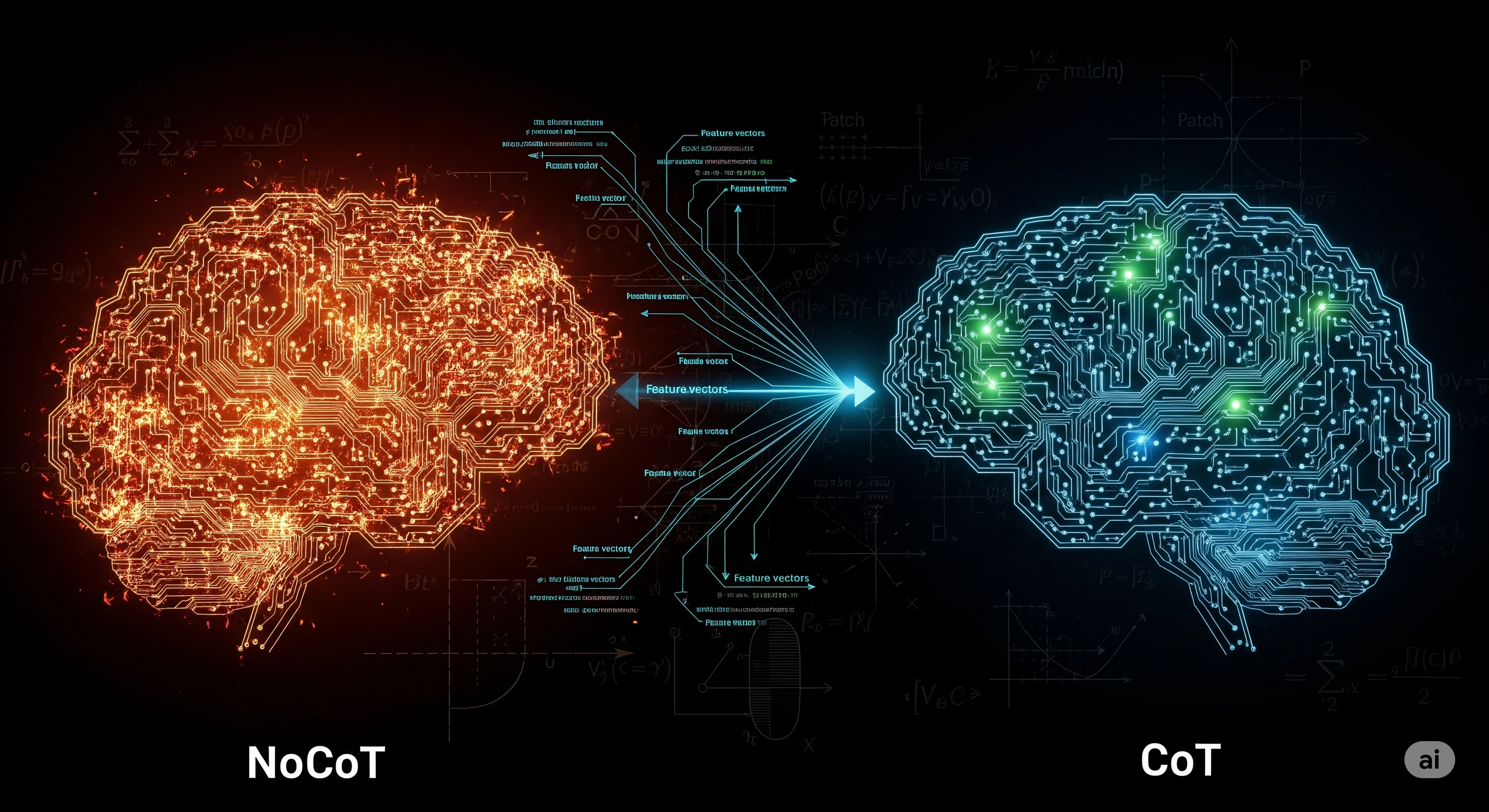
Chain-of-Thought (CoT) prompting has become a go-to technique for improving multi-step reasoning in large language models (LLMs). But is it really helping models think better—or just encouraging them to bluff more convincingly? A new paper from Leiden University, “How does Chain of Thought Think?”, delivers a mechanistic deep dive into this question. By combining sparse autoencoders (SAEs) with activation patching, the authors dissect whether CoT actually changes what a model internally computes—or merely helps its outputs look better. ...

August 1, 2025 · 3 min · Zelina
Cover image

Layers of Thought: How Hierarchical Memory Supercharges LLM Agent Reasoning

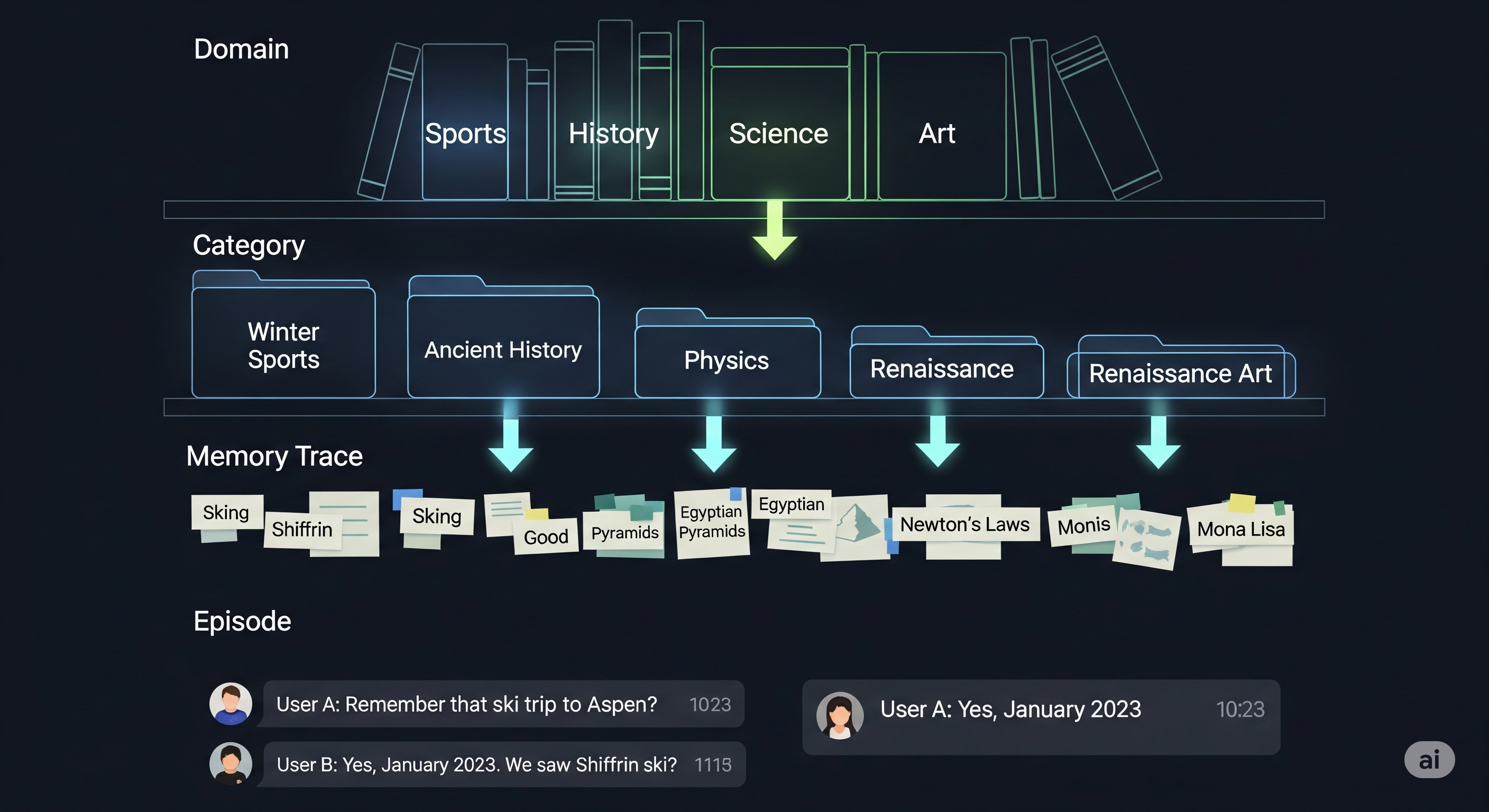
Most LLM agents today think in flat space. When you ask a long-term assistant a question, it either scrolls endlessly through past turns or scours an undifferentiated soup of semantic vectors to recall something relevant. This works—for now. But as tasks get longer, more nuanced, and more personal, this memory model crumbles under its own weight. A new paper proposes an elegant solution: H-MEM, or Hierarchical Memory. Instead of treating memory as one big pile of stuff, H-MEM organizes past knowledge into four semantically structured layers: Domain, Category, Memory Trace, and Episode. It’s the difference between a junk drawer and a filing cabinet. ...

August 1, 2025 · 3 min · Zelina
Cover image

Noise-Canceling Finance: How the Information Bottleneck Tames Overfitting in Asset Pricing

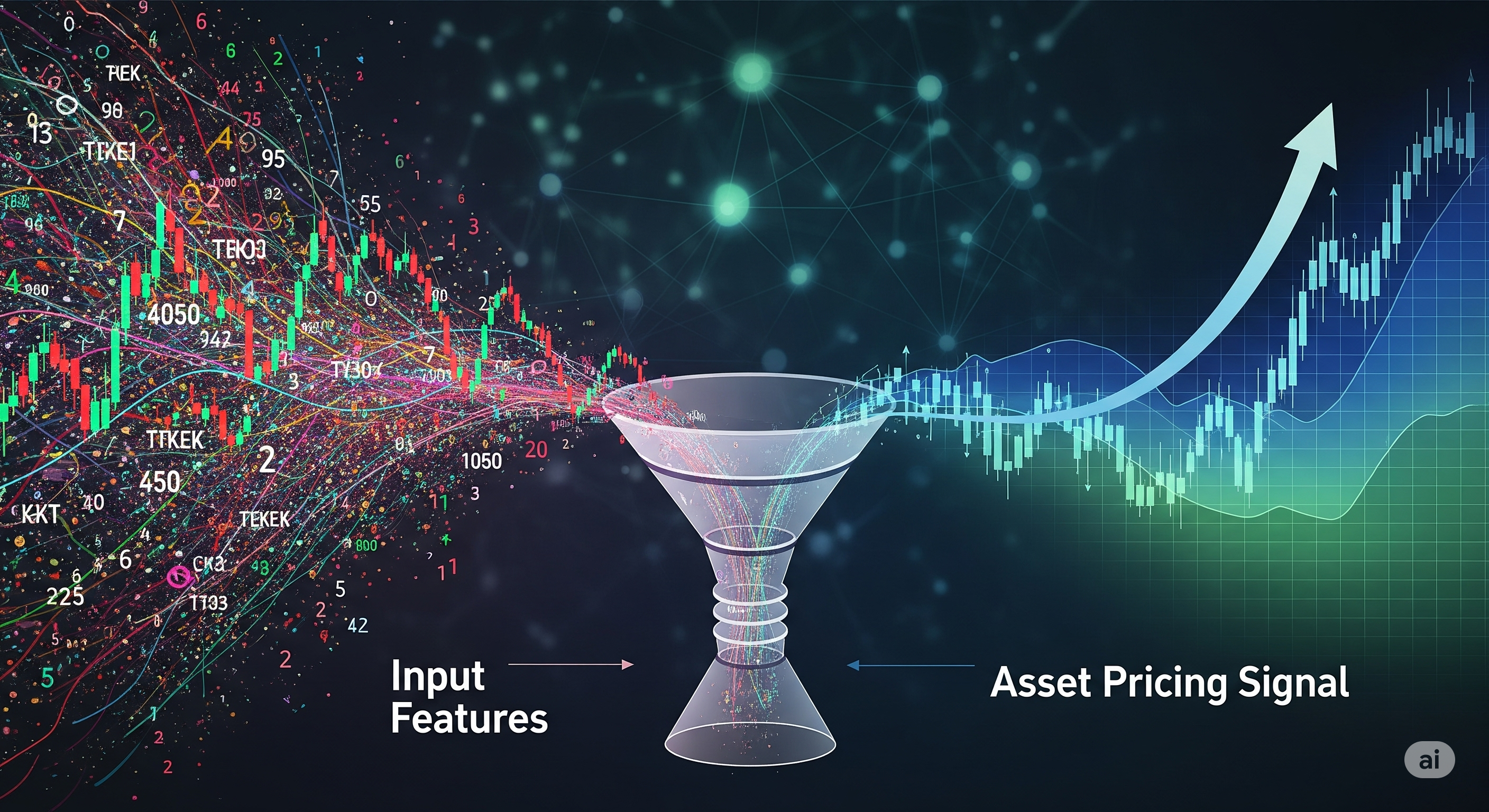
Deep learning has revolutionized many domains of finance, but when it comes to asset pricing, its power is often undercut by a familiar enemy: noise. Financial datasets are notoriously riddled with weak signals and irrelevant patterns, which easily mislead even the most sophisticated models. The result? Overfitting, poor generalization, and ultimately, bad bets. A recent paper by Che Sun proposes an elegant fix by drawing inspiration from information theory. Titled An Information Bottleneck Asset Pricing Model, the paper integrates information bottleneck (IB) regularization into an autoencoder-based asset pricing framework. The goal is simple yet profound: compress away the noise, and preserve only what matters for predicting asset returns. ...

August 1, 2025 · 3 min · Zelina
Cover image

Numbers Don’t Speak for Themselves: How LLMs Interpret the Soul of Financial Reports

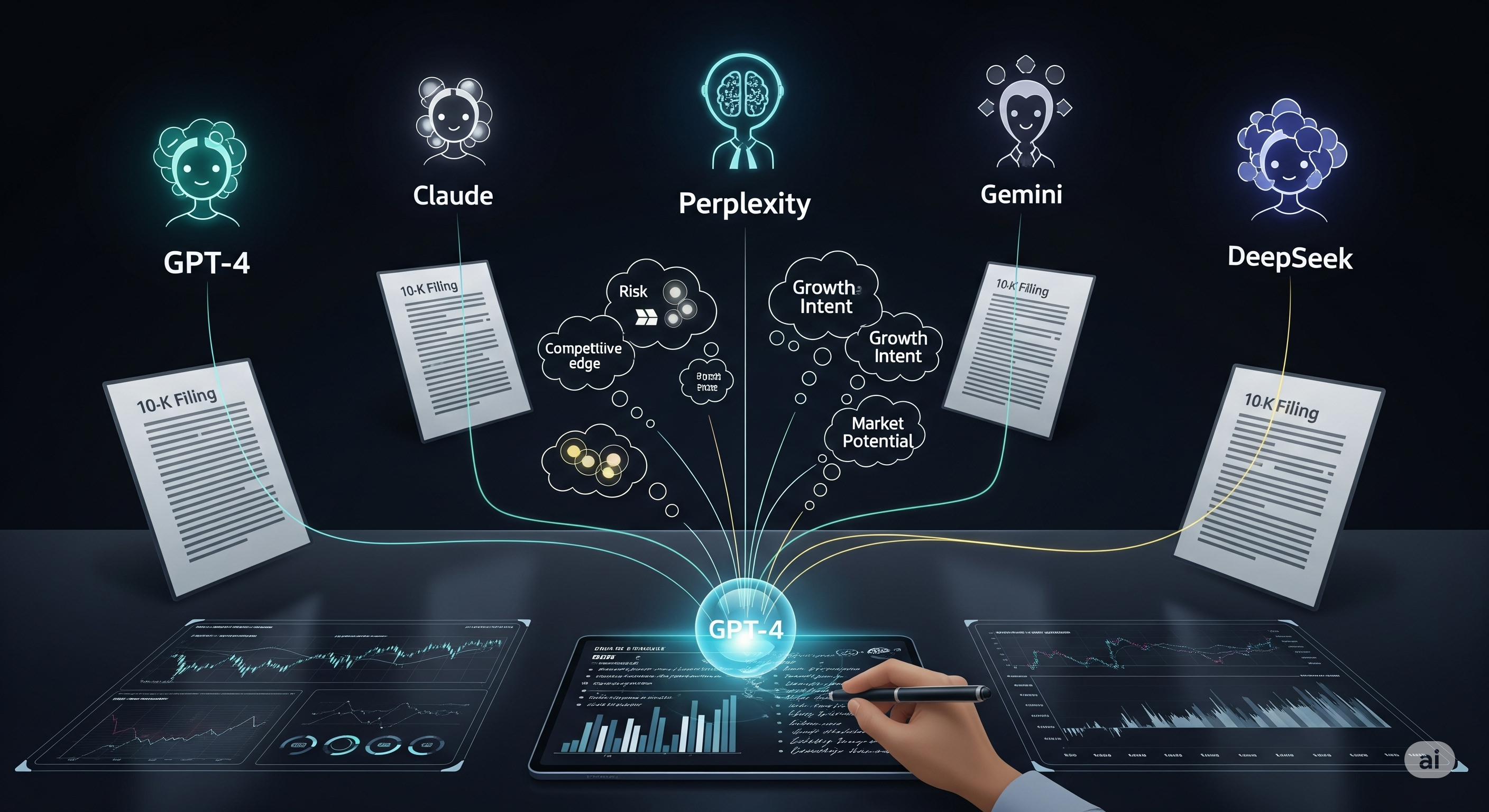
In finance, the devil isn’t just in the details—it’s in the narrative. That’s what makes this new study by Md Talha Mohsin both timely and essential: it directly evaluates how five top-tier LLMs—GPT-4, Claude 4 Opus, Perplexity, Gemini, and DeepSeek—perform in interpreting the most linguistically dense and strategically revealing part of corporate disclosures: the Business section of 10-K filings from the “Magnificent Seven” tech giants. Rather than focusing on raw numbers or sentiment snippets, the study asks: can these LLMs extract strategic intent, infer risk, and assess future outlooks the way human analysts do? ...

August 1, 2025 · 3 min · Zelina
Cover image

SIMURA Says: Don’t Guess, Simulate

The dominant paradigm in LLM agents today is autoregressive reasoning: think step by step, commit token by token. This approach works decently for small tasks — write a tweet, answer a math question — but it quickly falters when the goal requires deep planning, multiple decision branches, or adapting to partially observable environments. Imagine trying to plan a vacation or operate a flight search website while thinking only one move ahead. ...

August 1, 2025 · 3 min · Zelina
Cover image

Echo Chambers or Stubborn Minds? Simulating Social Influence with LLM Agents

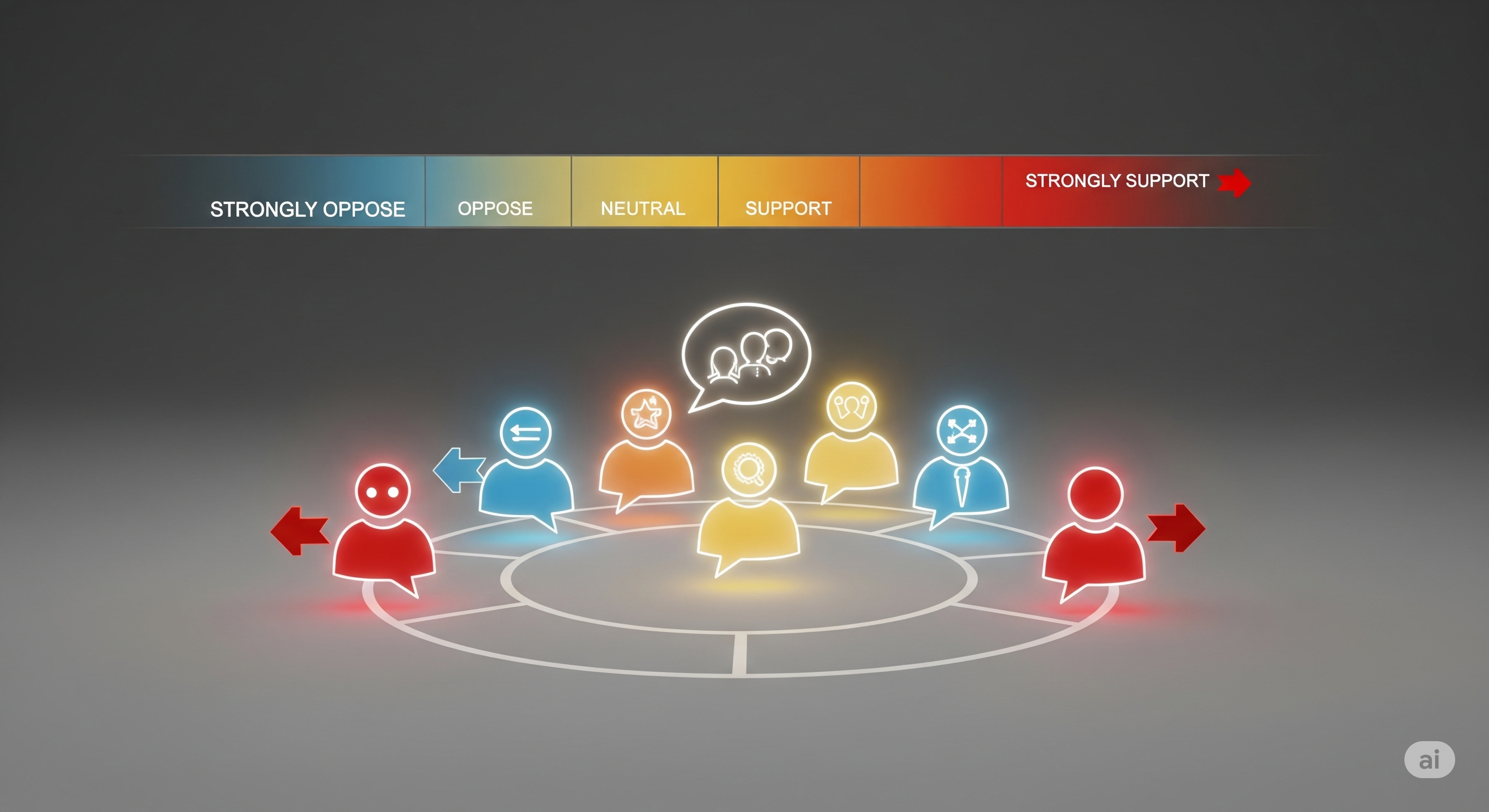
Large language models aren’t just prompt-completion machines anymore. In controlled simulations, they can behave like people in a group discussion: yielding to peer pressure, sticking to their beliefs, or becoming more extreme over time. But not all LLMs are socially equal. A recent paper titled “Towards Simulating Social Influence Dynamics with LLM-based Multi-agents” explores how different LLMs behave in a forum-style discussion, capturing three phenomena familiar to any political science researcher or Reddit moderator: conformity, group polarization, and fragmentation. The twist? These aren’t real people. They’re fully scripted LLM agents with fixed personas, engaged in asynchronous multi-round debates. ...

July 31, 2025 · 3 min · Zelina
Cover image

Echoes in the Algorithm: How GPT-4o's Stories Flatten Global Culture

What if every story, no matter where it’s set, ends with a cheerful festival and a return to tradition? That’s not a hypothetical. It’s what happens when you ask OpenAI’s GPT-4o-mini to generate 11,800 stories, one for nearly every nationality on Earth. Researchers Jill Walker Rettberg and Hermann Wigers did just that — and uncovered a startling truth: generative AI doesn’t just reproduce representational bias (like stereotyping a “doctor” as a white man), it also imposes narrative bias — structural sameness beneath a veneer of cultural difference. ...

July 31, 2025 · 3 min · Zelina
Cover image

From Chaos to Care: Structuring LLMs with Clinical Guidelines

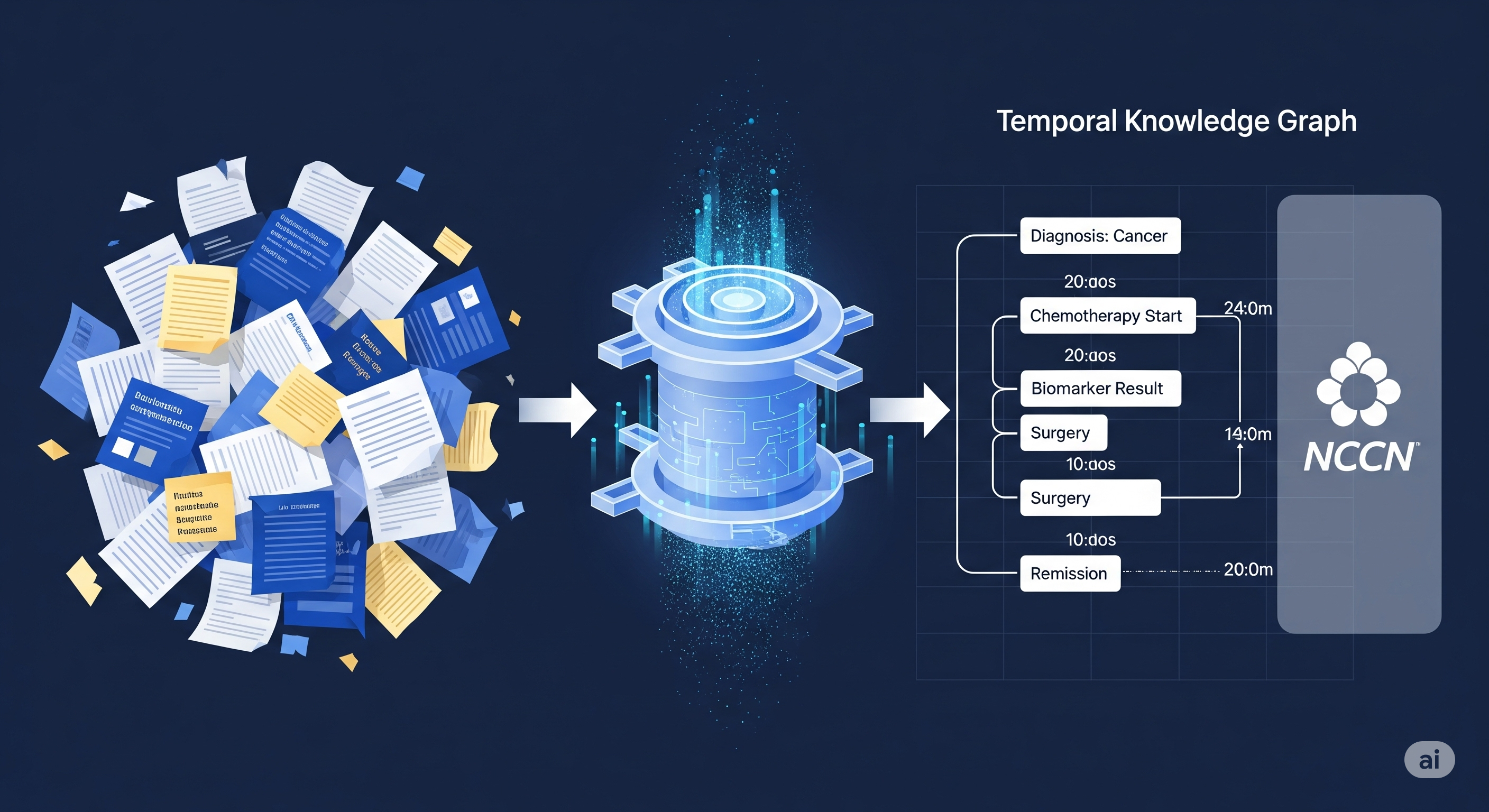
Modern oncology is an overwhelming cognitive battlefield: clinicians face decades of fragmented notes, tests, and treatment episodes, scattered across multiple languages and formats. Large Language Models (LLMs) promise relief—but without careful design, they often collapse under the weight of these chaotic Electronic Health Records (EHRs), hallucinate unsafe recommendations, or fail to reason over time. Enter CliCARE: a meticulously designed framework that not only tames this complexity but grounds the entire decision process in clinical guidelines. Rather than stuffing raw records into long-context transformers or bolting on retrieval-augmented generation (RAG), CliCARE introduces a radically more structured approach. ...

July 31, 2025 · 3 min · Zelina
Cover image

Judo, Not Armor: Strategic Deflection as a New Defense Against LLM Jailbreaks

Large language models have come a long way in learning to say “no.” When asked to give instructions for illegal acts or harmful behavior, modern LLMs are generally aligned to refuse. But a new class of attacks—logit manipulation—sidesteps this safety net entirely. Instead of tricking the model through prompts, it intervenes after the prompt is processed, modifying token probabilities during generation. This paper introduces Strategic Deflection (SDeflection), a defense that doesn’t rely on refusal at all. Instead, it teaches the model to elegantly pivot: providing a safe, semantically adjacent answer that appears cooperative but never fulfills the malicious intent. Think of it not as a shield, but as judo—redirecting the force of the attack instead of resisting it head-on. ...

July 31, 2025 · 3 min · Zelina