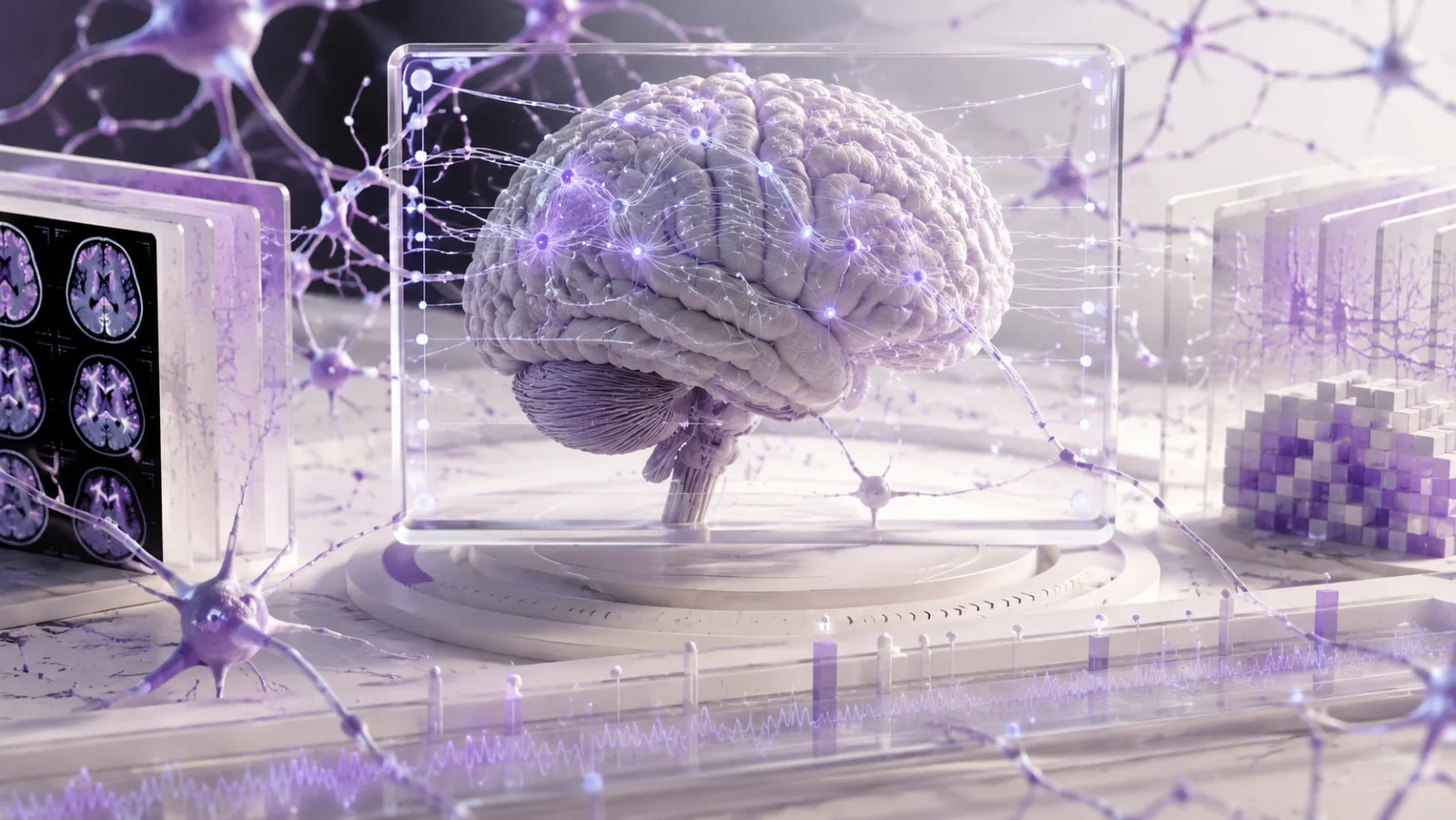
Mind the BOLD Gap: Why fMRI Models Need More Than a Local Look
A mechanism-first reading of how nonlocal neural integral operators use broader spatial and temporal context for fMRI encoding and decoding.
A mechanism-first reading of how nonlocal neural integral operators use broader spatial and temporal context for fMRI encoding and decoding.

A practical read on three papers showing why production AI reliability depends on managing hidden relationships before the final output appears.
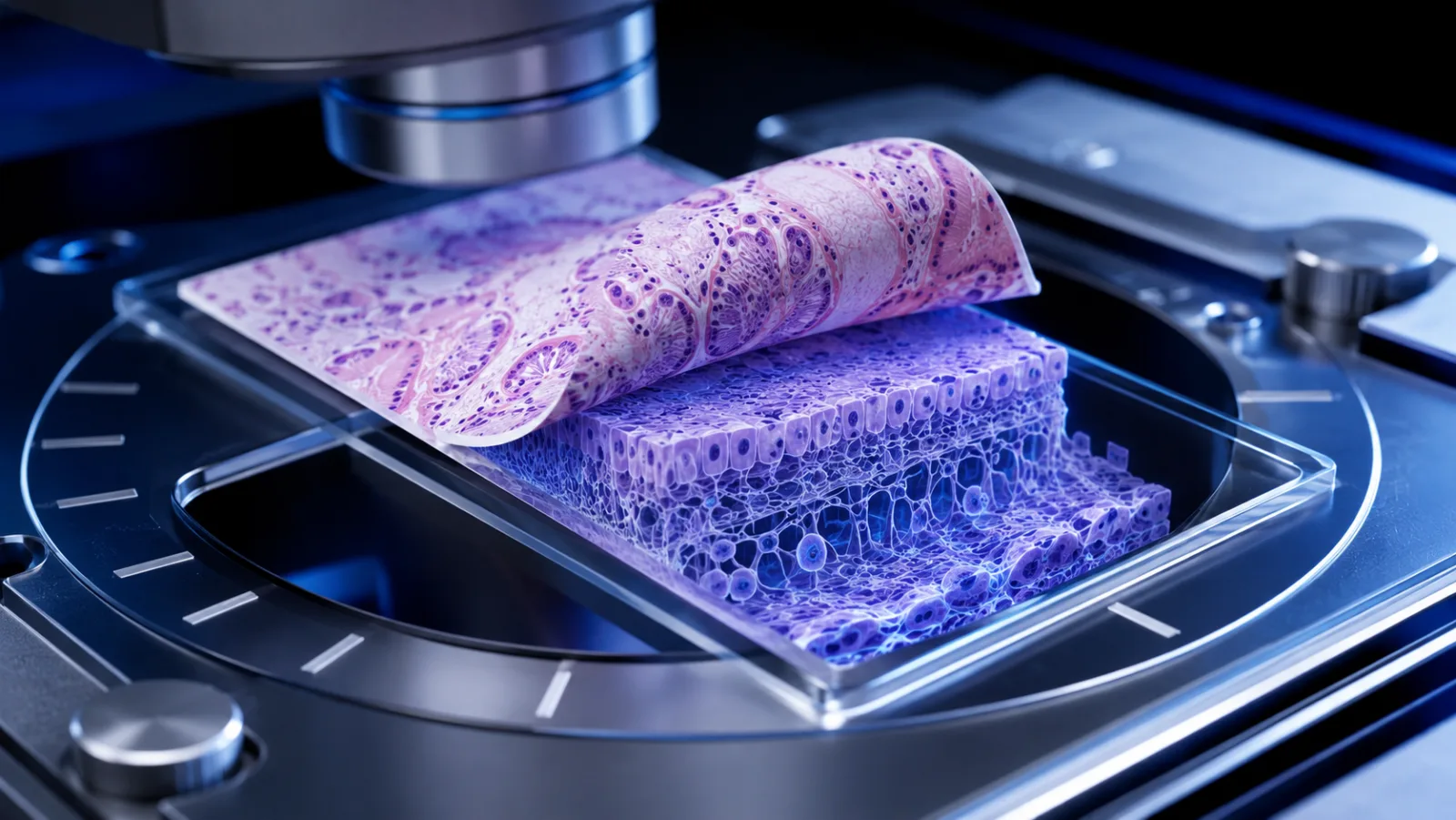
A practical reading of HistoBIT3D and why virtual pathology systems need structural validation, not just plausible stain transfer.

A mechanism-first reading of OSDTW, showing why long-tailed recognition is governed by shared representation depth and task weighting rather than simple rare-class boosting.

How a Hamilton-Jacobi view of deep learning turns temperature, smoothness, robustness, scaling, and architecture into one linked design problem.

A mechanism-first reading of OptFair, which turns multi-class fairness from a post-hoc compliance wish into an explicit accuracy-fairness operating frontier.

A practical synthesis of three arXiv papers showing why fine-grained contextual control, not generic model fluency, is becoming the deployment bottleneck for AI.
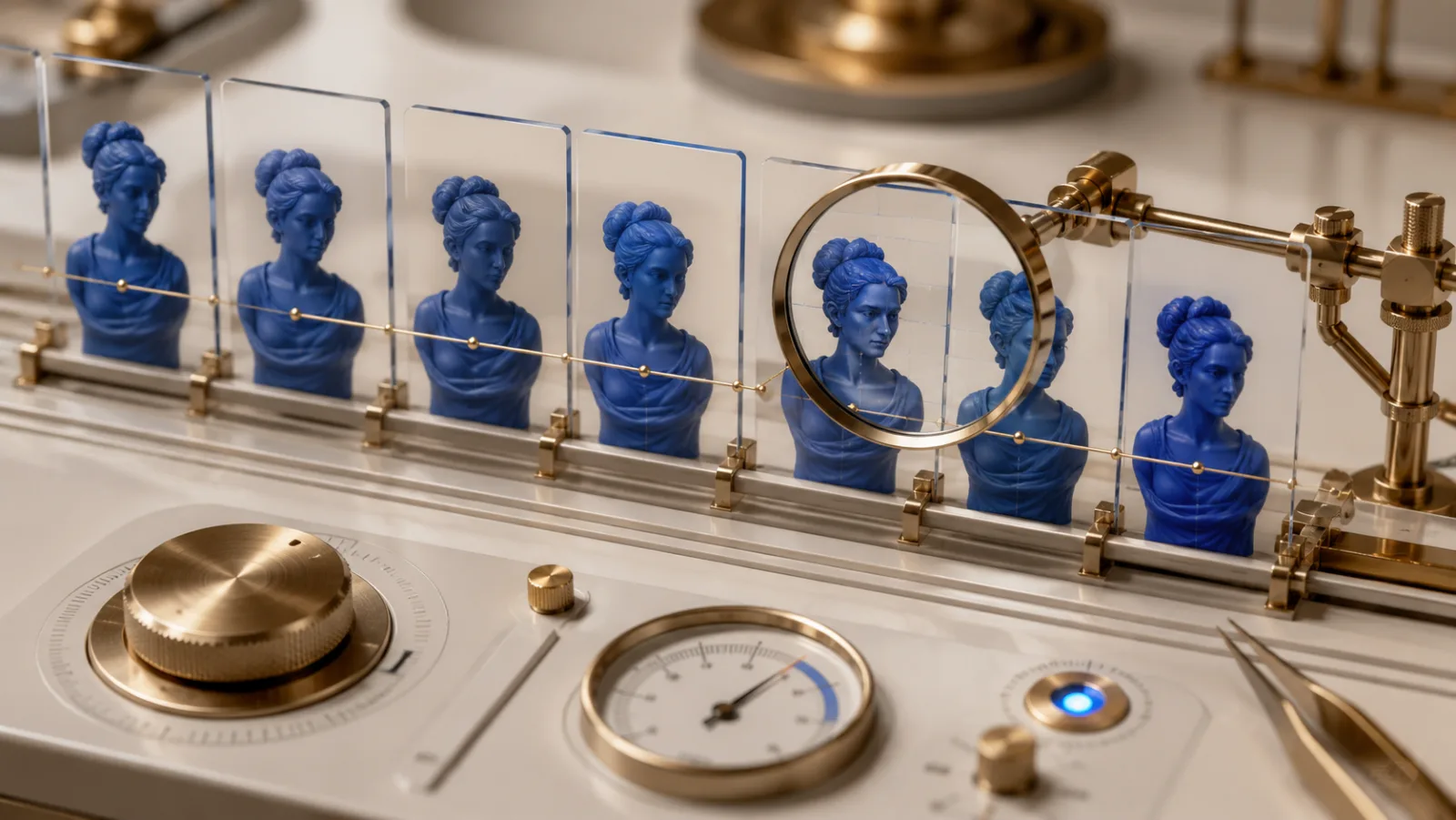
Tail-Aware HiFloat4 shows that aggressive 4-bit video quantization can preserve motion and visual appeal while quietly damaging subject identity—the metric businesses cannot afford to average away.
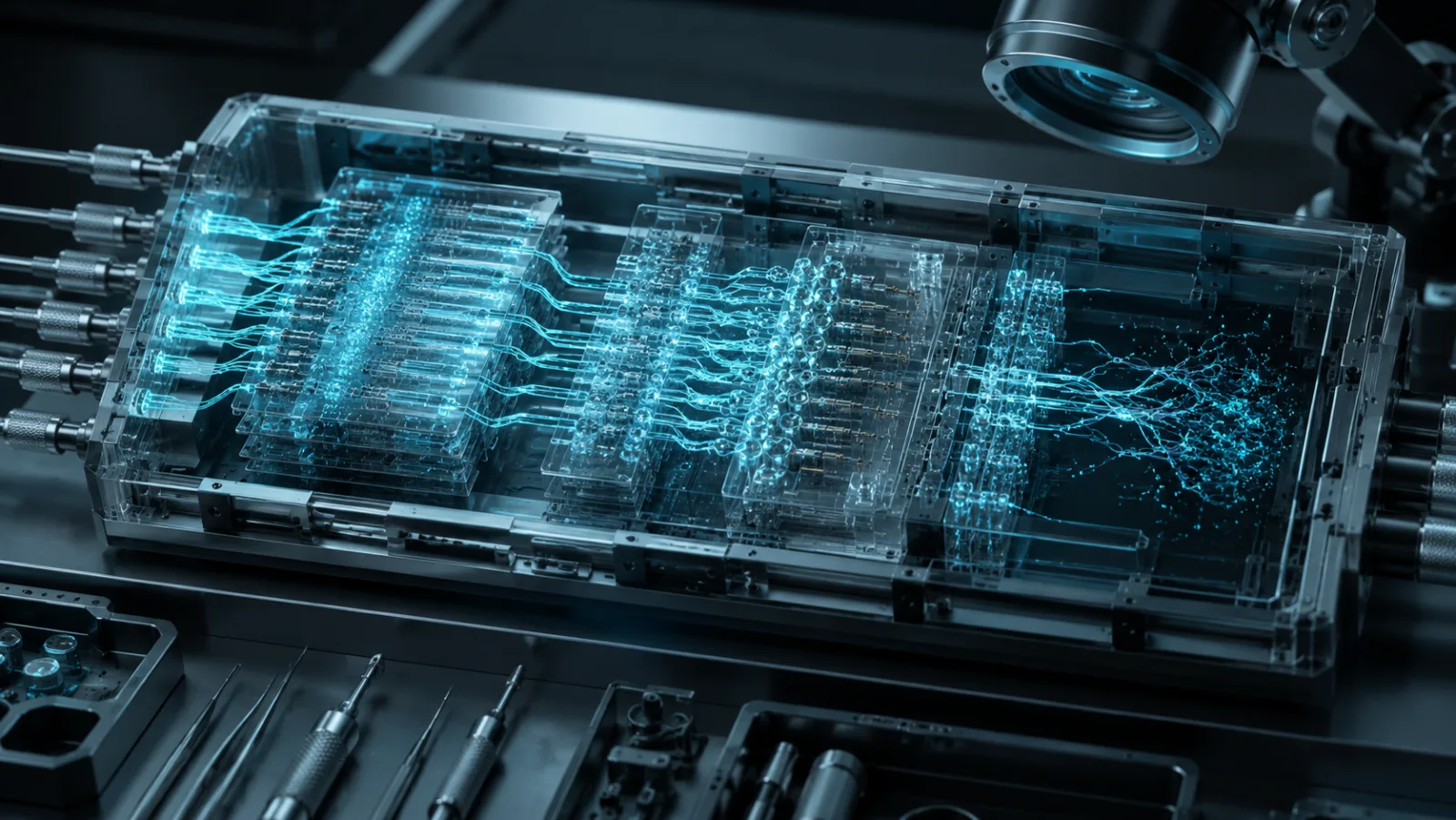
A mechanism-first reading of why necessary, decodable, and ablation-reversible attention heads still may not carry transferable computation.
A mechanism-first reading of a Set-Transformer approach that uses range-diverse LWIR measurements to make atmospheric compensation less underconstrained.