Themis Knows Best: When AI Judges Start Training Other AI
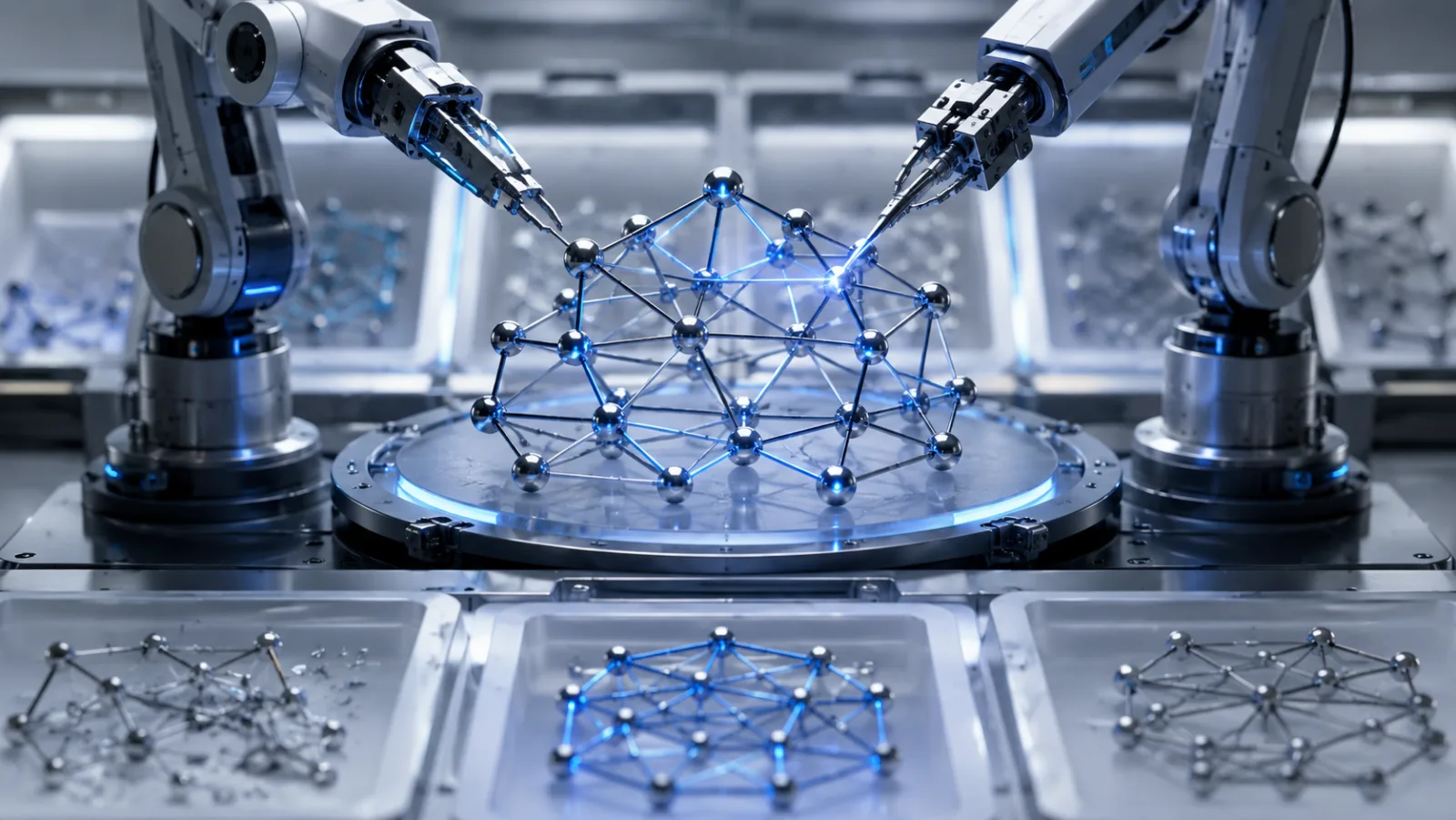
OS-Themis shows that the hard part of training GUI agents is not merely choosing a stronger judge, but building an evidence pipeline that knows which UI steps actually deserve reward.
LuMamba shows how topology-invariant EEG modeling, linear-time Mamba blocks, and a mixed LeJEPA reconstruction objective may make biosignal foundation models more deployable across messy real-world electrode layouts.
A comparison-based reading of Knowledge Objects: why durable AI memory needs structured storage, not just larger prompts or prettier summaries.
AgentFactory shows why the next useful step in AI agents may be less about remembering better and more about preserving executable work as reusable, auditable capability.
Sensi shows why fast agent learning is not enough when perception errors can become verified facts.
A business reading of Governed Memory, showing why multi-agent AI needs shared memory, policy routing, schema feedback, and entity isolation—not just another RAG store.
MALLES shows why useful AI economic agents need transaction alignment, numerical sensitivity, and population calibration—not just better role-play prompts.
A mechanism-first reading of RPMS, showing why reliable LLM agents need executable rules, state-aware memory, and conflict arbitration—not larger memory alone.
Why demand forecasts should be evaluated by the inventory decisions they trigger, not only by the errors they minimize.
A business-focused reading of why cultural alignment in LLM systems should be measured, compared, and optimized rather than handled as a one-line localization prompt.