
Hive Minds and Hallucinations: A Smarter Way to Trust LLMs
A mechanism-first look at how a pharmacy SMS prototype uses deterministic parsing, fuzzy logic, and LLM cross-checking to make hallucination risk operationally manageable.
A mechanism-first look at how a pharmacy SMS prototype uses deterministic parsing, fuzzy logic, and LLM cross-checking to make hallucination risk operationally manageable.

A mechanism-first reading of a neural covariance-cleaning model that improves global minimum-variance portfolios without pretending to forecast returns.
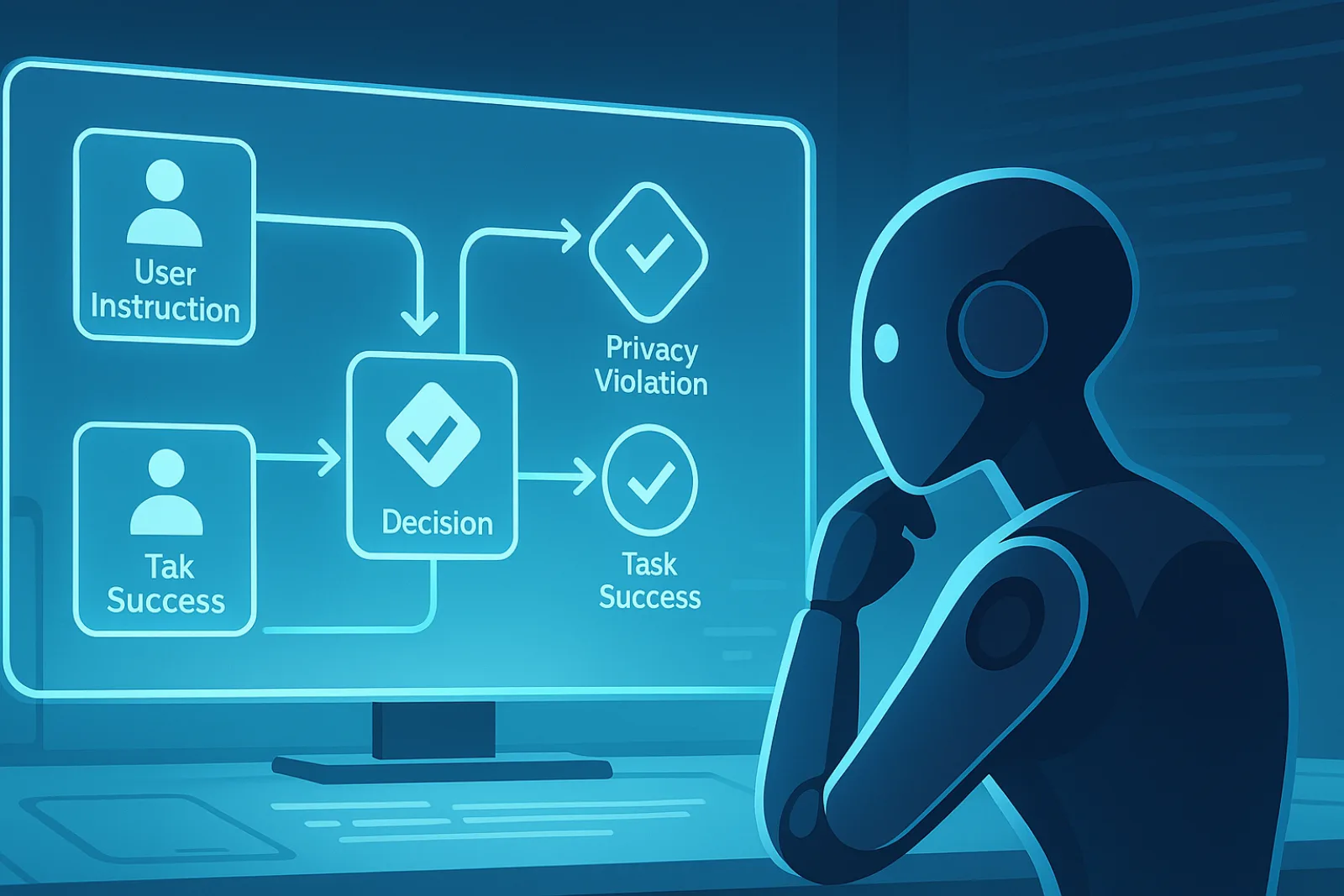
How Causal Influence Prompting turns agent safety from vague warning text into an explicit causal control layer for risky actions.
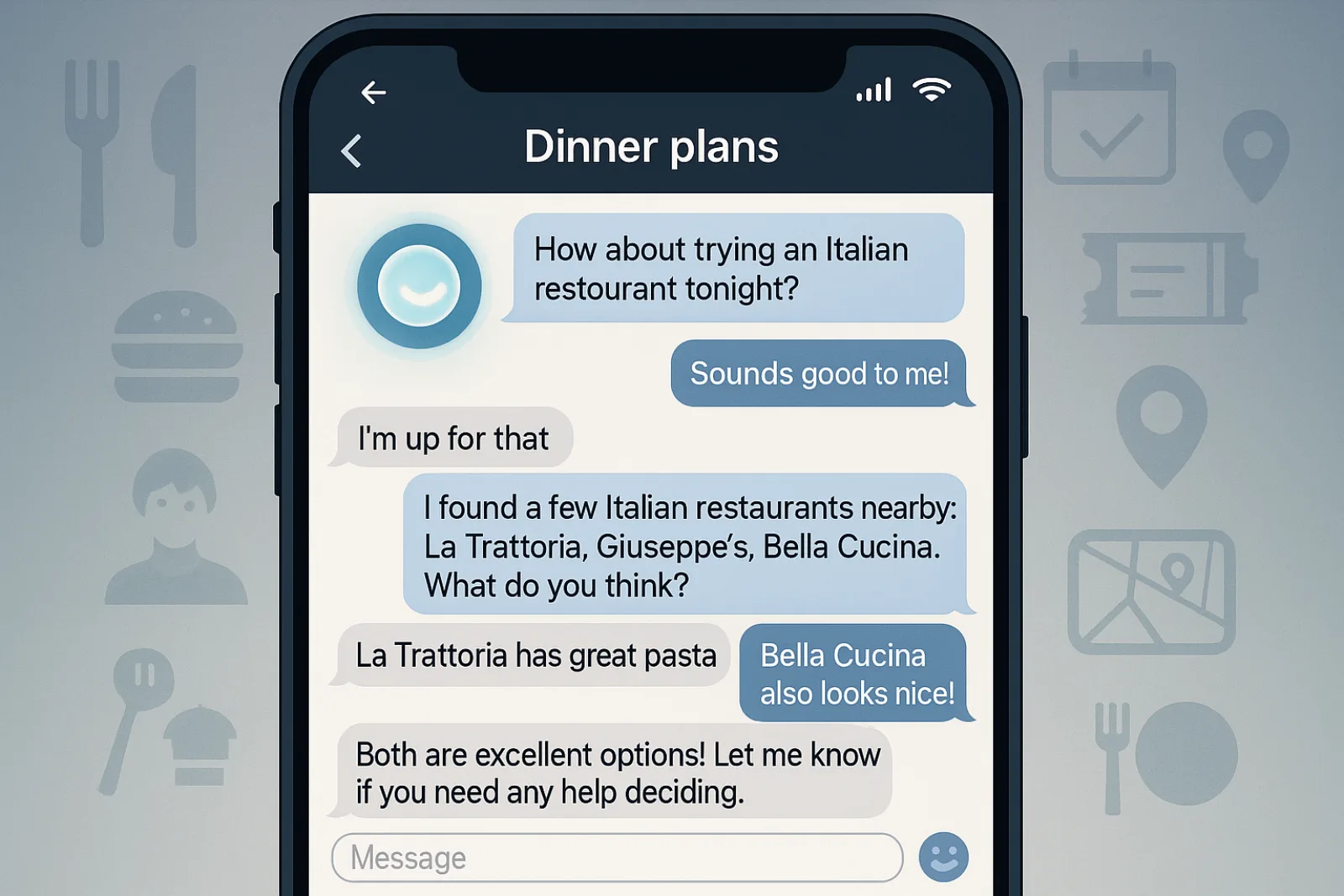
A mechanism-first reading of why generative AI may turn group recommenders from ranking engines into decision facilitators.

A small experimental study suggests that ChatGPT-assisted writing can reduce students’ self-reported cognitive engagement, with lessons for how organisations design AI-assisted work.

A practical synthesis of two arXiv papers showing why time-series AI needs both reusable temporal motifs and human-readable explanations.
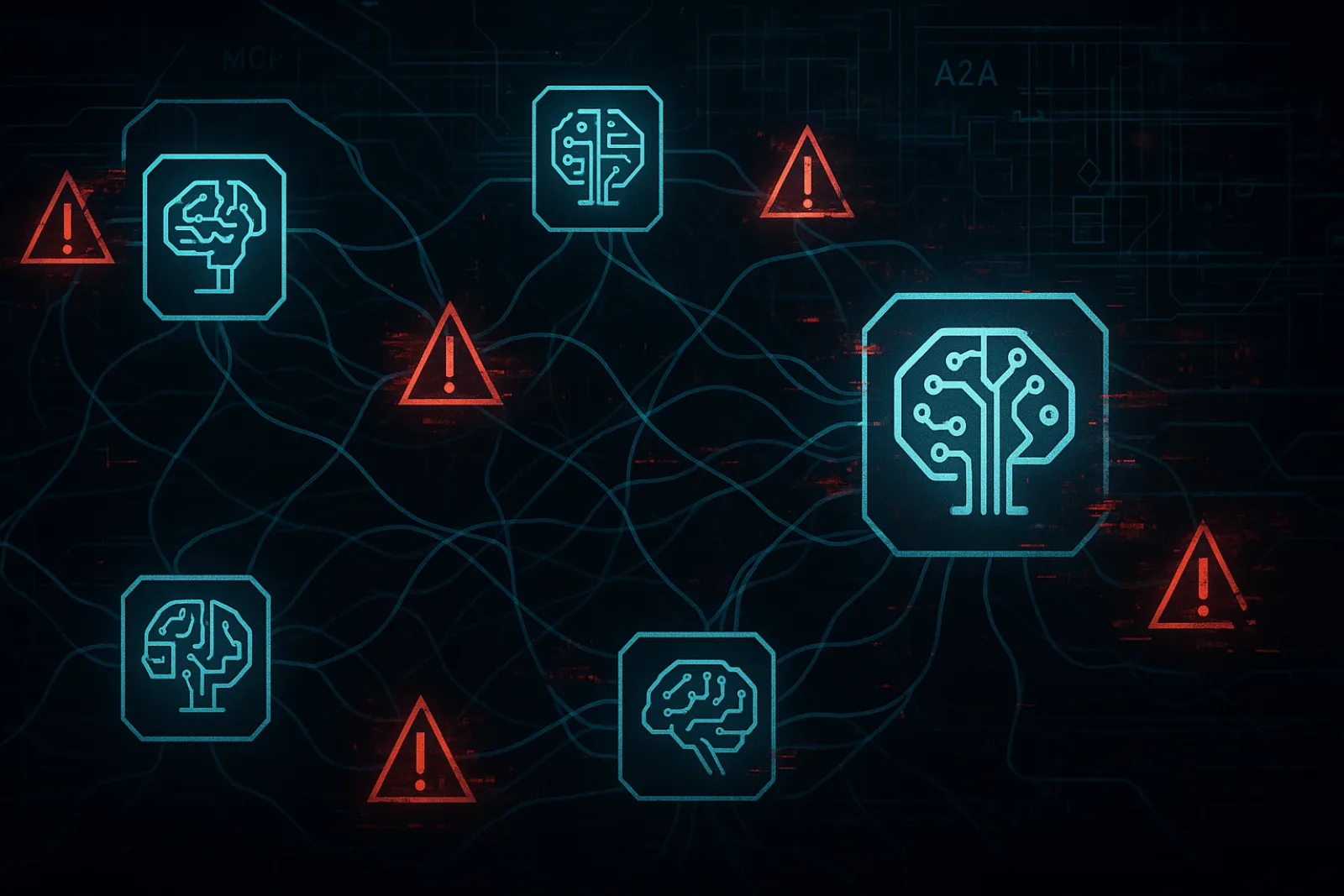
A mechanism-first reading of why agentic AI security is not just prompt filtering, but control over tools, memory, credentials, protocols, and trust boundaries.

Italy’s temporary ChatGPT ban shows that LLM productivity is not only about faster coding, but also about collaboration, learning, onboarding, and organisational resilience.
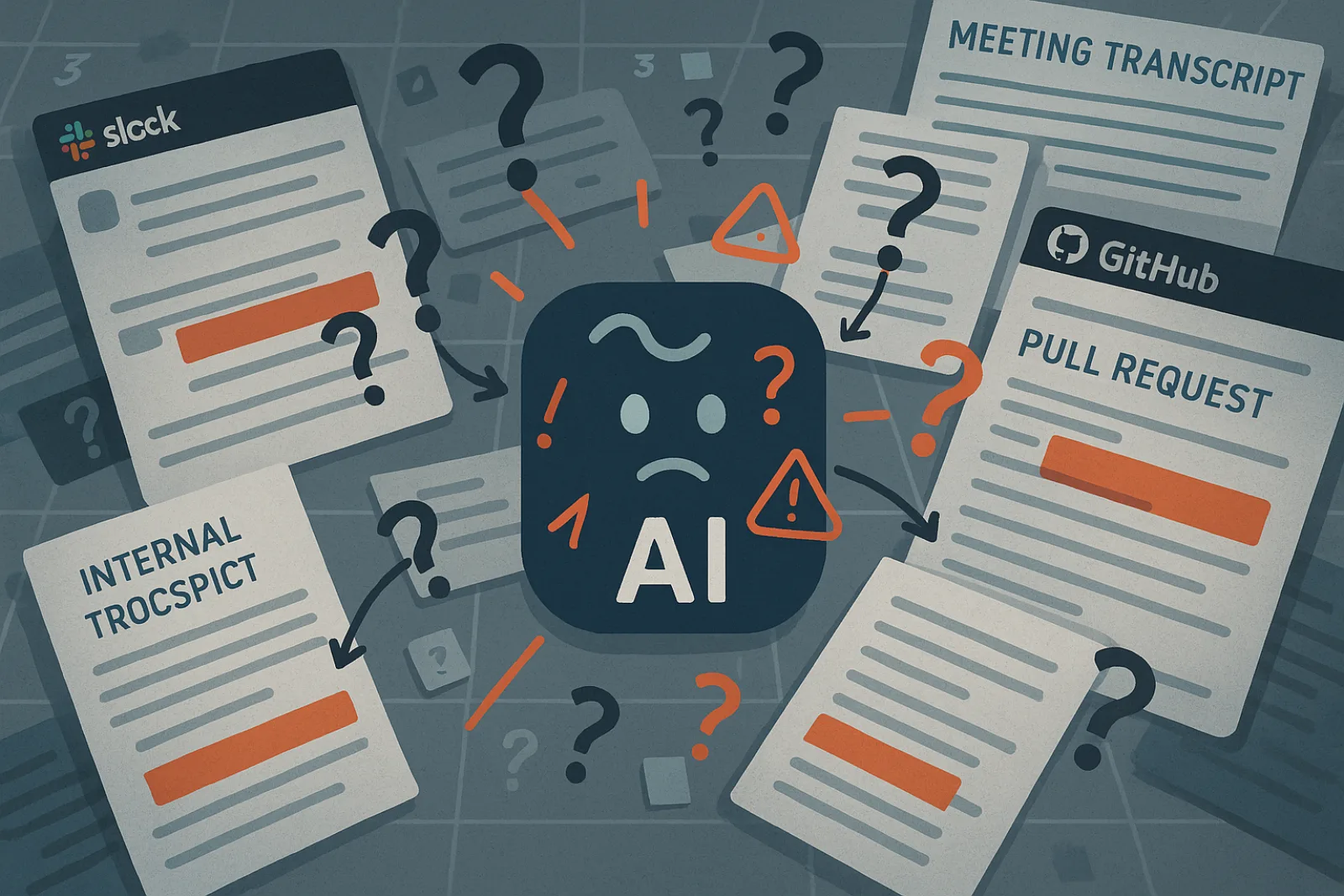
HERB shows why enterprise RAG failures are less about chatbot polish and more about evidence retrieval across messy, heterogeneous work.

A mechanism-first reading of STACK, a staged attack showing why layered LLM safeguards can still fail when their internal components leak enough information to optimise against them.