
The Reasoning Gymnasium: How Zero-Sum Games Shape Smarter LLMs
SPIRAL shows that competitive self-play can train transferable reasoning in LLMs, but the real lesson is adaptive pressure, not games for their own sake.
SPIRAL shows that competitive self-play can train transferable reasoning in LLMs, but the real lesson is adaptive pressure, not games for their own sake.
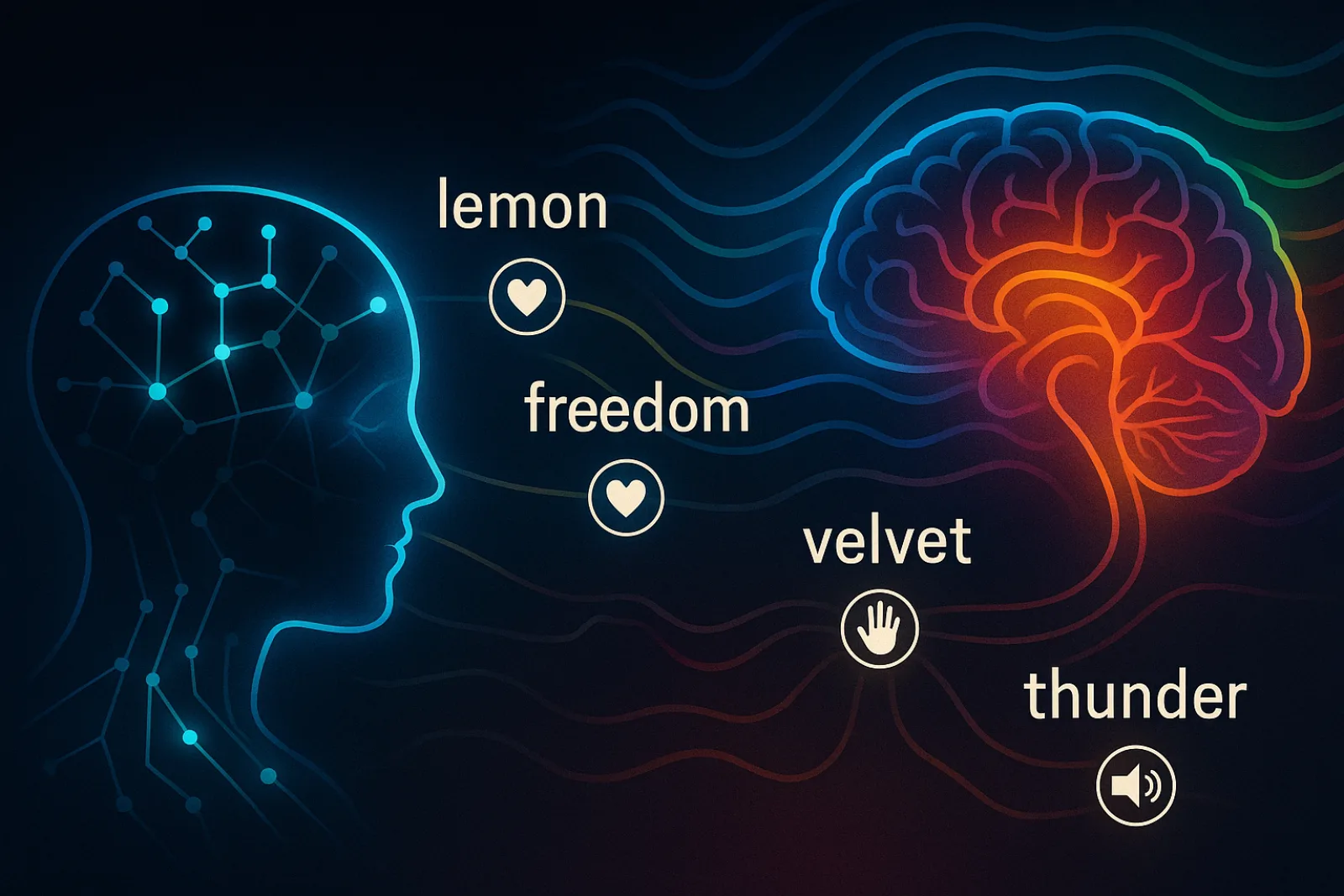
A new psycholinguistic benchmark shows where LLMs align with human word judgements—and where sensory meaning still leaks through the floorboards.

A mechanism-first reading of why trustworthy AI teammates may need bounded, transparent ways to refuse, interrupt, escalate, or override human instructions.

A mechanism-first reading of BiMark, a proposed LLM watermarking framework that tries to carry provenance data without degrading generation quality.

A practical reading of when text improves time-series forecasting, when it adds cost without accuracy, and how operators should test multimodal systems before deploying them.

A mechanism-first reading of how multi-agent LLM systems can infer missing process constraints, guide simulations, and reduce the setup bottleneck in chemical optimisation.

A practical reading of AH2AC2, a Hanabi benchmark that tests whether AI agents can coordinate with human-like partners rather than merely perform well in isolation.

A mechanism-first look at Decrypto, a benchmark showing why strong single-agent reasoning does not automatically translate into social reasoning, coordination, or theory of mind.

Quantization can make LLMs cheaper to deploy while quietly weakening safety, turning model compression into a governance checkpoint rather than an engineering afterthought.

A mechanism-first analysis of how sentence-level thought anchors reveal which parts of a reasoning trace actually steer an LLM’s answer.