
Lights, Camera, Agents: How MAViS Reinvents Long-Sequence Video Storytelling
MAViS shows that useful long-form AI video is less a single-model miracle than a managed production pipeline of agents, constraints, reviewers, and trade-offs.
MAViS shows that useful long-form AI video is less a single-model miracle than a managed production pipeline of agents, constraints, reviewers, and trade-offs.

A comparison-based reading of how AATM-generated IEC61850 GOOSE data and a GenAI task-oriented detector change the practical security conversation for digital substations.

A mechanism-first reading of Curriculum GRPO, a training-time approach for making reasoning models preserve accuracy while spending fewer tokens.
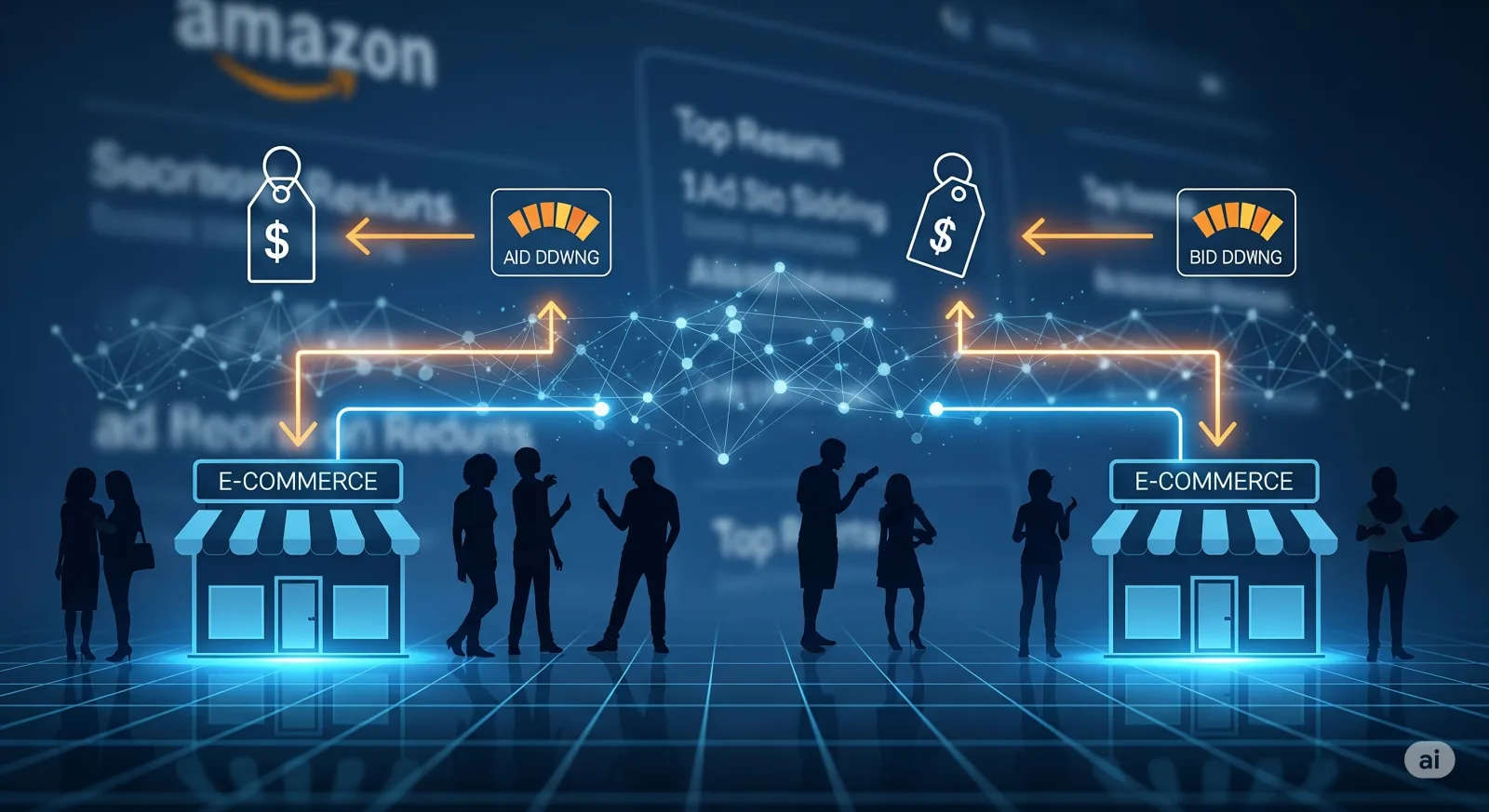
A mechanism-first reading of why pricing-and-advertising algorithms can sometimes coordinate into lower prices, not higher ones, when consumer search costs are high.

A mechanism-first look at how LLM agents can help causal ML systems discover confounders, refine unstable subgroups, and reduce expert review burden without pretending to automate causal truth.
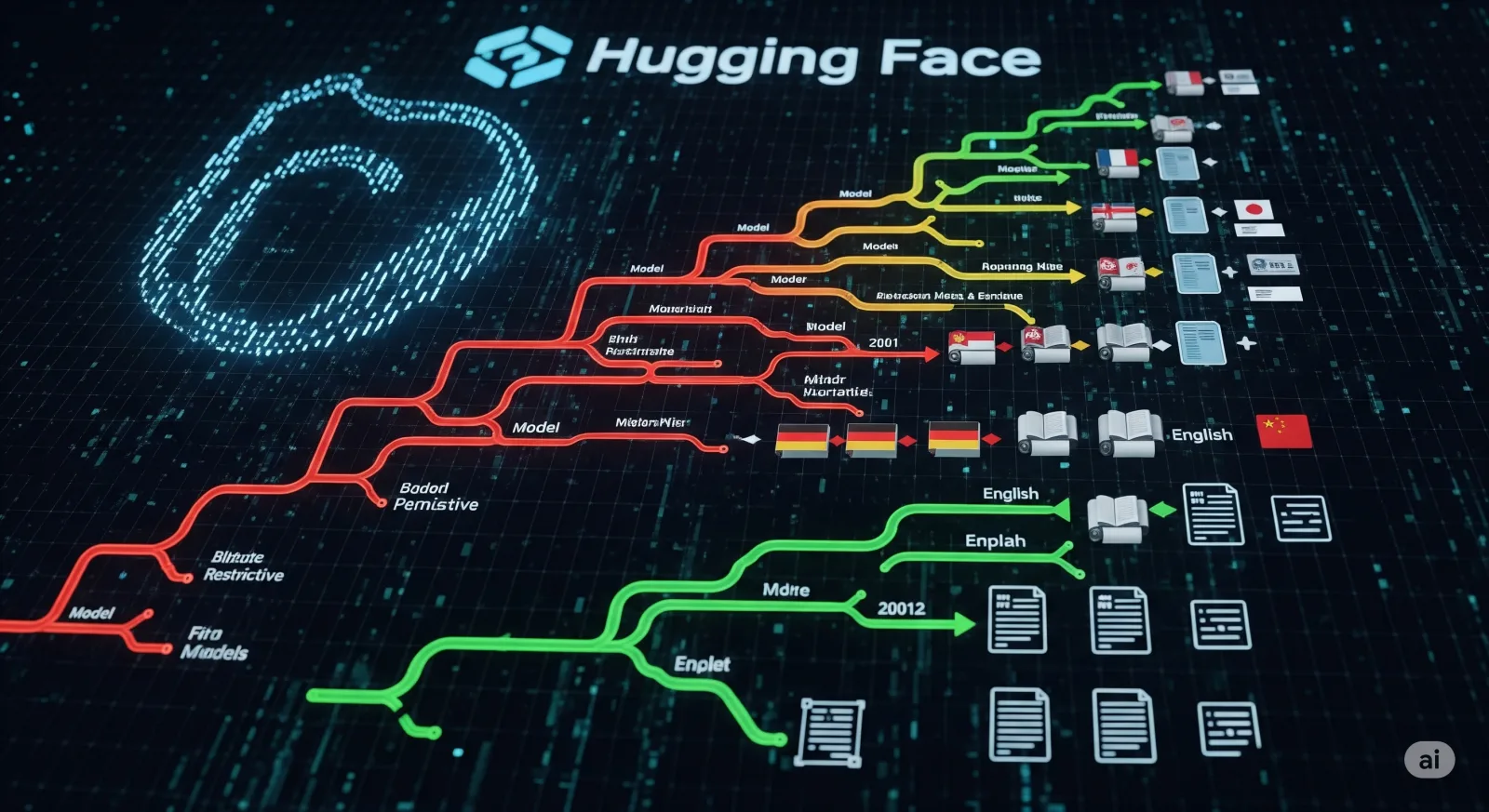
A mechanism-first reading of how Hugging Face model lineages mutate licences, documentation, languages, and task claims as they spread.

A mechanism-first look at an uncertainty-aware LLM framework for classifying Fedspeak, and why its real value is analyst triage rather than automated macro prophecy.

AdaptFlow reframes agent workflow optimisation as meta-learning: not one perfect static agent design, but a reusable workflow that adapts by task cluster.
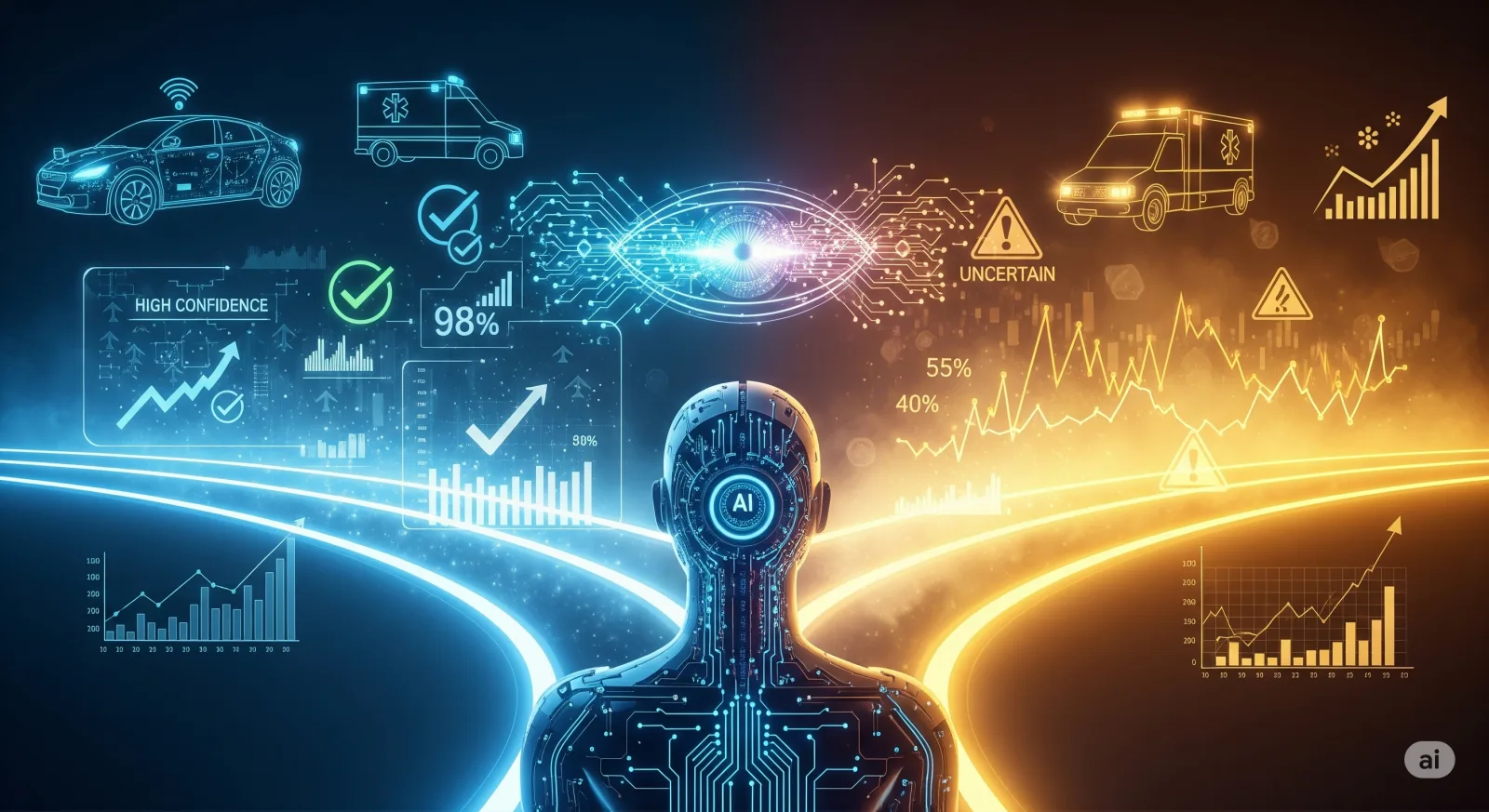
A practical reading of uncertainty-driven AI as a control layer for selective prediction, privacy-aware deployment, model cascades, and abstention audits.
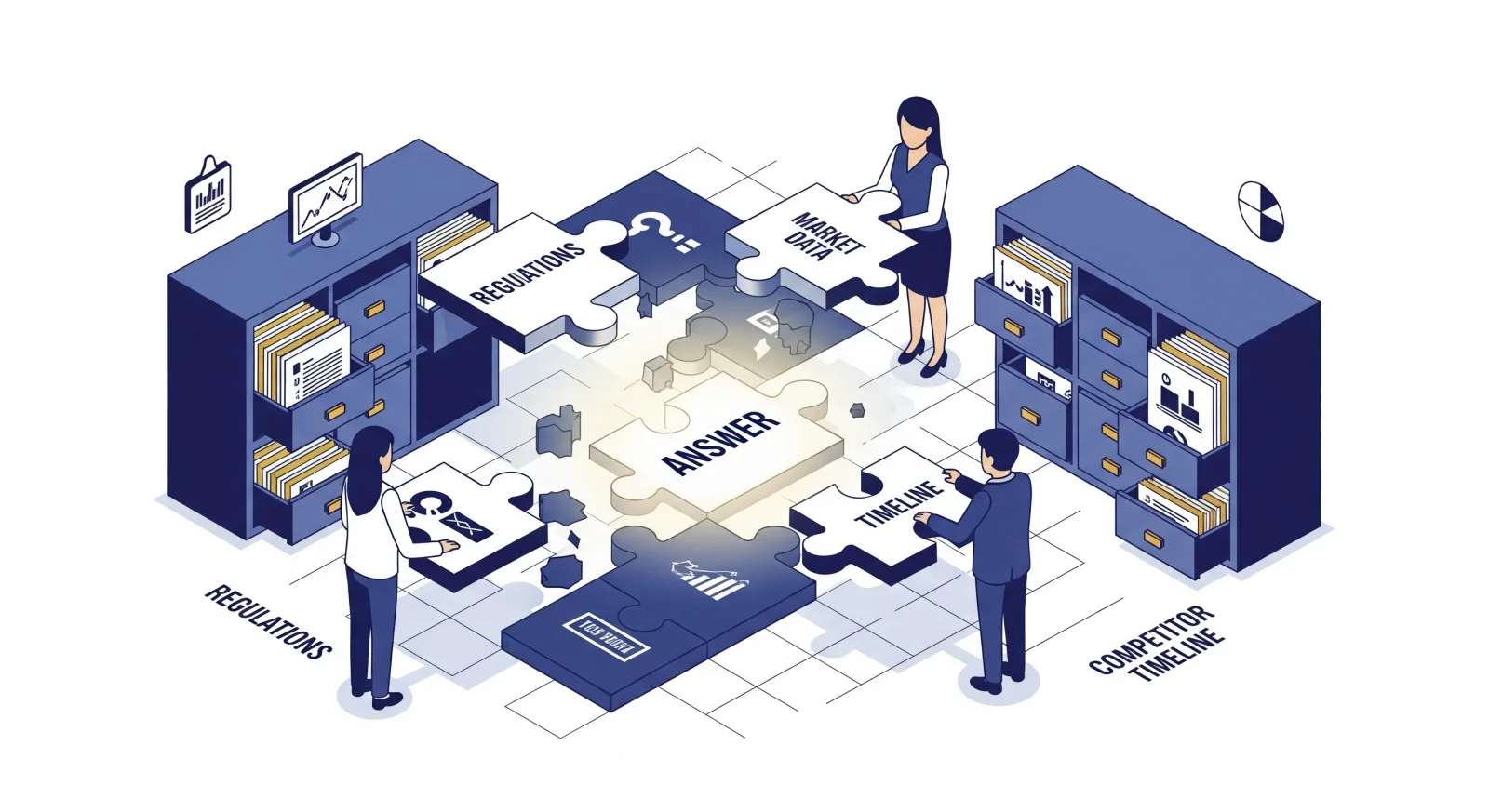
A practical reading of compositional retrieval: why RAG systems fail when evidence parts compete, and what coordinated retrieval changes for enterprise workflows.