
Patch Tuesday for the Law: Hunting Legal Zero‑Days in AI Governance
A mechanism-first reading of Legal Zero-Days as an AI governance risk: not ordinary loophole hunting, but institutional vulnerability discovery at machine speed.
A mechanism-first reading of Legal Zero-Days as an AI governance risk: not ordinary loophole hunting, but institutional vulnerability discovery at machine speed.

A comparison-based reading of why LLM-assisted planning works best when the model predicts constrained intermediate states rather than pretending to be the planner.
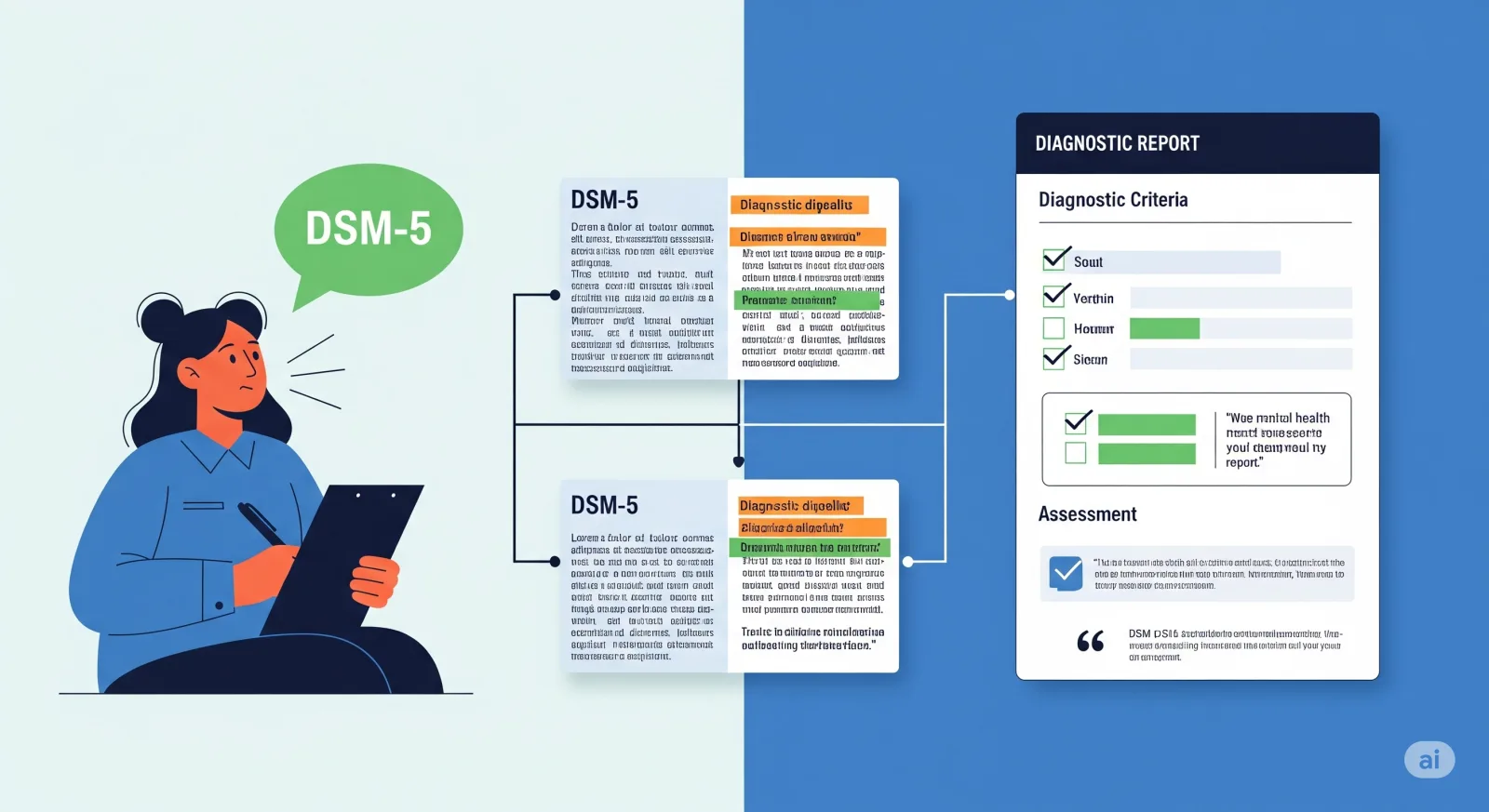
DSM5AgentFlow shows that the business value of clinical LLM agents is not autonomous diagnosis, but auditable intake infrastructure.

AlphaAgents shows how role-based LLM agents can act less like an autonomous portfolio manager and more like a structured, auditable investment committee for stock selection.

A close read of new evidence on where LLMs actually fail at math—and how dual-agent review, step labels, and tool delegation can make AI tutors more trustworthy.

A business-oriented map of efficient LLM architectures, showing which speed lever matters for latency, memory, long context, capacity, edge deployment, and agentic workloads.
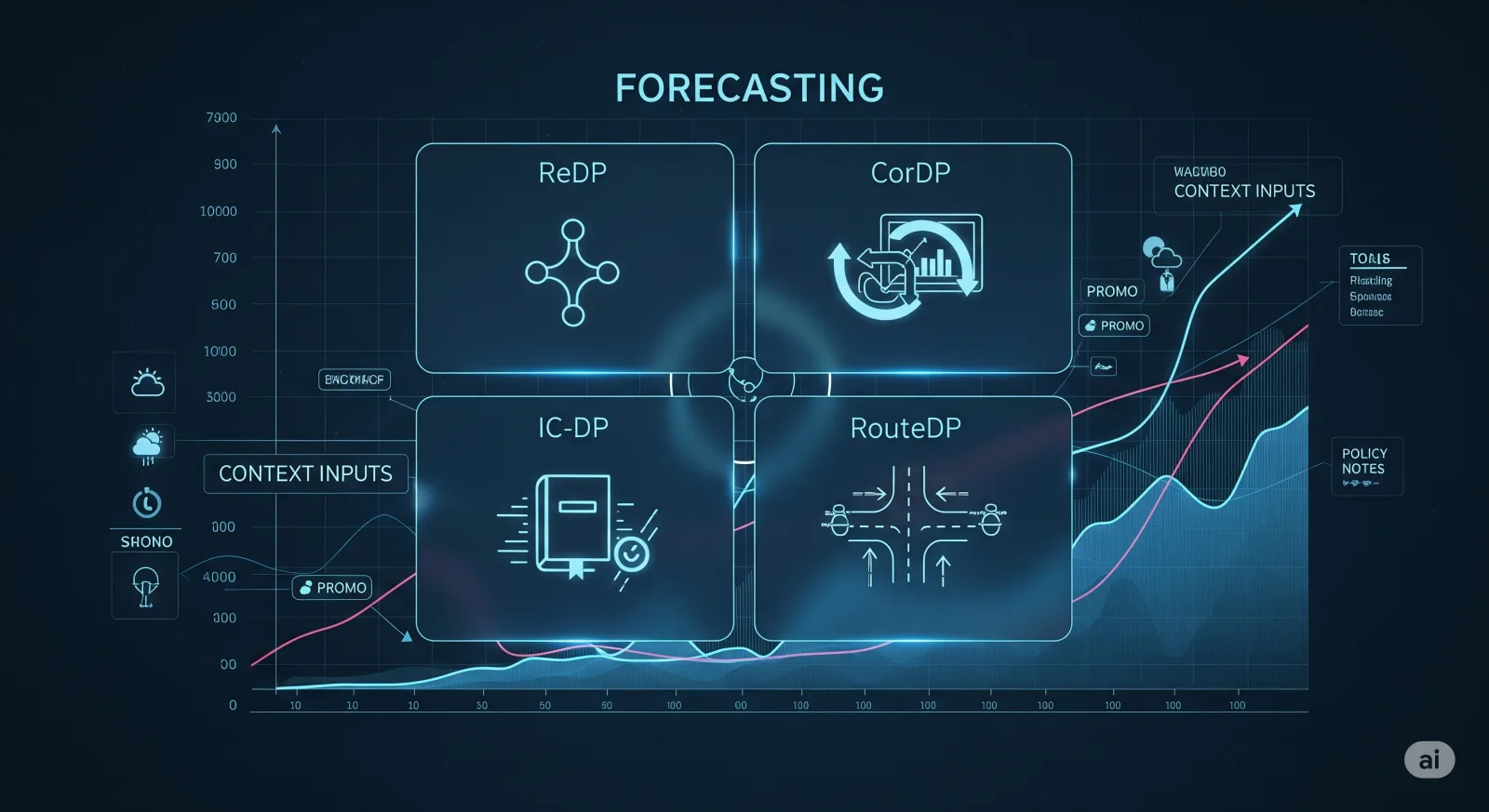
A practical reading of four LLM strategies for context-aided forecasting: diagnose failures, correct forecasts, learn from examples, and route expensive models only where they earn their keep.

A practical reading of PacifAIst, a benchmark that tests whether LLMs prioritise human safety when their own operational goals are on the line.

A careful reading of triplet-based regulatory RAG shows why knowledge graphs matter most for auditability, strict retrieval, and navigation—not magical answer accuracy.

OpenCUA shows that stronger computer-use agents come less from prettier screenshots and more from scalable demonstrations, reflective reasoning, and honest evaluation.