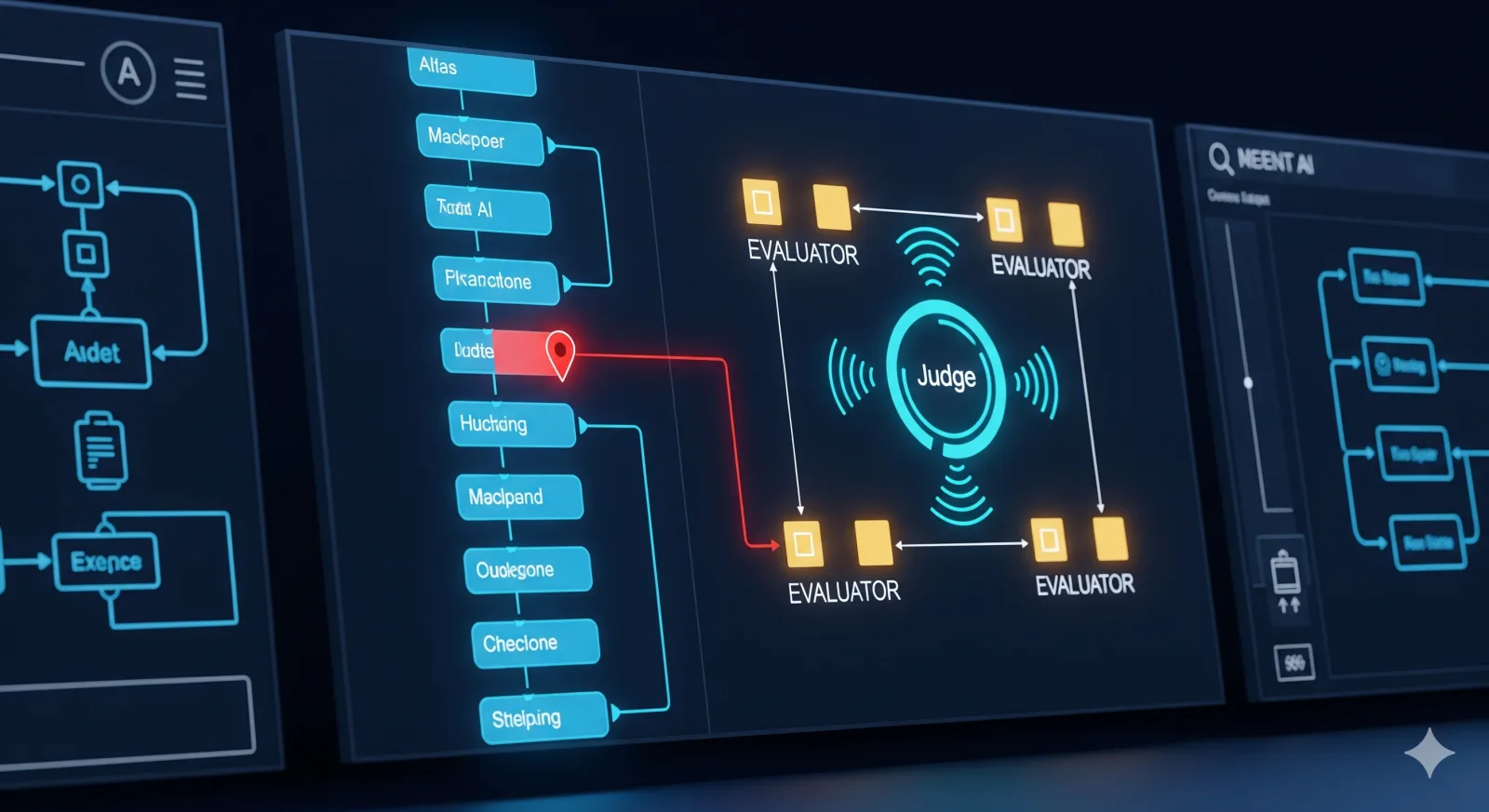
Fault Lines & Safety Nets: How RAFFLES Finds the First Domino in Agent Failures
RAFFLES shows how structured, iterative evaluators can trace the first decisive fault in failed LLM-agent workflows, turning opaque failures into actionable diagnosis.
RAFFLES shows how structured, iterative evaluators can trace the first decisive fault in failed LLM-agent workflows, turning opaque failures into actionable diagnosis.

Paper2Agent shows how research papers can become tested, MCP-backed execution interfaces—not just documents with better chatbots attached.
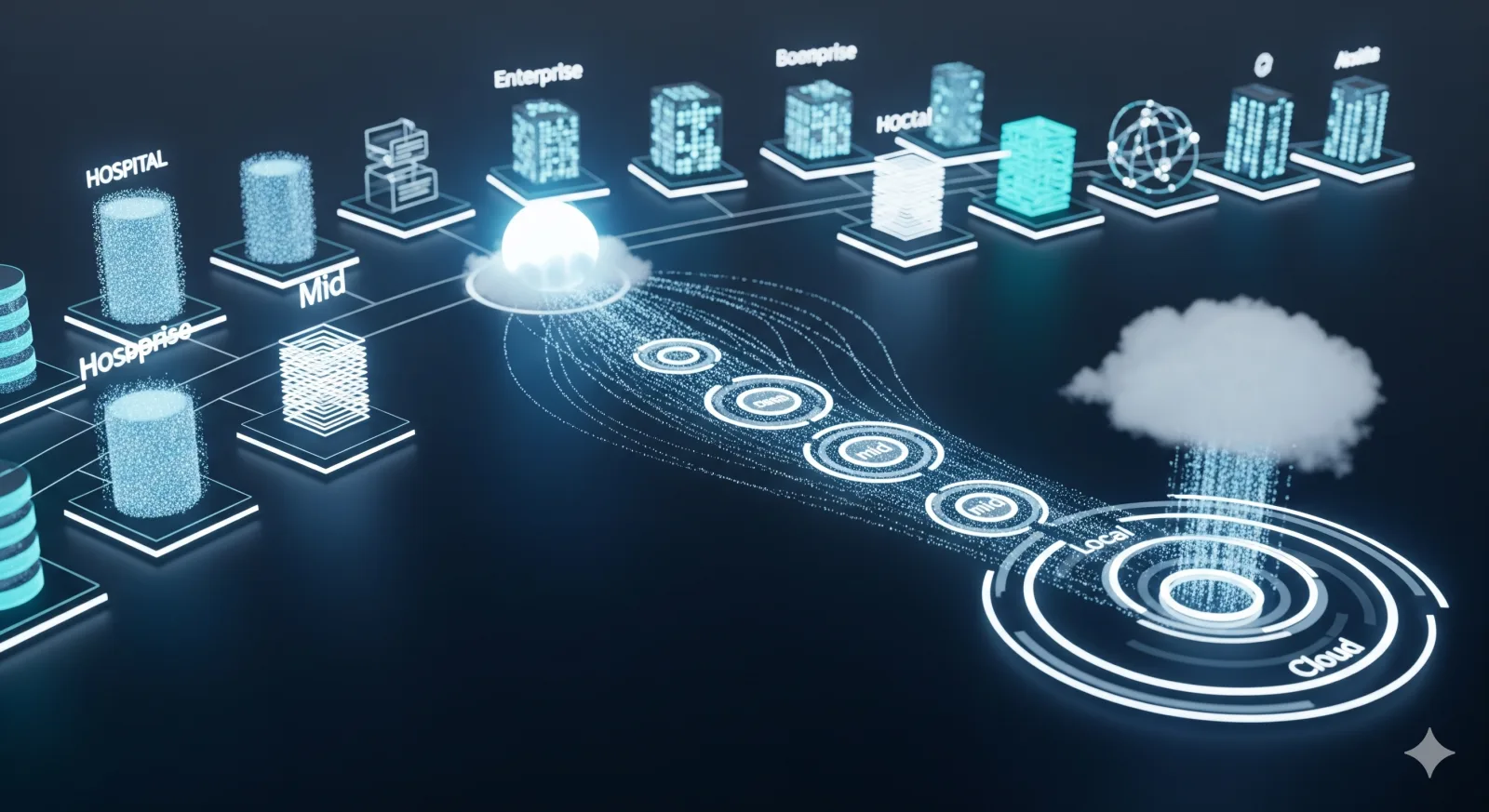
HyFedRAG shows that federated RAG for sensitive healthcare data is less about one clever retriever and more about where retrieval, summarisation, privacy controls, and caching are placed.

MORSE reframes supply-chain optimisation as a switchable portfolio of Pareto-efficient RL policies, with CVaR added for tail-risk-aware operations.
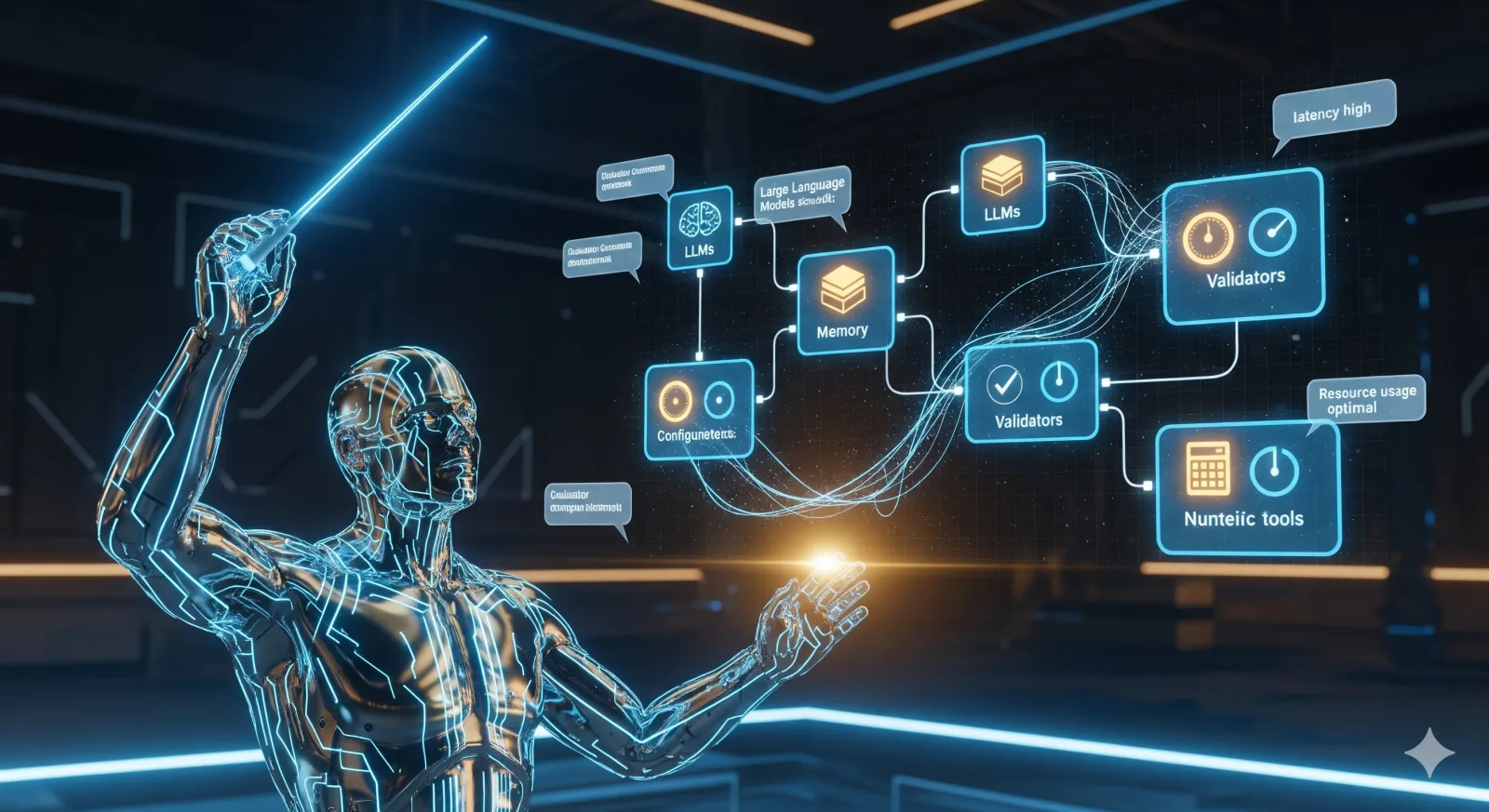
Maestro shows why reliable AI agents need graph-level redesign, not just better prompts, and how businesses should interpret the evidence.

OSC shows why multi-agent LLM systems need an orchestration layer that manages communication itself, not merely expert selection and final aggregation.

A CFA benchmark shows why finance AI needs task routing, selective retrieval, and calculation checks—not one heroic model.
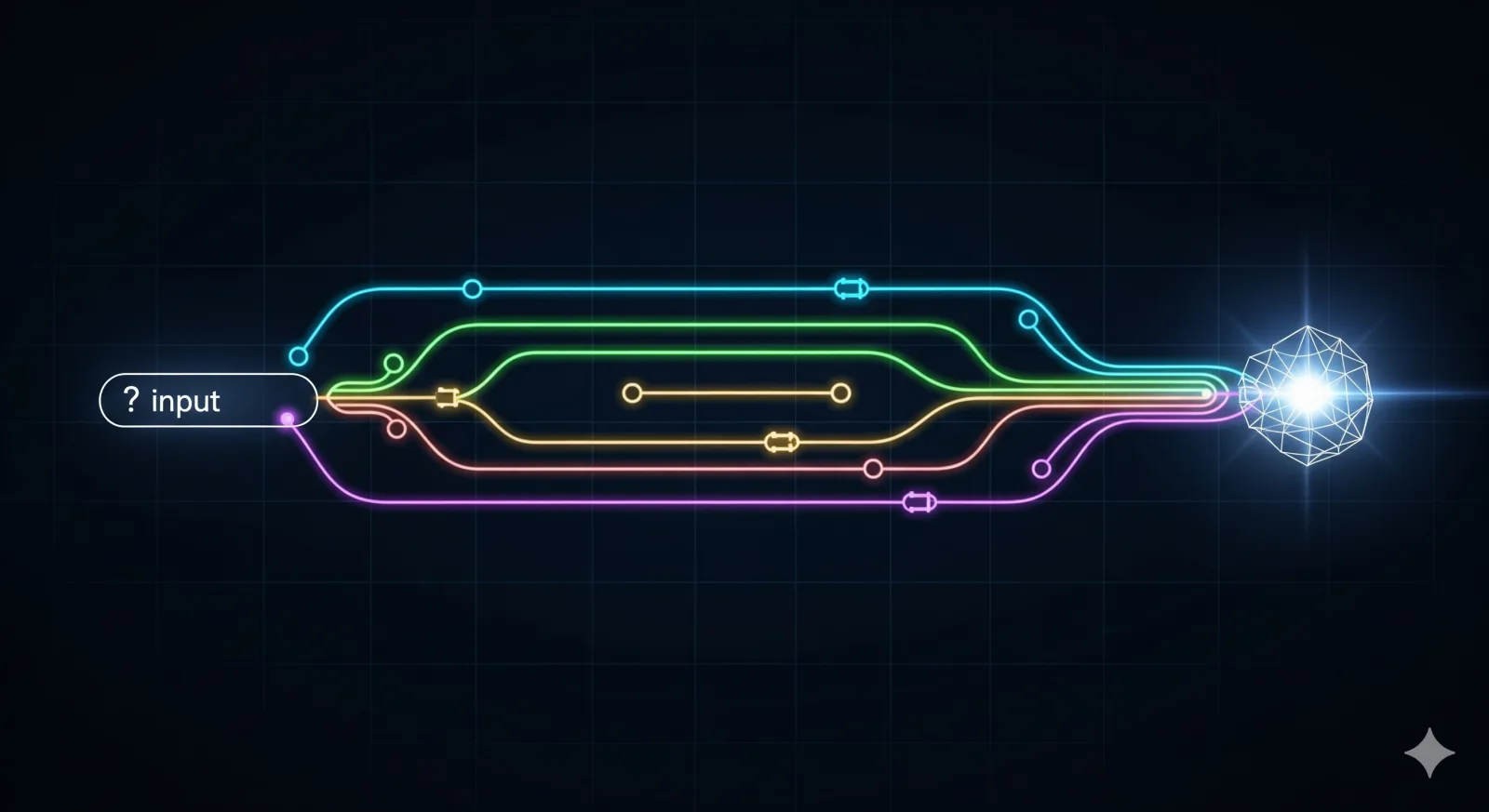
ParaThinker argues that reasoning models need less single-track rumination and more native parallel exploration, with measurable gains on math benchmarks and a useful warning for enterprise AI design.
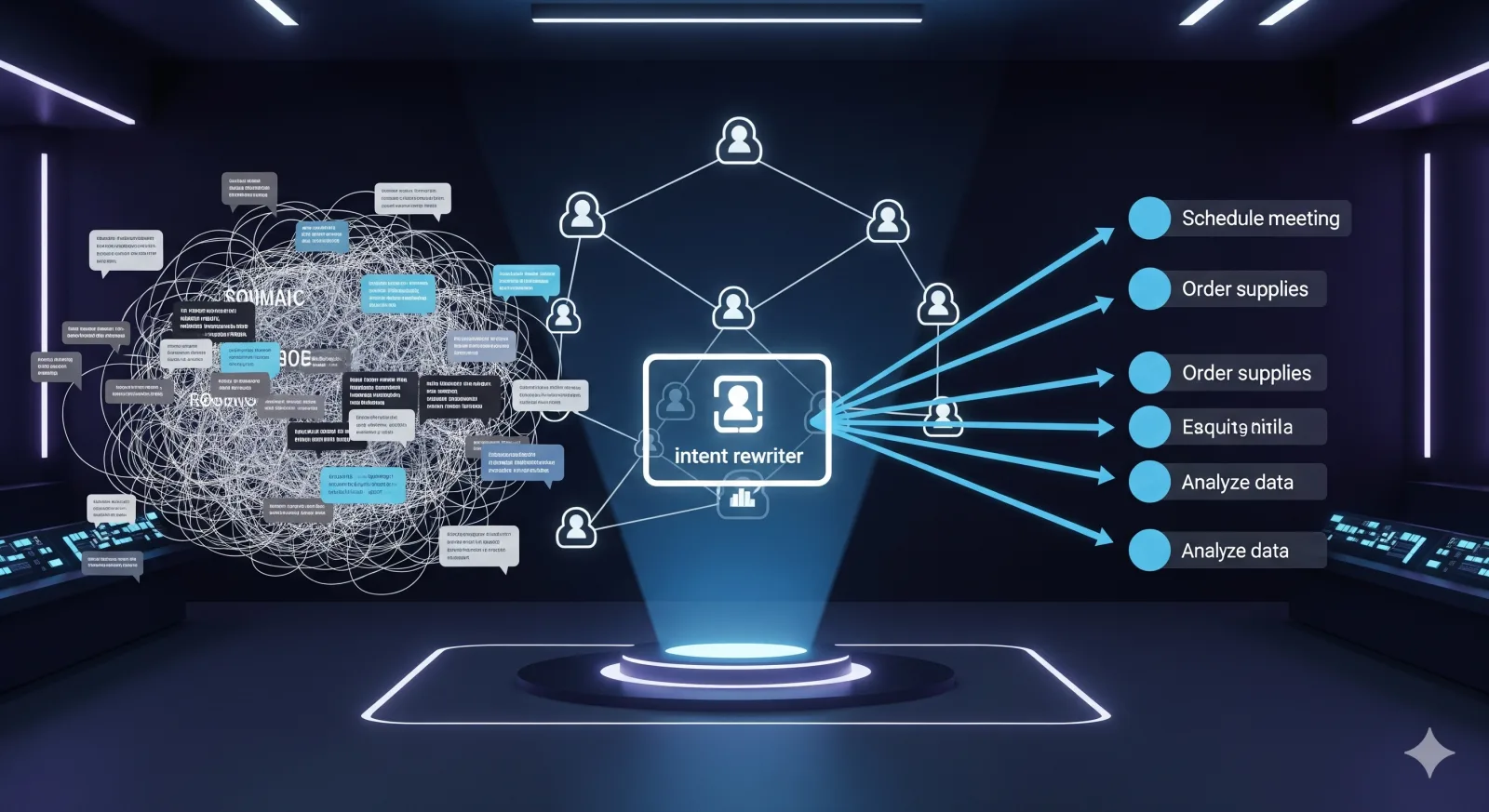
RECAP shows why agent systems need an explicit intent layer between messy dialogue and downstream planning—not prettier summaries, but cleaner operational contracts.

A mechanism-first look at why synthetic LLM personas can sound socially plausible while failing stricter tests of behavioural coherence.